Judas 1
Berean Standard Bible · Toque num versículo para ver as referências cruzadas.
Sobre este livro
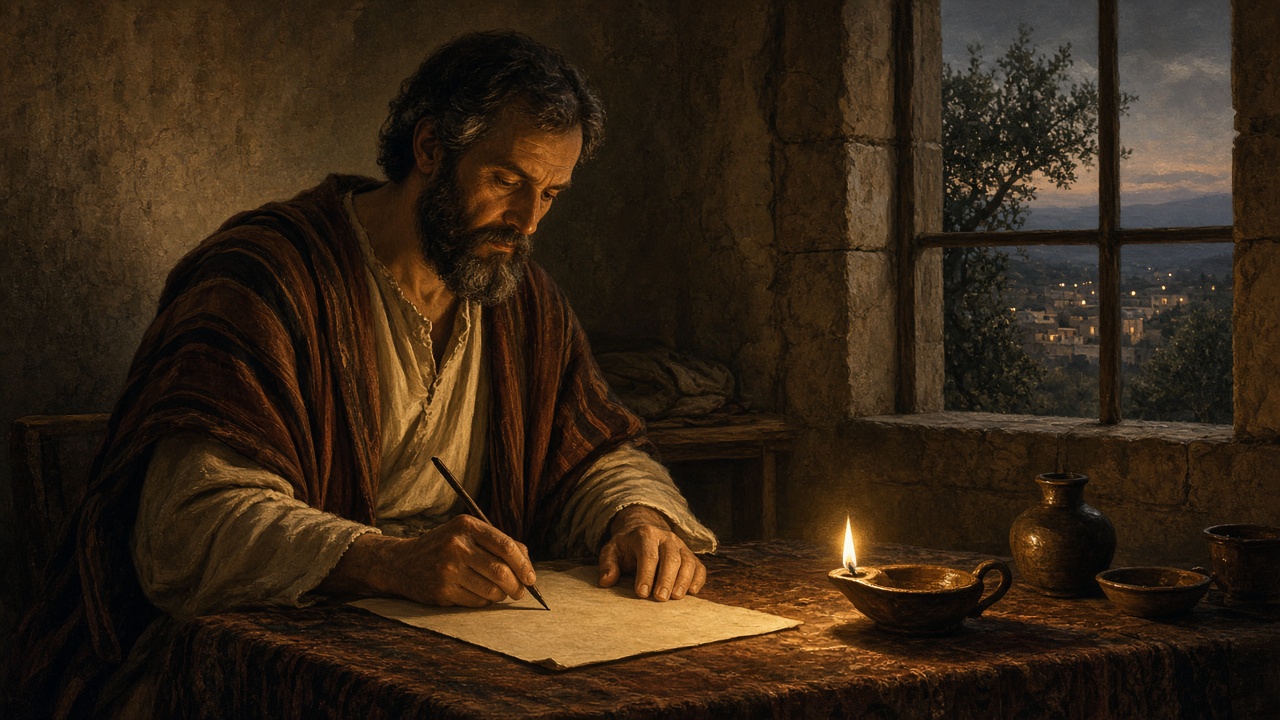
Sobre Judas
- O Dicionário Bíblico de Easton (1897) identifica o autor como Judas, irmão de Tiago, o Menor, também chamado Lebeu e Tadeu. Outro verbete o inclui entre os apóstolos de nome Judas e diz que aquele chamado irmão de Tiago pode ser o mesmo Lebeu. A autenticidade da carta foi questionada desde cedo, e essas dúvidas ressurgiram na Reforma.Fontes: Easton: Jude, Epistle of · Jude
- O Dicionário Bíblico de Easton (1897) afirma que não há nada muito definido para fixar a data ou o lugar da redação. Situa a carta no período final da era apostólica, porque ainda viviam pessoas que tinham ouvido os apóstolos pregar, e sugere que pode ter sido escrita por volta de 66 ou 70 d.C., aparentemente na Palestina.Fontes: Easton: Jude, Epistle of
- A carta é dirigida aos cristãos em geral. Seu propósito, como Easton o apresenta, é alertá-los contra os esforços enganosos de certo grupo de mestres aos quais estavam expostos.Fontes: Easton: Jude, Epistle of
- Easton descreve o estilo como uma invectiva apaixonada que acumula exemplos de juízo divino. Entre os detalhes registrados nessas fontes, Miguel disputa com Satanás pelo corpo de Moisés, Enoque é chamado o sétimo a partir de Adão, e a destruição de Sodoma e Gomorra é associada a Judas 1:4-7.Fontes: Easton: Jude, Epistle of · Michael · Enoch (father of Methuselah) · Gomorrah
- Easton nota a notável semelhança entre esta carta e 2 Pedro e sugere que o autor de uma teria visto a outra. A doxologia com que Judas termina é considerada, nesse dicionário, a mais bela do Novo Testamento.Fontes: Easton: Jude, Epistle of
Notas escritas com auxílio de IA a partir de fontes abertas (Theographic Bible Metadata, CC BY-SA 4.0; Easton’s Bible Dictionary, domínio público) e revisadas antes de publicar.
A Greeting from Jude
1Jude, a servant of Jesus Christ and a brother of James,
To those who are called, loved by God the Father, and kept in Jesus Christ:
2Mercy, peace, and love be multiplied to you.
God’s Judgment on the Ungodly
3Beloved, although I made every effort to write to you about the salvation we share, I felt it necessary to write and urge you to contend earnestly for the faith entrusted once for all to the saints. 4For certain men have crept in among you unnoticed—ungodly ones who were designated long ago for condemnation. They turn the grace of our God into a license for immorality, and they deny our only Master and Lord, Jesus Christ.
5Although you are fully aware of this, I want to remind you that after Jesus had delivered His people out of the land of Egypt, He destroyed those who did not believe. 6And the angels who did not stay within their own domain but abandoned their proper dwelling—these He has kept in eternal chains under darkness, bound for judgment on that great day. 7In like manner, Sodom and Gomorrah and the cities around them, who indulged in sexual immorality and pursued strange flesh, are on display as an example of those who sustain the punishment of eternal fire.
8Yet in the same way these dreamers defile their bodies, reject authority, and slander glorious beings. 9But even the archangel Michael, when he disputed with the devil over the body of Moses, did not presume to bring a slanderous charge against him, but said, “The Lord rebuke you!” 10These men, however, slander what they do not understand, and like irrational animals, they will be destroyed by the things they do instinctively. 11Woe to them! They have traveled the path of Cain; they have rushed headlong into the error of Balaam; they have perished in Korah’s rebellion.
12These men are hidden reefs in your love feasts, shamelessly feasting with you but shepherding only themselves. They are clouds without water, carried along by the wind; fruitless trees in autumn, twice dead after being uprooted. 13They are wild waves of the sea, foaming up their own shame; wandering stars, for whom blackest darkness has been reserved forever.
14Enoch, the seventh from Adam, also prophesied about them:
“Behold, the Lord is coming
with myriads of His holy ones
15to execute judgment on everyone,
and to convict all the ungodly
of every ungodly act of wickedness
and every harsh word spoken against Him by ungodly sinners.”
16These men are discontented grumblers, following after their own lusts; their mouths spew arrogance; they flatter others for their own advantage.
A Call to Persevere
17But you, beloved, remember what was foretold by the apostles of our Lord Jesus Christ 18when they said to you, “In the last times there will be scoffers who will follow after their own ungodly desires.” 19These are the ones who cause divisions, who are worldly and devoid of the Spirit.
20But you, beloved, by building yourselves up in your most holy faith and praying in the Holy Spirit, 21keep yourselves in the love of God as you await the mercy of our Lord Jesus Christ to bring you eternal life.
22And indeed, have mercy on those who doubt; 23save others by snatching them from the fire; and to still others show mercy tempered with fear, hating even the clothing stained by the flesh.
Doxology
24Now to Him who is able to keep you from stumbling and to present you unblemished in His glorious presence, with great joy— 25to the only God our Savior be glory, majesty, dominion, and authority through Jesus Christ our Lord before all time, and now, and for all eternity.
Amen.
Você sabia?
Batalhar pela fé
- A carta começa em nome de Judas, servo de Jesus Cristo e irmão de Tiago, que diz precisar exortar os leitores a batalhar pela fé confiada de uma vez por todas aos santos. O dicionário bíblico de Easton (1897) observa que Jude é outra forma de Judas, nome usado por dois apóstolos — um também chamado Lebeu ou Tadeu, e Judas Iscariotes — e sugere que o homem chamado “irmão de Tiago” pode ser o Judas de sobrenome Lebeu.Fontes: o próprio texto bíblico · Jude
- O ai de Judas diz que esses intrusos seguiram o caminho de Caim, precipitaram-se no erro de Balaão e pereceram na rebelião de Corá. Caim, primogênito de Adão e Eva, era lavrador da terra; a oferta de Abel foi aceita e julgada mais excelente que a dele. Balaão, filho de Beor, morava em Petor, na Mesopotâmia, e foi chamado por Balaque para amaldiçoar Israel, mas, por intervenção de Deus, não pôde fazê-lo; Corá, um levita, liderou uma rebelião contra Moisés e Arão, com Datã, Abirão e duzentos e cinquenta príncipes, exigindo que se restaurasse o antigo sacerdócio dos chefes de família.Fontes: o próprio texto bíblico · Cain · Balaam · Korah (Levite)
- Judas contrasta os que difamam seres gloriosos com o arcanjo Miguel, que, ao disputar com o diabo pelo corpo de Moisés, não se atreveu a apresentar contra ele uma acusação injuriosa, mas disse: “O Senhor te repreenda!” O dicionário bíblico de Easton (1897) descreve Miguel como um dos principais anjos, com encargo especial sobre Israel como nação, e observa que ele disputou com Satanás acerca do corpo de Moisés.Fontes: o próprio texto bíblico · Michael
Notas escritas com auxílio de IA a partir de fontes abertas (Theographic Bible Metadata, CC BY-SA 4.0; Easton’s Bible Dictionary, domínio público) e revisadas antes de publicar.
Lugares deste capítulo
- Egypt · 30.129, 31.308 · versículo 5
Só aparecem lugares com identificação de alta confiança (90% ou mais segundo as fontes acadêmicas reunidas pelo OpenBible). Mapa da época: DARE (Digital Atlas of the Roman Empire), CC BY 4.0; mapa atual: © colaboradores do OpenStreetMap; lugares: OpenBible.info (CC BY 4.0).
Créditos e licença desta tradução
Berean Standard Bible
The Holy Bible in English: Berean Standard Bible
Public Domain
Language: English
Contributor: BSB Publishing, LLC
2026-10-02
Fonte: http://ebible.org/engbsb/ · eBible.org