Génesis 26
Kitabu ka Kanu · Toca un versículo para ver sus referencias cruzadas.
Siyaka kɔ Abimɛlɛk
1Kɔ dor dende deyi dɔtɔf, ndɛ dɛnaciyanɛ kɔ dor dɔcɔkɔ-cɔkɔ dɔkɔ dɛnayi di tɛm ta Abraham mɔ. Kɔ Siyaka ɔŋkɔ nda Abimɛlɛk, wəbɛ ka aFilisti nde Kerar. 2Kɔ MARIKI owurər Siyaka, k'oloku kɔ: «Ta mətor Misira, məyi atɔf nŋɛ indeboncər əm mɔ. 3Məndɛ atɔf ŋaŋɛ. Isol'am, indepoc'am pətɔt, bawo məna kɔ yuruya yam ŋ'indesɔŋ antɔf ŋaŋɛ fəp. Indelas tɛm tatɔkɔ kədɛrəm nkɛ inadɛrmɛ papa kam Abraham mɔ. 4Indeyɔ yuruya yam yɛla pəmɔ cɔs ca darenc. Indesɔŋ yuruya yam tɔf yayɛ fəp. Afum a doru fəp ŋande ŋactɛn kətola nnɔ yuruya yam yeyi mɔ. 5Abraham ɛnacəŋkəl dim dem, pəcəmɛ dɔpɔ dem darəŋ, pəsumpər moloku mem, pəleləs mɛfaŋ mem kɔ sariyɛ sem.»
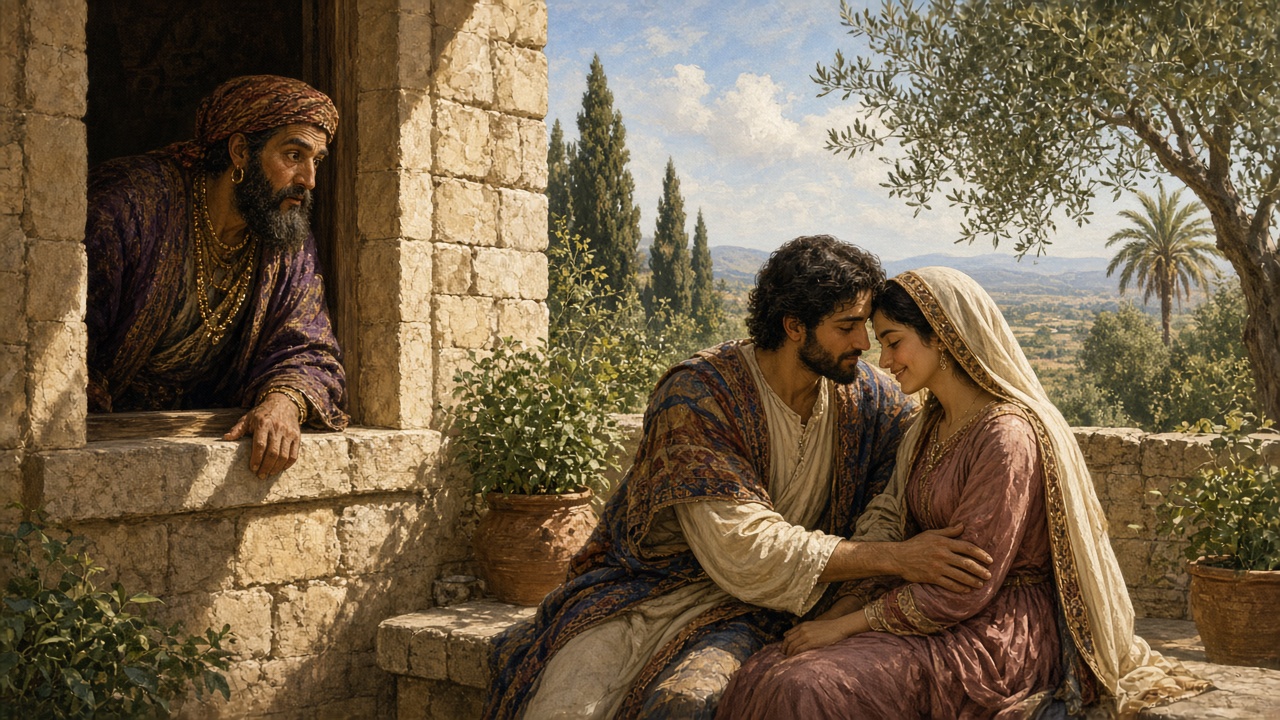
6Kɔ Siyaka ɛndɛ Kerar. 7Ntɛ afum a tofo tatɔkɔ ŋancyifət teta wəran kɔn mɔ, pəcloku ŋa: «Wəkirɛ kem ɔfɔ.» Pəcnesɛ kəloku a wəran kɔn ɔfɔ, ta afum a tofo tatɔkɔ ŋadif kɔ, bawo Rebeka ɛnatesɛ. 8Ntɛ kəyi kɔn kəncwon di mɔ, kɔ tosurɛnɛ Abimɛlɛk wəbɛ ka aFilisti pəwurɛ kəro dəwundɛr pəcmɔmən, k'ɛnəŋk Siyaka pəccɛcɛnɛ kɔ wəran kɔn Rebeka. 9Kɔ Abimɛlɛk ewe Siyaka k'eyif kɔ: «Wəran kam ɔyɔnɛ wəran nwɛ ba! Ake'sɔŋɛ ntɛ məloku su a wəkirɛ kam ɔfɔ mɔ?» Kɔ Siyaka oloku kɔ: «Iloku ti kənesɛ disrɛ ta idefinɛ tetɔn.» 10Kɔ Abimɛlɛk oloku kɔ: «Cəke məyɔ su tantɛ? Pəpic pɛcəmɛ wəlɔma su dacɔ ŋafəntərɛ kɔ wəran kam, kɔ mən'ɔsɔŋɛ su kəsarɛ kiciya.» 11Kɔ Abimɛlɛk ɔsɔŋ dim dadɔkɔ afum ɔn fəp, ntɛ: «Fum nwɛ o nwɛ oŋgbuŋɛnɛ wərkun nwɛ kɔ wəran kɔn mɔ, mɛnɛ padif wəkayi.»
12Kɔ Siyaka ɔmbɔf kəren kaŋkɔ dɔtɔf k'ɛntɛl tasar tin (100) ta tɔkɔ ɛnabɔf mɔ, bawo MARIKI ɛnapocɛ kɔ pətɔt. 13Kɔ wərkun nwɛ ɔsɔtɔ daka, k'ɛmbɛrɛnɛ kəsɔtɔ daka haŋ k'ɛnaŋkanɛ kəyɔnɛ wəka daka wəpɔŋ. 14Siyaka ɛnayɔ yɔcɔl yɛlarəm: Cəna, cir, ŋkesiya, kɔ acar alarəm, tɔsɔŋɛ aFilisti ŋayɔnɛ kɔ kəraca.
Siyaka kəsek kɔn danapa kɔ Abimɛlɛk
15Cələmp ncɛ acar a kas Abraham ŋanakay kiyi kɔn doru mɔ, kɔ aFilisti ŋaməntən ci, kɔ ŋalas ci kəbof. 16Kɔ Abimɛlɛk oloku Siyaka: «Məyɛfɛ ndorosu məkɔ bawo məmbɛk su fənɔntər.» 17Kɔ Siyaka ɛyɛfɛ di, k'ɔŋkɔ pəcəmbər saŋka nde dəŋgbəl da Kerar kəsək. 18Kɔ Siyaka ɔŋgbɔkərɛ sɔ kəkay cələmp ncɛ anakay tɛm ta kas Abraham, a kɔ aFilisti ŋaməntən ci kəcepər ka defi da Abraham mɔ. K'ewe sɔ ci mewe mɔkɔ kas ɛnawe ci mɔ. 19Kɔ acar a Siyaka ŋaŋkay sɔ kələmp kəlɔma, dəndo mɔrɔ dacɔ, kɔ ŋambəp ki disrɛ domun dɔtɔt. 20Akɛk a yɔcɔl ya dare da Kerar ŋancaŋ akɛk a yɔcɔl ya Siyaka kəcɔp, ŋacsimsɛ kələmp, kɔ ŋaloku: «Kələmp kaŋkɛ kosu kɔ.» Kɔ Siyaka ewe kələmp kaŋkɔ Esɛk, bawo afum ŋanagbɛkəlɛnɛ ta ki kɔ nkɔn. 21Kɔ acar a Siyaka ŋaluksərnɛ sɔ kəkay kələmp kəlɔma nkɛ anagbɛkəlɛnɛ sɔ taka ki mɔ, k'ewe ki Sitna. 22K'eliŋ saŋka sɔn dəndo, k'ɔŋkɔ pəkay sɔ kələmp kəlɔma nkɛ anatɔgbɛkəlɛnɛ ta ki mɔ, k'ewe ki Rehobot, bawo, oncloku: MARIKI pəyac su, pəsikəli su, kədesɔtɔ fənɔntər atɔf ŋaŋɛ. 23Kɔ Siyaka ɛmpɛrnɛ Bersaba. 24Kɔ MARIKI owurər kɔ pibi papɔkɔ, k'oloku kɔ: «In'ɔyɔnɛ Kanu ka papa kam Abraham. Ta mənesɛ, bawo isol'am, indepoc'am pətɔt, indeyɔ sɔ yuruya yam ŋala, teta wəcar kem Abraham.» 25Kɔ Siyaka ɛncəmbər di tetek toloŋnɛ k'okornɛ tewe ta MARIKI. K'ɛncəmbər sɔ di abal, kɔ acar ɔn ŋaŋkay sɔ di kələmp.
26Kɔ Abimɛlɛk ɛyɛfɛ Kerar kəkɔnəŋk nkɔn Siyaka ŋasol kɔ Ahusat wanapa kɔn, kɔ Pikɔl wəbɛ wəka asɔdar ɔn. 27Kɔ Siyaka eyif ŋa: «Ta ake tɔ nənderɛnɛ nnɔ nderem-ɛ, bawo nənter im, kɔ nəmbɛləs im nde ndoronu?» 28Kɔ ŋaloku kɔ: «Sənəŋk belbel a MARIKI osol'am. Ti tɔ səlokɛ: A padɛrmɛnɛ, ti tɔ tatɔkɔ məna kɔ səna, patəŋnɛ pasek danapa. 29Ntɛ tendesɔŋɛ ta məyɔ su ali pəlɛc pin, pəmɔ tɔkɔ sənatɔyɔ əm pəlɛc, kɔ səyɔ əm pətɔt haŋ kɔ səsak əm kɔ məŋkɔ pəforu disrɛ mɔ. Ndɛkəl oŋ MARIKI ompoc'am.» 30Kɔ Siyaka ombocɛ ŋa kəsata, kɔ ŋandi yeri kɔ ŋamun. 31Kɔ ŋayɛfɛ bətbət suy kɔ ŋandɛrmɛnɛ. Kɔ Siyaka ɛsak ŋa kɔ ŋalukus kɔ ŋasak Siyaka pəforu disrɛ.
32Dɔsɔk din dadɔkɔ dɔ acar a Siyaka ŋander ŋaloku kɔ teta kələmp kəŋkɔ ŋanakay mɔ, kɔ ŋaloku kɔ: «Səsɔtɔ domun.» 33Kɔ Siyaka ewe kələmp kaŋkɔ Sibeya. Ti tɔsɔŋɛ ntɛ aŋwenɛ dare dadɔkɔ Bersaba haŋ mɔkɔ mɔ.
Esayu kənɛncɛ kɔn
34Esayu kəsɔtɔ kɔn meren wəco maŋkəlɛ (40), k'ɛlɛk aran aHewy, pacwe ŋa Sudit wan ka Beri kɔ Basmat wan ka Elɔn. 35K'aran aHitara akaŋɛ mɛrəŋ ŋawonəs Siyaka kɔ Rebeka dis.
¿Sabías que…?
Isaac en Gerar
- Durante una hambruna, Isaac buscó refugio junto a Abimelec, rey de Gerar, una antigua ciudad y distrito en la frontera sur de Palestina. El Easton's Bible Dictionary (1897) señala que Isaac actuó con su esposa Rebeca de manera muy parecida a como su padre Abraham había actuado con Sara allí: dijo que ella era su hermana. Abimelec después lo reprendió, cuando se descubrió el engaño.Fuentes: Abimelech (King of Gerar) · Gerar · el propio texto bíblico
- Los nombres de los pozos en el valle de Gerar recuerdan las disputas por ellos. Esek significa “contienda”, porque los pastores de Gerar reclamaron el agua, y Sitna significa “conflicto”. Isaac también reabrió pozos que los siervos de su padre Abraham habían cavado y que los filisteos habían tapado, y les dio los mismos nombres que su padre les había dado.Fuentes: Esek · Sitnah · el propio texto bíblico
- Beerseba significa “pozo del juramento” o “pozo de los siete”. Según el Easton's Bible Dictionary (1897), Abraham cavó allí un pozo y le puso ese nombre tras un pacto con Abimelec, e Isaac le dio el mismo nombre al reabrirlo. El diccionario también identifica a Ficol —“grande”— como capitán jefe del ejército de Abimelec y dice que participó en la alianza de Abraham acerca de ese pozo.Fuentes: Beersheba · Phichol · el propio texto bíblico
Notas escritas con ayuda de IA a partir de fuentes abiertas (Theographic Bible Metadata, CC BY-SA 4.0; Easton’s Bible Dictionary, dominio público) y revisadas antes de publicarse.
Lugares de este capítulo
- Egypt · 30.129, 31.308 · versículo 2
- Valley of Gerar · Hoy: about 3 km around Tel Haror · 31.382, 34.606 · versículos 17, 19
Solo aparecen lugares identificados con alta confianza (90 % o más según las fuentes académicas reunidas por OpenBible). Mapa de la época: DARE (Digital Atlas of the Roman Empire), CC BY 4.0; mapa actual: © colaboradores de OpenStreetMap; lugares: OpenBible.info (CC BY 4.0).
Créditos y licencia de esta traducción
Kitabu ka Kanu
Portions of the Holy Bible in the Baga Sitemu language of Guinea
Des portions de la Sainte Bible dans la langue Baga Sitemu de Guinée
copyright © 2015 Pioneer Bible Translators
Language: Baga Sitemu
Translation by: Traducteurs Pionniers de la Bible
Contributor: Pioneer Bible Translators
This translation is made available to you under the terms of the
Creative Commons Attribution Share-Alike license 4.0.
You have permission to share and redistribute this Bible translation in any format and to make reasonable revisions and adaptations of this translation, provided that:
You include the above copyright and source information.
If you make any changes to the text, you must indicate that you did so in a way that makes it clear that the original licensor is not necessarily endorsing your changes.
If you redistribute this text, you must distribute your contributions under the same license as the original.
Pictures included with Scriptures and other documents on this site are licensed just for use with those Scriptures and documents.
For other uses, please contact the respective copyright owners.
Note that in addition to the rules above, revising and adapting God's Word involves a great responsibility to be true to God's Word. See Revelation 22:18-19.
2025-04-29
Fuente: http://ebible.org/bsp/ · eBible.org