Gênesis 26
Kitabu ka Kanu · Toque num versículo para ver as referências cruzadas.
Siyaka kɔ Abimɛlɛk
1Kɔ dor dende deyi dɔtɔf, ndɛ dɛnaciyanɛ kɔ dor dɔcɔkɔ-cɔkɔ dɔkɔ dɛnayi di tɛm ta Abraham mɔ. Kɔ Siyaka ɔŋkɔ nda Abimɛlɛk, wəbɛ ka aFilisti nde Kerar. 2Kɔ MARIKI owurər Siyaka, k'oloku kɔ: «Ta mətor Misira, məyi atɔf nŋɛ indeboncər əm mɔ. 3Məndɛ atɔf ŋaŋɛ. Isol'am, indepoc'am pətɔt, bawo məna kɔ yuruya yam ŋ'indesɔŋ antɔf ŋaŋɛ fəp. Indelas tɛm tatɔkɔ kədɛrəm nkɛ inadɛrmɛ papa kam Abraham mɔ. 4Indeyɔ yuruya yam yɛla pəmɔ cɔs ca darenc. Indesɔŋ yuruya yam tɔf yayɛ fəp. Afum a doru fəp ŋande ŋactɛn kətola nnɔ yuruya yam yeyi mɔ. 5Abraham ɛnacəŋkəl dim dem, pəcəmɛ dɔpɔ dem darəŋ, pəsumpər moloku mem, pəleləs mɛfaŋ mem kɔ sariyɛ sem.»
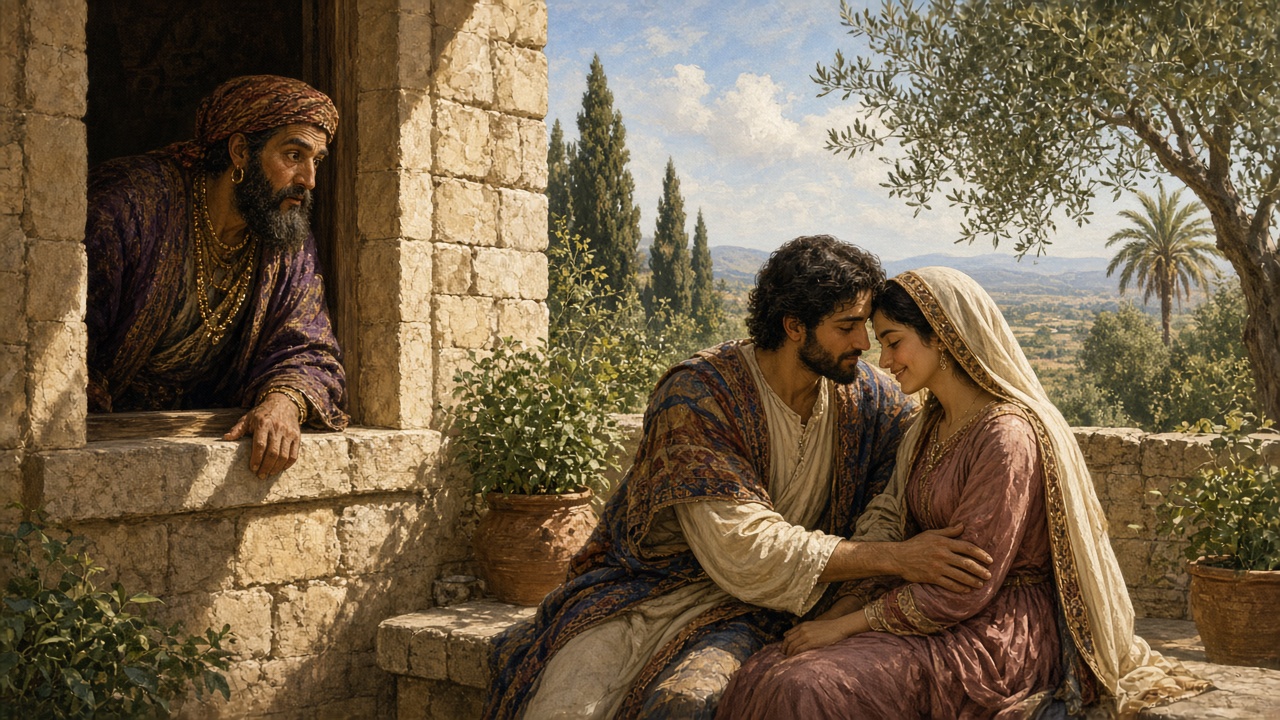
6Kɔ Siyaka ɛndɛ Kerar. 7Ntɛ afum a tofo tatɔkɔ ŋancyifət teta wəran kɔn mɔ, pəcloku ŋa: «Wəkirɛ kem ɔfɔ.» Pəcnesɛ kəloku a wəran kɔn ɔfɔ, ta afum a tofo tatɔkɔ ŋadif kɔ, bawo Rebeka ɛnatesɛ. 8Ntɛ kəyi kɔn kəncwon di mɔ, kɔ tosurɛnɛ Abimɛlɛk wəbɛ ka aFilisti pəwurɛ kəro dəwundɛr pəcmɔmən, k'ɛnəŋk Siyaka pəccɛcɛnɛ kɔ wəran kɔn Rebeka. 9Kɔ Abimɛlɛk ewe Siyaka k'eyif kɔ: «Wəran kam ɔyɔnɛ wəran nwɛ ba! Ake'sɔŋɛ ntɛ məloku su a wəkirɛ kam ɔfɔ mɔ?» Kɔ Siyaka oloku kɔ: «Iloku ti kənesɛ disrɛ ta idefinɛ tetɔn.» 10Kɔ Abimɛlɛk oloku kɔ: «Cəke məyɔ su tantɛ? Pəpic pɛcəmɛ wəlɔma su dacɔ ŋafəntərɛ kɔ wəran kam, kɔ mən'ɔsɔŋɛ su kəsarɛ kiciya.» 11Kɔ Abimɛlɛk ɔsɔŋ dim dadɔkɔ afum ɔn fəp, ntɛ: «Fum nwɛ o nwɛ oŋgbuŋɛnɛ wərkun nwɛ kɔ wəran kɔn mɔ, mɛnɛ padif wəkayi.»
12Kɔ Siyaka ɔmbɔf kəren kaŋkɔ dɔtɔf k'ɛntɛl tasar tin (100) ta tɔkɔ ɛnabɔf mɔ, bawo MARIKI ɛnapocɛ kɔ pətɔt. 13Kɔ wərkun nwɛ ɔsɔtɔ daka, k'ɛmbɛrɛnɛ kəsɔtɔ daka haŋ k'ɛnaŋkanɛ kəyɔnɛ wəka daka wəpɔŋ. 14Siyaka ɛnayɔ yɔcɔl yɛlarəm: Cəna, cir, ŋkesiya, kɔ acar alarəm, tɔsɔŋɛ aFilisti ŋayɔnɛ kɔ kəraca.
Siyaka kəsek kɔn danapa kɔ Abimɛlɛk
15Cələmp ncɛ acar a kas Abraham ŋanakay kiyi kɔn doru mɔ, kɔ aFilisti ŋaməntən ci, kɔ ŋalas ci kəbof. 16Kɔ Abimɛlɛk oloku Siyaka: «Məyɛfɛ ndorosu məkɔ bawo məmbɛk su fənɔntər.» 17Kɔ Siyaka ɛyɛfɛ di, k'ɔŋkɔ pəcəmbər saŋka nde dəŋgbəl da Kerar kəsək. 18Kɔ Siyaka ɔŋgbɔkərɛ sɔ kəkay cələmp ncɛ anakay tɛm ta kas Abraham, a kɔ aFilisti ŋaməntən ci kəcepər ka defi da Abraham mɔ. K'ewe sɔ ci mewe mɔkɔ kas ɛnawe ci mɔ. 19Kɔ acar a Siyaka ŋaŋkay sɔ kələmp kəlɔma, dəndo mɔrɔ dacɔ, kɔ ŋambəp ki disrɛ domun dɔtɔt. 20Akɛk a yɔcɔl ya dare da Kerar ŋancaŋ akɛk a yɔcɔl ya Siyaka kəcɔp, ŋacsimsɛ kələmp, kɔ ŋaloku: «Kələmp kaŋkɛ kosu kɔ.» Kɔ Siyaka ewe kələmp kaŋkɔ Esɛk, bawo afum ŋanagbɛkəlɛnɛ ta ki kɔ nkɔn. 21Kɔ acar a Siyaka ŋaluksərnɛ sɔ kəkay kələmp kəlɔma nkɛ anagbɛkəlɛnɛ sɔ taka ki mɔ, k'ewe ki Sitna. 22K'eliŋ saŋka sɔn dəndo, k'ɔŋkɔ pəkay sɔ kələmp kəlɔma nkɛ anatɔgbɛkəlɛnɛ ta ki mɔ, k'ewe ki Rehobot, bawo, oncloku: MARIKI pəyac su, pəsikəli su, kədesɔtɔ fənɔntər atɔf ŋaŋɛ. 23Kɔ Siyaka ɛmpɛrnɛ Bersaba. 24Kɔ MARIKI owurər kɔ pibi papɔkɔ, k'oloku kɔ: «In'ɔyɔnɛ Kanu ka papa kam Abraham. Ta mənesɛ, bawo isol'am, indepoc'am pətɔt, indeyɔ sɔ yuruya yam ŋala, teta wəcar kem Abraham.» 25Kɔ Siyaka ɛncəmbər di tetek toloŋnɛ k'okornɛ tewe ta MARIKI. K'ɛncəmbər sɔ di abal, kɔ acar ɔn ŋaŋkay sɔ di kələmp.
26Kɔ Abimɛlɛk ɛyɛfɛ Kerar kəkɔnəŋk nkɔn Siyaka ŋasol kɔ Ahusat wanapa kɔn, kɔ Pikɔl wəbɛ wəka asɔdar ɔn. 27Kɔ Siyaka eyif ŋa: «Ta ake tɔ nənderɛnɛ nnɔ nderem-ɛ, bawo nənter im, kɔ nəmbɛləs im nde ndoronu?» 28Kɔ ŋaloku kɔ: «Sənəŋk belbel a MARIKI osol'am. Ti tɔ səlokɛ: A padɛrmɛnɛ, ti tɔ tatɔkɔ məna kɔ səna, patəŋnɛ pasek danapa. 29Ntɛ tendesɔŋɛ ta məyɔ su ali pəlɛc pin, pəmɔ tɔkɔ sənatɔyɔ əm pəlɛc, kɔ səyɔ əm pətɔt haŋ kɔ səsak əm kɔ məŋkɔ pəforu disrɛ mɔ. Ndɛkəl oŋ MARIKI ompoc'am.» 30Kɔ Siyaka ombocɛ ŋa kəsata, kɔ ŋandi yeri kɔ ŋamun. 31Kɔ ŋayɛfɛ bətbət suy kɔ ŋandɛrmɛnɛ. Kɔ Siyaka ɛsak ŋa kɔ ŋalukus kɔ ŋasak Siyaka pəforu disrɛ.
32Dɔsɔk din dadɔkɔ dɔ acar a Siyaka ŋander ŋaloku kɔ teta kələmp kəŋkɔ ŋanakay mɔ, kɔ ŋaloku kɔ: «Səsɔtɔ domun.» 33Kɔ Siyaka ewe kələmp kaŋkɔ Sibeya. Ti tɔsɔŋɛ ntɛ aŋwenɛ dare dadɔkɔ Bersaba haŋ mɔkɔ mɔ.
Esayu kənɛncɛ kɔn
34Esayu kəsɔtɔ kɔn meren wəco maŋkəlɛ (40), k'ɛlɛk aran aHewy, pacwe ŋa Sudit wan ka Beri kɔ Basmat wan ka Elɔn. 35K'aran aHitara akaŋɛ mɛrəŋ ŋawonəs Siyaka kɔ Rebeka dis.
Você sabia?
Isaque em Gerar
- Durante uma fome, Isaque buscou refúgio junto a Abimeleque, rei de Gerar, antiga cidade e distrito na fronteira sul da Palestina. O Easton's Bible Dictionary (1897) observa que Isaque agiu com sua esposa Rebeca de modo muito parecido com o de seu pai Abraão em relação a Sara naquele lugar: disse que ela era sua irmã. Abimeleque depois o repreendeu, quando o engano foi descoberto.Fontes: Abimelech (King of Gerar) · Gerar · o próprio texto bíblico
- Os nomes dos poços no vale de Gerar recordam as disputas por eles. Eseque significa “contenda”, porque os pastores de Gerar reivindicaram a água, e Sitna significa “conflito”. Isaque também reabriu poços que os servos de seu pai Abraão haviam cavado e que os filisteus tinham tampado, e deu-lhes os mesmos nomes que seu pai lhes dera.Fontes: Esek · Sitnah · o próprio texto bíblico
- Berseba significa “poço do juramento” ou “poço dos sete”. Segundo o Easton's Bible Dictionary (1897), Abraão cavou ali um poço e lhe deu esse nome após um acordo com Abimeleque, e Isaque lhe deu o mesmo nome ao reabri-lo. O dicionário também identifica Ficol — “grande” — como capitão-chefe do exército de Abimeleque e diz que ele participou da aliança de Abraão acerca desse poço.Fontes: Beersheba · Phichol · o próprio texto bíblico
Notas escritas com auxílio de IA a partir de fontes abertas (Theographic Bible Metadata, CC BY-SA 4.0; Easton’s Bible Dictionary, domínio público) e revisadas antes de publicar.
Lugares deste capítulo
- Egypt · 30.129, 31.308 · versículo 2
- Valley of Gerar · Hoje: about 3 km around Tel Haror · 31.382, 34.606 · versículos 17, 19
Só aparecem lugares com identificação de alta confiança (90% ou mais segundo as fontes acadêmicas reunidas pelo OpenBible). Mapa da época: DARE (Digital Atlas of the Roman Empire), CC BY 4.0; mapa atual: © colaboradores do OpenStreetMap; lugares: OpenBible.info (CC BY 4.0).
Créditos e licença desta tradução
Kitabu ka Kanu
Portions of the Holy Bible in the Baga Sitemu language of Guinea
Des portions de la Sainte Bible dans la langue Baga Sitemu de Guinée
copyright © 2015 Pioneer Bible Translators
Language: Baga Sitemu
Translation by: Traducteurs Pionniers de la Bible
Contributor: Pioneer Bible Translators
This translation is made available to you under the terms of the
Creative Commons Attribution Share-Alike license 4.0.
You have permission to share and redistribute this Bible translation in any format and to make reasonable revisions and adaptations of this translation, provided that:
You include the above copyright and source information.
If you make any changes to the text, you must indicate that you did so in a way that makes it clear that the original licensor is not necessarily endorsing your changes.
If you redistribute this text, you must distribute your contributions under the same license as the original.
Pictures included with Scriptures and other documents on this site are licensed just for use with those Scriptures and documents.
For other uses, please contact the respective copyright owners.
Note that in addition to the rules above, revising and adapting God's Word involves a great responsibility to be true to God's Word. See Revelation 22:18-19.
2025-04-29
Fonte: http://ebible.org/bsp/ · eBible.org