Génesis 27
Kitabu ka Kanu · Toca un versículo para ver sus referencias cruzadas.
Yakuba kəsɔtɔ kɔn kəpocɛ nkɛ pənamar Esayu kəsɔtɔ mɔ
1Siyaka ɔncyɔnɛ wətem, fɔr yɔclɔl kɔ haŋ kɔ tɛləpsər kɔ kətɔnəŋk. K'ewe wan kɔn wəcɔkɔ-cɔkɔ Esayu, k'oloku kɔ: «Wan kem!» Kɔ Esayu owosɛ: «In'ɛwɛ!» 2Kɔ Siyaka ɔŋgbɔkərɛ: «Iyɔnɛ wətem, incərɛ fɛ dɔsɔk dem defi. 3Məlɛk oŋ yɛpɛnɛ yam, cəbəlma cam kɔ ambəncəran, məkɔ dəkulum məkɔ məpɛn'em wɛsɛm. 4Məlompəs'em peri pəmɔ tɔkɔ imbɔtər ti mɔ. Məkɛr'em pi, idi, ntɛ tɔŋsɔŋɛ ina yati itolan'am pətɔt a icfi mɔ.» 5Rebeka pəccəŋkəl tɔkɔ Siyaka oncloku wan kɔn Esayu mɔ. Kɔ Esayu ɔŋkɔ dəkulum kəkɔpɛn wɛsɛm, pəkɛrɛ.
6Kɔ Rebeka oloku wan kɔn Yakuba: «Ntɛ t'ine. Papa kam pəcloku wɛnc əm Esayu: 7‹Məkɛr'em wɛsɛm. Məlompəs'em peri mpɛ indedi, itolan'am pətɔt nde MARIKI eyi mɔ, a icfi.› 8Ndɛkəl oŋ wan kem məcəŋkəl dim dem, məyɔ tɔkɔ indelok'əm mɔ. 9Məkɔ məlɛk'em nde yɔcɔl dacɔ, mbiyofo yɔtɔt mɛrəŋ. Ilompsɛ papa kam peri pɔtɔt pəmɔ tɔkɔ ɔmbɔtər pi mɔ. 10Məndekenɛ papa kam peri papɔkɔ, ntɛ tɔŋsɔŋɛ pətolan'am pətɔt a pəcfi mɔ.» 11Kɔ Yakuba oloku kɛrɛ Rebeka: «Ɛy, mba wɛnc im Esayu ɛla cəfon dəris, k'ina iyɔ fɛ ci. 12Tɔlɔma papa wəkem pəkɔwakəs im dis, endecər'em kətɔlomp tɔsɔŋ'em kəsɔtɔ pəlɛc ta isɔtɔ pətɔt-ɛ.» 13Kɔ kɛrɛ oloku kɔ: «Tɔyɔnɛ a pəlɛc papɔkɔ peder im! Məcəŋkəl gbəcərəm dim dem. Məkɔ məkɛr'em mir.» 14Kɔ Yakuba ɔŋkɔ pəlɛk mir, k'ɛŋkɛrɛ iya kɔn. Kɔ iya kɔn olompəs peri, pəmɔ tɔkɔ papa kɔn ɛnabɔtər pi mɔ. 15Kɔ Rebeka ɛlɛk yamos ya Esayu wan kɔn wəcɔkɔ-cɔkɔ, yamos yɔtɔt yɔkɔ ɛnatam kəsɔtɔ dɛkɛr mɔ, k'ɔsɔŋ yi wan kɔn wəlpəs Yakuba k'ɛmbɛrnɛ. 16K'oŋkump Yakuba akata ŋa mbiyofo yɔkɔ ŋanadif mɔ dəwaca kɔ dəkilim, kəbəp ka mofo mɔkɔ mɛnatɔyɔ cəfon mɔ. 17Kɔ Rebeka ɔsɔŋ wan kɔn Yakuba peri pɔkɔ ɛnalompəs mɔ, kɔ kəcom. 18Kɔ Yakuba ɔŋkɔ nde papa kɔn eyi mɔ, k'oloku: «Papa wəkem!» Kɔ Siyaka owosɛ: «In'ɛwɛ. Mən'an'ɔfɔ-ɛ, Wan kem?» 19Kɔ Yakuba oloku kas: «In'ɔfɔ Esayu wan kam wəcɔkɔ-cɔkɔ. Iyɔ tɔkɔ məlokun'em mɔ. Məyɛfɛ ilɛtsɛn'am, məndɛ məsɔm wɛsɛm wem, ntɛ tɔŋsɔŋɛ məna yati mətolan'em pətɔt mɔ.» 20Kɔ Siyaka oloku wan kɔn: «Mba məyeŋk kəsɔtɔ wɛsɛm wan kem!» Kɔ Yakuba oloku: «MARIKI Kanu kam kəkɛr'em wi fɔr yem kiriŋ.» 21Kɔ Siyaka oloku Yakuba: «Məcɔŋnɛ oŋ wan kem, iwakəs əm, icərɛ kɔ pəyɔnɛ a wan kem Esayu ɔfɔ-ɛ.» 22Kɔ Yakuba ɔlɔtərnɛ kas Siyaka, k'ɛwakəs kɔ k'oloku: «Dim dandɛ da Yakuba dɔ, mba waca wawɛ wa Esayu wɔ.» 23Siyaka ɛnanɛpəl fɛ kɔ. Bawo waca wɔn wɛnala cəfon pəmɔ waca wa wɛnc Esayu, k'ontolanɛ kɔ pətɔt. 24K'eyif: «Mən'ɔfɔ məna wan kem Esayu?» Kɔ Yakuba owosɛnɛ kɔ: «Ɛy.» 25Kɔ Siyaka oloku: «Məbɛr'em isɔm wɛsɛm wa wan kem, ntɛ tɔŋsɔŋɛ, ina yati itolan'am pətɔt mɔ.» Kɔ Yakuba ɛmbɛrɛ Siyaka yeri k'endi, k'ɛŋkɛrɛ kɔ sɔ member k'omun. 26Kɔ kas Siyaka oloku sɔ: «Məcɔŋnɛ məcup im wan kem.» 27Kɔ Yakuba ɔncɔŋnɛ, k'oncup kɔ. Kɔ Siyaka ene ambɔnc ŋa yamos ya Esayu. K'ontolanɛ kɔ ntɛ: «Ɛy, ambɔnc ŋa wan kem ŋeyi pəmɔ ambɔnc ŋa dalɛ ndɛ MARIKI ompocɛ pətɔt mɔ. 28Kanu kəsɔŋ əm pəcaŋki pa darenc
kɔ daka da dəntɔf:
Malɔ kɔ member pəlarəm!
29MARIKI pəsɔŋɛ, afum ŋay'əm dəntɔf,
Kanu kəsɔŋɛ afum ŋatontnɛn'am!
Kanu kəsɔŋɛ məyi awɛnc əm aŋa kəroŋ,
Kanu kəsɔŋɛ awut a iya kam ŋatontnɛn'am dəntɔf!
Kanu kəsɔŋ pəlɛc, wəkɔ ɛŋfaŋ'am pəlɛc mɔ,
Kanu kəsɔŋ pətɔt wəkɔ ɛŋfaŋ'am pətɔt mɔ.»
30Siyaka ɛnadelip kətolanɛ Yakuba, Yakuba endeyɛfɛ kas dəntɔf, kɔ wɛnc Esayu ɛmbɛrɛ pəyɛfɛ dəkəpɛn. 31Kɔ Esayu olompəs sɔ peri k'eŋkenɛ kas Siyaka. K'oloku kas: «Papa məyɛfɛ məsɔm wɛsɛm wa wan kam, ntɛ tɔŋsɔŋɛ mətolan'em pətɔt məna yati mɔ.» 32Kɔ kas Siyaka eyif kɔ: «Mən'an'ɔfɔ-ɛ?» Kɔ Esayu oloku kɔ: «In'ɔfɔ wan kam wəcɔkɔ-cɔkɔ Esayu.» 33Kɔ pəyi Siyaka yamayama, yamayama pəpɔŋ k'oloku: «An'ɔkɔ pəpɛn wɛsɛm k'ɛŋkɛr'em-ɛ? Isɔm yi a kɔ məndeder, intolanɛ kɔ pətɔt. Kətola pətɔt kəlip kəsumpər kɔ.» 34Ntɛ Esayu ene moloku ma kas mɔ, k'ɛmbɛr kəbebe, k'oŋkulɛ-kulɛ pəpɔŋ, k'oloku kas: «Ina sɔ mətolan'em pətɔt Papa.» 35Kɔ Siyaka oloku kɔ: «Wɛnc əm enderɛnɛ cəmpənpən k'ɛlɛk kətolanɛ pətɔt kam.» 36Kɔ Esayu oloku: «Cepɔ ntɛ asɔŋ kɔ tewe ta Yakuba mɔ, ti t'ɛŋnɛmps'em haŋ kəmɛrəŋ? Ɛnabaŋər im tɔkɔ dəcəmɛ da debeki dem. Kɔ pəndesɔyi tantɛ k'ɛŋlɛkər im sɔ kətolanɛ pətɔt kem.» Kɔ Esayu endeŋər: «Papa, məmɛŋkərnɛ fɛ sɔ kətolanɛ pətɔt kəlɔma, məsɔŋ im ki?» 37Kɔ Siyaka oloku Esayu: «Isɔŋ kɔ kəyi kam kəroŋ, k'isɔŋ kɔ awɛnc aŋa fəp kəyi kɔ dəntɔf, k'isɔŋ kɔ bəle kɔ wɛn. Cəke c'indeyɔnɛ məna-ɛ, wan kem?» 38Kɔ Esayu eyif kas: «Kətola pətɔt kin kaŋkɔ gboŋ kɔ məyɔ ba, Papa? Ina sɔ mətolan'em pətɔt, Papa!» Kɔ Esayu ɛyɛfɛ kəbok. 39Kɔ kas Siyaka oloku kɔ: «Mənəŋk!
Dəkəndɛ dam dɔfɔdeyɔ daka da dəntɔf
Kɔ pəcaŋki mpɛ pɛŋyɛfɛ darenc mɔ.
40Dakma dam dendedəs əm doru,
Məndeyi wɛnc əm dəntɔf.
Məndeyi tam taciŋa
Fənɔntər fam fəndesɔŋɛ, məccer kɔ mɛfaŋ mɔn.»
Kəkɔ ka Yakuba nda ncɔk'ɔn Labaŋ
41Kɔ Esayu ɛmɛŋkɛ Yakuba mɛtɛlɛ, teta kətolanɛ pətɔt nkɛ kas ɛnatolanɛ Yakuba mɔ. Esayu pəccɔpəsnɛ dɛbəkəc, «Mataka ma defi da papa wəkem mɔmbɔlɛ fɛ sɔ. Indedif wɛnc im Yakuba.» 42K'aŋkɔ paloku Rebeka mɛcɛmcɛmnɛ mɛlɛc ma Esayu nnɔ Yakuba eyi mɔ. Kɔ Rebeka ewe wan kɔn Yakuba, k'oloku kɔ: «Məne ntɛ wɛnc əm Esayu ɛfaŋ kəluks'am ayɛk mɔ, a pədif əm. 43Awa wan kem, məcəŋkəl im! Məyɛfɛ, məkɔ məgbɔpnɛ ndena wɛnc im wərkun Labaŋ nde Haraŋ. 44Məkɔ məyi di mataka, haŋ mɛtɛlɛ ma wɛnc əm melip. 45Kɔ mɛtɛlɛ ma wɛnc əm mendelip-ɛ, pəpələrnɛ pəcuy pɔkɔ məyɔ kɔ mɔ, indew'am məder. Ta ake t'indebutɛ nu mɛrəŋ monu dɔsɔk din-ɛ?»
Kəyɛksɛ ka Yakuba Pəkɔ Mesopotami
46Kɔ Rebeka oloku Siyaka: «Doru dɛŋgbəf im teta awut aran aHewy. Kɔ Yakuba ɛnɛncɛ wəHewy, wan wəran wəka dɔtɔf pəmɔ akaŋɛ, ake indesɔyɔ oŋ doru-ɛ?»
¿Sabías que…?
Una bendición tomada con engaño
- El nombre Jacob se explica tradicionalmente como “el que sigue los talones de otro” o “suplantador”. Al enterarse de que la bendición ha sido para su hermano, Esaú dice que Jacob lo ha engañado dos veces —primero le quitó la primogenitura y luego la bendición— y pregunta si no se llama Jacob con razón.Fuentes: Jacob (Israel) · el propio texto bíblico
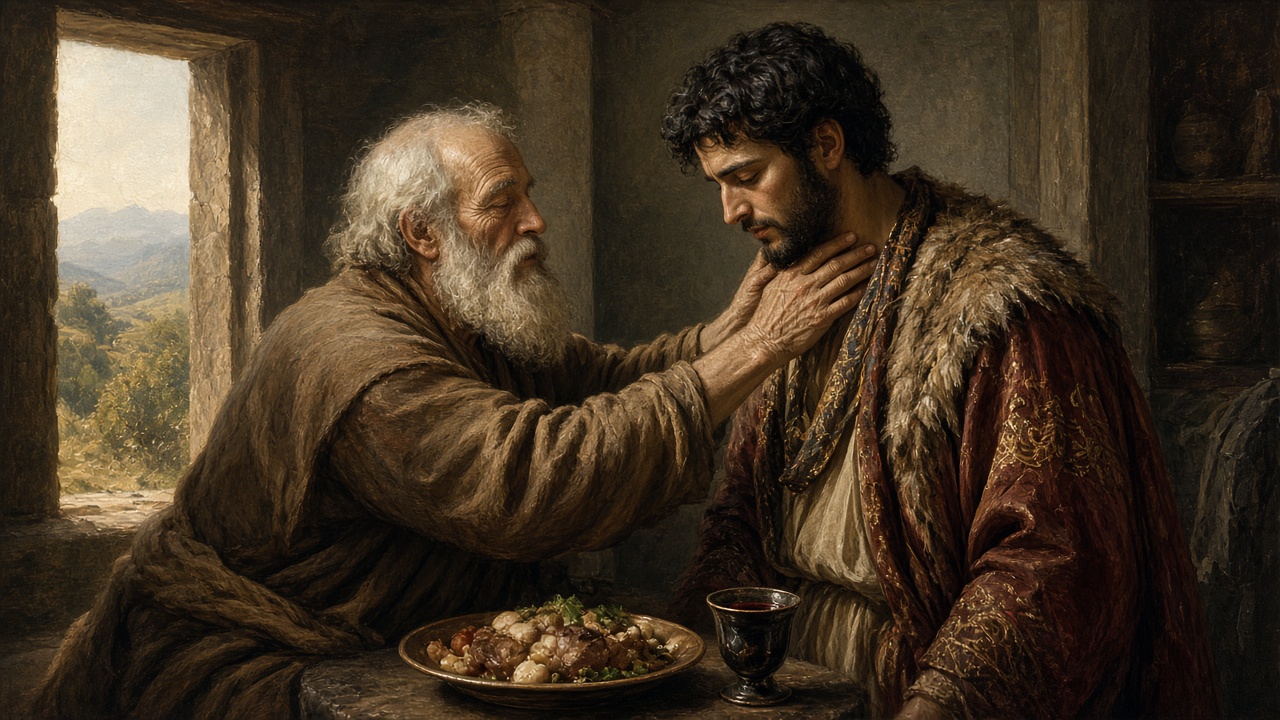
- Esaú, el gemelo primogénito de Rebeca, era velludo y vivía como cazador, mientras que Jacob tenía la piel lisa y se hizo pastor. Rebeca viste a Jacob con la mejor ropa de Esaú y le cubre las manos y la parte lisa del cuello con pieles de cabritos, para que Isaac, cuyos ojos estaban demasiado débiles para ver, lo tome por Esaú al tocarlo.Fuentes: Esau (Edom) · Jacob (Israel) · el propio texto bíblico
- Esaú entonces guarda rencor y planea matar a Jacob después de la muerte de Isaac. Rebeca envía a Jacob a su hermano Labán, en Harán, una ciudad de la Alta Mesopotamia junto al Belik, afluente del Éufrates —también llamada ciudad de Nacor—, donde vivía Labán.Fuentes: el propio texto bíblico · Laban · Haran
Notas escritas con ayuda de IA a partir de fuentes abiertas (Theographic Bible Metadata, CC BY-SA 4.0; Easton’s Bible Dictionary, dominio público) y revisadas antes de publicarse.
Lugares de este capítulo
- Haran · Hoy: Harran · 36.864, 39.033 · versículo 43
Solo aparecen lugares identificados con alta confianza (90 % o más según las fuentes académicas reunidas por OpenBible). Mapa de la época: DARE (Digital Atlas of the Roman Empire), CC BY 4.0; mapa actual: © colaboradores de OpenStreetMap; lugares: OpenBible.info (CC BY 4.0).
Créditos y licencia de esta traducción
Kitabu ka Kanu
Portions of the Holy Bible in the Baga Sitemu language of Guinea
Des portions de la Sainte Bible dans la langue Baga Sitemu de Guinée
copyright © 2015 Pioneer Bible Translators
Language: Baga Sitemu
Translation by: Traducteurs Pionniers de la Bible
Contributor: Pioneer Bible Translators
This translation is made available to you under the terms of the
Creative Commons Attribution Share-Alike license 4.0.
You have permission to share and redistribute this Bible translation in any format and to make reasonable revisions and adaptations of this translation, provided that:
You include the above copyright and source information.
If you make any changes to the text, you must indicate that you did so in a way that makes it clear that the original licensor is not necessarily endorsing your changes.
If you redistribute this text, you must distribute your contributions under the same license as the original.
Pictures included with Scriptures and other documents on this site are licensed just for use with those Scriptures and documents.
For other uses, please contact the respective copyright owners.
Note that in addition to the rules above, revising and adapting God's Word involves a great responsibility to be true to God's Word. See Revelation 22:18-19.
2025-04-29
Fuente: http://ebible.org/bsp/ · eBible.org