Génesis 25
Kitabu ka Kanu · Toca un versículo para ver sus referencias cruzadas.
Defi da Abraham: Mewe ma yuruya yɔn nyɛ wəran kɔn Ketura ɛnakomɛ kɔ mɔ
1Kɔ Abraham ɛlɛk sɔ wəran wəlɔma, pacwe kɔ Ketura. 2Kɔ Ketura oŋkomɛ kɔ awut arkun: Simraŋ, Yɔksaŋ, Medaŋ, Madiyaŋ, Yisbak, kɔ Suwah. 3Kɔ Yɔksaŋ oŋkom Saba kɔ Dedaŋ. Awut arkun a Dedaŋ ŋanayɔnɛ afum a tɔf maas: Asuri, aLetusi kɔ aLeyumi. 4Awut a Madiyaŋ ŋanayɔnɛ Hefah, Hefer, Henok, Abidah, kɔ Ɛldaha. Akaŋɛ ŋanayɔnɛ awut a Ketura.
5Abraham ɛnasɔŋ daka dɔn fəp Siyaka. 6Awut a alak'ɔn, k'ompocɛ ŋa, pəsɔrɔyi doru, k'eŋkekərɛ ŋa poŋ pəbɔlɛnɛ ŋa wan kɔn Siyaka, atɔf nŋɛ ŋeyi ntende kəca nkɛ dec dɛmpɛ mɔ. 7Kəwon ka Abraham doru kənasɔtɔ meren tasar tin wəco camət mɛrəŋ kɔ kəcamət (175). 8Kɔ Abraham ontorɛ kifir, k'efi ntɛ encepərɛnɛ detem dobotu mɔ, pəbɛk, pənɛmbərɛ mataka ma doru, k'ɔnɔŋkəl atem ɔn aŋɛ ŋanafi mɔ. 9Siyaka kɔ Səmayila awut a Abraham, ŋawup kɔ nde dəkəwupɛnɛ da Makpela, nde dalɛ da Hɛfəroŋ wan ka Cohar wəHewy, pətɛfərɛnɛ di kɔ Mamre. 10Dalɛ dɛnayi ndɛ Abraham ɛnaway nnɔ aHewy ŋayi mɔ. Difɔ anawup Abraham kɔ wəran kɔn Sara. 11Ntɛ defi da Abraham dencepər mɔ, kɔ Kanu kəmpocɛ wan kɔn Siyaka nwɛ ɛnandɛ nde kələmp ka Lahay-Roy kəsək mɔ.
12Awut a Səmayila ŋɔ akaŋɛ, Səmayila wan k'Abraham, nwɛ wan wəran wəMisira Hakar wəcar ka Sara ɛnakomɛ Abraham mɔ. 13Mewe ma awut a Səmayila mɛmɛ, tɔkɔ ŋanabɛkɛnɛ mɔ: Nebayɔt coco ca Səmayila, Kedar, Adebel, Mibəsam, 14Misma, Dumah, Masa, 15Hadad, Tema, Yetur, Nafis, kɔ Kedema. Awut a Səmayila ŋɔ akakɔ. 16Mewe maŋan mɔ mamɔkɔ tɛndɛ taŋan cəgbo cəgbo. Abɛ wəco kɔ mɛrəŋ ŋanayi ŋa kiriŋ dɛlay daŋan. 17Kəyi ka Səmayila doru kənawon meren tasar tin wəco maas kɔ camət mɛrəŋ (137). K'ontorɛ kifir, k'ɔnɔŋkəl atem ɔn akɔ ŋanafi mɔ. 18Afum a Səmayila ŋayi kəyɛfɛ ka Hawila haŋ Sur nsɛ səntɛfərnɛ Misira mɔ, kəkɔ ka kəca ka Asiri. Yuruya ya Səmayila ŋanandɛ ŋatɛfərnɛ awɛnc aŋa fəp.
Tecepərɛnɛ ta Yakuba
Esayu kɔ Yakuba
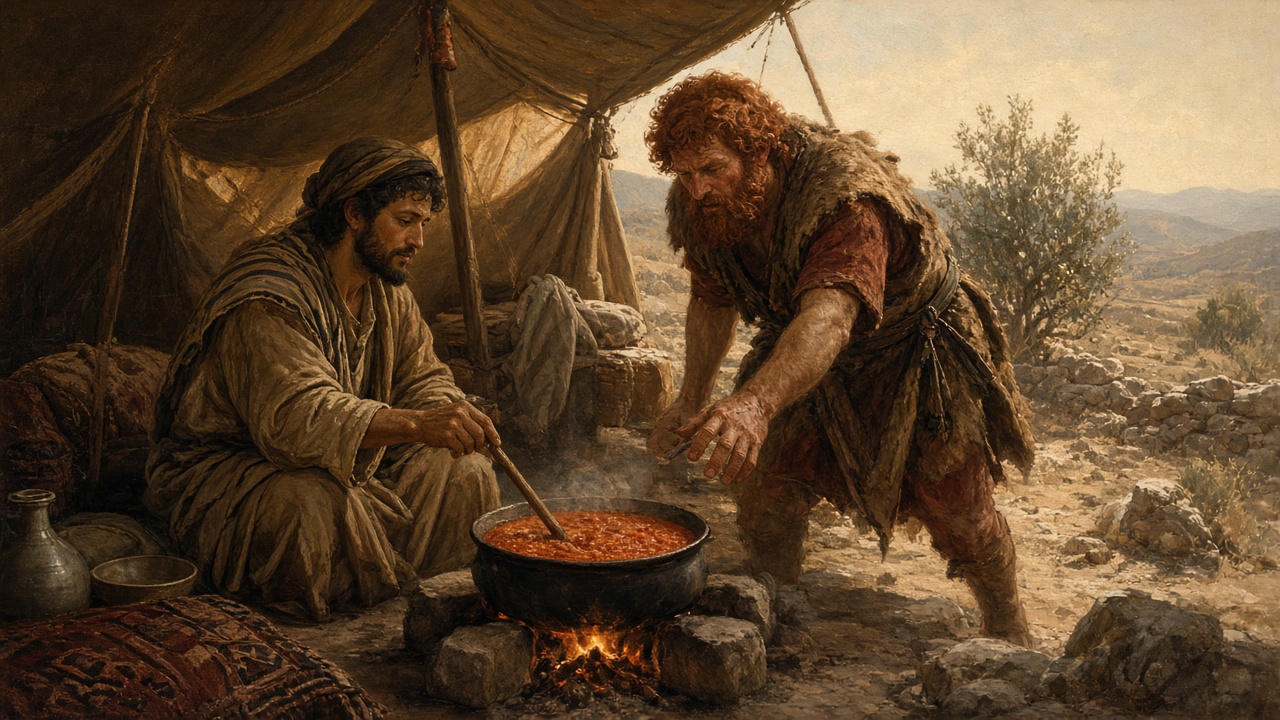
19Afum a Siyaka ŋ'aŋɛ, wan ka Abraham. Abraham okom Siyaka. 20Siyaka ɛnasɔtɔ meren wəco maŋkəlɛ (40) a k'endenɛncɛ Rebeka, wan wəran wəka Betuhɛl wəka Aram wəka Padaŋ-Aram, wəkirɛ ka Labaŋ wəka Aram. 21Kɔ Siyaka ontola MARIKI teta wəran kɔn, bawo ɛnakom fɛ wan. Kɔ MARIKI ene kətola kɔn. Kɔ wəran kɔn Rebeka ɛmbɛkəs. 22Kɔ awut ŋayɛfərɛnɛ kɔ kor disrɛ, kɔ Rebeka eyifnɛ: «Ak'ender im tantɛ-ɛ?» K'ɔŋkɔ pəkornɛ MARIKI. 23Kɔ MARIKI oloku kɔ: «Afum a tɔf mɛrəŋ ŋay'əm dəkor, afum mɛrəŋ akakɔ ŋandegbɛyɛnɛ kəwur əm dəkor. Afum a wəkin nwɛ ŋandetasərnɛ aka wəka mɛrəŋ. Wəbeki endeyi wəfɛt tantɔf.» 24Dəŋkom dɔn k'anəŋk a cəberi cəyi kɔ dəkor. 25Dəŋkom daŋan, kɔ wəcɔkɔ-cɔkɔ ender pəla cəfon cəyim dəris pəmɔ wɛsɛm, k'awe kɔ Esayu. 26Kɔ tencepər, kɔ wəka mɛrəŋ ender pəsumpər atek ŋa wəcɔkɔ-cɔkɔ. K'awe wəkakɔ Yakuba. Siyaka pəsɔtɔ tɛm tatɔkɔ oŋ meren wəco camət tin (60) a k'andekomɛ kɔ awut akaŋɛ. 27Kɔ awut arkun aŋɛ ŋambɛk. Kɔ Esayu ende pəyɔnɛ wəpɛn wətɔt, wəbɔtər kəyɛksɛ-yɛksɛ dəkulum kətɛn ka sɛm yɛpɛn, kɔ Yakuba nkɔn ɔyɔnɛ wəyi wəka dare, wətɔsimsɛ dis pəbɔtər kəndɛ d'abal. 28Siyaka ɛnabɔtər Esayu bawo ɛnabɔtər sɛm nyɛ Esayu ɛncpɛn mɔ. Rebeka nkɔn pəbɔtər Yakuba. 29Dɔsɔk dɔlɔma kɔ Yakuba oncoŋər mɛnc, kɔ Esayu ender pəyɛfɛ dəkulum dis dɔlɔl kɔ. 30Kɔ Esayu oloku Yakuba: «Məpoc'em, ilɛtsɛn'am idi pəyim pam papɔkɔ bawo dis dɔlɔl im.» Ti tɔ asɔŋɛ Esayu tewe ta «Edɔm». 31Kɔ Yakuba oloku Esayu: «Məwayər im mɔkɔ dəkəcəmɛ da debeki dam.» 32Kɔ Esayu oloku kɔ: «In'ɛwɛ icfi, ake dəkəcəmɛ da debeki dadɔkɔ dendeyɔ em-ɛ?» 33Kɔ Yakuba oloku: «Mədɛrəm'em kərɛsna.» Kɔ Esayu ɛndɛrmɛ Yakuba k'ɛwayər kɔ dəkəcəmɛ da debeki dɔn. 34Kɔ Yakuba ompocɛ Esayu kəcom, kɔ mɛnc mamɔkɔ. Kɔ Esayu endi yeri yayɔkɔ, k'omun, k'ɛyɛfɛ k'ɔŋkɔ. Tatɔkɔ tɔ Esayu ɛnagbal dəkəcəmɛ da debeki dɔn.
¿Sabías que…?
Los herederos de Abraham y los hermanos gemelos
- Cetura, cuyo nombre el Easton's Bible Dictionary (1897) explica como “incienso”, aparece aquí como otra esposa de Abraham. Ese diccionario dice que probablemente se casó con ella después de la muerte de Sara, aunque se desconoce su nacionalidad, y señala que 1 Crónicas la llama concubina. Ella le dio seis hijos, entre ellos Jocsán y Madián, padre de los madianitas; mientras Abraham aún vivía, dio regalos a los hijos de sus concubinas y los alejó de Isaac, enviándolos a la tierra de oriente.Fuentes: Keturah · Midian · el propio texto bíblico
- Isaac e Ismael juntos enterraron a Abraham en la cueva de Macpela, cerca de Mamre, en el campo que Abraham había comprado a Efrón el hitita, donde Sara ya había sido enterrada. El Easton's Bible Dictionary (1897) explica Macpela como “porción” o “cueva doble”, situada en la ladera de un monte al este de Hebrón y frente a Mamre, un lugar llamado las encinas —o, en un margen, los terebintos— de Mamre.Fuentes: Machpelah · Mamre · el propio texto bíblico
- Esaú, el gemelo primogénito de Rebeca, nació rojizo y cubierto de pelo como un abrigo de piel. El Easton's Bible Dictionary (1897) vincula el otro nombre, Edom, “rojo”, con el guiso rojo de lentejas por el que vendió el derecho de primogenitura, y explica a Jacob como “el que sigue los talones de otro” o “suplantador”, en consonancia con el relato de que Jacob nació agarrado al talón de Esaú. Esaú creció como un cazador hábil y hombre del campo, mientras que Jacob era un hombre tranquilo que se quedaba en casa.Fuentes: Esau (Edom) · Jacob (Israel) · el propio texto bíblico
Notas escritas con ayuda de IA a partir de fuentes abiertas (Theographic Bible Metadata, CC BY-SA 4.0; Easton’s Bible Dictionary, dominio público) y revisadas antes de publicarse.
Lugares de este capítulo
- East · Hoy: region around Amman · 31.955, 35.934 · versículo 6
- Machpelah · Hoy: Cave of the Patriarchs · 31.525, 35.111 · versículo 9
- Negeb · 31.245, 34.841 · versículo 11
- Assyria · 36.359, 43.153 · versículo 18
- Egypt · 30.129, 31.308 · versículo 18
Solo aparecen lugares identificados con alta confianza (90 % o más según las fuentes académicas reunidas por OpenBible). Mapa de la época: DARE (Digital Atlas of the Roman Empire), CC BY 4.0; mapa actual: © colaboradores de OpenStreetMap; lugares: OpenBible.info (CC BY 4.0).
Créditos y licencia de esta traducción
Kitabu ka Kanu
Portions of the Holy Bible in the Baga Sitemu language of Guinea
Des portions de la Sainte Bible dans la langue Baga Sitemu de Guinée
copyright © 2015 Pioneer Bible Translators
Language: Baga Sitemu
Translation by: Traducteurs Pionniers de la Bible
Contributor: Pioneer Bible Translators
This translation is made available to you under the terms of the
Creative Commons Attribution Share-Alike license 4.0.
You have permission to share and redistribute this Bible translation in any format and to make reasonable revisions and adaptations of this translation, provided that:
You include the above copyright and source information.
If you make any changes to the text, you must indicate that you did so in a way that makes it clear that the original licensor is not necessarily endorsing your changes.
If you redistribute this text, you must distribute your contributions under the same license as the original.
Pictures included with Scriptures and other documents on this site are licensed just for use with those Scriptures and documents.
For other uses, please contact the respective copyright owners.
Note that in addition to the rules above, revising and adapting God's Word involves a great responsibility to be true to God's Word. See Revelation 22:18-19.
2025-04-29
Fuente: http://ebible.org/bsp/ · eBible.org