Zacarías 9
Awajún [Aguaruna] · Toca un versículo para ver sus referencias cruzadas.
Acerca de este libro
Acerca de Zacarías
- El Easton's Bible Dictionary (1897) presenta a Zacarías como profeta de Judá, el undécimo de los doce profetas menores y, como Ezequiel, de linaje sacerdotal. Él se llama hijo de Berequías, mientras que Esdras lo llama hijo de Iddo, a quien Easton identifica como su abuelo. Easton fecha el comienzo de su labor profética en el segundo año de Darío, 520 a. C., unos dieciséis años después de que el primer grupo volviera del exilio, y señala que fue contemporáneo de Hageo.Fuentes: Easton: Zechariah · Zechariah
- Zacarías habló a personas que habían vuelto del exilio. Zorobabel, conocido también por el nombre persa Sesbasar, guió al primer grupo que regresó y, en el segundo año después del retorno, construyó un altar y puso los cimientos del templo sobre las ruinas de la casa destruida por Nabucodonosor. Josué, hijo de Josadac, era sumo sacerdote bajo Zorobabel, y Easton dice que las visiones de aquella noche buscaban consolar a estos exiliados que habían regresado y despertar esperanza.Fuentes: Easton: Zechariah · Zerubbabel · Joshua
- Easton divide el libro en dos partes, los capítulos 1-8 y los capítulos 9-14. La primera se abre con un prefacio que recuerda el pasado de la nación como advertencia solemne, luego ocho visiones en una sola noche y la coronación simbólica de Josué; los capítulos 7 y 8, dados dos años después, responden si el luto por la destrucción de la ciudad debía continuar y animan al pueblo con la certeza de la presencia y la bendición de Dios. La segunda parte no tiene fecha. Easton cree que un intervalo considerable la separa de la primera y describe sus dos cargas como los tratos de Dios hasta el Advenimiento y como gloria, conflicto final y triunfo en lo que él llama el día postrero.Fuentes: Easton: Zechariah
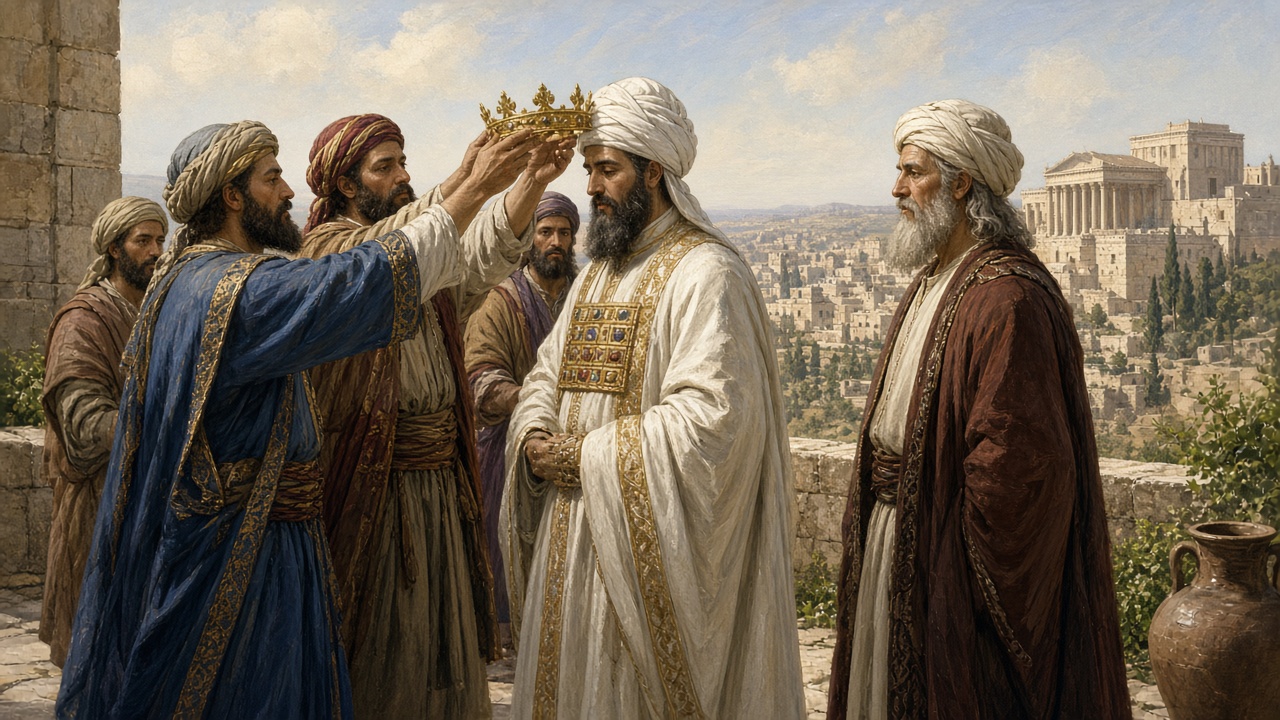
- Easton explica que el nombre Zacarías significa que Jehová es renombrado o recordado. Una escena notable es la coronación simbólica de Josué; Easton la lee como la muestra de cómo los reinos del mundo llegan a ser el reino del Cristo de Dios. Helem, nombrado en Zacarías 6:10, se identifica como alguien que volvió de Babilonia.Fuentes: Easton: Zechariah · Helem · Joshua
Notas escritas con ayuda de IA a partir de fuentes abiertas (Theographic Bible Metadata, CC BY-SA 4.0; Easton’s Bible Dictionary, dominio público) y revisadas antes de publicarse.
Israel aents aidaun apuji atin pachisa etsegkamu
9¡Yaakat Jerusalégnumia aidautigmek shiig aneastajum!
¡Shiig aneakjum kantamatajum!
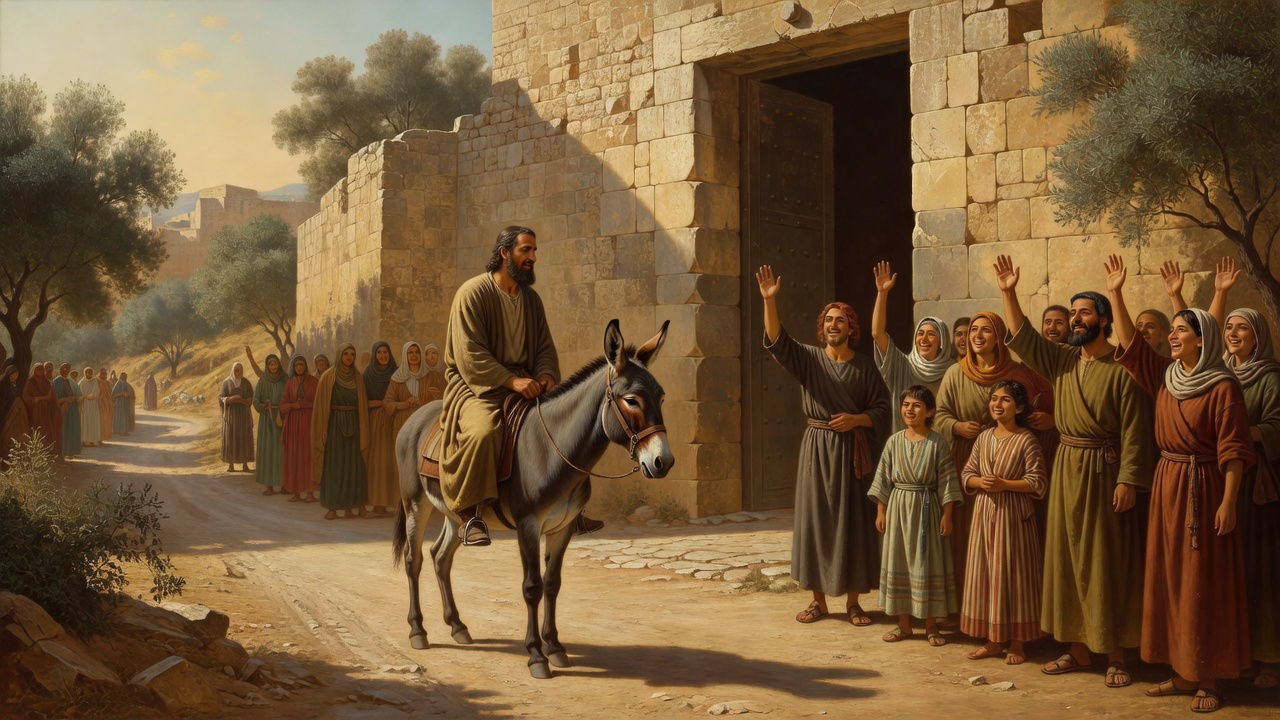
¡Amina apujum burro tsakatnum entsatkau minitjamui!
Imanchauch wajakin, pegkejam, pegkegchaun takachu,
amina yaimpak depetmitkagmaktatus minawai.
10Efraín wegantu aidaun carroji aidaunak,
flecha akenka nagkimtai aidaujai ashí tsaiktatui,
dutikak Jerusalégnumia caballo aidaunashkam ijinattawai.
Israel nugkanmak ashí depetmaktatui,
nunik ashí tikich aents aidaush agkan batsamsatnume titatui.
Tuja niig nayants jinagbau aina imanui nagkamas,
namak Eufratesa aatus ashí nugkanum inamjatnai,
nii inabaujig nagkatkauk achatnai.
Apajuí niina aentsji aidaun yainka ataktu inantaitin
11Tuke Pujuu chichaak:
“Jerusalégkah, wi amejai numpai chichaman
umikuitag nuna betek umiakun,
yumigmat taimu yumi atsaig ashí
jinaajum chimpigjum nunak jiijan uwemtijattajime.
12Achija yajuakam tikich nugkanum batsatutigmek
yaakat shiig peeja umikbauwa nuwi waketjattagme.
Yamaik atum waitiajum nuna nagkaesau,
pegkegnum yumigsattajime,
nuadui shiig aneasjum batsamsattajume.
13Judá wegantu aidauk arcojai betek,
tuja Israel wegantu aidauk flechajai betek,
tuja Jerusalégnak puyagjai betek awajsattajai,
dutikan ditajai griego aents aidaunak ijinattajai”, tawai.
14Tuke Pujuu ditan jetektajum tusa titata nunak,
dita nagki akenbaujig peemjai betek agtinai,
Apajuí kachun umpuag tsumujinia dasenum pachitkau wetinai.
15Tuke Pujuu ashí senchigtina nunú
niina aentsji aidaunak kuitamkatnai,
dutikamu asag dita shiwaaji aidaunak depetuk
najakag ashí amukagtinai.
Aatus depetmakaju asag, shiig aneenak
altar ukatkatasa numpa tsapanum aimka jutaya
imatika aimak vinon umuinak nampejag shiig aneenak pampainiagtinai.
16Nunú tsawan jegakuig, mina aentsug aidaunak,
uwija kuitamin uwigjin ayamjina numamtuk
wi ayamjukan uwemtikjatnaitjai,
dutika ai dita nugken waketug batsamsag
kaya pegkeg winchamtin juki atsejutai najanamu winchantuwama iman agtinai.
17¡Yajauwajah, nuwauch aidau,
uchi datsauch aidau shiig yuwawag senchigtin
shiig aneas dakunkut juju nugkanum batsatbau!
¿Sabías que…?
Juicio a las Naciones y la Llegada del Rey Pacífico
- El oráculo describe a Tiro acumulando plata como polvo y oro como lodo antes de que sus fortificaciones y riquezas sean arrojadas al mar. Históricamente, Tiro era una destacada ciudad costera fenicia cuyos mercaderes navegaban por el Mediterráneo y reunían inmensas riquezas comerciales de colonias lejanas en sus almacenes.Fuentes: Tyre · el propio texto bíblico
- Zacarías predice el juicio sobre ciudades filisteas como Gaza, Ascalón, Asdod y Ecrón, pero señala que Ecrón llegaría a ser como un clan en Judá. Ecrón era la más septentrional de las cinco grandes ciudades filisteas y constituía un poder vecino independiente antes de esta visión profética de asimilación.Fuentes: Ekron · el propio texto bíblico
- El texto llama a la Hija de Sion a celebrar la llegada de un rey justo que monta un asno y desarma los carros de combate y caballos de Efraín y Jerusalén. Sion era la colina fortificada al sureste de Jerusalén donde David construyó su ciudadela, representando el centro real de la nación.Fuentes: Zion · el propio texto bíblico
Notas escritas con ayuda de IA a partir de fuentes abiertas (Theographic Bible Metadata, CC BY-SA 4.0; Easton’s Bible Dictionary, dominio público) y revisadas antes de publicarse.
Lugares de este capítulo
- Aram · 33.511, 36.306 · versículo 1
- Damascus · 33.511, 36.306 · versículos 1, 2
- Hamath · Hoy: Hama · 35.136, 36.750 · versículo 2
- Sidon · Hoy: Sandikli archaeological site in Sidon · 33.561, 35.372 · versículo 2
- Tyre · 33.271, 35.196 · versículos 2, 3, 4, 5
- Ashkelon · Hoy: Tel Ashkelon · 31.664, 34.546 · versículo 5
- Ekron · Hoy: Tel Miqne · 31.777, 34.852 · versículos 5, 7
- Gaza · Hoy: Tell Harube · 31.504, 34.464 · versículo 5
- Ashdod · Hoy: Tel Ashdod · 31.757, 34.658 · versículo 6
- Philistia · 31.664, 34.546 · versículo 6
- Jerusalem · 31.777, 35.234 · versículos 9, 10
- Zion · Hoy: Jerusalem · 31.777, 35.234 · versículos 9, 13
- Euphrates · Hoy: Euphrates River · 31.004, 47.442 · versículo 10
- Greece · 37.972, 23.727 · versículo 13
Solo aparecen lugares identificados con alta confianza (90 % o más según las fuentes académicas reunidas por OpenBible). Mapa de la época: DARE (Digital Atlas of the Roman Empire), CC BY 4.0; mapa actual: © colaboradores de OpenStreetMap; lugares: OpenBible.info (CC BY 4.0).
Créditos y licencia de esta traducción
Awajún [Aguaruna]
Aguaruna: Awajún [Aguaruna] (Bible)
copyright © 2020 Wycliffe Bible Translators, Inc.
Language: Aguaruna
Translation by: Wycliffe Bible Translators
Contributor: Wycliffe Bible Translators, Inc.
Aguaruna
agr
Peru
Copyright Information
© 2008, Wycliffe Bible Translators, Inc. All rights reserved.
This translation text is made available to you under the
terms of the Creative Commons License: Attribution-Noncommercial-No Derivative Works.
( http://creativecommons.org/licenses/by-nc-nd/3.0/ )
In addition, you have permission to port the text to different file formats, as long as you
do not change any of the text or punctuation of the Bible.
You may share, copy, distribute, transmit, and extract portions
or quotations from this work, provided that you include the above copyright
information:
You must give Attribution to the work.
You do not sell this work for a profit.
You do not make any derivative works that change any of the actual words or punctuation of the Scriptures.
Permissions beyond the scope of this license may be
available if you contact
us with your request.
The New Testament
in Aguaruna
This translation is made available to you under the terms of the
Creative Commons Attribution-Noncommercial-No Derivatives license 4.0.
You may share and redistribute this Bible translation or extracts from it in any format, provided that:
You include the above copyright and source information.
You do not sell this work for a profit.
You do not change any of the words or punctuation of the Scriptures.
Pictures included with Scriptures and other documents on this site are licensed just for use with those Scriptures and documents.
For other uses, please contact the respective copyright owners.
2025-04-26
Fuente: http://ebible.org/agr/ · eBible.org