Malaquías 1
Awajún [Aguaruna] · Toca un versículo para ver sus referencias cruzadas.
Acerca de este libro
Sobre Malaquías
- El Easton's Bible Dictionary (1897) presenta a Malaquías, nombre que significa "mensajero" o "ángel", como el último de los profetas menores y el autor del último libro del canon del Antiguo Testamento. No se sabe nada de él más allá de lo que contiene su libro de profecías.Fuentes: Easton: Malachi · Malachi
- Algunos han supuesto que el nombre es simplemente un título para un mensajero de Jehová, y no un nombre propio. El Easton's Bible Dictionary (1897), sin embargo, concluye que hay razón para considerar que Malaquías era el nombre habitual del profeta.Fuentes: Easton: Malachi · Malachi
- El Easton's Bible Dictionary (1897) fecha las profecías hacia 420 a. C., después del segundo regreso de Nehemías desde Persia, o posiblemente antes de ese regreso. Como Esdras no lo menciona y él no habla de la restauración del templo, el diccionario infiere que profetizó después de Hageo y Zacarías.Fuentes: Easton: Malachi
- El Easton's Bible Dictionary (1897) trata a Malaquías como contemporáneo de Nehemías, al comparar Malaquías 2:8 con Nehemías 13:15 y Malaquías 2:10-16 con Nehemías 13:23. También señala que los servicios del templo aún existían, citando Malaquías 1:10, 3:1 y 3:10.Fuentes: Easton: Malachi
Notas escritas con ayuda de IA a partir de fuentes abiertas (Theographic Bible Metadata, CC BY-SA 4.0; Easton’s Bible Dictionary, dominio público) y revisadas antes de publicarse.
Yama nagkamchaku agagbau
1Israel aents aidaun ujakti tusa Tuke Pujuu profeta Malaquíasan akatjauwa duka jujuwai:
2Tuke Pujuu chichaak: “Wika atumnak aneajime”, tujamui. Tusa tujamaig atum chichaakjum: “¿Amesh jutiish wajuk anejatme?” tajume. Tusa tajumin Tuke Pujuu chichaak: “Wika atumnak Esaú Jocobjai jimagmamu aig, Jacopan anejakuitag dutiksanuk atumnashkam aneajime.
3“Tuja Esaúnak dakitjauwaitjai. Dutikau asan, niina nugke muja pegkeg ikam tepau aajakua nunak emestujan pegkegchau, uwejush ayatak kuntinun batsamtai awajtusuitjai”, tawai Apajuí.
4Tuja Esaú wegantu Edom aents aidau chichainak: “Iina yaaktaji aidaunak tsaigtamkau ainawai, dutikau ainakuish ataktu yaaktamkagmi”, tumain ainawai. Tusa tiagtai Tuke Pujuu ashí senchigtina nunú chichaak: “Yaaktamkatnume, dutikawagmataish wi nunak ataktu tsaigkagtatjai. Dita nugkeg: ‘Aents pegkegchau aidaun batsamtai’ tutai atinai. Tuja ‘nuwiya aents aidauk Apajuí tuke kajegtai agtin’ tutai atinai.”
5Nunú wainkajum chichaakjum: “¡Apajuín senchijiya nunak Israel aents aidaun nugkega nuna nagkaiki aents batsamin aidaush ememattinme!” titinaitjume.
Sacerdote aidau Apajuín shiig takagsachagbau
6Tuke Pujuu ashí senchigtina nunú sacerdote aidaun chichajak: “Uchi aidauk dita apajinak umijuinawai, tuja inak aidaushkam dita parjugjin umijuinawai. Tuja wi atumin Apajuíjiyaitag nuniaish ¿wagka minash eme anenjusjumesh diigtsugme? Tuja wi atumin apugmitag nuniaish ¿wagka ajaantugsagmesh diigtsugme? Atumek minak dakitjagme, nuniakjum: ¿Iish amina daagmesh wajutiya dakitjaish idaisabiaji? tajume.
7“Atumek pag pegkegchau aidau jukijum mina altarjui itagme. Nuniayatkujum: ¿Iish waji pegkegchauwa dutikaji? tajume. Atum aidautijum mina altarjua nunú ajaantusa diitsuk wainkaya nunin diyajum nunú minak kajetan sujawai. 8Kuntin wainmachu aidau, shutuu aidau, jau aidau mina sujakjum, pegkeg takaji tajume. Diik nunú yajuakjum atumi apujum aidau susakjua ditash shiig aneasampash jukiajat.
9“¿Apajuí anentag suwaji tusajum aanin pegkegchau aidau ikaunmayatkugmek, Apajuí ii segamun antugtamak wait anenjamjati tusajum dakagjum? Witjai Tuke Pujuu ashí senchigtinnuk. Tuja juna shiig dekatnume tusan wakegajai: 10¡Wika mina jegajun waitiji aina duka epennati tusan wakegajai! Ataktu awagkijum anentag susami tusajum, aanin pegkegchau aidau ikaunmajum mina altarjui wainka apeawaijum tusan dakitajai, wagki wika atumnak kajegkajime, nuadui makichkish jujukchattajime.
11“Ashí nugkanum mina eme anenjus diijuina duka, mina emematjuinak kugkuin incienson apeenak, dekas anentag pegkeg wisha wakemain aidaun itagtuinawai. 12Tujash atum sacerdote aidautigmek minak ajaantugsagmek diigtsugme. Nuadui midau altar, mina mesajua nunú pegkegchau diyakjum, nuwi anentag mina sujusbau yutai aina dushakam tsumain diyagme.
13“Tuja atum chichaakjum: ‘¡Jutiká pujutak iik yawetjaji!’ tajume. Tau asajum, kuntin kasamkamu, baka shutuu, nuniachkush jamamtin jukijum, juju maa apeaku Apajuí shiig anemtiksami tajume. Duka minak makichkish shiijak awajtatsui, atumek duka mina dushiktakjum aikagme. 14¡Kuntin shiig pegkeg, mina anagtuamun yapajia ukuak, tikich kuntin pegkegchaun juki mina anentag itagta duka aentsuk tikima shiig pegkegchau atinai! Witjai dekas apunuk, wika aents aidaun ishamtayaitjai”, tusa Tuke Pujuu ashí senchigtina nunú tawai.
¿Sabías que…?
La honra a Dios y los sacrificios defectuosos
- El nombre Malaquías significa mensajero o ángel. Aunque algunos han sugerido que se trataba de un título en vez de un nombre propio, la tradición lo considera el nombre del profeta, ubicando su ministerio en la época de Nehemías, después de Hageo y Zacarías.Fuentes: Malachi
- El mensaje inicial evoca a los hermanos gemelos Jacob y Esaú, antepasados de Israel y Edom. El texto contrasta el amor del pacto con Israel frente a la desolación que sobrevendría sobre la región montañosa de Edom.Fuentes: Esau (Edom) · Jacob (Israel) · Edom · el propio texto bíblico
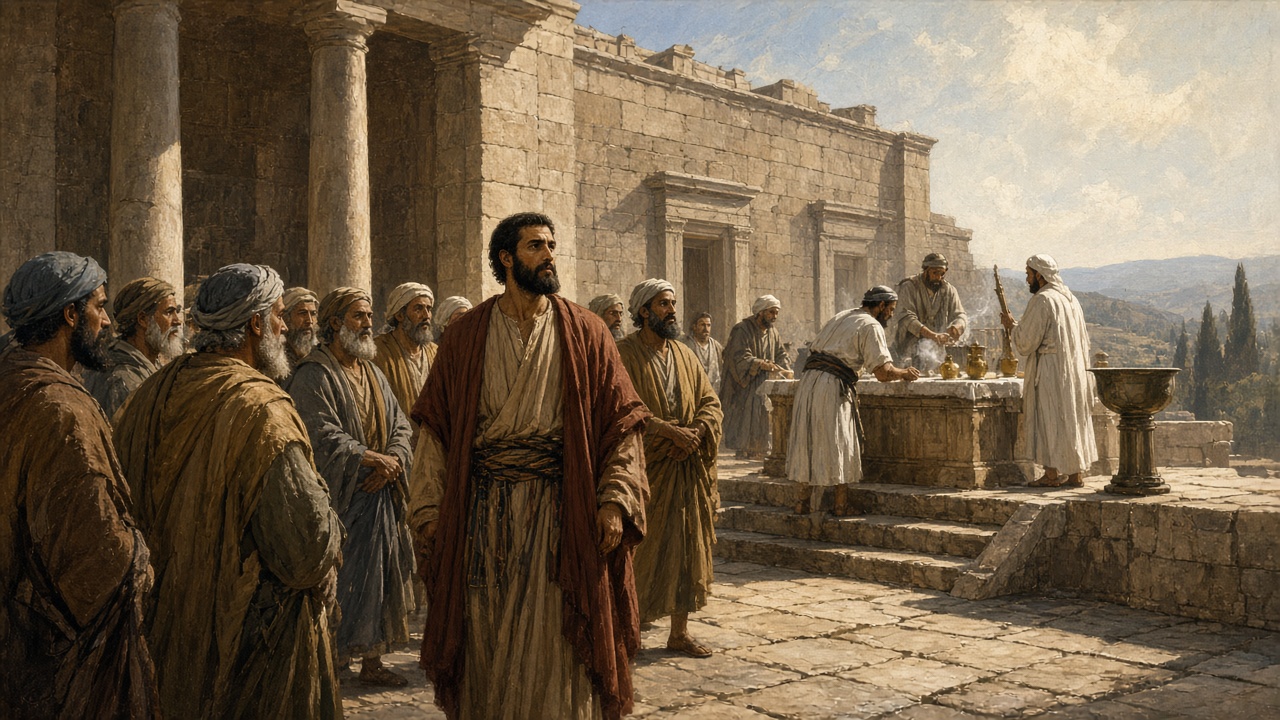
- Los sacerdotes son reprendidos por presentar sobre el altar animales ciegos, cojos y enfermos en lugar de animales sanos. Malaquías evidencia su falta de respeto preguntando si acaso un gobernador aceptaría tales ofrendas defectuosas.Fuentes: el propio texto bíblico
Notas escritas con ayuda de IA a partir de fuentes abiertas (Theographic Bible Metadata, CC BY-SA 4.0; Easton’s Bible Dictionary, dominio público) y revisadas antes de publicarse.
Lugares de este capítulo
- Edom · 30.746, 35.604 · versículo 4
Solo aparecen lugares identificados con alta confianza (90 % o más según las fuentes académicas reunidas por OpenBible). Mapa de la época: DARE (Digital Atlas of the Roman Empire), CC BY 4.0; mapa actual: © colaboradores de OpenStreetMap; lugares: OpenBible.info (CC BY 4.0).
Créditos y licencia de esta traducción
Awajún [Aguaruna]
Aguaruna: Awajún [Aguaruna] (Bible)
copyright © 2020 Wycliffe Bible Translators, Inc.
Language: Aguaruna
Translation by: Wycliffe Bible Translators
Contributor: Wycliffe Bible Translators, Inc.
Aguaruna
agr
Peru
Copyright Information
© 2008, Wycliffe Bible Translators, Inc. All rights reserved.
This translation text is made available to you under the
terms of the Creative Commons License: Attribution-Noncommercial-No Derivative Works.
( http://creativecommons.org/licenses/by-nc-nd/3.0/ )
In addition, you have permission to port the text to different file formats, as long as you
do not change any of the text or punctuation of the Bible.
You may share, copy, distribute, transmit, and extract portions
or quotations from this work, provided that you include the above copyright
information:
You must give Attribution to the work.
You do not sell this work for a profit.
You do not make any derivative works that change any of the actual words or punctuation of the Scriptures.
Permissions beyond the scope of this license may be
available if you contact
us with your request.
The New Testament
in Aguaruna
This translation is made available to you under the terms of the
Creative Commons Attribution-Noncommercial-No Derivatives license 4.0.
You may share and redistribute this Bible translation or extracts from it in any format, provided that:
You include the above copyright and source information.
You do not sell this work for a profit.
You do not change any of the words or punctuation of the Scriptures.
Pictures included with Scriptures and other documents on this site are licensed just for use with those Scriptures and documents.
For other uses, please contact the respective copyright owners.
2025-04-26
Fuente: http://ebible.org/agr/ · eBible.org