Amos 7
Bibiri Kuyie Nnɑ́ɑǹtì Pɑ́tíri · Tap a verse to see its cross-references.
Kuyie mbɛnkɛmɛ̀ Amɔɔsi fɛcofɛ
1Kɛ̀ ti Yiɛ̀ nKuyie nni mbɛnkɛ mɛbɛnkùmɛ̀ mɑmɛ̀, kɛ̀ n yɑ̀ fɛcofɛ dɑ̀tínnɛ́mɛ̀ kɛ dò ndiwɛtirì kɛ sɔ̃́ mbɛ̀ kɛ̃ĩ́ okpɑ̀ɑ̀tì sɑ̃mmútì kɛ̀ tì bo kɛ dɔ́ kɛ́puku. 2Kɛ̀ fɛɛcofɛɛ dɛ́útóo timútì kɛ́ndɔ́ kɛ́ tì dèè kɛ̀ n kuɔ́nko kɛ dɔ̀: Áú! Ti Yiɛ̀ nKuyie nti kuɔ́ mmɛsémmɛ̀ kɛ̀ mɛɛ̀ dɔkɛ Sɑkɔbu kó kufuku í sũ bɛ̀ í yó nkpɑɑ́. 3Kɛ̀ ti Yiɛ̀ nKuyie nceetɛ ku yɛ̀mmɛ̀ kɛ bɛ́i nkɛ dɔ̀: Dɛ̀ í yóó tuɔ̀kɛní.
Kuyie nyìɛ́ kɛ bɛnkɛmɛ̀ Amɔɔsi muhɑ̃ɑ̃́
4Kɛ̀ ti Yiɛ̀ nKuyie nni mbɛnkɛ muhɑ̃ɑ̃́, kɛ́ mù yùní kɛ̀ mùu cɔ́útɛ́ kɛtenkɛ̀ miɛkɛ kó mɛniɛ, kɛ́ mɛ̀ sũ̀ɔ̃̀too, kɛ̀ dɛpɑɑ ncɔ́útóo. 5Kɛ̀ n kuɔ́nko kɛ dɔ̀: Áú! Ti Yiɛ̀ nKuyie nti kuɔ́ mmɛsémmɛ̀ kɛ̀ mɛɛ̀ dɔkɛ Sɑkɔbu kó kufuku í sũ kù bɑ́ nkpɑɑ́. 6Kɛ̀ ti Yiɛ̀ nKuyie nceètɛ ku yɛ̀mmɛ̀ kɛ bɛ́i nkɛ dɔ̀: Dɛndɛ múnkɛ í yóó tuɔ̀kɛní.
Kuyie mbɛnkɛmɛ̀ Amɔɔsi kuhɔ̃ũ kùù cɑ̀ɑ́tí dibiɛrìmínnì
7Kɛ̀ n yɑ̀ ti Yiɛ̀ nKuyie nkɛ̀ kù còḿmú kuduotí mɑkù ĩ́nkɛ̀ kɛ pikú kuhɔ̃ũ kɛ̀ kù cɑ̀ɑ́tí dibiɛrìmínnì. 8Kɛ̀ kù m bekɛ kɛ dɔ̀: Amɔɔsi ɑ yɑ̀ bɑ? Kɛ̀ n dɔ̀: N yɑ̀ kuhɔ̃ũ kùù cɑ̀ɑ́tí dibiɛrìmínnì. Kɛ̀ kù dɔ̀: N yóó tɑ̃ũ kuhɔ̃ũ nku kùù cɑ̀ɑ́tí dibiɛrìmínnì n kɔbɛ Isidɑyɛɛribɛ ĩ́nkɛ̀ kɛ́yɑ̀ kɛ̀ bɛ̀ sìɛ́. N tɛ̃́nkɛ í yóó bɛ̀ cĩ̀ɛ̃́, mbìtì!
9Isɑki yɑɑ̀bí kó yɛwũɔ̃tɔ̀rɛ̀ bo dɔúnko,
kɛ̀ Isidɑyɛɛribɛ kó yɛtɔ̀rɛ̀ɛ nɑɑ́ ntidobontì.
Kɛ̀ n cómmú nɛ̀ disiè kɛ́wetínnɛ̀ Sedoboɑmmu cĩ́ɛ̃̀tɛ̀.
Amɑsiɑ nɛ̀ Amɔɔsi bɛ̀ pètɛmɛ̀ kɛ̀ bɛ̀ɛ bɛti Amɔɔsi Betɛɛdi
10Mɛm̀mɛ kɛ̀ Amɑsiɑ ikuɔ́ nìùtìi tɔ̃ nkɛ̀ bɛ̀ɛ nɑ́kɛ́ Isidɑyɛɛribɛ kóo kpɑ̀ɑ̀tì Sedoboɑmmu kɛ dɔ̀: Amɔɔsi dɔ́ kɛ́ dɑ bɔmmu kɑ̀ɑ tɛ̃́nkɛ bɑ́ ntú Isidɑyɛɛribɛ kóo kpɑ̀ɑ̀tì. Ti í dɔ́ kɛ́nyo ò nɑ̀ɑ́ ntì. 11Ò nɑ̀ɑ́ nkɛ tú:
Fɔ̃́ nSedoboɑmmu ɑ bo kú mudoò miɛkɛ
kɛ̀ bɛ̀ɛ pĩ́mmú Isidɑyɛɛribɛ
kɛ́kònnɛ̀ dɛdɛ́tirɛ̀.
12Mɛm̀mɛ kɛ̀ Amɑsiɑɑ nɑ́kɛ́ Amɔɔsi kɛ dɔ̀: Oyuwúoǹtì fɔ̃́! Kò nSudɑɑ tenkɛ̀ kɛ́nnɑ́ɑ́ nKuyie mpɑ̃ɑ̃nɑ́ɑǹtì kɛ pɛ́únɛ̀ mudiì. 13A tɛ̃́nkɛ bɑ́ mbo diɛ mBetɛɛdi kɛ́nɑ́ɑ́ nKuyie mpɑ̃ɑ̃nɑ́ɑǹtì kɛ yɛ̃́ okpɑ̀ɑ̀tì kó ditɔ̀nnì ndimɛ̀, tɛkpɑ̀ɑ̀tìcĩ́ɛ̃̀tɛ̀ kpɛri ndi.
14Kɛ̀ Amɔɔsii ò tɛ̃̀ńnɛ́ kɛ dɔ̀: N do í tú ti Yiɛ̀ nKuyie mpɑ̃ɑ̃nɑ́ɑǹtì nɑ́ɑǹtò, n ketɛ́ kɛ do í tú Kuyie mpɑ̃ɑ̃nɑ́ɑǹtì nɑ́ɑm̀bɛ̀ kó kufuku kou. N do tú onɑɑcɛ̃nti nwe kɛ fiiku dɛtie mbɛ̀ tu dɛ̀ sikomɔɔ. 15N do cɛ̃mmú n wũɔ̃ nyi, kɛ̀ ti Yiɛ̀ nKuyie nni nyú kɛ n nɑ́kɛ́ kɛ dɔ̀: Kɔtɛ kɛ́nɑ́kɛ́ n nìtìbɛ̀ Isidɑyɛɛribɛ m pɑ̃ɑ̃nɑ́ɑǹtì, 16di m̀mɔ̀nnì kéntɛ́ ti Yiɛ̀ nKuyie ntu n dɑ nɑ́kɛ́ tì: Fɔ̃́ nwèè tu m bɑ́ nnɑ́ɑ́ nKuyie mpɑ̃ɑ̃nɑ́ɑǹtì Isidɑyɛɛribɛ kpɛ́í, kɛ tú m bɑ́ nnɑ́ɑ́ nyIsɑki yɑɑ̀bí n kó tiyɛinnɑ́ɑǹtì. 17Nɛ̀ dɛ kpɛ́í ti Yiɛ̀ nKuyie ntu:
ɑ pokù bo yĩ́ onitipòkù wèè dɔuti dɔutinɛ̀ bɛnitidɑɑbɛ̀
kɛ̀ bɛ̀ nhò dɔutinɛ̀ kupììti dihɛì miɛkɛ,
kɛ̀ bɛ̀ɛ kuɔ ɑ bí
initidɑɑì nɛ̀ initipòì mudoò miɛkɛ,
kɛ́berí ɑ tenkɛ̀ kɛ totí,
kɛ̀ bɛ̀ dɑ kuɔ bɛtɔbɛ̀ tenkɛ̀ bɛ̀ í tũ ndɛ̀ Kuyie,
kɛ́pĩ́mmú Isidɑyɛɛribɛ kɛ́kònnɛ̀ dɛdɛ́tirɛ̀ dònninkonɛ̀ onitipòkù wèè yóu o dɔù kɛ dɔuti dɔutinɛ̀ bɛnitidɑɑbɛ̀.
Did you know?
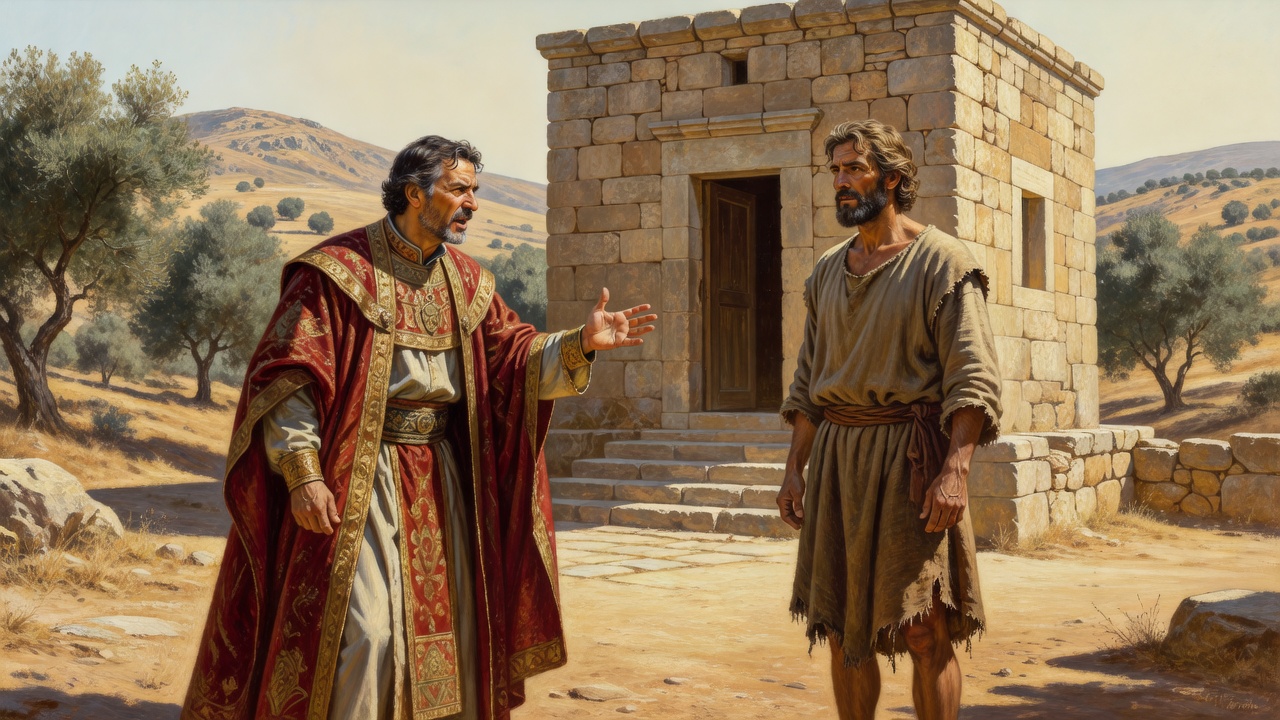
Visions of Judgment and the Confrontation at Bethel
- Unlike professional court prophets of his era, Amos was a herdsman and a cultivator of sycamore-fig trees from Tekoa in Judah. He emphasized that he was not trained in a prophetic guild, but was called directly by God to leave his flock and deliver messages of judgment to the northern kingdom of Israel.Sources: the Bible text itself · Amos
- Bethel served as a primary royal sanctuary for the northern kingdom of Israel, where kings maintained state-sponsored shrines. Amaziah, the priest serving there under King Jeroboam II, viewed Amos's prophecies as political treason and attempted to banish him back to Judah.Sources: the Bible text itself · Amaziah · Jeroboam · Bethel (of Palestine)
- Although the reign of Jeroboam II brought significant territorial expansion and material prosperity to Israel, Amos's visions warned that national destruction, the collapse of royal shrines, and impending exile were unavoidable.Sources: the Bible text itself · Jeroboam
Notes written with AI assistance from open sources (Theographic Bible Metadata, CC BY-SA 4.0; Easton’s Bible Dictionary, public domain) and reviewed before publishing.
Credits and license for this translation
Bibiri Kuyie Nnɑ́ɑǹtì Pɑ́tíri
The Holy Bible in the Ditammari language of Benin
copyright © 2001 SIM International
Language: Ditammari
Translation by: SIM
This translation text is made available to you under the
terms of the Creative Commons License: Attribution-Noncommercial-No Derivative Works.
( http://creativecommons.org/licenses/by-nc-nd/3.0/ )
In addition, you have permission to port the text to different file formats, as long as you
do not change any of the text or punctuation of the Bible.
You may share, copy, distribute, transmit, and extract portions
or quotations from this work, provided that you include the above copyright
information:
You must give Attribution to the work.
You do not sell this work for a profit.
You do not make any derivative works that change any of the actual words or punctuation of the Scriptures.
Permissions beyond the scope of this license may be
available if you contact
us with your request.
This translation is made available to you under the terms of the
Creative Commons Attribution-No Derivatives license 4.0.
You may share and redistribute this Bible translation or extracts from it in any format, provided that:
You include the above copyright and source information.
You do not make any derivative works that change any of the actual words or punctuation of the Scriptures.
Pictures included with Scriptures and other documents on this site are licensed just for use with those Scriptures and documents.
For other uses, please contact the respective copyright owners.
2022-05-31
Source: http://ebible.org/tbzsim/ · eBible.org