Amos 6
Bibiri Kuyie Nnɑ́ɑǹtì Pɑ́tíri · Tap a verse to see its cross-references.
Kuyie nkpɑ̀nnɛ̀ tì Siyɔ̃ɔ̃ kɔbɛ
1Mɛm̀mɛ kɛ̀ ti Yiɛ̀ nKuyie mbɛ́i nkɛ dɔ̀:
Di bo yɑ̀ díndi bɛ̀ɛ̀ kɑ̀ri bɛ̀tɛ̀ì Siyɔ̃ɔ̃ ɛì miɛkɛ,
bɛ̀ɛ̀ tɑ̃́ bɛmɑ́ɑ̀ Sɑmmɑrii tɑ̃rɛ̀ ĩ́nkɛ̀,
díndi bɛ̀ɛ̀ yɛ̀mmɛ̀ dò ndi tú bɛketibɛ̀ ibotí tɛì miɛkɛ,
Isidɑyɛɛribɛ cokóo díì borɛ̀ yɑ́ɑ̀bɑ?
2Kɔtɛnɛ̀ Kɑndee kɛ́yɑ̀
kɛ̀ di dèè mɛmmɛ di kɔtɛ Amɑti dihɛidiɛ̀,
kɛ́pɛ̃ɛ̃tɛ́ kɛ́kɔtɛ Kɑti Fidisitɛ̃ɛ̃bɛ ɛì,
di yɛ̀mmɛ̀ dò ndi pɛ̃ɛ̃tɛ́mu dɛ kó yɛkpɑ̀ɑ̀tìyɔɑ̀?
Di kó dikpɑ̀ɑ̀tìyuu pɛ̃ɛ̃tɛ́mu bɛ kpɛyɑɑ̀?
3Di yɛ̀mmɛ̀ dò ndi dɛ́tinkomu mɛyɛi,
di nɛ́ í yɛ̃́ kɛ dò ndi yũɔ̃nní kuyonku nku di cuokɛ̀.
4Díndi bɛ̀ɛ̀ duɔ́ yɛdúɔ̀ sɑ̀ɑ̀yɛ̀
bɛ̀ dɔ̀ɔ̀ yɛ̀ nɛ̀ yɛpɑ́pɑ́nìì,
kɛ yɑɑ nyɑɑ ndi kɑ̀rɛ̀ ĩ́nkɛ̀,
kɛ cɑ́ɑ́ nyɛpedɑkɛ̀ nɛ̀ yɑnɑɑdɑbɛ,
5kɛ diè, nkɛ wékíí mɛdiɛ̀, nkɛ bie ntikùtìdùùtì
kɛ tekíí Dɑfiti kɛ dɔɔri tikùtìdùùtì.
6Kɛ yɔ̃ mmɛnɑɑ̀ nnɛ̀ ibòòkɛ pɛ̃kùyì
kɛ pe mmɛkɔsɑ̀ɑ̀mɛ̀
bɑ́ di í yĩɛ̃̀kù mɛyɛi
mmɛ̀ɛ̀ doti Sosɛfu yɑɑ̀bí ĩ́nkɛ̀.
7Dɛɛ̀ kpɛ́í nte kɛ̀ bɛ̀ bo di pĩ́ ndi mmɔ̀nnì
kɛ di nií ntidɑɑtì kó fɛnɑfɛ ììkɛ̀ kɛ di kònnɛ̀,
dɛ mɔ̀nnì kɛ̀ mɛtuɔ̀ nkó yɛbɑɑ ndeè.
Kuyie nnɑ̀kɛ́mɛ̀ kù yóó pɔntɛmɛ̀ Sɑmmɑrii
8Kɛ̀ ti Yiɛ̀ nKuyie mbɛ́i nkɛ́pɑrìkɛ̀ nɛ̀ ku yètìrì kɛ dɔ̀:
Mí nKuyie Mpɑkɛdɑɑ míì bɛ́i nkɛ tú:
M pɛ̃̀mmu Isidɑyɛɛribɛ kó dikpɑ̀ɑ̀tìyuu kó tɛfentɛ̀
n yí dɔ́ kɛ́nwúó mbɛ kpɑ̀ɑ̀tìcɛ̃́ĩ,
n yóó dɛitɛmu n nɔ̀ùtɛ̀ dɛ kó dihɛì ĩ́nkɛ̀
kɛ̀ bɛ̀ɛ dì pɔ̀ntɛ.
9Bɑ́ kɛ̀ bɛnìtìbɛ̀ sùɔ́ ntɛcĩ́ɛ̃̀tɛ̀ mɑtɛ̀ miɛkɛ tɛpíítɛ̀ dɛ kó dihɛì miɛkɛ bɛ̀ bo kú. 10Kɛ̀ dɛ̀ dò nhòmɔù yentɛ́ tɛcĩ́ɛ̃̀tɛ̀ mɑtɛ̀ miɛkɛ kufɑ̃́ɑ̃́, nkòo tebitɛ kɔ̀tɛní kɛ bo tɔ bɛcíríbɛ̀ kɛ́cɔ́u, koò bekɛ́ kɛ yĩ: Òmɔù kpɑɑ́mu kɛnkɛ kufɑ̃ɑ̃́ miɛkɛ ɑ borɑ̀ɑ̀? Ò bo ò tɛ̃̀ńnɛ́ kɛ dɔ̀: Ɔ́ɔ̀! Kóò yèkìì tɛnɔ̀ùtɛ̀ kɛ dɔ̀: Yé yé yé bɑ́ɑ́ bɛ́i, dɛ̀ í dò nkɛ́yú ti Yiɛ̀ nKuyie nyètìrì di mmɔ̀nnì.
11Ti Yiɛ̀ nKuyie nkùù bɑkɛ́
kɛ̀ kùu bɛ́i nkɛ tú kù bo potɛ́ tɛcɛ̃diɛtɛ̀
kɛ̀ tɛ̀ɛ do kɛ́yɔurɛ yɔurɛ,
kɛ̀ tɛsɑ́mpɔ́tɛ̀ pɑ́ɑ́ iyiɛ.
Di bɑ́ mpɔtìnɛ̀ di wɛ̃rímú
12Sisɛ̃ĩ́ í cokù tipètì ĩ́nkɛ̀,
bɛ̀ í duɔ̀nɛ̀ inɑ̀ɑ̀kɛ dɑ̀mɛ́ɛ̀rì miɛkɛ.
Kɛ̀ díndi nɛ́ cèètɛ tibeéntì kɛ̀ tì tiikɛ
kɛ nɑɑ́ mmɛdɔ̀mmɛ̀ kɛ yɛ̃ ntóróó kɛ dòntɛnɛ̀ diyĩ́ɛ̃̀nnì.
13Kɛ̀ di yɛ̀mmɛ̀ nɑɑtinɛ̀ Dodebɑɑ ɛì kɛ̀ di pɔtì kɛ tú: Nɛ̀ ti kó muwɛ̃rímú mmu ti fìetɛmɛ̀ Kɑdinɑimmu ɛì Diyènnì dɛ̀ɛ̀ bɛnkú muwɛ̃rímú, Tenketɛ́ 14:5 bɛ̀ nɑ̀ɑ́mmu dɛ kóò Kɑrinɑimmu kpɛ́í. 14Dɛɛ̀ te mí ndi Yiɛ̀ nKuyie Mpɑkɛdɑɑ kɛ̀ n yóó duɔ́ nkɛ̀ ibotí tɛì kɔbɛɛ di fɛ̃́ũ nkɛ́túótɛ́ Debo-Amɑti ɛì kɛ́ntɔ kɛ́tuɔkɛnɛ̀ Adɑbɑ kó kukó.
Did you know?
Complacency and Impending Exile
- Amos addresses the ruling elite who felt secure in both Zion, the fortified hill of Jerusalem, and Mount Samaria, the capital of the northern kingdom built on an elevated summit by King Omri. Despite the natural defenses and prestige of these cities, their leaders are warned that their ease and overconfidence would end in captivity.Sources: Zion · Samaria · the Bible text itself
- The prophet challenges Israel to look at renowned foreign cities such as Calneh near the Euphrates, Hamath on the Orontes in Upper Syria, and the Philistine stronghold of Gath. These neighboring powers were neither smaller nor less protected, yet they could not escape destruction.Sources: Calneh · Hamath · Gath · the Bible text itself
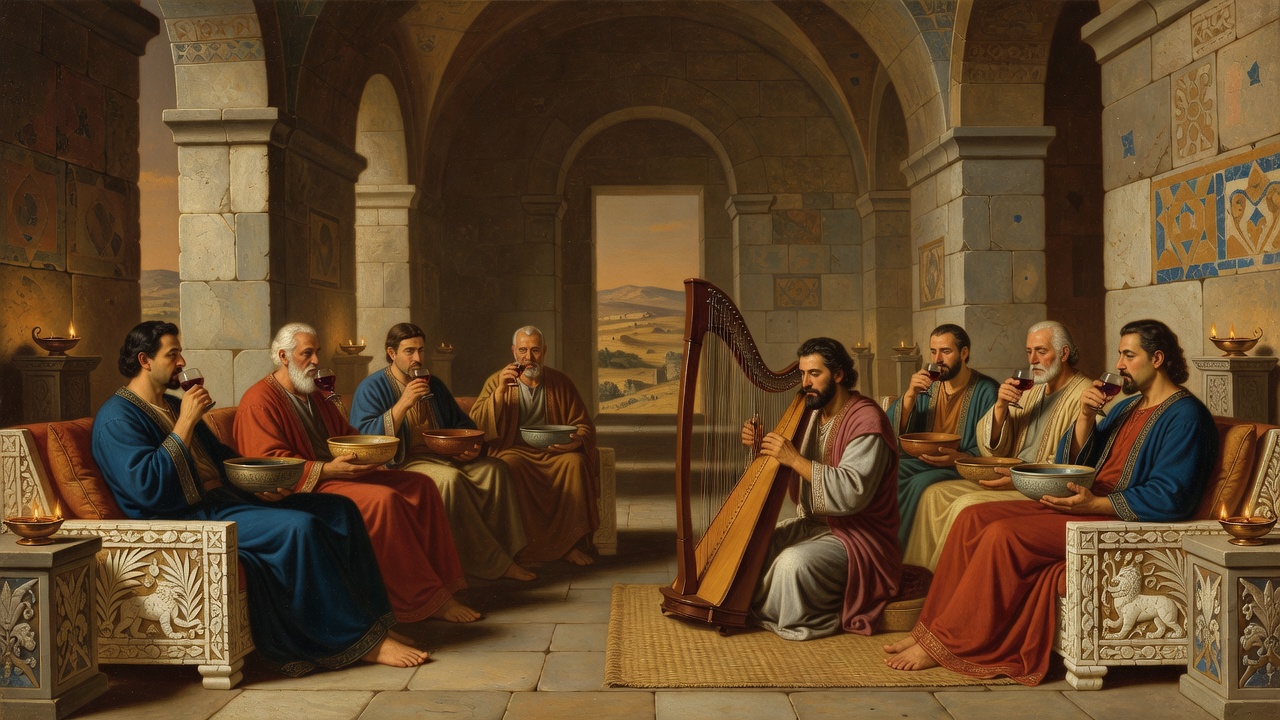
- Amos criticizes the aristocracy for indulging in extravagant banquets, resting on beds inlaid with ivory, and improvising music on harps like David, all while ignoring the impending ruin of Joseph. The name Joseph here designates the northern tribes of Israel, whose moral decay and social injustice were neglected by their wealthy leaders.Sources: David · Joseph (son of Jacob) · the Bible text itself
Notes written with AI assistance from open sources (Theographic Bible Metadata, CC BY-SA 4.0; Easton’s Bible Dictionary, public domain) and reviewed before publishing.
Places in this chapter
- Samaria · 32.276, 35.195 · verses 1, 8
- Zion · Today: Jerusalem · 31.777, 35.234 · verse 1
- Hamath · Today: Hama · 35.136, 36.750 · verse 2
- Philistia · 31.664, 34.546 · verse 2
Only places identified with high confidence are shown (90% or more according to the scholarly sources compiled by OpenBible). Period map: DARE (Digital Atlas of the Roman Empire), CC BY 4.0; modern map: © OpenStreetMap contributors; places: OpenBible.info (CC BY 4.0).
Credits and license for this translation
Bibiri Kuyie Nnɑ́ɑǹtì Pɑ́tíri
The Holy Bible in the Ditammari language of Benin
copyright © 2001 SIM International
Language: Ditammari
Translation by: SIM
This translation text is made available to you under the
terms of the Creative Commons License: Attribution-Noncommercial-No Derivative Works.
( http://creativecommons.org/licenses/by-nc-nd/3.0/ )
In addition, you have permission to port the text to different file formats, as long as you
do not change any of the text or punctuation of the Bible.
You may share, copy, distribute, transmit, and extract portions
or quotations from this work, provided that you include the above copyright
information:
You must give Attribution to the work.
You do not sell this work for a profit.
You do not make any derivative works that change any of the actual words or punctuation of the Scriptures.
Permissions beyond the scope of this license may be
available if you contact
us with your request.
This translation is made available to you under the terms of the
Creative Commons Attribution-No Derivatives license 4.0.
You may share and redistribute this Bible translation or extracts from it in any format, provided that:
You include the above copyright and source information.
You do not make any derivative works that change any of the actual words or punctuation of the Scriptures.
Pictures included with Scriptures and other documents on this site are licensed just for use with those Scriptures and documents.
For other uses, please contact the respective copyright owners.
2022-05-31
Source: http://ebible.org/tbzsim/ · eBible.org