Amos 8
Bibiri Kuyie Nnɑ́ɑǹtì Pɑ́tíri · Tap a verse to see its cross-references.
Kuyie mbɛnkɛmɛ̀ Amɔɔsi kuhɔnku kùù ɑ̃ yɛtebɛ
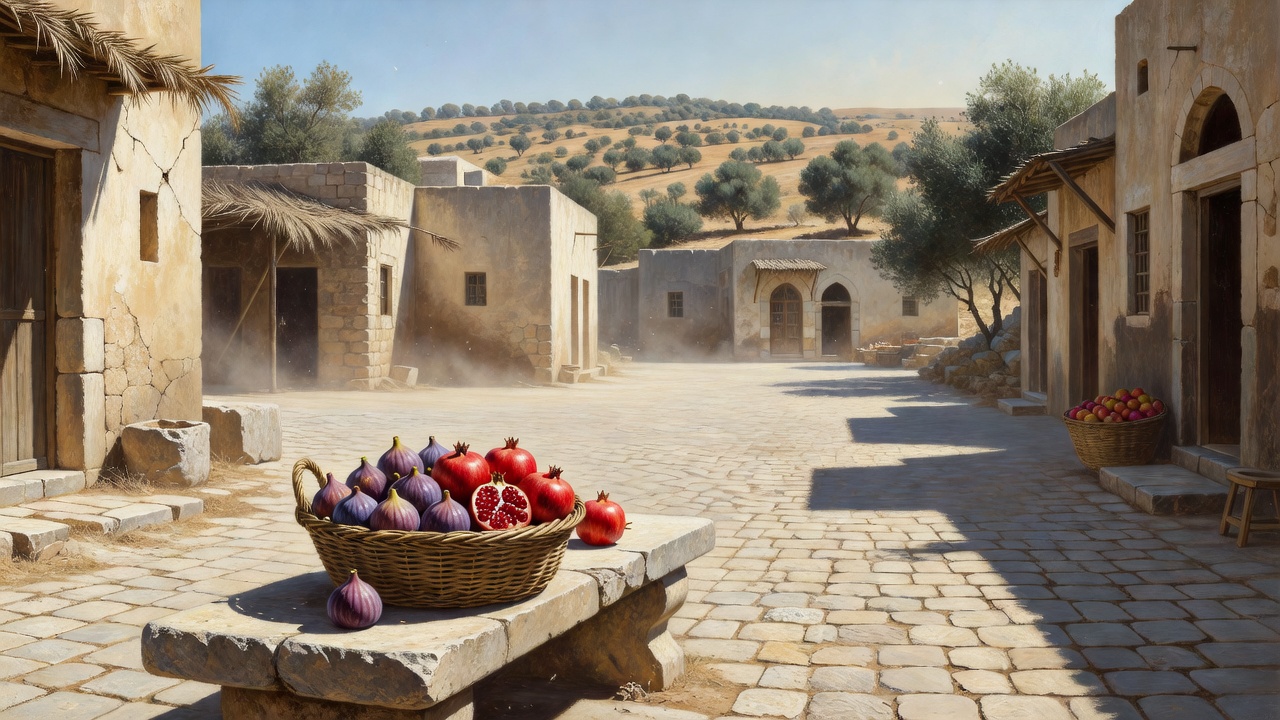
1Kɛ̀ ti Yiɛ̀ nKuyie nni mbɛnkɛ kuhɔnku kɛ̀ kù pìɛ́kɛ́ yɛtebɛ yɛ̀ɛ̀ bi. 2Kɛ̀ kù m bekɛ kɛ dɔ̀: Amɔɔsi ɑ yɑ̀ bɑ? Kɛ̀ n dɔ̀: N yɑ̀ kuhɔnku nɛ̀ yɛtebɛ yɛ̀ɛ̀ bi. Kɛ̀ kù n nɑ́kɛ́ kɛ dɔ̀:
N nìtìbɛ̀ Isidɑyɛɛribɛ bimu,
bɛ̀ deèmù mɔ̀nnì diì tùɔ̀kɛ,
n tɛ̃́nkɛ í yóó bɛ̀ cĩ̀ɛ̃́.
3Dɛ yiè iyiɛ nyìì dìè ntɛkpɑ̀ɑ̀tìcĩ́ɛ̃̀tɛ̀ miɛkɛ
ì bo nɑɑ́ nyɛkúdɑbùò,
kɛ̀ bɛcíríbɛ̀ɛ sṹṹ nkɛ́ncóú cóú tipíìtì timɔu,
tinɑ́ɑǹtì í yó mbo dɛ yiè.
Mí ndi Yiɛ̀ nKuyie mmíì bɛ́i.
Kuyie nkpɑ̀nnɛ̀mɛ̀ bɛ̀ɛ̀ cií mbɛtɔbɛ̀ kɛ yo mbɛ kpɛrɛ
4Kɛ̀ ti Yiɛ̀ nKuyie mbɛ́i nkɛ dɔ̀:
Díndi bɛ̀ɛ̀ fɛ̃́ũnko bɛcĩ̀rìbɛ̀
kɛ dɔ́ kɛ́deè bɛsénnìbɛ̀,
kéntɛ́nɛ̀ kɛ́keè.
5Díndi bɛ̀ɛ̀ ɔ̃ nnɑ́ɑ́ nkɛ tú,
otɑ̃̀nkù pɑ̀nwè kó dibɑnnii mɔ́nnɛ́ kɛ́pɛ̃ɛ̃tɛ́
kɛ̀ tì fítɛ́ ti diitì,
tɛom̀pùtɛ̀ɛ mɔ́nnɛ́ kɛ́pɛ̃ɛ̃tɛ́
kɛ̀ ti óótɛ́ ti buɔ kɛ́cṹũnní tidiitì,
kɛ́yɑɑtɛ sibièpeé, kɛ́yíɛ́ idíítí,
kɛ́yɑɑtɛ cìdóò kó kucɛ̃́ɛ̃́kù.
6Kɛ do mbɛcĩ̀rìbɛ̀,
kɛ fiiti bɛsénnìbɛ̀ tinɛùtì mɛhɑ̃nnímɛ̀ mɛ̀mɑ́ɑ̀ kó dibɑ̀nnì kpɛ́í,
kɛ fiitinɛ̀ tiyofùtì bɛnìtìbɛ̀.
7Mɛm̀mɛ kɛ̀ ti Yiɛ̀ nKuyie mbɛ́i nkɛ́pɑrìkɛ̀ kɛ dɔ̀:
Mí ndi Yiɛ̀ nKuyie m bɛ́immu kɛ tú:
Nɛ̀ Isidɑyɛɛribɛ kó tɛfentɛ̀ kpɛ́í
n yí yóó yɛ̃̀ mbɛ dɔɔ̀rìmɛ̀ mɑmɛ̀.
8Nɛ̀ dɛ kpɛ́í kɛtenkɛ̀ bo ɑɑ́,
bɛ̀ɛ̀ bo kɛ miɛkɛ kɛ̀ bɛ̀ɛ kɔmmú yɛkúdɑbùò,
kɛtenkɛ̀ bo ítɛ́ní kɛ́doroo mɛniɛ
nhɔ̃ɔ̃ tɑ Esibiti kó kukó nNiiri kɛ́ yĩ́mɛ̀.
9Dɛ kó diyiè,
diyiè bo tɑ kuyie ncuokɛ̀
dɛ̀ bo nɑɑ́ nkɛyènkɛ̀ kuyie ncuokɛ̀.
Mí ndi Yiɛ̀ nKuyie mmíì bɛ́i.
10Di bɑɑ mbo nɑɑ́ nyɛkúdɑbùò,
nkɛ̀ di yiɛ nnɑɑ́ nyisɑ́útìi,
bɛnìtìbɛ̀ bɛmɔu bo dɑ́ɑ́tí tifɔ̀ɔ̀tɔ̃̀ntì
kɛ́kuó mɛyùbii,
kutenkù kumɔu bɛnìtìbɛ̀ bo nkuɔ̀,
wèè mɔ̀kɛ dɛbirɛ dɛmɑ́ɑ̀ dɛ̀ ɔ̃ɔ̃ kú kòò nkuɔ̀mmɛ̀.
Dɛ kó dihɛì borimɛ bo tiikɛ mɛdɔ̀mmɛ̀ kɔ̃mɛ.
Kuyie nnɑ́ɑǹtì kó dikònnì nɛ̀ ti kó sinɛ́yɛ̃ĩ yóó pĩ́mmɛ̀ bɛnìtìbɛ̀
11Kɛ̀ ti Yiɛ̀ nKuyie mbɛ́i nkɛ dɔ̀:
Dɛ yiè kpɑɑnímu
kɛ̀ m bo duɔ́ nkɛ̀ dikònnì nɛ̀ sinɛ́yɛ̃ĩ kɛ̀ dɛ̀ɛ tɑnní.
Dɛ̀ í tú dikònnì dìì ɔ̃ɔ̃ dɑ pĩ́ nkɑ̀ɑ di muciɛ̀
nɛ̀ sinɛ́yɛ̃ĩ sìì ɔ̃ɔ̃ dɑ pĩ́ nkɑ̀ɑ yɑ̃̀ mɛniɛ.
N nɑ́ɑǹtì kó dikònnì ndi nɛ̀ ti kó sinɛ́yɛ̃ĩ.
12Bɛnìtìbɛ̀ bo nhɑ̀rì tipíìtì timɔu,
kubɑkù yoú nɛ̀ kucɑ̃̀nku,
diyiè yìɛ̀ kɛ̀ɛ̀ bíɛ́kɛ̀ nɛ̀ dì tɑɑ̀ kɛ̀ɛ̀ bíɛ́kɛ̀,
kɛ wɑnti kɛ bo keè n nɑ́ɑǹtì bɛ̀ mɛ mbɑ́ɑ́ tì pɛ̀tɛ́.
13Dɛ yiè bɛsɑpùnsɑ́ɑ́tìbɛ̀ nɛ̀ bɛdɑpùnsɑ́ɑ́tìbɛ̀
bɛ̀ bo mɔ́tɛ́nɛ̀ sinɛ́yɛ̃ĩ.
14Bɛ̀ɛ̀ kó dimɑ̀ɑ̀ pɑ̀rìkunɛ̀
tɛbɔɔtenkɑɑnìtɛ̀ tɛ̀ɛ̀ bo Sɑmmɑrii
nɛ̀ Dɑnni kɔbɛ kó dibɔɔ̀ nɛ̀ Bɛɛrisebɑɑ kó ditɔ̀nnì,
bɛ̀ bo do bɑ́ bɛ̀ tɛ̃́nkɛ bɑ́ɑ́ ítɛ́ bìtì!
Did you know?
The Basket of Summer Fruit and Coming Famine
- Amos condemned merchants who grew impatient with religious observances like the New Moon and the Sabbath because they paused commerce. These traders sought to cheat buyers by shrinking the measure for grain (the ephah), increasing the price (the shekel), using rigged scales, and selling worthless chaff to desperate buyers.Sources: the Bible text itself
- To describe the catastrophic shaking and upheaval awaiting the land, the prophet compared the ground rising and receding to the annual flooding of the Nile River in Egypt.Sources: the Bible text itself · Egypt
- Amos warned of a severe spiritual crisis: a famine not of bread or water, but of hearing the words of the Lord. He pictured people wandering in exhaustion from sea to sea across the land in search of divine guidance without finding it.Sources: the Bible text itself
Notes written with AI assistance from open sources (Theographic Bible Metadata, CC BY-SA 4.0; Easton’s Bible Dictionary, public domain) and reviewed before publishing.
Places in this chapter
- Egypt · 30.129, 31.308 · verse 8
- Nile · Today: Nile River · 31.465, 30.367 · verse 8
- Dan · Today: Tel Dan · 33.249, 35.652 · verse 14
- Samaria · 32.276, 35.195 · verse 14
Only places identified with high confidence are shown (90% or more according to the scholarly sources compiled by OpenBible). Period map: DARE (Digital Atlas of the Roman Empire), CC BY 4.0; modern map: © OpenStreetMap contributors; places: OpenBible.info (CC BY 4.0).
Credits and license for this translation
Bibiri Kuyie Nnɑ́ɑǹtì Pɑ́tíri
The Holy Bible in the Ditammari language of Benin
copyright © 2001 SIM International
Language: Ditammari
Translation by: SIM
This translation text is made available to you under the
terms of the Creative Commons License: Attribution-Noncommercial-No Derivative Works.
( http://creativecommons.org/licenses/by-nc-nd/3.0/ )
In addition, you have permission to port the text to different file formats, as long as you
do not change any of the text or punctuation of the Bible.
You may share, copy, distribute, transmit, and extract portions
or quotations from this work, provided that you include the above copyright
information:
You must give Attribution to the work.
You do not sell this work for a profit.
You do not make any derivative works that change any of the actual words or punctuation of the Scriptures.
Permissions beyond the scope of this license may be
available if you contact
us with your request.
This translation is made available to you under the terms of the
Creative Commons Attribution-No Derivatives license 4.0.
You may share and redistribute this Bible translation or extracts from it in any format, provided that:
You include the above copyright and source information.
You do not make any derivative works that change any of the actual words or punctuation of the Scriptures.
Pictures included with Scriptures and other documents on this site are licensed just for use with those Scriptures and documents.
For other uses, please contact the respective copyright owners.
2022-05-31
Source: http://ebible.org/tbzsim/ · eBible.org