Amós 7
Bibiri Kuyie Nnɑ́ɑǹtì Pɑ́tíri · Toque num versículo para ver as referências cruzadas.
Kuyie mbɛnkɛmɛ̀ Amɔɔsi fɛcofɛ
1Kɛ̀ ti Yiɛ̀ nKuyie nni mbɛnkɛ mɛbɛnkùmɛ̀ mɑmɛ̀, kɛ̀ n yɑ̀ fɛcofɛ dɑ̀tínnɛ́mɛ̀ kɛ dò ndiwɛtirì kɛ sɔ̃́ mbɛ̀ kɛ̃ĩ́ okpɑ̀ɑ̀tì sɑ̃mmútì kɛ̀ tì bo kɛ dɔ́ kɛ́puku. 2Kɛ̀ fɛɛcofɛɛ dɛ́útóo timútì kɛ́ndɔ́ kɛ́ tì dèè kɛ̀ n kuɔ́nko kɛ dɔ̀: Áú! Ti Yiɛ̀ nKuyie nti kuɔ́ mmɛsémmɛ̀ kɛ̀ mɛɛ̀ dɔkɛ Sɑkɔbu kó kufuku í sũ bɛ̀ í yó nkpɑɑ́. 3Kɛ̀ ti Yiɛ̀ nKuyie nceetɛ ku yɛ̀mmɛ̀ kɛ bɛ́i nkɛ dɔ̀: Dɛ̀ í yóó tuɔ̀kɛní.
Kuyie nyìɛ́ kɛ bɛnkɛmɛ̀ Amɔɔsi muhɑ̃ɑ̃́
4Kɛ̀ ti Yiɛ̀ nKuyie nni mbɛnkɛ muhɑ̃ɑ̃́, kɛ́ mù yùní kɛ̀ mùu cɔ́útɛ́ kɛtenkɛ̀ miɛkɛ kó mɛniɛ, kɛ́ mɛ̀ sũ̀ɔ̃̀too, kɛ̀ dɛpɑɑ ncɔ́útóo. 5Kɛ̀ n kuɔ́nko kɛ dɔ̀: Áú! Ti Yiɛ̀ nKuyie nti kuɔ́ mmɛsémmɛ̀ kɛ̀ mɛɛ̀ dɔkɛ Sɑkɔbu kó kufuku í sũ kù bɑ́ nkpɑɑ́. 6Kɛ̀ ti Yiɛ̀ nKuyie nceètɛ ku yɛ̀mmɛ̀ kɛ bɛ́i nkɛ dɔ̀: Dɛndɛ múnkɛ í yóó tuɔ̀kɛní.
Kuyie mbɛnkɛmɛ̀ Amɔɔsi kuhɔ̃ũ kùù cɑ̀ɑ́tí dibiɛrìmínnì
7Kɛ̀ n yɑ̀ ti Yiɛ̀ nKuyie nkɛ̀ kù còḿmú kuduotí mɑkù ĩ́nkɛ̀ kɛ pikú kuhɔ̃ũ kɛ̀ kù cɑ̀ɑ́tí dibiɛrìmínnì. 8Kɛ̀ kù m bekɛ kɛ dɔ̀: Amɔɔsi ɑ yɑ̀ bɑ? Kɛ̀ n dɔ̀: N yɑ̀ kuhɔ̃ũ kùù cɑ̀ɑ́tí dibiɛrìmínnì. Kɛ̀ kù dɔ̀: N yóó tɑ̃ũ kuhɔ̃ũ nku kùù cɑ̀ɑ́tí dibiɛrìmínnì n kɔbɛ Isidɑyɛɛribɛ ĩ́nkɛ̀ kɛ́yɑ̀ kɛ̀ bɛ̀ sìɛ́. N tɛ̃́nkɛ í yóó bɛ̀ cĩ̀ɛ̃́, mbìtì!
9Isɑki yɑɑ̀bí kó yɛwũɔ̃tɔ̀rɛ̀ bo dɔúnko,
kɛ̀ Isidɑyɛɛribɛ kó yɛtɔ̀rɛ̀ɛ nɑɑ́ ntidobontì.
Kɛ̀ n cómmú nɛ̀ disiè kɛ́wetínnɛ̀ Sedoboɑmmu cĩ́ɛ̃̀tɛ̀.
Amɑsiɑ nɛ̀ Amɔɔsi bɛ̀ pètɛmɛ̀ kɛ̀ bɛ̀ɛ bɛti Amɔɔsi Betɛɛdi
10Mɛm̀mɛ kɛ̀ Amɑsiɑ ikuɔ́ nìùtìi tɔ̃ nkɛ̀ bɛ̀ɛ nɑ́kɛ́ Isidɑyɛɛribɛ kóo kpɑ̀ɑ̀tì Sedoboɑmmu kɛ dɔ̀: Amɔɔsi dɔ́ kɛ́ dɑ bɔmmu kɑ̀ɑ tɛ̃́nkɛ bɑ́ ntú Isidɑyɛɛribɛ kóo kpɑ̀ɑ̀tì. Ti í dɔ́ kɛ́nyo ò nɑ̀ɑ́ ntì. 11Ò nɑ̀ɑ́ nkɛ tú:
Fɔ̃́ nSedoboɑmmu ɑ bo kú mudoò miɛkɛ
kɛ̀ bɛ̀ɛ pĩ́mmú Isidɑyɛɛribɛ
kɛ́kònnɛ̀ dɛdɛ́tirɛ̀.
12Mɛm̀mɛ kɛ̀ Amɑsiɑɑ nɑ́kɛ́ Amɔɔsi kɛ dɔ̀: Oyuwúoǹtì fɔ̃́! Kò nSudɑɑ tenkɛ̀ kɛ́nnɑ́ɑ́ nKuyie mpɑ̃ɑ̃nɑ́ɑǹtì kɛ pɛ́únɛ̀ mudiì. 13A tɛ̃́nkɛ bɑ́ mbo diɛ mBetɛɛdi kɛ́nɑ́ɑ́ nKuyie mpɑ̃ɑ̃nɑ́ɑǹtì kɛ yɛ̃́ okpɑ̀ɑ̀tì kó ditɔ̀nnì ndimɛ̀, tɛkpɑ̀ɑ̀tìcĩ́ɛ̃̀tɛ̀ kpɛri ndi.
14Kɛ̀ Amɔɔsii ò tɛ̃̀ńnɛ́ kɛ dɔ̀: N do í tú ti Yiɛ̀ nKuyie mpɑ̃ɑ̃nɑ́ɑǹtì nɑ́ɑǹtò, n ketɛ́ kɛ do í tú Kuyie mpɑ̃ɑ̃nɑ́ɑǹtì nɑ́ɑm̀bɛ̀ kó kufuku kou. N do tú onɑɑcɛ̃nti nwe kɛ fiiku dɛtie mbɛ̀ tu dɛ̀ sikomɔɔ. 15N do cɛ̃mmú n wũɔ̃ nyi, kɛ̀ ti Yiɛ̀ nKuyie nni nyú kɛ n nɑ́kɛ́ kɛ dɔ̀: Kɔtɛ kɛ́nɑ́kɛ́ n nìtìbɛ̀ Isidɑyɛɛribɛ m pɑ̃ɑ̃nɑ́ɑǹtì, 16di m̀mɔ̀nnì kéntɛ́ ti Yiɛ̀ nKuyie ntu n dɑ nɑ́kɛ́ tì: Fɔ̃́ nwèè tu m bɑ́ nnɑ́ɑ́ nKuyie mpɑ̃ɑ̃nɑ́ɑǹtì Isidɑyɛɛribɛ kpɛ́í, kɛ tú m bɑ́ nnɑ́ɑ́ nyIsɑki yɑɑ̀bí n kó tiyɛinnɑ́ɑǹtì. 17Nɛ̀ dɛ kpɛ́í ti Yiɛ̀ nKuyie ntu:
ɑ pokù bo yĩ́ onitipòkù wèè dɔuti dɔutinɛ̀ bɛnitidɑɑbɛ̀
kɛ̀ bɛ̀ nhò dɔutinɛ̀ kupììti dihɛì miɛkɛ,
kɛ̀ bɛ̀ɛ kuɔ ɑ bí
initidɑɑì nɛ̀ initipòì mudoò miɛkɛ,
kɛ́berí ɑ tenkɛ̀ kɛ totí,
kɛ̀ bɛ̀ dɑ kuɔ bɛtɔbɛ̀ tenkɛ̀ bɛ̀ í tũ ndɛ̀ Kuyie,
kɛ́pĩ́mmú Isidɑyɛɛribɛ kɛ́kònnɛ̀ dɛdɛ́tirɛ̀ dònninkonɛ̀ onitipòkù wèè yóu o dɔù kɛ dɔuti dɔutinɛ̀ bɛnitidɑɑbɛ̀.
Você sabia?
Visões de Juízo e o Confronto em Betel
- Diferente dos profetas profissionais de sua época, Amós era um pastor de ovelhas e cultivador de figos de sicômoro em Tecoa, Judá. Ele destacou que não pertencia a uma linhagem ou escola de profetas, mas foi chamado diretamente por Deus para deixar o rebanho e advertir o reino do norte.Fontes: o próprio texto bíblico · Amos
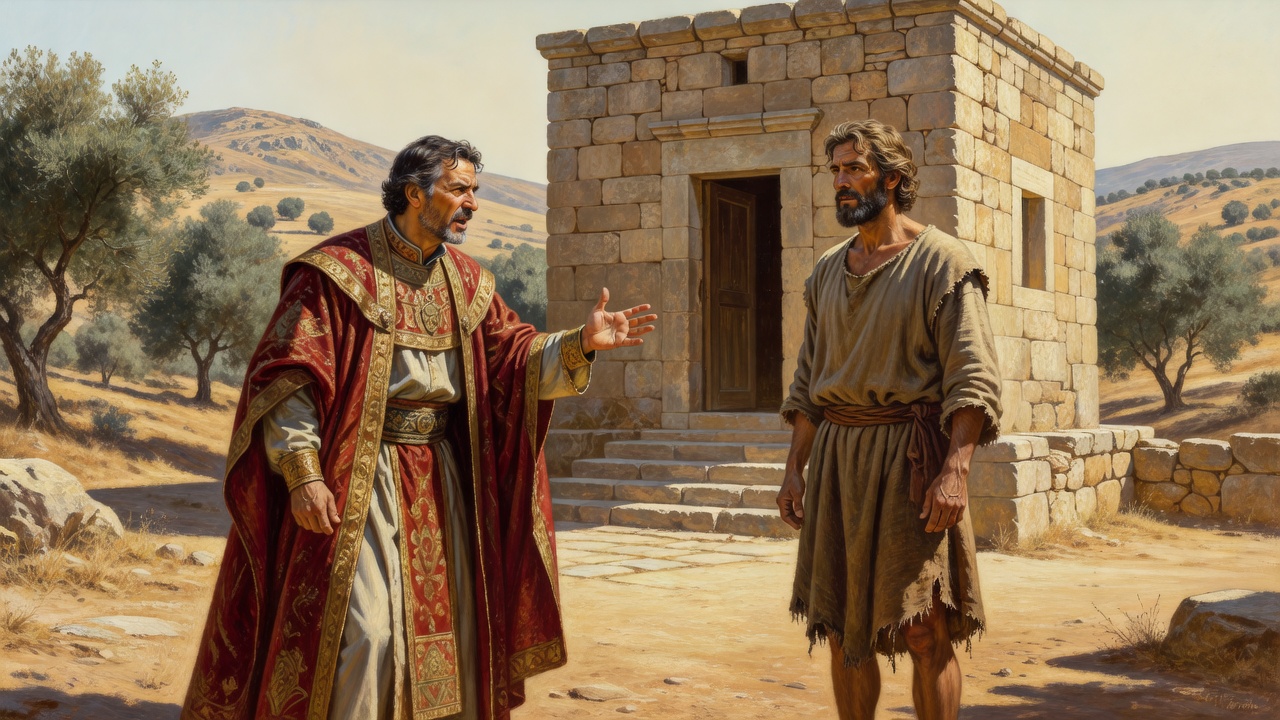
- Betel era um dos principais santuários reais do reino de Israel, onde os monarcas mantinham templos oficiais. Amazias, sacerdote que servia no local durante o reinado de Jeroboão II, considerou as profecias de Amós como traição política e tentou expulsá-lo para Judá.Fontes: o próprio texto bíblico · Amaziah · Jeroboam · Bethel (of Palestine)
- Apesar de o governo de Jeroboão II ter proporcionado grande expansão territorial e prosperidade material a Israel, as visões de Amós advertiam que a destruição dos santuários reais e o exílio do povo seriam inevitáveis.Fontes: o próprio texto bíblico · Jeroboam
Notas escritas com auxílio de IA a partir de fontes abertas (Theographic Bible Metadata, CC BY-SA 4.0; Easton’s Bible Dictionary, domínio público) e revisadas antes de publicar.
Créditos e licença desta tradução
Bibiri Kuyie Nnɑ́ɑǹtì Pɑ́tíri
The Holy Bible in the Ditammari language of Benin
copyright © 2001 SIM International
Language: Ditammari
Translation by: SIM
This translation text is made available to you under the
terms of the Creative Commons License: Attribution-Noncommercial-No Derivative Works.
( http://creativecommons.org/licenses/by-nc-nd/3.0/ )
In addition, you have permission to port the text to different file formats, as long as you
do not change any of the text or punctuation of the Bible.
You may share, copy, distribute, transmit, and extract portions
or quotations from this work, provided that you include the above copyright
information:
You must give Attribution to the work.
You do not sell this work for a profit.
You do not make any derivative works that change any of the actual words or punctuation of the Scriptures.
Permissions beyond the scope of this license may be
available if you contact
us with your request.
This translation is made available to you under the terms of the
Creative Commons Attribution-No Derivatives license 4.0.
You may share and redistribute this Bible translation or extracts from it in any format, provided that:
You include the above copyright and source information.
You do not make any derivative works that change any of the actual words or punctuation of the Scriptures.
Pictures included with Scriptures and other documents on this site are licensed just for use with those Scriptures and documents.
For other uses, please contact the respective copyright owners.
2022-05-31
Fonte: http://ebible.org/tbzsim/ · eBible.org