Exodus 2
Kitabu ka Kanu · Tap a verse to see its cross-references.
Kəkom ka Musa kɔ dowut dɔn
1Kɔ wərkun wəlɔma wəka kusuŋka ka Lewy ɛnɛncɛ wəran wəlɔma nwɛ ŋanapaŋnɛ kusuŋka kin kɔ nkɔn mɔ. 2Kɔ wəran nwɛ ɛmbɛkəs, k'oŋkom wan wərkun. Kɔ wəran nwɛ ɛnəŋk dɔtɔt da wan, k'ɔŋgbɔpnɛnɛ wan kɔn yof maas. 3Ntɛ ɛnəŋk a ɔfɔsɔtam kəgbɔpnɛnɛ wan mɔ, kɔ wəran nwɛ ɛlɛk kəfala nkɛ andunɛ cəŋkɔlma mɔ, k'osop ki paka mpɛ powurɛnɛ kɔrtal kɔ bən ya cəme mɔ, ntɛ tɔŋsɔŋɛ ki kəfɔy mɔ. K'ɛmbɛr wan kəfala nkɛ disrɛ, k'ɔŋkɔ pəcəmbər ki dəcəŋkɔlma nde aparpara ŋa kəŋgbɔkɔ ka Nil. 4Kɔ wəkirɛ ka wan nwɛ aŋgbal mɔ, ɛncəmɛ pəwak kəbɔlɛnɛ kaŋkəra nkɛ, ntɛ tɔŋsɔŋɛ pəctam kəcərɛ tɔkɔ tendeder wan mɔ.
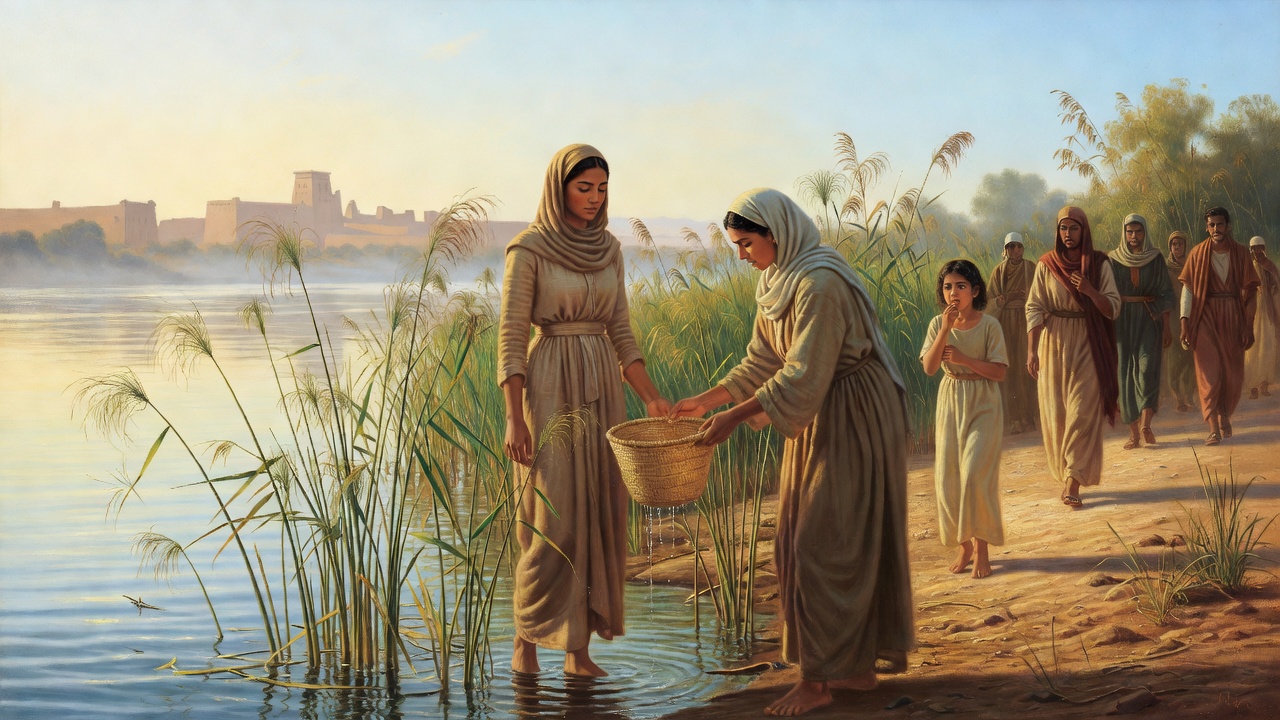
5Kɔ wan wəran wəka firawona ende pətor nde kəŋgbɔkɔ kəkɔbikɛ-bikɛ, amarəs ɔn aran ŋayi kəkɔtəs agbɛp ŋa kəŋgbɔkɔ ka Nil. Kɔ wan ka firawona wəran nwɛ ɛnəŋk kəfala cəŋkɔlma dacɔ, k'osom wəmarəs kɔn wəran kəkɔlɛk ki. 6Wan ka firawona wəran endegbipi kəfala nkɛ, k'ɛnəŋk wan: Wan wərkun ɛnayi, pəcbok. Kɔ tɔyɔnɛ kɔ nɔnɔfɔr, k'oloku: «Wan wəHebəre wəlɔma ɔfɔ wəkawɛ!» 7Kɔ wəkirɛ ka wan nwɛ oloku wan ka firawona wəran: «Məfaŋ a ikɔ iwen'am wəkombəra wəHebəre wəlɔma, pədemsər'am wan wəkawɛ?» 8Kɔ wan ka firawona wəran oluksɛ wəyecəra ntɛ: «Məkɔ!» Kɔ wəyecəra nwɛ ɔŋkɔ pəwe iya wəka wan wəkakɔ anafir mɔ. 9Kɔ wan ka firawona wəran oloku wəran nwɛ: «Məkenɛnɛ wan wəkawɛ məkɔ məcmɛsər'em kɔ belbel. Indesɔŋ əm kəway.» Kɔ wəran nwɛ ɛlɛk wan, k'ɛmɛsər kɔ.
10Ntɛ awurɛ wan mɛsɛ mɔ, kɔ wəran nwɛ ɛlɛk kɔ, k'eŋkenɛ wan ka firawona wəran, pəyɔnɛ kɔ wan. K'ɔsɔŋ kɔ tewe ta Musa bawo ti tɔ tatɔkɔ «dəromun incafi kɔ.»
Pəmar Musa pəyɛksɛ pəkɔ Madiyaŋ
11Ntɛ Musa ɛmbɛk k'ɔyɔnɛ wətɛmp mɔ, dɔsɔk dɔlɔma k'ende pəkɔ kəkɔmɔmən awɛnc aŋa, k'ɔŋkɔ pənəŋk yɛbəc yaŋan yeyeŋki nyɛ anacəmbər ŋa mɔ. Ntɛ ɔncɔŋnɛ kiriŋ mɔ, k'ɔŋkɔ pənəŋk wəka Misira pəcsut wɛnc wəHebəre wəkin. 12Kɔ Musa ɔmɔmən-mɔmən, ntɛ ɔntɔnəŋk fum mɔ, k'osut wəka Misira nwɛ k'endif, k'ɛlɛk kɔ k'ɛmət dɛsənc. 13Dɔckɔsɔk kɔ Musa owur sɔ, k'ɔŋkɔ pənəŋk aHebəre mɛrəŋ ŋacsutɛnɛ. K'eyif wəkɔ ɛnadəkət mɔ: «Ta ake tɔ məŋsutɛ wəkos əm-ɛ?» 14Kɔ fum nwɛ oloku kɔ: «An'ɛcəmbər əm dɛbɛ kɔ wəboc kiti su kəroŋ-ɛ? Kədif im kɔ mənder pəmɔ tɔkɔ məndifsa wəka Misira mɔ ba?» Kɔ Musa enesɛ, k'olokunɛ dɛbəkəc: «Tɔlɔma ancərɛ tes tantɛ iyɔsa mɔ.» 15Kɔ firawona ene tɔkɔ tɛnacepər mɔ, k'ɛntɛn oŋ kədif Musa. Mba kɔ Musa ɛyɛksɛ k'ɔmbɔlɛ firawona, k'ɔŋkɔ atɔf ŋa Madiyaŋ. Ntɛ ɛmbɛrɛ Madiyaŋ mɔ k'ɔŋkɔ pəndɛ kələmp kəsək.
16Awa, wəloŋnɛnɛ ka aka Madiyaŋ ɛnayɔ awut aran camət-mɛrəŋ. Kɔ awut aran aŋɛ ŋander kədekɛt domun, kɔ ŋalasəs dəkəmun da yɔcɔl ya kas kəŋan. 17Kɔ akɛk alɔma ŋander ŋabɛləs ŋa. Kɔ Musa ɛyɛfɛ k'ɔŋkɔ pəbaŋ ŋa, k'ɔsɔŋ yɔcɔl yaŋan domun kɔ yomun. 18Ntɛ ŋalukus nda kas kəŋan Rehuwɛl mɔ, kɔ kas kəŋan eyif ŋa: «Ta ake tɔ nənuŋkɛnɛnɛ mɔkɔ kəbɛrɛ-ɛ?» 19K'ayecəra aŋɛ ŋaloku kas kəŋan: «Wəka Misira wəlɔma ɛyac su nnɔ akɛk ŋayi mɔ. Ɛŋkɛtɛna su domun yati, k'ɔsɔŋ yɔcɔl yosu.» 20Kɔ Rehuwɛl eyif ayecəra: «Deke eyi-ɛ? Ta ake tɔ nəsakɛ fum wəkakɔ-ɛ? Nəwe kɔ pəder pədi yeri.»
21Kɔ Musa ende pəwosɛ kəyi ka ndena Rehuwɛl, nwɛ ɛnasɔŋ wan kɔn wəran Sefora kənɛncɛ mɔ. 22Kɔ wəran kakɔ ende pəkom wan, k'awe kɔ Kɛrsɔm, «Wəcikəra,» bawo k'oloku ti tɔ tatɔkɔ: «Wəcikəra iyɔnɛ kərɛsna atɔf ŋocuru.»
Kanu kəyɛk-yɛk Musa kəwurɛ ka aka Yisrayel dacar
23Ntɛ pəwon mɔ, kɔ wəbɛ wəka Misira ende pəfi, aka Yisrayel ŋacgbis, ŋackulɛ-kulɛnɛ teta dacar deyeŋki dɔkɔ ŋanayi mɔ. Kɔ kəmar nkɛ ŋancbok mɔ, kəmpɛ haŋ nde nkɔn Kanu eyi mɔ. 24Kɔ Kanu kəne kigbis kəŋan. Kɔ Kanu kəncɛm-cɛmnɛ danapa ndɛ ŋanacaŋəs kɔ Abraham, Siyaka kɔ Yakuba mɔ. 25Kɔ Kanu kəmɔmən aka Yisrayel, kɔ kəlɛk te taŋan waca disrɛ.
Did you know?
The birth and flight of Moses
- Pharaoh’s daughter named the child Moses, explaining that she had drawn him out of the water. Easton's Bible Dictionary (1897) links his name with “drawn,” or with the Egyptian word mesu, “son”—the element from which the dictionary also explains Rameses as “royal son.”Sources: the Bible text itself · Moses
- In Exodus 2 a daughter of Levi hides her son for three months, and Pharaoh’s daughter, finding him among the Nile reeds, recognizes a Hebrew child. Easton's Bible Dictionary (1897) links the Israelites’ affliction to “the new king who knew not Joseph,” long supposed to be Aahmes I, called Amosis by Josephus, though the dictionary, citing discoveries then recent, names Seti instead. Their hardship, it says, began after the Hyksos, masters of Egypt for some five centuries, were driven out and the old dynasty restored.Sources: the Bible text itself · Pharaoh
- After Pharaoh sought to kill him, Moses fled to Midian and sat down beside a well; he later married Zipporah, one of the seven daughters of the priest of Midian. The Midianites were nomadic Arabians descended from Midian, Abraham’s fourth son by Keturah, and they pastured their flocks in the Sinai peninsula and in the desert north of the Arabian peninsula. This chapter calls the priest Reuel, whom Easton's Bible Dictionary (1897) names Raguel, regarding that form as his personal name and Jethro—“excellency”—as an official title if the two are identified.Sources: the Bible text itself · Midian · Midian · Jethro
Notes written with AI assistance from open sources (Theographic Bible Metadata, CC BY-SA 4.0; Easton’s Bible Dictionary, public domain) and reviewed before publishing.
Places in this chapter
- Nile · Today: Nile River · 31.465, 30.367 · verses 3, 5
- Midian · 28.495, 35.012 · verses 15, 16
- Egypt · 30.129, 31.308 · verse 23
Only places identified with high confidence are shown (90% or more according to the scholarly sources compiled by OpenBible). Period map: DARE (Digital Atlas of the Roman Empire), CC BY 4.0; modern map: © OpenStreetMap contributors; places: OpenBible.info (CC BY 4.0).
Credits and license for this translation
Kitabu ka Kanu
Portions of the Holy Bible in the Baga Sitemu language of Guinea
Des portions de la Sainte Bible dans la langue Baga Sitemu de Guinée
copyright © 2015 Pioneer Bible Translators
Language: Baga Sitemu
Translation by: Traducteurs Pionniers de la Bible
Contributor: Pioneer Bible Translators
This translation is made available to you under the terms of the
Creative Commons Attribution Share-Alike license 4.0.
You have permission to share and redistribute this Bible translation in any format and to make reasonable revisions and adaptations of this translation, provided that:
You include the above copyright and source information.
If you make any changes to the text, you must indicate that you did so in a way that makes it clear that the original licensor is not necessarily endorsing your changes.
If you redistribute this text, you must distribute your contributions under the same license as the original.
Pictures included with Scriptures and other documents on this site are licensed just for use with those Scriptures and documents.
For other uses, please contact the respective copyright owners.
Note that in addition to the rules above, revising and adapting God's Word involves a great responsibility to be true to God's Word. See Revelation 22:18-19.
2025-04-29
Source: http://ebible.org/bsp/ · eBible.org