Êxodo 2
Kitabu ka Kanu · Toque num versículo para ver as referências cruzadas.
Kəkom ka Musa kɔ dowut dɔn
1Kɔ wərkun wəlɔma wəka kusuŋka ka Lewy ɛnɛncɛ wəran wəlɔma nwɛ ŋanapaŋnɛ kusuŋka kin kɔ nkɔn mɔ. 2Kɔ wəran nwɛ ɛmbɛkəs, k'oŋkom wan wərkun. Kɔ wəran nwɛ ɛnəŋk dɔtɔt da wan, k'ɔŋgbɔpnɛnɛ wan kɔn yof maas. 3Ntɛ ɛnəŋk a ɔfɔsɔtam kəgbɔpnɛnɛ wan mɔ, kɔ wəran nwɛ ɛlɛk kəfala nkɛ andunɛ cəŋkɔlma mɔ, k'osop ki paka mpɛ powurɛnɛ kɔrtal kɔ bən ya cəme mɔ, ntɛ tɔŋsɔŋɛ ki kəfɔy mɔ. K'ɛmbɛr wan kəfala nkɛ disrɛ, k'ɔŋkɔ pəcəmbər ki dəcəŋkɔlma nde aparpara ŋa kəŋgbɔkɔ ka Nil. 4Kɔ wəkirɛ ka wan nwɛ aŋgbal mɔ, ɛncəmɛ pəwak kəbɔlɛnɛ kaŋkəra nkɛ, ntɛ tɔŋsɔŋɛ pəctam kəcərɛ tɔkɔ tendeder wan mɔ.
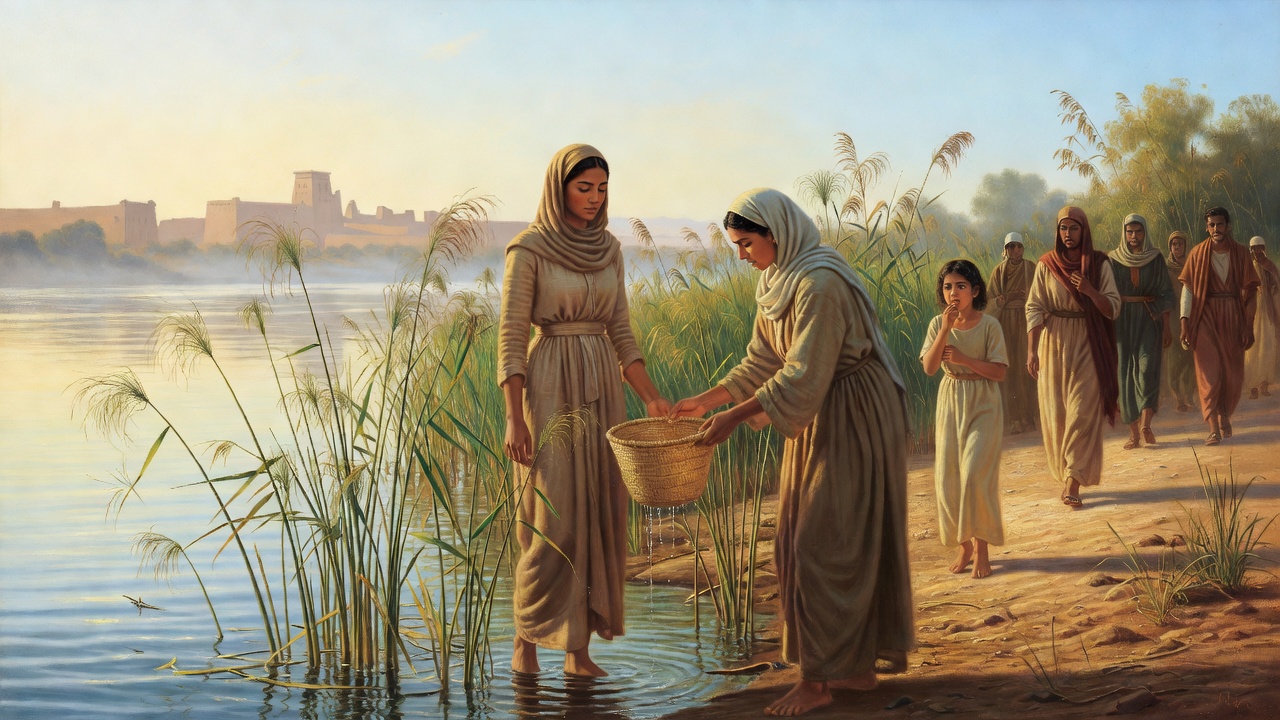
5Kɔ wan wəran wəka firawona ende pətor nde kəŋgbɔkɔ kəkɔbikɛ-bikɛ, amarəs ɔn aran ŋayi kəkɔtəs agbɛp ŋa kəŋgbɔkɔ ka Nil. Kɔ wan ka firawona wəran nwɛ ɛnəŋk kəfala cəŋkɔlma dacɔ, k'osom wəmarəs kɔn wəran kəkɔlɛk ki. 6Wan ka firawona wəran endegbipi kəfala nkɛ, k'ɛnəŋk wan: Wan wərkun ɛnayi, pəcbok. Kɔ tɔyɔnɛ kɔ nɔnɔfɔr, k'oloku: «Wan wəHebəre wəlɔma ɔfɔ wəkawɛ!» 7Kɔ wəkirɛ ka wan nwɛ oloku wan ka firawona wəran: «Məfaŋ a ikɔ iwen'am wəkombəra wəHebəre wəlɔma, pədemsər'am wan wəkawɛ?» 8Kɔ wan ka firawona wəran oluksɛ wəyecəra ntɛ: «Məkɔ!» Kɔ wəyecəra nwɛ ɔŋkɔ pəwe iya wəka wan wəkakɔ anafir mɔ. 9Kɔ wan ka firawona wəran oloku wəran nwɛ: «Məkenɛnɛ wan wəkawɛ məkɔ məcmɛsər'em kɔ belbel. Indesɔŋ əm kəway.» Kɔ wəran nwɛ ɛlɛk wan, k'ɛmɛsər kɔ.
10Ntɛ awurɛ wan mɛsɛ mɔ, kɔ wəran nwɛ ɛlɛk kɔ, k'eŋkenɛ wan ka firawona wəran, pəyɔnɛ kɔ wan. K'ɔsɔŋ kɔ tewe ta Musa bawo ti tɔ tatɔkɔ «dəromun incafi kɔ.»
Pəmar Musa pəyɛksɛ pəkɔ Madiyaŋ
11Ntɛ Musa ɛmbɛk k'ɔyɔnɛ wətɛmp mɔ, dɔsɔk dɔlɔma k'ende pəkɔ kəkɔmɔmən awɛnc aŋa, k'ɔŋkɔ pənəŋk yɛbəc yaŋan yeyeŋki nyɛ anacəmbər ŋa mɔ. Ntɛ ɔncɔŋnɛ kiriŋ mɔ, k'ɔŋkɔ pənəŋk wəka Misira pəcsut wɛnc wəHebəre wəkin. 12Kɔ Musa ɔmɔmən-mɔmən, ntɛ ɔntɔnəŋk fum mɔ, k'osut wəka Misira nwɛ k'endif, k'ɛlɛk kɔ k'ɛmət dɛsənc. 13Dɔckɔsɔk kɔ Musa owur sɔ, k'ɔŋkɔ pənəŋk aHebəre mɛrəŋ ŋacsutɛnɛ. K'eyif wəkɔ ɛnadəkət mɔ: «Ta ake tɔ məŋsutɛ wəkos əm-ɛ?» 14Kɔ fum nwɛ oloku kɔ: «An'ɛcəmbər əm dɛbɛ kɔ wəboc kiti su kəroŋ-ɛ? Kədif im kɔ mənder pəmɔ tɔkɔ məndifsa wəka Misira mɔ ba?» Kɔ Musa enesɛ, k'olokunɛ dɛbəkəc: «Tɔlɔma ancərɛ tes tantɛ iyɔsa mɔ.» 15Kɔ firawona ene tɔkɔ tɛnacepər mɔ, k'ɛntɛn oŋ kədif Musa. Mba kɔ Musa ɛyɛksɛ k'ɔmbɔlɛ firawona, k'ɔŋkɔ atɔf ŋa Madiyaŋ. Ntɛ ɛmbɛrɛ Madiyaŋ mɔ k'ɔŋkɔ pəndɛ kələmp kəsək.
16Awa, wəloŋnɛnɛ ka aka Madiyaŋ ɛnayɔ awut aran camət-mɛrəŋ. Kɔ awut aran aŋɛ ŋander kədekɛt domun, kɔ ŋalasəs dəkəmun da yɔcɔl ya kas kəŋan. 17Kɔ akɛk alɔma ŋander ŋabɛləs ŋa. Kɔ Musa ɛyɛfɛ k'ɔŋkɔ pəbaŋ ŋa, k'ɔsɔŋ yɔcɔl yaŋan domun kɔ yomun. 18Ntɛ ŋalukus nda kas kəŋan Rehuwɛl mɔ, kɔ kas kəŋan eyif ŋa: «Ta ake tɔ nənuŋkɛnɛnɛ mɔkɔ kəbɛrɛ-ɛ?» 19K'ayecəra aŋɛ ŋaloku kas kəŋan: «Wəka Misira wəlɔma ɛyac su nnɔ akɛk ŋayi mɔ. Ɛŋkɛtɛna su domun yati, k'ɔsɔŋ yɔcɔl yosu.» 20Kɔ Rehuwɛl eyif ayecəra: «Deke eyi-ɛ? Ta ake tɔ nəsakɛ fum wəkakɔ-ɛ? Nəwe kɔ pəder pədi yeri.»
21Kɔ Musa ende pəwosɛ kəyi ka ndena Rehuwɛl, nwɛ ɛnasɔŋ wan kɔn wəran Sefora kənɛncɛ mɔ. 22Kɔ wəran kakɔ ende pəkom wan, k'awe kɔ Kɛrsɔm, «Wəcikəra,» bawo k'oloku ti tɔ tatɔkɔ: «Wəcikəra iyɔnɛ kərɛsna atɔf ŋocuru.»
Kanu kəyɛk-yɛk Musa kəwurɛ ka aka Yisrayel dacar
23Ntɛ pəwon mɔ, kɔ wəbɛ wəka Misira ende pəfi, aka Yisrayel ŋacgbis, ŋackulɛ-kulɛnɛ teta dacar deyeŋki dɔkɔ ŋanayi mɔ. Kɔ kəmar nkɛ ŋancbok mɔ, kəmpɛ haŋ nde nkɔn Kanu eyi mɔ. 24Kɔ Kanu kəne kigbis kəŋan. Kɔ Kanu kəncɛm-cɛmnɛ danapa ndɛ ŋanacaŋəs kɔ Abraham, Siyaka kɔ Yakuba mɔ. 25Kɔ Kanu kəmɔmən aka Yisrayel, kɔ kəlɛk te taŋan waca disrɛ.
Você sabia?
O nascimento e a fuga de Moisés
- A filha do faraó deu ao menino o nome de Moisés e explicou que o havia tirado da água. O Dicionário Bíblico de Easton (1897) liga o nome dele a “tirado”, ou à palavra egípcia mesu, “filho” — o elemento a partir do qual o dicionário também explica Ramsés como “filho real”.Fontes: o próprio texto bíblico · Moses
- Em Êxodo 2, uma filha de Levi esconde o filho por três meses, e a filha do faraó, ao achá-lo entre os juncos do Nilo, reconhece uma criança hebreia. O Dicionário Bíblico de Easton (1897) liga a aflição dos israelitas ao “novo rei que não conhecera a José”, por muito tempo tido como Aahmes I, chamado Amosis por Josefo, embora o dicionário, citando descobertas então recentes, o identifique como Seti. O sofrimento deles, diz a obra, começou depois que os hicsos, senhores do Egito por cerca de cinco séculos, foram expulsos e a antiga dinastia foi restaurada.Fontes: o próprio texto bíblico · Pharaoh
- Depois que o faraó procurou matá-lo, Moisés fugiu para Midiã e sentou-se junto a um poço; mais tarde casou-se com Zípora, uma das sete filhas do sacerdote de Midiã. Os midianitas eram árabes nômades, descendentes de Midiã, o quarto filho de Abraão com Quetura, e pastoreavam seus rebanhos na península do Sinai e no deserto ao norte da península Arábica. Neste capítulo o sacerdote se chama Reuel, a quem o Dicionário Bíblico de Easton (1897) chama Raguel, considerando essa forma seu nome pessoal e Jetro — “excelência” — um título oficial, caso os dois sejam identificados.Fontes: o próprio texto bíblico · Midian · Midian · Jethro
Notas escritas com auxílio de IA a partir de fontes abertas (Theographic Bible Metadata, CC BY-SA 4.0; Easton’s Bible Dictionary, domínio público) e revisadas antes de publicar.
Lugares deste capítulo
- Nile · Hoje: Nile River · 31.465, 30.367 · versículos 3, 5
- Midian · 28.495, 35.012 · versículos 15, 16
- Egypt · 30.129, 31.308 · versículo 23
Só aparecem lugares com identificação de alta confiança (90% ou mais segundo as fontes acadêmicas reunidas pelo OpenBible). Mapa da época: DARE (Digital Atlas of the Roman Empire), CC BY 4.0; mapa atual: © colaboradores do OpenStreetMap; lugares: OpenBible.info (CC BY 4.0).
Créditos e licença desta tradução
Kitabu ka Kanu
Portions of the Holy Bible in the Baga Sitemu language of Guinea
Des portions de la Sainte Bible dans la langue Baga Sitemu de Guinée
copyright © 2015 Pioneer Bible Translators
Language: Baga Sitemu
Translation by: Traducteurs Pionniers de la Bible
Contributor: Pioneer Bible Translators
This translation is made available to you under the terms of the
Creative Commons Attribution Share-Alike license 4.0.
You have permission to share and redistribute this Bible translation in any format and to make reasonable revisions and adaptations of this translation, provided that:
You include the above copyright and source information.
If you make any changes to the text, you must indicate that you did so in a way that makes it clear that the original licensor is not necessarily endorsing your changes.
If you redistribute this text, you must distribute your contributions under the same license as the original.
Pictures included with Scriptures and other documents on this site are licensed just for use with those Scriptures and documents.
For other uses, please contact the respective copyright owners.
Note that in addition to the rules above, revising and adapting God's Word involves a great responsibility to be true to God's Word. See Revelation 22:18-19.
2025-04-29
Fonte: http://ebible.org/bsp/ · eBible.org