Exodus 3
Kitabu ka Kanu · Tap a verse to see its cross-references.
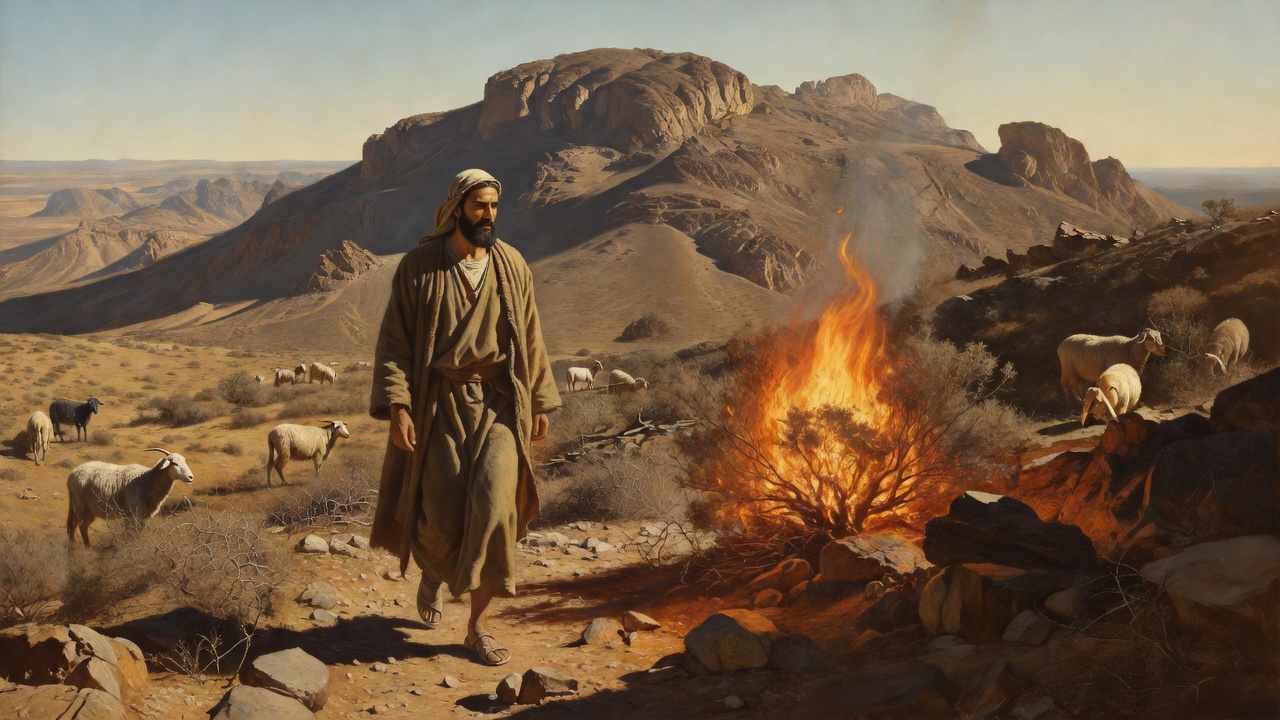
1Kɔ Musa ende pəyiɔnɛ wəkɛk yɔcɔl ya Yetero, papa ka wəran kɔn, nwɛ ɛnayɔnɛ wəloŋnɛ wəka Madiyaŋ mɔ. Dɔsɔk dɔlɔma, k'ende pəkekərɛ yɔcɔl k'encepər dətɛgbərɛ, k'ɛmbəp Horɛb tɔrɔ ta Kanu. 2Kɔ mɛlɛkɛ ma MARIKI mowurər kɔ dənɛnc dɛmar disrɛ, nde dɛrəntəm. Kɔ Musa ɔmɔmən, k'ɛnəŋk arəntəm fəp ŋɛcmar, mba ŋɛnctɛyɛ fɛ. 3Kɔ Musa ɛncɛm-cɛmnɛ: «Iluksərnɛ ma, imɔmən tes ntɛ intatɔnəŋk mɔ, ta ake tɔ arəntəm ŋɔntɔtɛyɛnɛ-ɛ?» 4Kɔ MARIKI ɛnəŋk a kəluksərnɛ kɔ Musa ɛndɛ kəkɔgbɛkərɛ tes ntɛ. Kɔ Kanu kəwe kɔ dəndo dɛrəntəm, k'oloku kɔ: «Musa! Musa!» K'owosɛnɛ kɔ: «In'ɛwɛ!» 5Kɔ Kanu kəloku kɔ: «Ta məcɔŋnɛ nnɔ, məwurɛ cɔfta dəwɛcək, bawo kəfo kaŋkɔ məncəmɛ mɔ, antɔf ŋosoku ŋɔ.» 6Kɔ kəndeŋər: «In'ɔyɔnɛ Kanu ka papa kam, Kanu ka Abraham, Kanu ka Siyaka, Kanu ka Yakuba.»
Kɔ Musa oŋkumpnɛ kəro, bawo ɛnanesɛ kəmɔmən Kanu. 7Kɔ MARIKI oloku: «Inəŋk belbel ntɛ antɔrəs afum em aŋɛ ŋayi Misira mɔ. Ine ntɛ ŋayi kəbokər kətɔrəs ka abɛ aŋɛ ŋancəmbər ŋa dacar fɔr kiriŋ mɔ, incərɛ pucuy paŋan. 8It'intorɛnɛ kədebaŋər ŋa aka Misira, ipɛnɛ ŋa sɔ atɔf ŋaŋɛ, ikekərɛ ŋa atɔf ŋobotu, atɔf ŋowokəlu disrɛ, nde atɔf ŋoboŋu dalɛ k’awop, atɔf nŋɛ aka Kanaŋ, aHit, aka Amɔr, aPerisi, aHiwy kɔ aYebus ŋandɛ mɔ. 9Kəbok ka aka Yisrayel kənder oŋ haŋ nnɔ iyi mɔ, k'inəŋk kətɔrəs kəlarəm nkɛ aka Misira ŋayi kətɔrəs afum em mɔ. 10Ndɛkəl oŋ məkɔ, isom əm ndena firawona. Məwurɛnɛ afum em aka Yisrayel Misira.»
Kanu kəmboncər tewe tɔn Musa
11Kɔ Musa eyif Kanu: «An'iyɔnɛ-ɛ, ntɛ indekɔ nda firawona, ikɔwurɛnɛ aka Yisrayel Misira mɔ?» 12Kɔ Kanu kəloku kɔ: «In'osol'am! Tɛgbɛkərɛ ntɛ tendesɔŋ'am kəcərɛ a in'osom əm: Ntɛ məndewurɛnɛ aka Yisrayel Misira mɔ, fəp fonu nəde nəcsalɛn'em nnɔ tɔrɔ ntɛ.» 13Kɔ Musa oloku kɔ: «K'iŋkɔ nnɔ aka Yisrayel ŋayi mɔ, ikɔ icloku ŋa: Kanu ka atem anu kəsom im nnɔ nəyi mɔ. Mba kɔ ŋaŋkɔyif im ntɛ aŋwe ki mɔ, cəke c'iŋkɔloku ŋa-ɛ?»
14Kɔ Kanu kəloku Musa: «Nwɛ iyɔnɛ mɔ, iyɔnɛ!» Kɔ kəndeŋər: «Ntɛ tɔ məŋkɔloku aka Yisrayel: Nwɛ aŋwe ‹Iyɔnɛ› osom im nnɔ nəyi mɔ.» 15Kɔ Kanu kəloku sɔ Musa: «Ntɛ tɔ məŋkɔloku aka Yisrayel: ‹MARIKI, Kanu ka atem anu, Kanu ka Abraham, ka Siyaka, ka Yakuba kəsom im nnɔ nəyi mɔ.› Tewe tem tɔ tatɔkɔ ta tɛm o tɛm, kɔ tɛcɛmcɛmnɛ tem tantɛ tɔ dɛtɛmp kɔ dɛtɛmp. 16Məkɔ məloŋka abeki aka Yisrayel, məloku ŋa: ‹MARIKI, Kanu ka atem anu Abraham, Siyaka, kɔ Yakuba owurər im.› Kɔ kəloku: ‹Incɛm-cɛmnɛ kəwurɛ nu pəcuca pɔkɔ ancəmbər nu Misira mɔ. 17K'iloku a kəwurɛnɛ nu k'inder kətɔrəs disrɛ nkɛ nəyi Misira mɔ, ikekərɛ nu atɔf ŋa aKanaŋ, aHit, aka Amɔr, aPerisi, aHiwy kɔ aYebus, atɔf nŋɛ ŋoboŋ dalɛ k’awop mɔ.›»
18«Aka Yisrayel ŋaŋkɔcəŋkəl dim dam, nəsol oŋ nəkɔ, məna kɔ abeki aka Yisrayel, ndena wəbɛ wəka Misira, nəloku kɔ: ‹MARIKI, Kanu ka aHebəre kəmbəp su. Ndɛkəl məwosɛ su kəkɔt marənt ma mata maas nde dətɛgbərɛ, ntɛ tɔŋsɔŋɛ səkɔ səloŋnɛ MARIKI Kanu kosu mɔ.› 19Ina incərɛ a wəbɛ ka Misira ɔfɔdekɔwosɛ nu kəkɔ, ta pəyɔnɛ fənɔntər fəsɔŋɛ kɔ ti-ɛ. 20Kətenci k'inder kəca isut Misira, mes mɛwɛy-wɛy mɔpɔŋ fəp m'indesutɛ Misira. Kɔ mes mamɔkɔ mencepər-ɛ, ŋadesak nu nəkɔ. 21Indesɔŋɛ aka Yisrayel ŋasɔtɔ kəmar ka kəbɔtər ka aka Misira. Kɔ nənde nəckɔ-ɛ, nəfɔdekɔ waca wɔsɔkər. 22Aran aka Yisrayel fəp ŋade ŋawer aran a Misira aŋɛ ŋayi ndaraŋan, kɔ pəyɔnɛ fɛ ti-ɛ, aran akɔ ŋandɛ mɔ, ca ca gbeti, ya kɛma kɔ yamos, nyɛ nəndesarsər awut anu arkun kɔ aran mɔ. Ntɛ tɔ nəbaŋər aka Misira ca cəŋan.»
Did you know?
The Call of Moses at the Burning Bush
- Moses is shepherding in Midian when this chapter begins. The Midianites were a nomadic Arabian tribe descended from Midian, Abraham's fourth son by Keturah, whose name is explained as strife. They lived chiefly in the desert north of Arabia, and the Sinai peninsula was grazing land for their flocks; it was there, after fleeing Egypt, that Moses became a servant and then the priest's son-in-law.Sources: the Bible text itself · Midian · Midian
- His father-in-law is Jethro, called the priest of Midian. Easton's Bible Dictionary (1897) equates that priest with Raguel and says that, if the two names belong to one man, Raguel may be regarded as his personal name and Jethro, meaning excellency, as an official title.Sources: the Bible text itself · Jethro
- Moses leads the flock to Horeb, the mountain of God. The name is explained as desert, or mountain, of the dried-up ground, a general term for the whole range of which Sinai was one summit; Easton's Bible Dictionary (1897) gives the modern name of the range as Jebel Musa and describes a huge block about two miles long and about one mile wide, with a very spacious plain called Er Rahah at its north-east end, where the Israelites later camped for nearly a year.Sources: the Bible text itself · Horeb
Notes written with AI assistance from open sources (Theographic Bible Metadata, CC BY-SA 4.0; Easton’s Bible Dictionary, public domain) and reviewed before publishing.
Places in this chapter
- Midian · 28.495, 35.012 · verse 1
- Mount Horeb · Today: Jebel Musa · 28.540, 33.973 · verse 1
- Egypt · 30.129, 31.308 · verses 7, 8, 10, 11, 12, 16, 17, 18, 19, 20, 22
Only places identified with high confidence are shown (90% or more according to the scholarly sources compiled by OpenBible). Period map: DARE (Digital Atlas of the Roman Empire), CC BY 4.0; modern map: © OpenStreetMap contributors; places: OpenBible.info (CC BY 4.0).
Credits and license for this translation
Kitabu ka Kanu
Portions of the Holy Bible in the Baga Sitemu language of Guinea
Des portions de la Sainte Bible dans la langue Baga Sitemu de Guinée
copyright © 2015 Pioneer Bible Translators
Language: Baga Sitemu
Translation by: Traducteurs Pionniers de la Bible
Contributor: Pioneer Bible Translators
This translation is made available to you under the terms of the
Creative Commons Attribution Share-Alike license 4.0.
You have permission to share and redistribute this Bible translation in any format and to make reasonable revisions and adaptations of this translation, provided that:
You include the above copyright and source information.
If you make any changes to the text, you must indicate that you did so in a way that makes it clear that the original licensor is not necessarily endorsing your changes.
If you redistribute this text, you must distribute your contributions under the same license as the original.
Pictures included with Scriptures and other documents on this site are licensed just for use with those Scriptures and documents.
For other uses, please contact the respective copyright owners.
Note that in addition to the rules above, revising and adapting God's Word involves a great responsibility to be true to God's Word. See Revelation 22:18-19.
2025-04-29
Source: http://ebible.org/bsp/ · eBible.org