Amós 8
Bibiri Kuyie Nnɑ́ɑǹtì Pɑ́tíri · Toque num versículo para ver as referências cruzadas.
Kuyie mbɛnkɛmɛ̀ Amɔɔsi kuhɔnku kùù ɑ̃ yɛtebɛ
1Kɛ̀ ti Yiɛ̀ nKuyie nni mbɛnkɛ kuhɔnku kɛ̀ kù pìɛ́kɛ́ yɛtebɛ yɛ̀ɛ̀ bi. 2Kɛ̀ kù m bekɛ kɛ dɔ̀: Amɔɔsi ɑ yɑ̀ bɑ? Kɛ̀ n dɔ̀: N yɑ̀ kuhɔnku nɛ̀ yɛtebɛ yɛ̀ɛ̀ bi. Kɛ̀ kù n nɑ́kɛ́ kɛ dɔ̀:
N nìtìbɛ̀ Isidɑyɛɛribɛ bimu,
bɛ̀ deèmù mɔ̀nnì diì tùɔ̀kɛ,
n tɛ̃́nkɛ í yóó bɛ̀ cĩ̀ɛ̃́.
3Dɛ yiè iyiɛ nyìì dìè ntɛkpɑ̀ɑ̀tìcĩ́ɛ̃̀tɛ̀ miɛkɛ
ì bo nɑɑ́ nyɛkúdɑbùò,
kɛ̀ bɛcíríbɛ̀ɛ sṹṹ nkɛ́ncóú cóú tipíìtì timɔu,
tinɑ́ɑǹtì í yó mbo dɛ yiè.
Mí ndi Yiɛ̀ nKuyie mmíì bɛ́i.
Kuyie nkpɑ̀nnɛ̀mɛ̀ bɛ̀ɛ̀ cií mbɛtɔbɛ̀ kɛ yo mbɛ kpɛrɛ
4Kɛ̀ ti Yiɛ̀ nKuyie mbɛ́i nkɛ dɔ̀:
Díndi bɛ̀ɛ̀ fɛ̃́ũnko bɛcĩ̀rìbɛ̀
kɛ dɔ́ kɛ́deè bɛsénnìbɛ̀,
kéntɛ́nɛ̀ kɛ́keè.
5Díndi bɛ̀ɛ̀ ɔ̃ nnɑ́ɑ́ nkɛ tú,
otɑ̃̀nkù pɑ̀nwè kó dibɑnnii mɔ́nnɛ́ kɛ́pɛ̃ɛ̃tɛ́
kɛ̀ tì fítɛ́ ti diitì,
tɛom̀pùtɛ̀ɛ mɔ́nnɛ́ kɛ́pɛ̃ɛ̃tɛ́
kɛ̀ ti óótɛ́ ti buɔ kɛ́cṹũnní tidiitì,
kɛ́yɑɑtɛ sibièpeé, kɛ́yíɛ́ idíítí,
kɛ́yɑɑtɛ cìdóò kó kucɛ̃́ɛ̃́kù.
6Kɛ do mbɛcĩ̀rìbɛ̀,
kɛ fiiti bɛsénnìbɛ̀ tinɛùtì mɛhɑ̃nnímɛ̀ mɛ̀mɑ́ɑ̀ kó dibɑ̀nnì kpɛ́í,
kɛ fiitinɛ̀ tiyofùtì bɛnìtìbɛ̀.
7Mɛm̀mɛ kɛ̀ ti Yiɛ̀ nKuyie mbɛ́i nkɛ́pɑrìkɛ̀ kɛ dɔ̀:
Mí ndi Yiɛ̀ nKuyie m bɛ́immu kɛ tú:
Nɛ̀ Isidɑyɛɛribɛ kó tɛfentɛ̀ kpɛ́í
n yí yóó yɛ̃̀ mbɛ dɔɔ̀rìmɛ̀ mɑmɛ̀.
8Nɛ̀ dɛ kpɛ́í kɛtenkɛ̀ bo ɑɑ́,
bɛ̀ɛ̀ bo kɛ miɛkɛ kɛ̀ bɛ̀ɛ kɔmmú yɛkúdɑbùò,
kɛtenkɛ̀ bo ítɛ́ní kɛ́doroo mɛniɛ
nhɔ̃ɔ̃ tɑ Esibiti kó kukó nNiiri kɛ́ yĩ́mɛ̀.
9Dɛ kó diyiè,
diyiè bo tɑ kuyie ncuokɛ̀
dɛ̀ bo nɑɑ́ nkɛyènkɛ̀ kuyie ncuokɛ̀.
Mí ndi Yiɛ̀ nKuyie mmíì bɛ́i.
10Di bɑɑ mbo nɑɑ́ nyɛkúdɑbùò,
nkɛ̀ di yiɛ nnɑɑ́ nyisɑ́útìi,
bɛnìtìbɛ̀ bɛmɔu bo dɑ́ɑ́tí tifɔ̀ɔ̀tɔ̃̀ntì
kɛ́kuó mɛyùbii,
kutenkù kumɔu bɛnìtìbɛ̀ bo nkuɔ̀,
wèè mɔ̀kɛ dɛbirɛ dɛmɑ́ɑ̀ dɛ̀ ɔ̃ɔ̃ kú kòò nkuɔ̀mmɛ̀.
Dɛ kó dihɛì borimɛ bo tiikɛ mɛdɔ̀mmɛ̀ kɔ̃mɛ.
Kuyie nnɑ́ɑǹtì kó dikònnì nɛ̀ ti kó sinɛ́yɛ̃ĩ yóó pĩ́mmɛ̀ bɛnìtìbɛ̀
11Kɛ̀ ti Yiɛ̀ nKuyie mbɛ́i nkɛ dɔ̀:
Dɛ yiè kpɑɑnímu
kɛ̀ m bo duɔ́ nkɛ̀ dikònnì nɛ̀ sinɛ́yɛ̃ĩ kɛ̀ dɛ̀ɛ tɑnní.
Dɛ̀ í tú dikònnì dìì ɔ̃ɔ̃ dɑ pĩ́ nkɑ̀ɑ di muciɛ̀
nɛ̀ sinɛ́yɛ̃ĩ sìì ɔ̃ɔ̃ dɑ pĩ́ nkɑ̀ɑ yɑ̃̀ mɛniɛ.
N nɑ́ɑǹtì kó dikònnì ndi nɛ̀ ti kó sinɛ́yɛ̃ĩ.
12Bɛnìtìbɛ̀ bo nhɑ̀rì tipíìtì timɔu,
kubɑkù yoú nɛ̀ kucɑ̃̀nku,
diyiè yìɛ̀ kɛ̀ɛ̀ bíɛ́kɛ̀ nɛ̀ dì tɑɑ̀ kɛ̀ɛ̀ bíɛ́kɛ̀,
kɛ wɑnti kɛ bo keè n nɑ́ɑǹtì bɛ̀ mɛ mbɑ́ɑ́ tì pɛ̀tɛ́.
13Dɛ yiè bɛsɑpùnsɑ́ɑ́tìbɛ̀ nɛ̀ bɛdɑpùnsɑ́ɑ́tìbɛ̀
bɛ̀ bo mɔ́tɛ́nɛ̀ sinɛ́yɛ̃ĩ.
14Bɛ̀ɛ̀ kó dimɑ̀ɑ̀ pɑ̀rìkunɛ̀
tɛbɔɔtenkɑɑnìtɛ̀ tɛ̀ɛ̀ bo Sɑmmɑrii
nɛ̀ Dɑnni kɔbɛ kó dibɔɔ̀ nɛ̀ Bɛɛrisebɑɑ kó ditɔ̀nnì,
bɛ̀ bo do bɑ́ bɛ̀ tɛ̃́nkɛ bɑ́ɑ́ ítɛ́ bìtì!
Você sabia?
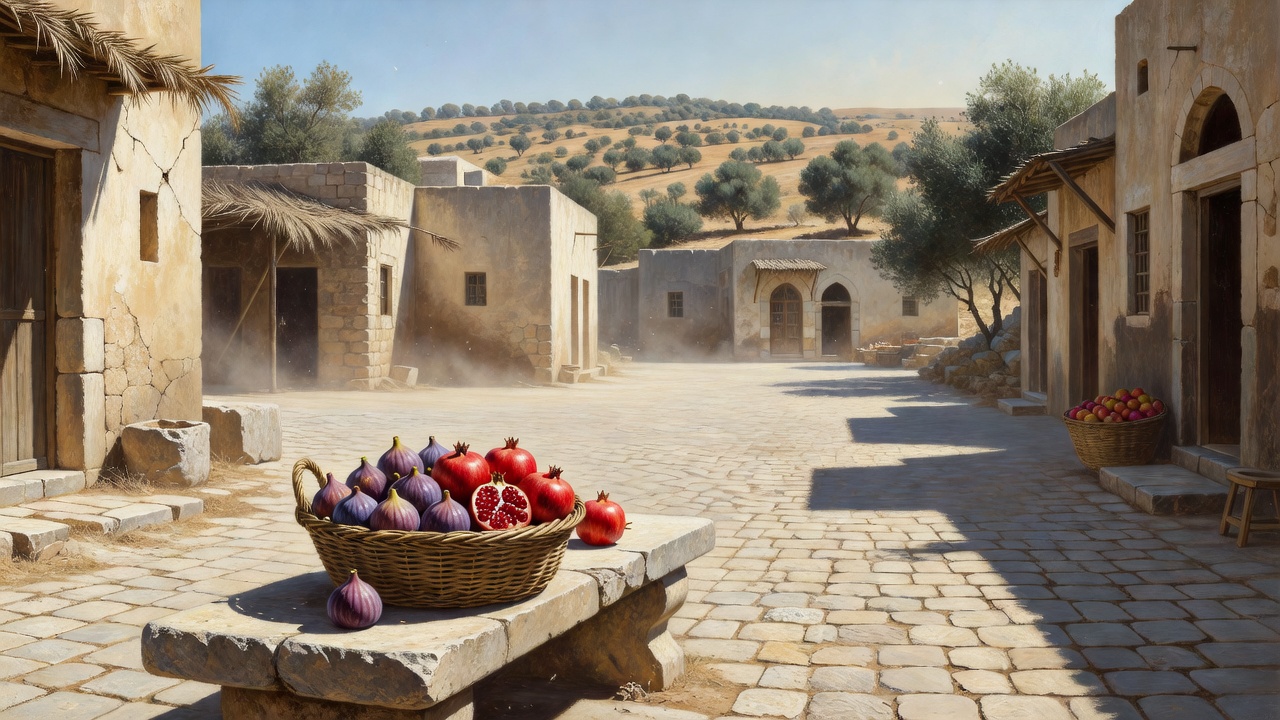
O cesto de frutos de verão e a fome que se aproxima
- Amós condenou os comerciantes que se impacientavam com as celebrações religiosas, como a Lua Nova e o sábado, porque elas interrompiam o comércio. Esses negociantes procuravam fraudar os compradores reduzindo a medida de cereal (o efa), aumentando o preço (o siclo), usando balanças desonestas e vendendo palha imprestável aos necessitados.Fontes: o próprio texto bíblico
- Para descrever o abalo catastrófico que aguardava a terra, o profeta comparou o subir e descer do solo às inundações anuais do rio Nilo no Egito.Fontes: o próprio texto bíblico · Egypt
- Amós advertiu sobre uma grave crise espiritual: uma fome que não seria de pão nem de água, mas de ouvir as palavras do Senhor. Ele retratou pessoas vagando exaustas de mar a mar por toda a terra em busca de orientação divina, sem conseguir encontrá-la.Fontes: o próprio texto bíblico
Notas escritas com auxílio de IA a partir de fontes abertas (Theographic Bible Metadata, CC BY-SA 4.0; Easton’s Bible Dictionary, domínio público) e revisadas antes de publicar.
Lugares deste capítulo
- Egypt · 30.129, 31.308 · versículo 8
- Nile · Hoje: Nile River · 31.465, 30.367 · versículo 8
- Dan · Hoje: Tel Dan · 33.249, 35.652 · versículo 14
- Samaria · 32.276, 35.195 · versículo 14
Só aparecem lugares com identificação de alta confiança (90% ou mais segundo as fontes acadêmicas reunidas pelo OpenBible). Mapa da época: DARE (Digital Atlas of the Roman Empire), CC BY 4.0; mapa atual: © colaboradores do OpenStreetMap; lugares: OpenBible.info (CC BY 4.0).
Créditos e licença desta tradução
Bibiri Kuyie Nnɑ́ɑǹtì Pɑ́tíri
The Holy Bible in the Ditammari language of Benin
copyright © 2001 SIM International
Language: Ditammari
Translation by: SIM
This translation text is made available to you under the
terms of the Creative Commons License: Attribution-Noncommercial-No Derivative Works.
( http://creativecommons.org/licenses/by-nc-nd/3.0/ )
In addition, you have permission to port the text to different file formats, as long as you
do not change any of the text or punctuation of the Bible.
You may share, copy, distribute, transmit, and extract portions
or quotations from this work, provided that you include the above copyright
information:
You must give Attribution to the work.
You do not sell this work for a profit.
You do not make any derivative works that change any of the actual words or punctuation of the Scriptures.
Permissions beyond the scope of this license may be
available if you contact
us with your request.
This translation is made available to you under the terms of the
Creative Commons Attribution-No Derivatives license 4.0.
You may share and redistribute this Bible translation or extracts from it in any format, provided that:
You include the above copyright and source information.
You do not make any derivative works that change any of the actual words or punctuation of the Scriptures.
Pictures included with Scriptures and other documents on this site are licensed just for use with those Scriptures and documents.
For other uses, please contact the respective copyright owners.
2022-05-31
Fonte: http://ebible.org/tbzsim/ · eBible.org