Filipenses 1
Berean Standard Bible · Toque num versículo para ver as referências cruzadas.
Sobre este livro
Sobre Filipenses
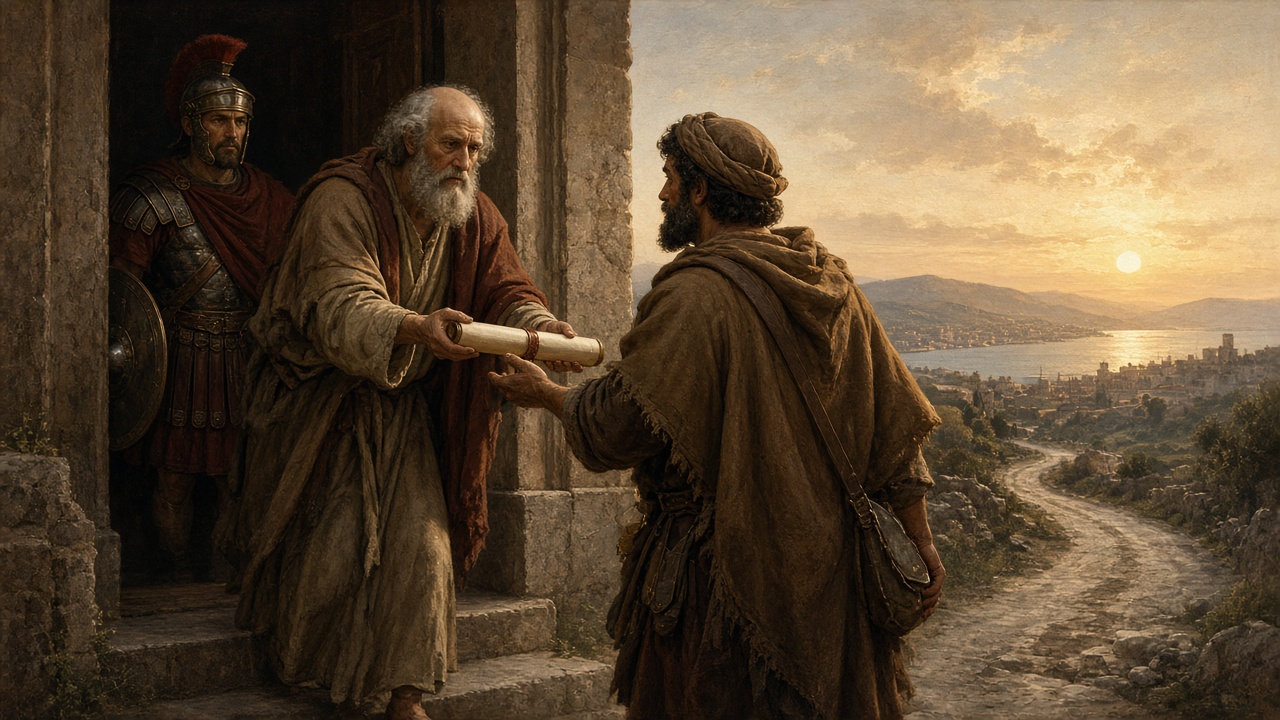
- O Dicionário Bíblico de Easton (1897) atribui a carta aos Filipenses a Paulo e a data dos dois anos em que ele esteve preso em Roma, provavelmente no início de 62 d.C. ou no fim de 61.Fontes: Easton: Philippians, Epistle to
- Filipos, antes chamada Crênides, era a capital da província romana da Macedônia, cerca de oito milhas a noroeste de Kavalla. Filipe da Macedônia fortificou a antiga cidade trácia e deu-lhe o nome de Filipos (359–336 a.C.); sob o imperador Augusto, tornou-se uma colônia romana, um assentamento militar de soldados romanos descrito como uma Roma em miniatura. O Dicionário Bíblico de Easton chama a igreja dali de as primícias do cristianismo europeu.Fontes: Philippi · Macedonia · Easton: Philippians, Epistle to
- Segundo Easton, os filipenses enviaram seu mensageiro Epafrodito com contribuições para as necessidades de Paulo, e Paulo mandou esta carta de volta com ele quando regressou. Easton afirma que só eles, entre as igrejas, ajudaram Paulo com suas contribuições, o que a carta reconhece, embora os convertidos da Macedônia fossem, em geral, muito pobres.Fontes: Easton: Philippians, Epistle to
- O relato de Easton sobre a carta oferece um vislumbre da igreja em Roma: a prisão de Paulo, escreve ele, não impediu o evangelho, mas contribuiu para o seu avanço, e a mensagem se espalhou entre os soldados romanos com quem Paulo estava em contato constante. Ele relaciona de perto o ensino da carta com o de Romanos e observa que Filipenses 2:5–11 apresenta a glória pessoal de Cristo em linguagem próxima à de passagens de Efésios e Colossenses. Aponta também para Filipenses 3:20, onde a igreja é apresentada como uma cidade ou comunidade política.Fontes: Easton: Philippians, Epistle to
- Evódia, mulher da igreja de Filipos, é descrita como alguém que trabalhou muito com Paulo no evangelho. Paulo exorta a ela e a Síntique a terem o mesmo modo de pensar, e o verbete infere daí que as duas estavam em desacordo. Clemente, cristão de Filipos a quem Paulo chama de colaborador e cujo nome menciona como escrito no livro da vida, foi identificado por alguns escritores antigos com Clemente de Roma.Fontes: Euodias · Syntyche · Clement
Notas escritas com auxílio de IA a partir de fontes abertas (Theographic Bible Metadata, CC BY-SA 4.0; Easton’s Bible Dictionary, domínio público) e revisadas antes de publicar.
Greetings from Paul and Timothy
1Paul and Timothy, servants of Christ Jesus,
To all the saints in Christ Jesus at Philippi, together with the overseers and deacons:
2Grace and peace to you from God our Father and the Lord Jesus Christ.
Thanksgiving and Prayer
3I thank my God every time I remember you. 4In every prayer for all of you, I always pray with joy, 5because of your partnership in the gospel from the first day until now, 6being confident of this, that He who began a good work in you will carry it on to completion until the day of Christ Jesus.
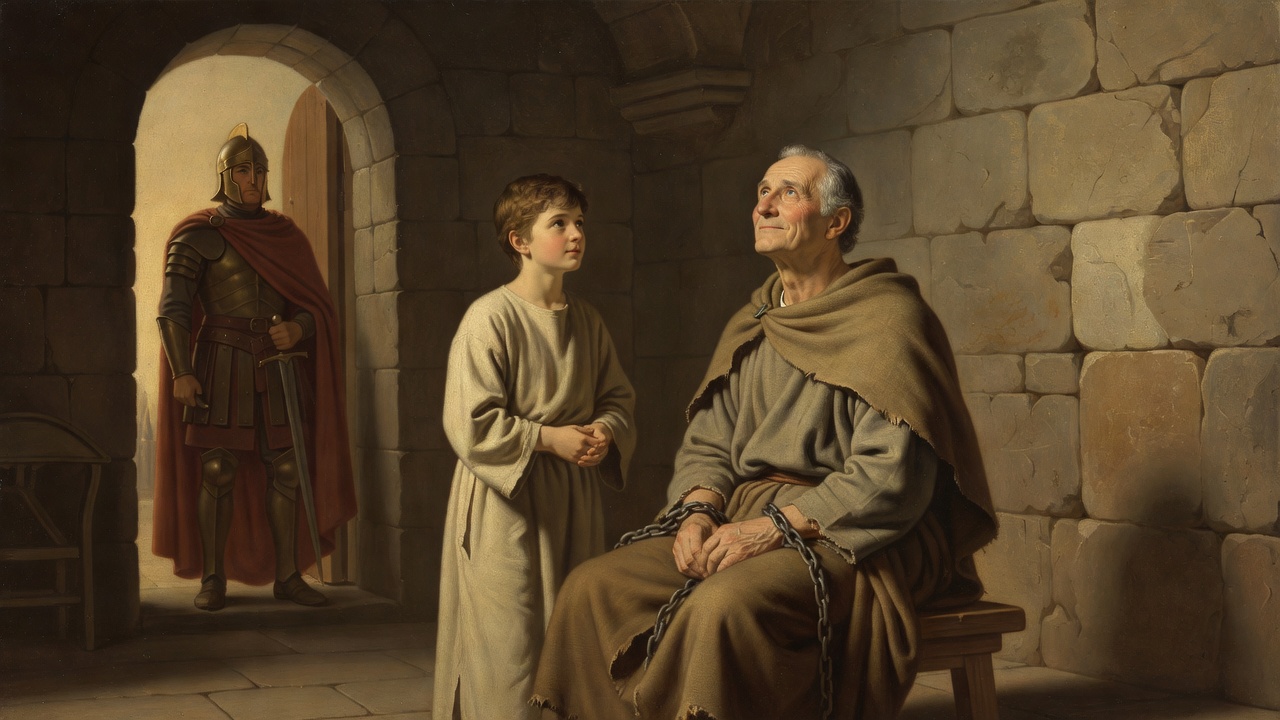
7It is right for me to feel this way about all of you, since I have you in my heart. For in my chains and in my defense and confirmation of the gospel, you are all partners in grace with me. 8God is my witness how I long for all of you with the affection of Christ Jesus.
9And this is my prayer: that your love may abound more and more in knowledge and depth of insight, 10so that you may be able to test and prove what is best and may be pure and blameless for the day of Christ, 11filled with the fruit of righteousness that comes through Jesus Christ, to the glory and praise of God.
Paul’s Trials Advance the Gospel
12Now I want you to know, brothers, that my circumstances have actually served to advance the gospel. 13As a result, it has become clear throughout the whole palace guard and to everyone else that I am in chains for Christ. 14And most of the brothers, confident in the Lord by my chains, now dare more greatly to speak the word without fear.
15It is true that some preach Christ out of envy and rivalry, but others out of goodwill. 16The latter do so in love, knowing that I am appointed for the defense of the gospel. 17The former, however, preach Christ out of selfish ambition, not sincerely, supposing that they can add to the distress of my chains.
18What then is the issue? Just this: that in every way, whether by false motives or true, Christ is preached. And in this I rejoice. Yes, and I will continue to rejoice, 19because I know that through your prayers and the provision of the Spirit of Jesus Christ, my distress will turn out for my deliverance. 20I eagerly expect and hope that I will in no way be ashamed, but will have complete boldness so that now as always Christ will be exalted in my body, whether by life or by death.
To Live Is Christ
21For to me, to live is Christ, and to die is gain. 22But if I go on living in the body, this will mean fruitful labor for me. So what shall I choose? I do not know. 23I am torn between the two. I desire to depart and be with Christ, which is far better indeed. 24But it is more necessary for you that I remain in the body.
25Convinced of this, I know that I will remain and will continue with all of you for your progress and joy in the faith, 26so that through my coming to you again your exultation in Christ Jesus will resound on account of me.
Worthy of the Gospel
27Nevertheless, conduct yourselves in a manner worthy of the gospel of Christ. Then, whether I come and see you or only hear about you in my absence, I will know that you stand firm in one spirit, contending side by side for the faith of the gospel, 28without being frightened in any way by those who oppose you. This is a clear sign of their destruction but of your salvation, and it is from God. 29For it has been granted to you on behalf of Christ not only to believe in Him, but also to suffer for Him, 30since you are encountering the same struggle you saw I had, and now hear that I still have.
Você sabia?
Parceria e alegria nas correntes
- Filipos, a cidade nomeada nesta carta, chamava-se antes Crênides, que significa a fonte, e era a capital da província da Macedônia. Filipe da Macedônia fortificou a antiga cidade trácia e deu-lhe o nome de Filipos (359–336 a.C.). No tempo do imperador Augusto, tornou-se uma colônia romana, um assentamento militar de soldados romanos instalado para controlar o distrito recém-conquistado, e uma Roma em miniatura.Fontes: Philippi · o próprio texto bíblico
- A saudação nomeia Paulo e Timóteo como servos de Cristo Jesus. Timóteo, cujo nome significa que honra a Deus, era um jovem discípulo e companheiro de Paulo em muitas viagens, e Paulo o considerava seu próprio filho na fé. Sua mãe, Eunice, e sua avó, Loide, eram eminentes por sua piedade, e seu pai era grego.Fontes: Timotheus · o próprio texto bíblico
- Paulo escreve que está em correntes e que isso ficou claro em toda a guarda do palácio e para todos os demais. Ele chama os crentes de Filipos de parceiros seus nas suas correntes e na defesa e confirmação do evangelho. Agradece a Deus pela parceria deles no evangelho desde o primeiro dia até agora.Fontes: o próprio texto bíblico
Notas escritas com auxílio de IA a partir de fontes abertas (Theographic Bible Metadata, CC BY-SA 4.0; Easton’s Bible Dictionary, domínio público) e revisadas antes de publicar.
Lugares deste capítulo
- Philippi · 41.012, 24.285 · versículo 1
Só aparecem lugares com identificação de alta confiança (90% ou mais segundo as fontes acadêmicas reunidas pelo OpenBible). Mapa da época: DARE (Digital Atlas of the Roman Empire), CC BY 4.0; mapa atual: © colaboradores do OpenStreetMap; lugares: OpenBible.info (CC BY 4.0).
Créditos e licença desta tradução
Berean Standard Bible
The Holy Bible in English: Berean Standard Bible
Public Domain
Language: English
Contributor: BSB Publishing, LLC
2026-10-02
Fonte: http://ebible.org/engbsb/ · eBible.org