Philippians 1
Berean Standard Bible · Tap a verse to see its cross-references.
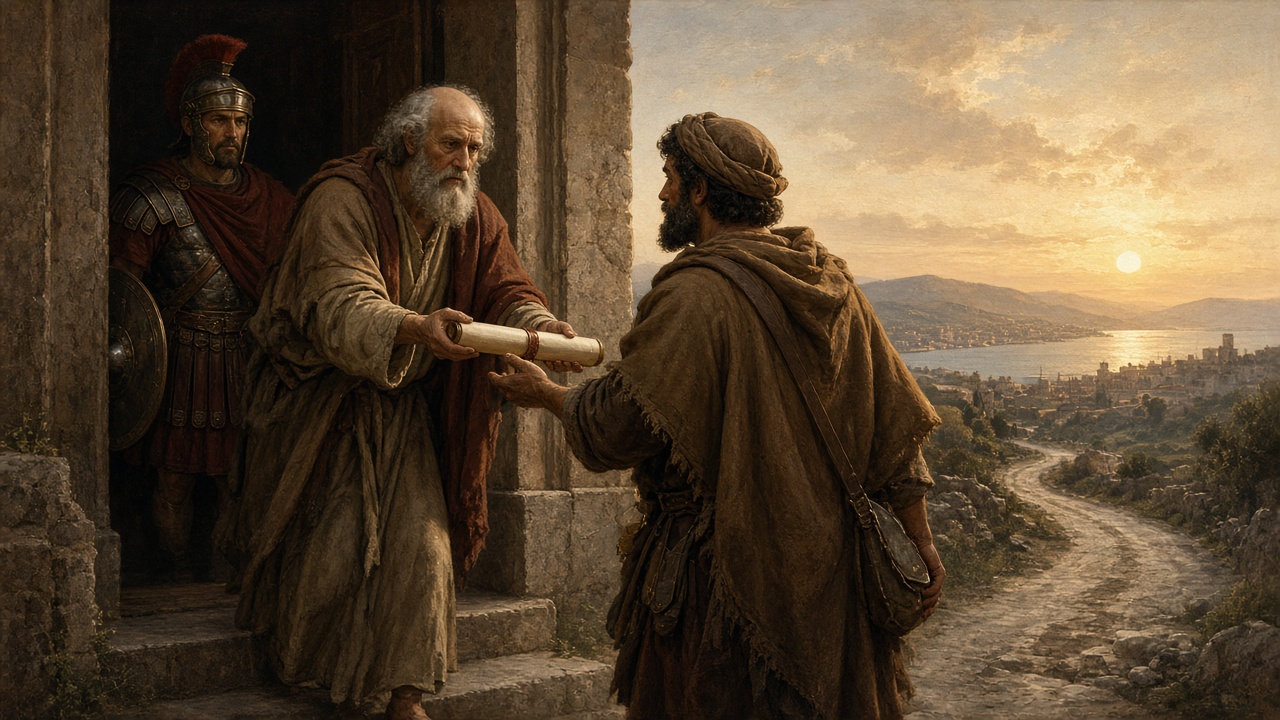
About this book
About Philippians
- Easton's Bible Dictionary (1897) attributes the Letter to the Philippians to Paul and dates it to the two years he was in bonds in Rome, probably early in A.D. 62 or at the end of 61.Sources: Easton: Philippians, Epistle to
- Philippi, formerly called Crenides, was the capital of the Roman province of Macedonia, about eight miles northwest of Kavalla. Philip of Macedonia fortified the older Thracian town and named it Philippi (359–336 B.C.); under the emperor Augustus it became a Roman colony, a military settlement of Roman soldiers described as a miniature Rome. Easton's Bible Dictionary calls the church there the first-fruits of European Christianity.Sources: Philippi · Macedonia · Easton: Philippians, Epistle to
- According to Easton, the Philippians sent their messenger Epaphroditus with contributions for Paul's needs, and Paul sent this letter back with him on his return. Easton states that they alone among the churches helped Paul by their contributions, which the letter acknowledges, even though the Macedonian converts were, as a class, very poor.Sources: Easton: Philippians, Epistle to
- Easton's account of the letter offers a glimpse of the church in Rome: Paul's imprisonment, he writes, did not hinder the gospel but furthered it, and the message spread among the Roman soldiers with whom Paul was in constant contact. He relates the letter's teaching closely to Romans, and notes that Philippians 2:5–11 sets forth the personal glory of Christ in language close to passages in Ephesians and Colossians. He also points to Philippians 3:20, where the church is presented as a city or commonwealth.Sources: Easton: Philippians, Epistle to
- Euodias, a woman of the church at Philippi, is described as having laboured much with Paul in the gospel. Paul exhorts her and Syntyche to be of one mind, and the dictionary entry infers from this that the two had been at variance. Clement, a Christian of Philippi whom Paul calls a fellow-labourer and names as written in the book of life, was identified by some ancient writers with Clement of Rome.Sources: Euodias · Syntyche · Clement
Notes written with AI assistance from open sources (Theographic Bible Metadata, CC BY-SA 4.0; Easton’s Bible Dictionary, public domain) and reviewed before publishing.
Greetings from Paul and Timothy
1Paul and Timothy, servants of Christ Jesus,
To all the saints in Christ Jesus at Philippi, together with the overseers and deacons:
2Grace and peace to you from God our Father and the Lord Jesus Christ.
Thanksgiving and Prayer
3I thank my God every time I remember you. 4In every prayer for all of you, I always pray with joy, 5because of your partnership in the gospel from the first day until now, 6being confident of this, that He who began a good work in you will carry it on to completion until the day of Christ Jesus.
7It is right for me to feel this way about all of you, since I have you in my heart. For in my chains and in my defense and confirmation of the gospel, you are all partners in grace with me. 8God is my witness how I long for all of you with the affection of Christ Jesus.
9And this is my prayer: that your love may abound more and more in knowledge and depth of insight, 10so that you may be able to test and prove what is best and may be pure and blameless for the day of Christ, 11filled with the fruit of righteousness that comes through Jesus Christ, to the glory and praise of God.
Paul’s Trials Advance the Gospel
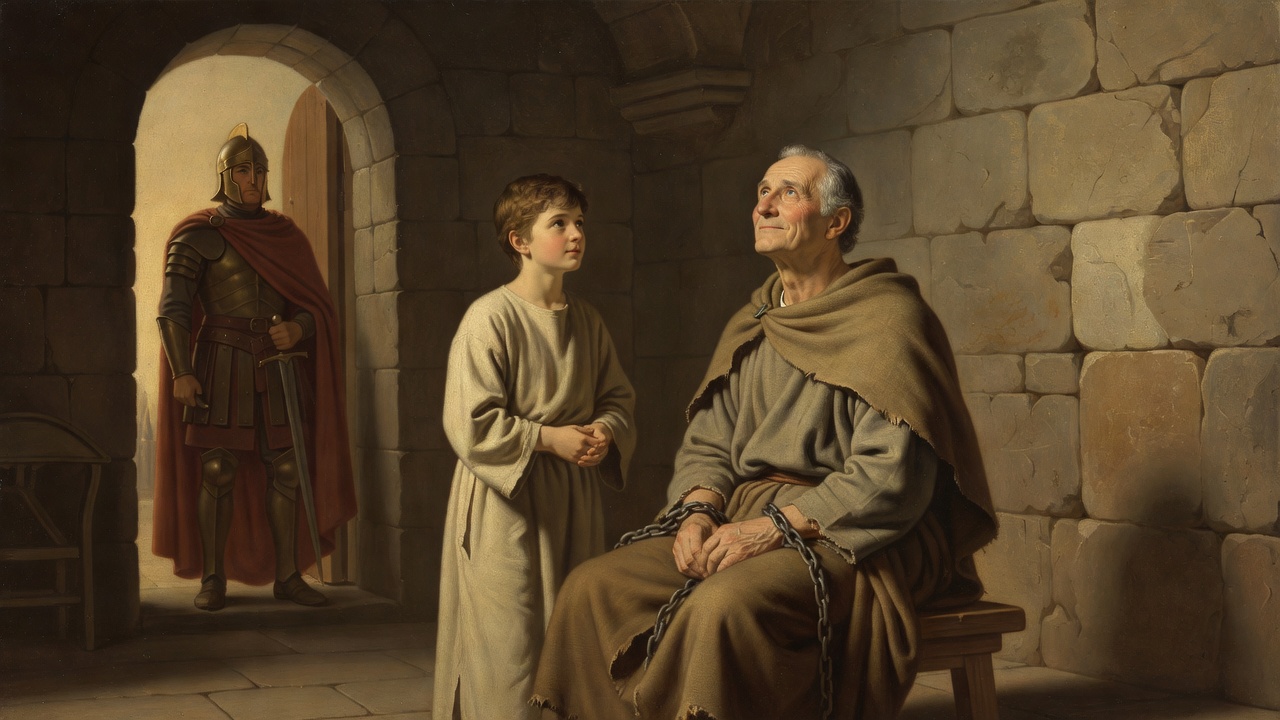
12Now I want you to know, brothers, that my circumstances have actually served to advance the gospel. 13As a result, it has become clear throughout the whole palace guard and to everyone else that I am in chains for Christ. 14And most of the brothers, confident in the Lord by my chains, now dare more greatly to speak the word without fear.
15It is true that some preach Christ out of envy and rivalry, but others out of goodwill. 16The latter do so in love, knowing that I am appointed for the defense of the gospel. 17The former, however, preach Christ out of selfish ambition, not sincerely, supposing that they can add to the distress of my chains.
18What then is the issue? Just this: that in every way, whether by false motives or true, Christ is preached. And in this I rejoice. Yes, and I will continue to rejoice, 19because I know that through your prayers and the provision of the Spirit of Jesus Christ, my distress will turn out for my deliverance. 20I eagerly expect and hope that I will in no way be ashamed, but will have complete boldness so that now as always Christ will be exalted in my body, whether by life or by death.
To Live Is Christ
21For to me, to live is Christ, and to die is gain. 22But if I go on living in the body, this will mean fruitful labor for me. So what shall I choose? I do not know. 23I am torn between the two. I desire to depart and be with Christ, which is far better indeed. 24But it is more necessary for you that I remain in the body.
25Convinced of this, I know that I will remain and will continue with all of you for your progress and joy in the faith, 26so that through my coming to you again your exultation in Christ Jesus will resound on account of me.
Worthy of the Gospel
27Nevertheless, conduct yourselves in a manner worthy of the gospel of Christ. Then, whether I come and see you or only hear about you in my absence, I will know that you stand firm in one spirit, contending side by side for the faith of the gospel, 28without being frightened in any way by those who oppose you. This is a clear sign of their destruction but of your salvation, and it is from God. 29For it has been granted to you on behalf of Christ not only to believe in Him, but also to suffer for Him, 30since you are encountering the same struggle you saw I had, and now hear that I still have.
Did you know?
Partnership and Joy in Chains
- Philippi, the city named in this letter, was formerly Crenides, meaning the fountain, and the capital of the province of Macedonia. Philip of Macedonia fortified the old Thracian town and called it Philippi (359–336 B.C.). Under the Emperor Augustus it became a Roman colony, a military settlement of Roman soldiers planted to control the recently conquered district, and a miniature Rome.Sources: Philippi · the Bible text itself
- The greeting names both Paul and Timothy as servants of Christ Jesus. Timothy, whose name means honouring God, was a young disciple and Paul's companion on many journeys, and Paul regarded him as his own son in the faith. His mother Eunice and grandmother Lois were eminent for their piety, and his father was a Greek.Sources: Timotheus · the Bible text itself
- Paul writes that he is in chains, and that this has become clear throughout the whole palace guard and to everyone else. He calls the believers at Philippi partners with him in his chains and in the defense and confirmation of the gospel. He thanks God for their partnership in the gospel from the first day until now.Sources: the Bible text itself
Notes written with AI assistance from open sources (Theographic Bible Metadata, CC BY-SA 4.0; Easton’s Bible Dictionary, public domain) and reviewed before publishing.
Places in this chapter
- Philippi · 41.012, 24.285 · verse 1
Only places identified with high confidence are shown (90% or more according to the scholarly sources compiled by OpenBible). Period map: DARE (Digital Atlas of the Roman Empire), CC BY 4.0; modern map: © OpenStreetMap contributors; places: OpenBible.info (CC BY 4.0).
Credits and license for this translation
Berean Standard Bible
The Holy Bible in English: Berean Standard Bible
Public Domain
Language: English
Contributor: BSB Publishing, LLC
2026-10-02
Source: http://ebible.org/engbsb/ · eBible.org