1 Coríntios 1
Berean Standard Bible · Toque num versículo para ver as referências cruzadas.
Sobre este livro
Sobre 1 Coríntios
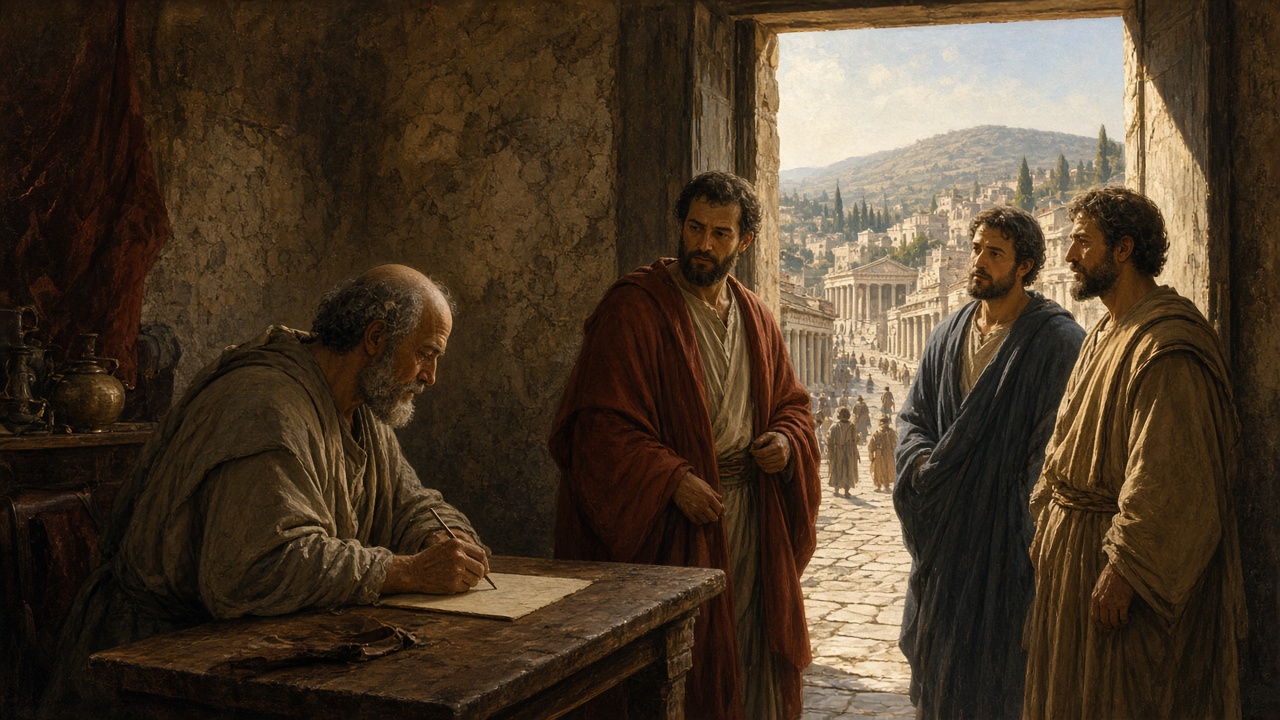
- O Dicionário Bíblico de Easton (1897) apresenta a Primeira Epístola aos Coríntios como uma carta do apóstolo Paulo, escrita em Éfeso, capital da Ásia proconsular, por volta da época da Páscoa, no terceiro ano de sua permanência ali, provavelmente em 57 d.C., quando ele planejava visitar a Macedônia e depois voltar a Corinto.Fontes: Easton: Corinthians, First Epistle to the · Ephesus
- Corinto ficava no istmo que liga o Peloponeso ao continente da Grécia, cerca de quarenta e oito milhas a oeste de Atenas. A cidade conhecida no Novo Testamento havia sido reconstruída cerca de um século depois que os romanos destruíram a cidade antiga em 146 a.C., foi povoada por uma colônia de libertos vindos de Roma e tornou-se a sede do governo do sul da Grécia, a província da Acaia; era notável por sua riqueza e pelos hábitos luxuosos e imorais de seu povo.Fontes: Corinth · Achaia
- Segundo Easton, notícias de abusos e contendas chegaram a Paulo primeiro por meio de Apolo, depois por uma carta que os coríntios lhe haviam escrito, por membros da casa de Cloé e por Estéfanas e dois amigos que o visitaram. Estéfanas era membro da igreja em Corinto, e sua casa estava entre os que Paulo havia batizado; Apolo, um judeu de Alexandria que havia trabalhado em Corinto, tinha ali discípulos muito apegados a ele. Paulo escreveu para conter o espírito faccioso, corrigir opiniões errôneas e remediar práticas desordenadas, e Easton entende que Tito e um irmão não nomeado provavelmente levaram a carta.Fontes: Easton: Corinthians, First Epistle to the · Apollos · Stephanas
- Easton divide a carta em quatro partes: as divisões e contendas de partido entre os coríntios (capítulos 1-4); casos notórios de imoralidade (capítulos 5-6); questões de doutrina e de ética cristã suscitadas pelas comunicações deles, especialmente abusos na celebração da Ceia do Senhor (capítulos 7-14); e uma defesa da ressurreição dos mortos, que alguns entre eles haviam posto em dúvida, seguida de instruções gerais, avisos e saudações (capítulos 15-16).Fontes: Easton: Corinthians, First Epistle to the
- A subscrição na Versão Autorizada afirma erroneamente que a carta foi escrita em Filipos; Easton atribui esse erro a uma tradução equivocada de 1 Coríntios 16:5. Ele também observa que Paulo descreveu a redação como feita em meio a muita aflição e pressão no coração, e com lágrimas escorrendo dos olhos.Fontes: Easton: Corinthians, First Epistle to the
Notas escritas com auxílio de IA a partir de fontes abertas (Theographic Bible Metadata, CC BY-SA 4.0; Easton’s Bible Dictionary, domínio público) e revisadas antes de publicar.
Greetings from Paul and Sosthenes
1Paul, called to be an apostle of Christ Jesus by the will of God, and our brother Sosthenes,
2To the church of God in Corinth, to those sanctified in Christ Jesus and called to be holy, together with all those everywhere who call on the name of our Lord Jesus Christ, their Lord and ours:
3Grace and peace to you from God our Father and the Lord Jesus Christ.
Thanksgiving
4I always thank my God for you because of the grace He has given you in Christ Jesus. 5For in Him you have been enriched in every way, in all speech and all knowledge, 6because our testimony about Christ was confirmed in you.
7Therefore you do not lack any spiritual gift as you eagerly await the revelation of our Lord Jesus Christ. 8He will sustain you to the end, so that you will be blameless on the day of our Lord Jesus Christ. 9God, who has called you into fellowship with His Son Jesus Christ our Lord, is faithful.
Unity in the Church
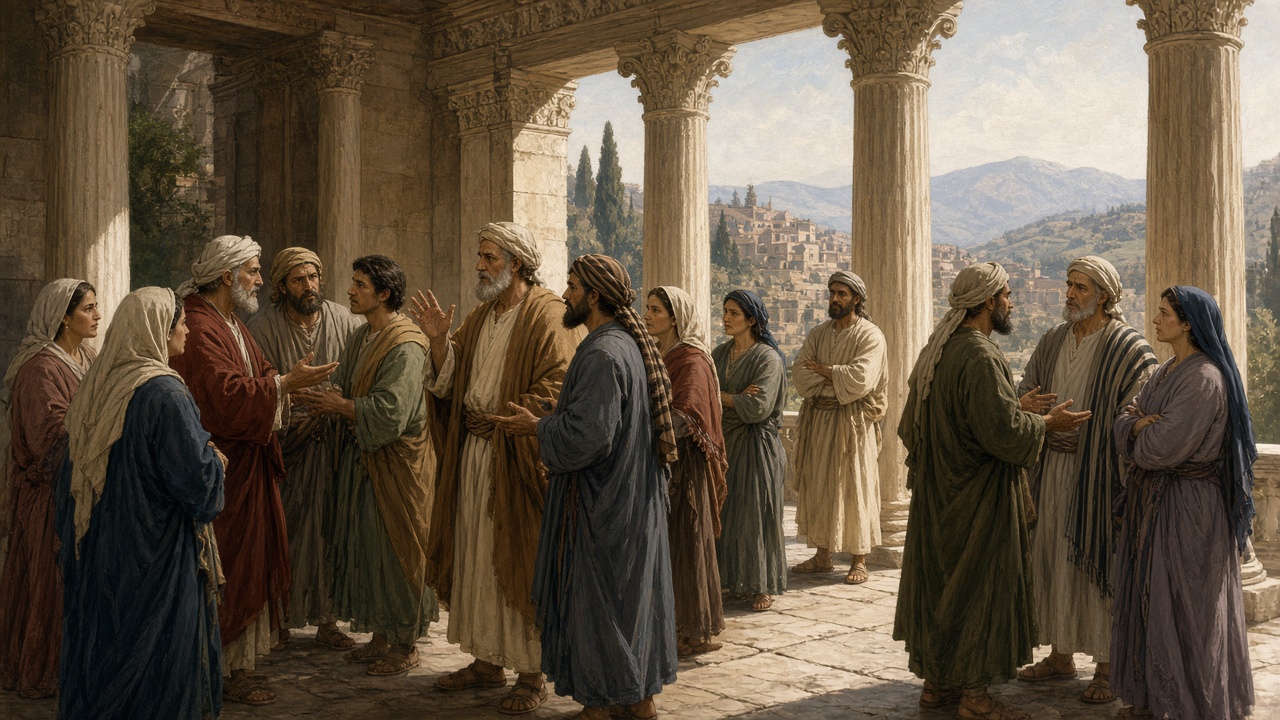
10I appeal to you, brothers, in the name of our Lord Jesus Christ, that all of you agree together, so that there may be no divisions among you and that you may be united in mind and conviction. 11My brothers, some from Chloe’s household have informed me that there are quarrels among you. 12What I mean is this: Individuals among you are saying, “I follow Paul,” “I follow Apollos,” “I follow Cephas,” or “I follow Christ.”
13Is Christ divided? Was Paul crucified for you? Were you baptized into the name of Paul? 14I thank God that I did not baptize any of you except Crispus and Gaius, 15so no one can say that you were baptized into my name. 16Yes, I also baptized the household of Stephanas; beyond that I do not remember if I baptized anyone else. 17For Christ did not send me to baptize, but to preach the gospel, not with words of wisdom, lest the cross of Christ be emptied of its power.
The Message of the Cross
18For the message of the cross is foolishness to those who are perishing, but to us who are being saved it is the power of God. 19For it is written:
“I will destroy the wisdom of the wise;
the intelligence of the intelligent I will frustrate.”
20Where is the wise man? Where is the scribe? Where is the philosopher of this age? Has not God made foolish the wisdom of the world? 21For since in the wisdom of God the world through its wisdom did not know Him, God was pleased through the foolishness of what was preached to save those who believe.
22Jews demand signs and Greeks search for wisdom, 23but we preach Christ crucified, a stumbling block to Jews and foolishness to Gentiles, 24but to those who are called, both Jews and Greeks, Christ the power of God and the wisdom of God.
25For the foolishness of God is wiser than man’s wisdom, and the weakness of God is stronger than man’s strength.
Wisdom from God
26Brothers, consider the time of your calling: Not many of you were wise by human standards; not many were powerful; not many were of noble birth. 27But God chose the foolish things of the world to shame the wise; God chose the weak things of the world to shame the strong. 28He chose the lowly and despised things of the world, and the things that are not, to nullify the things that are, 29so that no one may boast in His presence.
30It is because of Him that you are in Christ Jesus, who has become for us wisdom from God: our righteousness, holiness, and redemption. 31Therefore, as it is written: “Let him who boasts boast in the Lord.”
Você sabia?
Divisões e a cruz em Corinto
- Corinto, a cidade a que esta carta se dirige, ficava no istmo que une o Peloponeso ao continente da Grécia, a cerca de quarenta e oito milhas a oeste de Atenas. Os romanos destruíram a cidade antiga em 146 a.C.; a Corinto do Novo Testamento era uma cidade nova, reconstruída cerca de um século depois e povoada por uma colônia de libertos vindos de Roma. Sob o domínio romano, era a sede do governo do sul da Grécia, a Acaia, e era conhecida por sua riqueza.Fontes: Corinth · o próprio texto bíblico
- Paulo escreve que alguns da casa de Cloé o informaram das brigas: havia quem dissesse seguir Paulo, Apolo, Cefas ou Cristo. Cloé era uma cristã, e nada mais se sabe a respeito dela. Apolo, judeu de Alexandria, eloquente e bem versado nas Escrituras, seguiu para Corinto depois que Áquila e Priscila o instruíram em Éfeso, e ali ajudou a regar a semente que Paulo havia semeado.Fontes: Chloe · Apollos · o próprio texto bíblico
- Paulo agradece a Deus por ter batizado apenas Crispo e Gaio, e também a casa de Estéfanas, para que ninguém pudesse dizer que fora batizado em nome dele. Crispo, chefe da sinagoga em Corinto, converteu-se e foi batizado com a família; Estéfanas era membro daquela igreja, e Paulo batizou a sua casa. Cristo, diz Paulo, não o enviou para batizar, mas para anunciar o evangelho, não com palavras de sabedoria, a fim de que a cruz de Cristo não fosse esvaziada do seu poder.Fontes: Crispus · Stephanas · o próprio texto bíblico
Notas escritas com auxílio de IA a partir de fontes abertas (Theographic Bible Metadata, CC BY-SA 4.0; Easton’s Bible Dictionary, domínio público) e revisadas antes de publicar.
Lugares deste capítulo
- Corinth · 37.906, 22.879 · versículo 2
Só aparecem lugares com identificação de alta confiança (90% ou mais segundo as fontes acadêmicas reunidas pelo OpenBible). Mapa da época: DARE (Digital Atlas of the Roman Empire), CC BY 4.0; mapa atual: © colaboradores do OpenStreetMap; lugares: OpenBible.info (CC BY 4.0).
Créditos e licença desta tradução
Berean Standard Bible
The Holy Bible in English: Berean Standard Bible
Public Domain
Language: English
Contributor: BSB Publishing, LLC
2026-10-02
Fonte: http://ebible.org/engbsb/ · eBible.org