1 Corintios 1
Berean Standard Bible · Toca un versículo para ver sus referencias cruzadas.
Acerca de este libro
Acerca de 1 Corintios
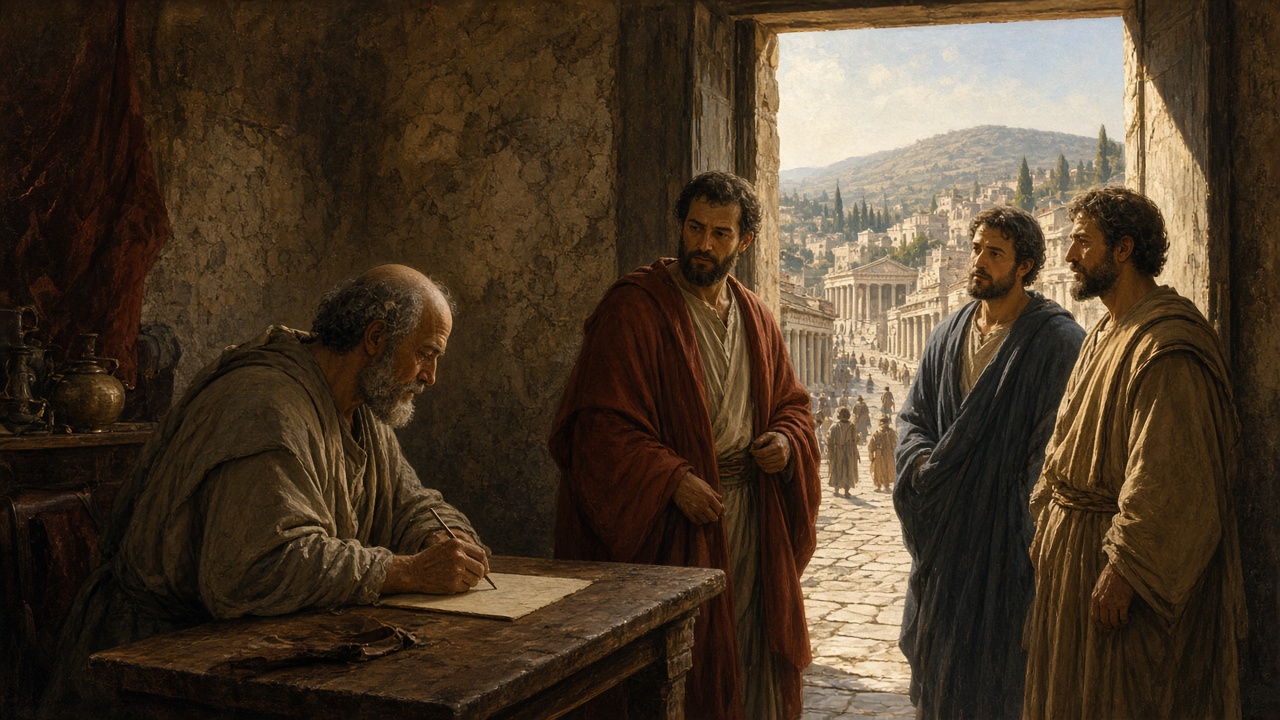
- El Diccionario Bíblico de Easton (1897) presenta la Primera Epístola a los Corintios como una carta del apóstol Pablo, escrita en Éfeso, capital de la Asia proconsular, alrededor de la época de la Pascua, en el tercer año de su estancia allí, probablemente en el año 57 d.C., cuando planeaba visitar Macedonia y luego regresar a Corinto.Fuentes: Easton: Corinthians, First Epistle to the · Ephesus
- Corinto estaba en el istmo que une el Peloponeso con la Grecia continental, a unas cuarenta y ocho millas al oeste de Atenas. La ciudad conocida en el Nuevo Testamento había sido reconstruida cerca de un siglo después de que los romanos destruyeran la ciudad antigua en 146 a.C., fue poblada por una colonia de libertos procedentes de Roma y llegó a ser la sede del gobierno del sur de Grecia, la provincia de Acaya; se destacaba por su riqueza y por los hábitos lujosos e inmorales de su pueblo.Fuentes: Corinth · Achaia
- Según Easton, las noticias de abusos y contiendas llegaron a Pablo primero por medio de Apolos, luego por una carta que los corintios le habían escrito, por miembros de la casa de Cloe y por Estéfanas y dos amigos que lo visitaron. Estéfanas era miembro de la iglesia en Corinto, y su casa estaba entre quienes Pablo había bautizado; Apolos, un judío de Alejandría que había trabajado en Corinto, tenía allí discípulos muy apegados a él. Pablo escribió para frenar el espíritu faccioso, corregir opiniones erróneas y remediar prácticas desordenadas, y Easton cree que Tito y un hermano no nombrado probablemente llevaron la carta.Fuentes: Easton: Corinthians, First Epistle to the · Apollos · Stephanas
- Easton divide la carta en cuatro partes: las divisiones y contiendas de partido entre los corintios (capítulos 1-4); casos notorios de inmoralidad (capítulos 5-6); cuestiones de doctrina y de ética cristiana planteadas por sus comunicaciones, especialmente abusos en la celebración de la Cena del Señor (capítulos 7-14); y una defensa de la resurrección de los muertos, que algunos entre ellos habían puesto en duda, seguida de instrucciones generales, avisos y saludos (capítulos 15-16).Fuentes: Easton: Corinthians, First Epistle to the
- La suscripción en la Versión Autorizada afirma erróneamente que la carta fue escrita en Filipos; Easton atribuye ese error a una mala traducción de 1 Corintios 16:5. También observa que Pablo describió la redacción como hecha en medio de mucha aflicción y presión en el corazón, y con lágrimas que le corrían de los ojos.Fuentes: Easton: Corinthians, First Epistle to the
Notas escritas con ayuda de IA a partir de fuentes abiertas (Theographic Bible Metadata, CC BY-SA 4.0; Easton’s Bible Dictionary, dominio público) y revisadas antes de publicarse.
Greetings from Paul and Sosthenes
1Paul, called to be an apostle of Christ Jesus by the will of God, and our brother Sosthenes,
2To the church of God in Corinth, to those sanctified in Christ Jesus and called to be holy, together with all those everywhere who call on the name of our Lord Jesus Christ, their Lord and ours:
3Grace and peace to you from God our Father and the Lord Jesus Christ.
Thanksgiving
4I always thank my God for you because of the grace He has given you in Christ Jesus. 5For in Him you have been enriched in every way, in all speech and all knowledge, 6because our testimony about Christ was confirmed in you.
7Therefore you do not lack any spiritual gift as you eagerly await the revelation of our Lord Jesus Christ. 8He will sustain you to the end, so that you will be blameless on the day of our Lord Jesus Christ. 9God, who has called you into fellowship with His Son Jesus Christ our Lord, is faithful.
Unity in the Church
10I appeal to you, brothers, in the name of our Lord Jesus Christ, that all of you agree together, so that there may be no divisions among you and that you may be united in mind and conviction. 11My brothers, some from Chloe’s household have informed me that there are quarrels among you. 12What I mean is this: Individuals among you are saying, “I follow Paul,” “I follow Apollos,” “I follow Cephas,” or “I follow Christ.”
13Is Christ divided? Was Paul crucified for you? Were you baptized into the name of Paul? 14I thank God that I did not baptize any of you except Crispus and Gaius, 15so no one can say that you were baptized into my name. 16Yes, I also baptized the household of Stephanas; beyond that I do not remember if I baptized anyone else. 17For Christ did not send me to baptize, but to preach the gospel, not with words of wisdom, lest the cross of Christ be emptied of its power.
The Message of the Cross
18For the message of the cross is foolishness to those who are perishing, but to us who are being saved it is the power of God. 19For it is written:
“I will destroy the wisdom of the wise;
the intelligence of the intelligent I will frustrate.”
20Where is the wise man? Where is the scribe? Where is the philosopher of this age? Has not God made foolish the wisdom of the world? 21For since in the wisdom of God the world through its wisdom did not know Him, God was pleased through the foolishness of what was preached to save those who believe.
22Jews demand signs and Greeks search for wisdom, 23but we preach Christ crucified, a stumbling block to Jews and foolishness to Gentiles, 24but to those who are called, both Jews and Greeks, Christ the power of God and the wisdom of God.
25For the foolishness of God is wiser than man’s wisdom, and the weakness of God is stronger than man’s strength.
Wisdom from God
26Brothers, consider the time of your calling: Not many of you were wise by human standards; not many were powerful; not many were of noble birth. 27But God chose the foolish things of the world to shame the wise; God chose the weak things of the world to shame the strong. 28He chose the lowly and despised things of the world, and the things that are not, to nullify the things that are, 29so that no one may boast in His presence.
30It is because of Him that you are in Christ Jesus, who has become for us wisdom from God: our righteousness, holiness, and redemption. 31Therefore, as it is written: “Let him who boasts boast in the Lord.”
¿Sabías que…?
Divisiones y la cruz en Corinto
- Corinto, la ciudad a la que se dirige esta carta, estaba en el istmo que une el Peloponeso con la Grecia continental, a unas cuarenta y ocho millas al oeste de Atenas. Los romanos destruyeron la ciudad antigua en el 146 a. C.; la Corinto del Nuevo Testamento era una ciudad nueva, reconstruida cerca de un siglo después y poblada por una colonia de libertos venidos de Roma. Bajo el dominio romano era la sede del gobierno del sur de Grecia, o Acaya, y se la conocía por su riqueza.Fuentes: Corinth · el propio texto bíblico
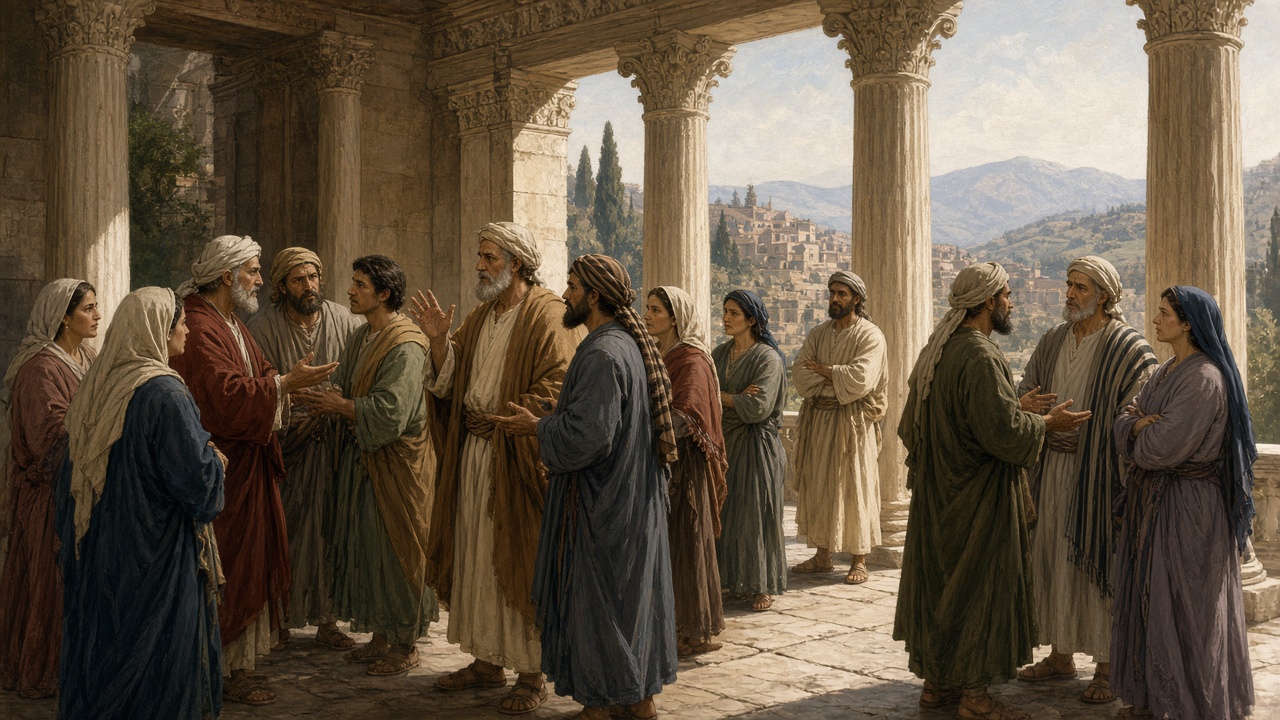
- Pablo escribe que algunos de la casa de Cloé le informaron de las peleas: había quienes decían seguir a Pablo, a Apolos, a Cefas o a Cristo. Cloé era una cristiana, y no se sabe nada más de ella. Apolos, un judío de Alejandría, elocuente y bien versado en las Escrituras, siguió a Corinto después de que Aquila y Priscila lo instruyeron en Éfeso, y allí ayudó a regar la semilla que Pablo había sembrado.Fuentes: Chloe · Apollos · el propio texto bíblico
- Pablo agradece a Dios haber bautizado solo a Crispo y a Gayo, y también a la casa de Estéfanas, para que nadie pudiera decir que había sido bautizado en su nombre. Crispo, principal de la sinagoga en Corinto, se convirtió y fue bautizado con su familia; Estéfanas era miembro de aquella iglesia, y Pablo bautizó a su casa. Cristo, dice Pablo, no lo envió a bautizar, sino a predicar el evangelio, no con palabras de sabiduría, para que la cruz de Cristo no quedara vacía de su poder.Fuentes: Crispus · Stephanas · el propio texto bíblico
Notas escritas con ayuda de IA a partir de fuentes abiertas (Theographic Bible Metadata, CC BY-SA 4.0; Easton’s Bible Dictionary, dominio público) y revisadas antes de publicarse.
Lugares de este capítulo
- Corinth · 37.906, 22.879 · versículo 2
Solo aparecen lugares identificados con alta confianza (90 % o más según las fuentes académicas reunidas por OpenBible). Mapa de la época: DARE (Digital Atlas of the Roman Empire), CC BY 4.0; mapa actual: © colaboradores de OpenStreetMap; lugares: OpenBible.info (CC BY 4.0).
Créditos y licencia de esta traducción
Berean Standard Bible
The Holy Bible in English: Berean Standard Bible
Public Domain
Language: English
Contributor: BSB Publishing, LLC
2026-10-02
Fuente: http://ebible.org/engbsb/ · eBible.org