Gênesis 25
Kitabu ka Kanu · Toque num versículo para ver as referências cruzadas.
Defi da Abraham: Mewe ma yuruya yɔn nyɛ wəran kɔn Ketura ɛnakomɛ kɔ mɔ
1Kɔ Abraham ɛlɛk sɔ wəran wəlɔma, pacwe kɔ Ketura. 2Kɔ Ketura oŋkomɛ kɔ awut arkun: Simraŋ, Yɔksaŋ, Medaŋ, Madiyaŋ, Yisbak, kɔ Suwah. 3Kɔ Yɔksaŋ oŋkom Saba kɔ Dedaŋ. Awut arkun a Dedaŋ ŋanayɔnɛ afum a tɔf maas: Asuri, aLetusi kɔ aLeyumi. 4Awut a Madiyaŋ ŋanayɔnɛ Hefah, Hefer, Henok, Abidah, kɔ Ɛldaha. Akaŋɛ ŋanayɔnɛ awut a Ketura.
5Abraham ɛnasɔŋ daka dɔn fəp Siyaka. 6Awut a alak'ɔn, k'ompocɛ ŋa, pəsɔrɔyi doru, k'eŋkekərɛ ŋa poŋ pəbɔlɛnɛ ŋa wan kɔn Siyaka, atɔf nŋɛ ŋeyi ntende kəca nkɛ dec dɛmpɛ mɔ. 7Kəwon ka Abraham doru kənasɔtɔ meren tasar tin wəco camət mɛrəŋ kɔ kəcamət (175). 8Kɔ Abraham ontorɛ kifir, k'efi ntɛ encepərɛnɛ detem dobotu mɔ, pəbɛk, pənɛmbərɛ mataka ma doru, k'ɔnɔŋkəl atem ɔn aŋɛ ŋanafi mɔ. 9Siyaka kɔ Səmayila awut a Abraham, ŋawup kɔ nde dəkəwupɛnɛ da Makpela, nde dalɛ da Hɛfəroŋ wan ka Cohar wəHewy, pətɛfərɛnɛ di kɔ Mamre. 10Dalɛ dɛnayi ndɛ Abraham ɛnaway nnɔ aHewy ŋayi mɔ. Difɔ anawup Abraham kɔ wəran kɔn Sara. 11Ntɛ defi da Abraham dencepər mɔ, kɔ Kanu kəmpocɛ wan kɔn Siyaka nwɛ ɛnandɛ nde kələmp ka Lahay-Roy kəsək mɔ.
12Awut a Səmayila ŋɔ akaŋɛ, Səmayila wan k'Abraham, nwɛ wan wəran wəMisira Hakar wəcar ka Sara ɛnakomɛ Abraham mɔ. 13Mewe ma awut a Səmayila mɛmɛ, tɔkɔ ŋanabɛkɛnɛ mɔ: Nebayɔt coco ca Səmayila, Kedar, Adebel, Mibəsam, 14Misma, Dumah, Masa, 15Hadad, Tema, Yetur, Nafis, kɔ Kedema. Awut a Səmayila ŋɔ akakɔ. 16Mewe maŋan mɔ mamɔkɔ tɛndɛ taŋan cəgbo cəgbo. Abɛ wəco kɔ mɛrəŋ ŋanayi ŋa kiriŋ dɛlay daŋan. 17Kəyi ka Səmayila doru kənawon meren tasar tin wəco maas kɔ camət mɛrəŋ (137). K'ontorɛ kifir, k'ɔnɔŋkəl atem ɔn akɔ ŋanafi mɔ. 18Afum a Səmayila ŋayi kəyɛfɛ ka Hawila haŋ Sur nsɛ səntɛfərnɛ Misira mɔ, kəkɔ ka kəca ka Asiri. Yuruya ya Səmayila ŋanandɛ ŋatɛfərnɛ awɛnc aŋa fəp.
Tecepərɛnɛ ta Yakuba
Esayu kɔ Yakuba
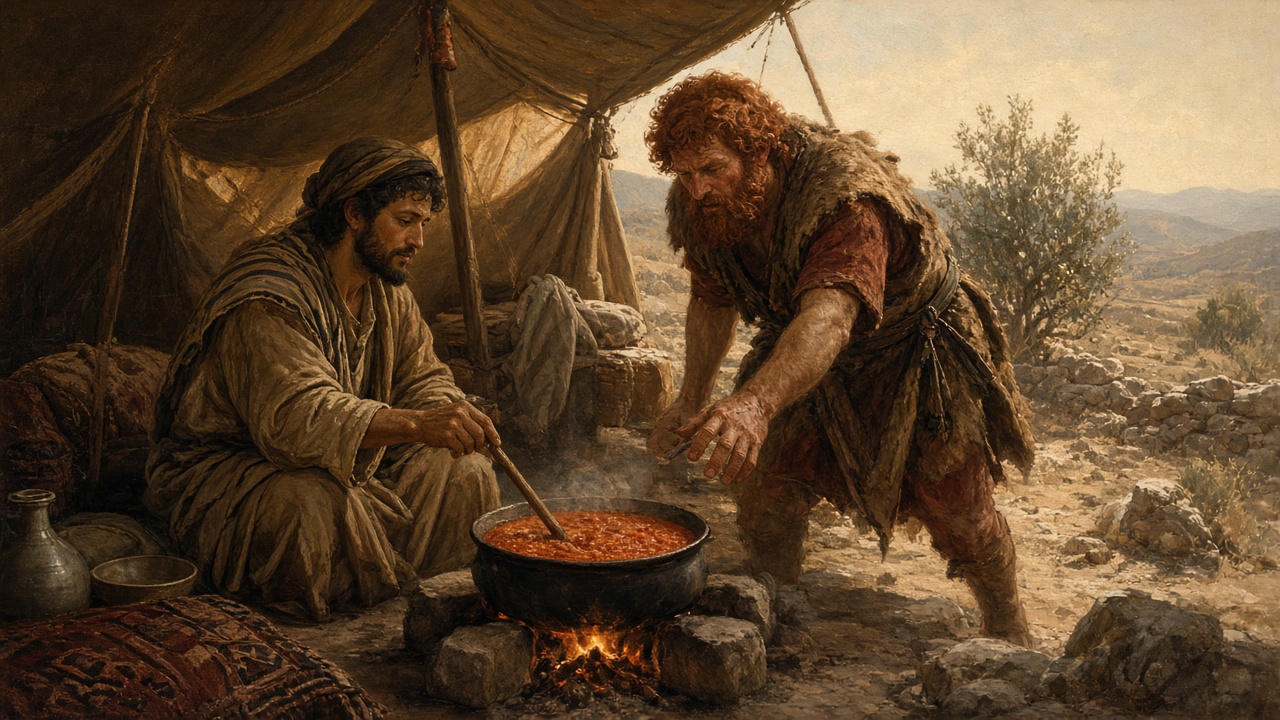
19Afum a Siyaka ŋ'aŋɛ, wan ka Abraham. Abraham okom Siyaka. 20Siyaka ɛnasɔtɔ meren wəco maŋkəlɛ (40) a k'endenɛncɛ Rebeka, wan wəran wəka Betuhɛl wəka Aram wəka Padaŋ-Aram, wəkirɛ ka Labaŋ wəka Aram. 21Kɔ Siyaka ontola MARIKI teta wəran kɔn, bawo ɛnakom fɛ wan. Kɔ MARIKI ene kətola kɔn. Kɔ wəran kɔn Rebeka ɛmbɛkəs. 22Kɔ awut ŋayɛfərɛnɛ kɔ kor disrɛ, kɔ Rebeka eyifnɛ: «Ak'ender im tantɛ-ɛ?» K'ɔŋkɔ pəkornɛ MARIKI. 23Kɔ MARIKI oloku kɔ: «Afum a tɔf mɛrəŋ ŋay'əm dəkor, afum mɛrəŋ akakɔ ŋandegbɛyɛnɛ kəwur əm dəkor. Afum a wəkin nwɛ ŋandetasərnɛ aka wəka mɛrəŋ. Wəbeki endeyi wəfɛt tantɔf.» 24Dəŋkom dɔn k'anəŋk a cəberi cəyi kɔ dəkor. 25Dəŋkom daŋan, kɔ wəcɔkɔ-cɔkɔ ender pəla cəfon cəyim dəris pəmɔ wɛsɛm, k'awe kɔ Esayu. 26Kɔ tencepər, kɔ wəka mɛrəŋ ender pəsumpər atek ŋa wəcɔkɔ-cɔkɔ. K'awe wəkakɔ Yakuba. Siyaka pəsɔtɔ tɛm tatɔkɔ oŋ meren wəco camət tin (60) a k'andekomɛ kɔ awut akaŋɛ. 27Kɔ awut arkun aŋɛ ŋambɛk. Kɔ Esayu ende pəyɔnɛ wəpɛn wətɔt, wəbɔtər kəyɛksɛ-yɛksɛ dəkulum kətɛn ka sɛm yɛpɛn, kɔ Yakuba nkɔn ɔyɔnɛ wəyi wəka dare, wətɔsimsɛ dis pəbɔtər kəndɛ d'abal. 28Siyaka ɛnabɔtər Esayu bawo ɛnabɔtər sɛm nyɛ Esayu ɛncpɛn mɔ. Rebeka nkɔn pəbɔtər Yakuba. 29Dɔsɔk dɔlɔma kɔ Yakuba oncoŋər mɛnc, kɔ Esayu ender pəyɛfɛ dəkulum dis dɔlɔl kɔ. 30Kɔ Esayu oloku Yakuba: «Məpoc'em, ilɛtsɛn'am idi pəyim pam papɔkɔ bawo dis dɔlɔl im.» Ti tɔ asɔŋɛ Esayu tewe ta «Edɔm». 31Kɔ Yakuba oloku Esayu: «Məwayər im mɔkɔ dəkəcəmɛ da debeki dam.» 32Kɔ Esayu oloku kɔ: «In'ɛwɛ icfi, ake dəkəcəmɛ da debeki dadɔkɔ dendeyɔ em-ɛ?» 33Kɔ Yakuba oloku: «Mədɛrəm'em kərɛsna.» Kɔ Esayu ɛndɛrmɛ Yakuba k'ɛwayər kɔ dəkəcəmɛ da debeki dɔn. 34Kɔ Yakuba ompocɛ Esayu kəcom, kɔ mɛnc mamɔkɔ. Kɔ Esayu endi yeri yayɔkɔ, k'omun, k'ɛyɛfɛ k'ɔŋkɔ. Tatɔkɔ tɔ Esayu ɛnagbal dəkəcəmɛ da debeki dɔn.
Você sabia?
Os herdeiros de Abraão e os irmãos gêmeos
- Quetura, cujo nome o Easton's Bible Dictionary (1897) explica como “incenso”, é apresentada aqui como outra esposa de Abraão. Esse dicionário diz que ele provavelmente se casou com ela depois da morte de Sara, embora sua nacionalidade seja desconhecida, e observa que 1 Crônicas a chama de concubina. Ela lhe deu seis filhos, entre eles Jocsã e Midiã, pai dos midianitas; ainda em vida, Abraão deu presentes aos filhos de suas concubinas e os afastou de Isaque, enviando-os à terra do Oriente.Fontes: Keturah · Midian · o próprio texto bíblico
- Isaque e Ismael juntos sepultaram Abraão na caverna de Macpela, perto de Manre, no campo que Abraão havia comprado de Efrom, o hitita, onde Sara já havia sido enterrada. O Easton's Bible Dictionary (1897) explica Macpela como “porção” ou “caverna dupla”, situada na encosta de um monte a leste de Hebrom e de frente para Manre, lugar chamado de carvalhos — ou, numa margem, terebintos — de Manre.Fontes: Machpelah · Mamre · o próprio texto bíblico
- Esaú, o gêmeo primogênito de Rebeca, nasceu avermelhado e coberto de pelos como um casaco de pele. O Easton's Bible Dictionary (1897) liga o outro nome, Edom, “vermelho”, ao ensopado vermelho de lentilhas pelo qual ele vendeu o direito de primogenitura, e explica Jacó como “aquele que segue os calcanhares de outro” ou “suplantador”, de acordo com o relato de que Jacó nasceu agarrado ao calcanhar de Esaú. Esaú cresceu como caçador habilidoso e homem do campo, enquanto Jacó era um homem tranquilo que ficava em casa.Fontes: Esau (Edom) · Jacob (Israel) · o próprio texto bíblico
Notas escritas com auxílio de IA a partir de fontes abertas (Theographic Bible Metadata, CC BY-SA 4.0; Easton’s Bible Dictionary, domínio público) e revisadas antes de publicar.
Lugares deste capítulo
- East · Hoje: region around Amman · 31.955, 35.934 · versículo 6
- Machpelah · Hoje: Cave of the Patriarchs · 31.525, 35.111 · versículo 9
- Negeb · 31.245, 34.841 · versículo 11
- Assyria · 36.359, 43.153 · versículo 18
- Egypt · 30.129, 31.308 · versículo 18
Só aparecem lugares com identificação de alta confiança (90% ou mais segundo as fontes acadêmicas reunidas pelo OpenBible). Mapa da época: DARE (Digital Atlas of the Roman Empire), CC BY 4.0; mapa atual: © colaboradores do OpenStreetMap; lugares: OpenBible.info (CC BY 4.0).
Créditos e licença desta tradução
Kitabu ka Kanu
Portions of the Holy Bible in the Baga Sitemu language of Guinea
Des portions de la Sainte Bible dans la langue Baga Sitemu de Guinée
copyright © 2015 Pioneer Bible Translators
Language: Baga Sitemu
Translation by: Traducteurs Pionniers de la Bible
Contributor: Pioneer Bible Translators
This translation is made available to you under the terms of the
Creative Commons Attribution Share-Alike license 4.0.
You have permission to share and redistribute this Bible translation in any format and to make reasonable revisions and adaptations of this translation, provided that:
You include the above copyright and source information.
If you make any changes to the text, you must indicate that you did so in a way that makes it clear that the original licensor is not necessarily endorsing your changes.
If you redistribute this text, you must distribute your contributions under the same license as the original.
Pictures included with Scriptures and other documents on this site are licensed just for use with those Scriptures and documents.
For other uses, please contact the respective copyright owners.
Note that in addition to the rules above, revising and adapting God's Word involves a great responsibility to be true to God's Word. See Revelation 22:18-19.
2025-04-29
Fonte: http://ebible.org/bsp/ · eBible.org