1 Tesalonicenses 4
Ʉbhʉragɨ Ubhuhya Mʉkɨgambʉ chi Ikikiizʉ · Toca un versículo para ver sus referencias cruzadas.
Eteemwa yɨnʉ Mungu asɨɨgirɨ
1Nangʉ abhahiiri bhɨɨtʉ, mwigirɨ kurwa kwa niitwɨ chɨmbu ikwenderwa kwikara, korereke komozomerya Mungu. Maheene nɨmbu mukwikara. Nangʉ, tʉrabhasabha na kubhiisasaama kʉbhʉnaja bhwʉ Ʉmʉkʉrʉ Yɨɨsu, mʉkajɨ kokorabhu na kʉkɨraho. 2Mwɨzɨ bhwaheene ganʉ twabhaswajiryɨ kʉbhʉnaja bhwʉ Ʉmʉkʉrʉ Yɨɨsu.
3Mungu areenda mʉbhɨ abhaatʉ abharɨndu, mutiisikirya kokora ɨtaarʉ. 4Imubhʉʉsi muhizɨ ɨmɨbhɨrɨ janyu, mʉbhʉrɨndu na kwisʉʉka. 5Mʉtabha nɨ ɨnamba mbɨ ncha abhaatʉ bhanʉ bhatɨɨzɨ Mungu. 6Mʉgayo, ʉmʉʉtʉ wʉwʉʉsi atasariirya ʉmʉkɨndichazɨ, nʉʉrʉ kʉmʉkangirirya. Tʉmarirɨ kʉbhabhʉʉrɨra na kʉbharecha, bhʉʉsi bhanʉ bhakokora gayo, Ʉmʉkʉrʉ newe akʉrɨhanʼya isiirɨ ya gayo gʉʉsi. 7Mungu ataatubhirikiirɨ kokora ɨtaarʉ, nawe akatʉbhɨrɨkɨra twikarɨ mʉbhʉrɨndu. 8Mmbe, ʉmʉʉtʉ wʉwʉʉsi wʉnʉ akwanga amiija gayo, atakumwanga ʉmʉʉtʉ, nawe araanga Mungu, wʉnʉ akʉbhaha imwɨ Ekoro yaazɨ Ɨndɨndu.
9Nangʉ, ɨtakwenderwa tʉbhaandɨkɨrɨ imwɨ igʉrʉ wʉ ʉkʉsɨɨgana, kʉ kʉbha imwɨ imubheene mwijibhwɨ na Mungu kʉsɨɨgana. 10Maheene, mʉbhɨɨrɨ mʉrabhakorerabhu abhakɨndichanyu bhʉʉsi bhanʉ bhari mucharʉ cha Makɨdʉniya. Nangʉ tʉrabhasabha, abhahiiri bhɨɨtʉ, mʉkajɨ kʉsɨɨganabhu na kʉkɨraho.
11Mʉbhɨ nu umwʉyʉ gu ukwikara ubhwikari bhwo omorembe. Ʉmʉʉtʉ wʉwʉʉsi atiisikirya mʉmangʼana ga abhandɨ, nawe akore emeremo jazɨ umwene, chɨmbu twabhaswajiryɨ. 12Hayo mʉrabha mwɨrɨkɨɨnʼyɨ eteemwa ɨnzʉmu kʉbhaatʉ bhanʉ bhatarɨ Abhakiriisitʉ. Naatu mʉtakʉbha abhaatʉ bhu ukwisega bhya abhandɨ.
Ukuryʉka kwa abhaku urusikʉ rwʉ Ʉmʉkʉrʉ Yɨɨsu
13Nawe abhahiiri bhɨɨtʉ, toreenda momenye amangʼana ga bhanʉ bhakuurɨ, korereke mutigɨ kurumɨka ncha abhaatʉ abhandɨ bhanʉ bhataana ubhwisɨgi bhwu ukuryʉka. 14Itwɨ, tʉmɨnyirɨ Yɨɨsu akakwa nu ukuryʉka. Kuriyo, turiisega Mungu arabharyʉra na kʉbhareeta hamwɨmwɨ na Yɨɨsu bhʉʉsi bhanʉ bhaakuurɨ bhamwisiriiryɨ.
15Mmbe, ganʉ tʉkʉbhabhʉʉrɨra ni‑miija gʉ Ʉmʉkʉrʉ Yɨɨsu, kʉbha itwɨ bhanʉ tʉkʉbha bhahʉru hanʉ ewe akʉgarʉka, tʉtakʉbhakangatɨra abhaku kuhunana neewe. 16Ʉmʉkʉrʉ umwene ariika kurwa mwisaarʉ. Aragamba kwiraka ikʉrʉ, maraika ʉmʉkʉrʉ wʉʉsi arabhɨrɨkɨra kwiraka na rihembe rya Mungu rɨrabhɨrɨkɨra. Neho bhanʉ bhaakuurɨ bhiisiriiryɨ Kiriisitʉ, bharakangata kuryukuribhwa. 17Akʉmara itwɨ abhahʉru, bhanʉ tʉsaagirɨ, tʉrasakurwa hamwɨmwɨ nabhʉ mʉmasaarʉ, korereke tʉmʉsʉngʼaanɨ Ʉmʉkʉrʉ mwisaarʉ. Neho tukwikara hamwɨmwɨ nawe kemerano. 18Nangʉ mwihaanɨ umwʉyʉ kʉmangʼana gayo.
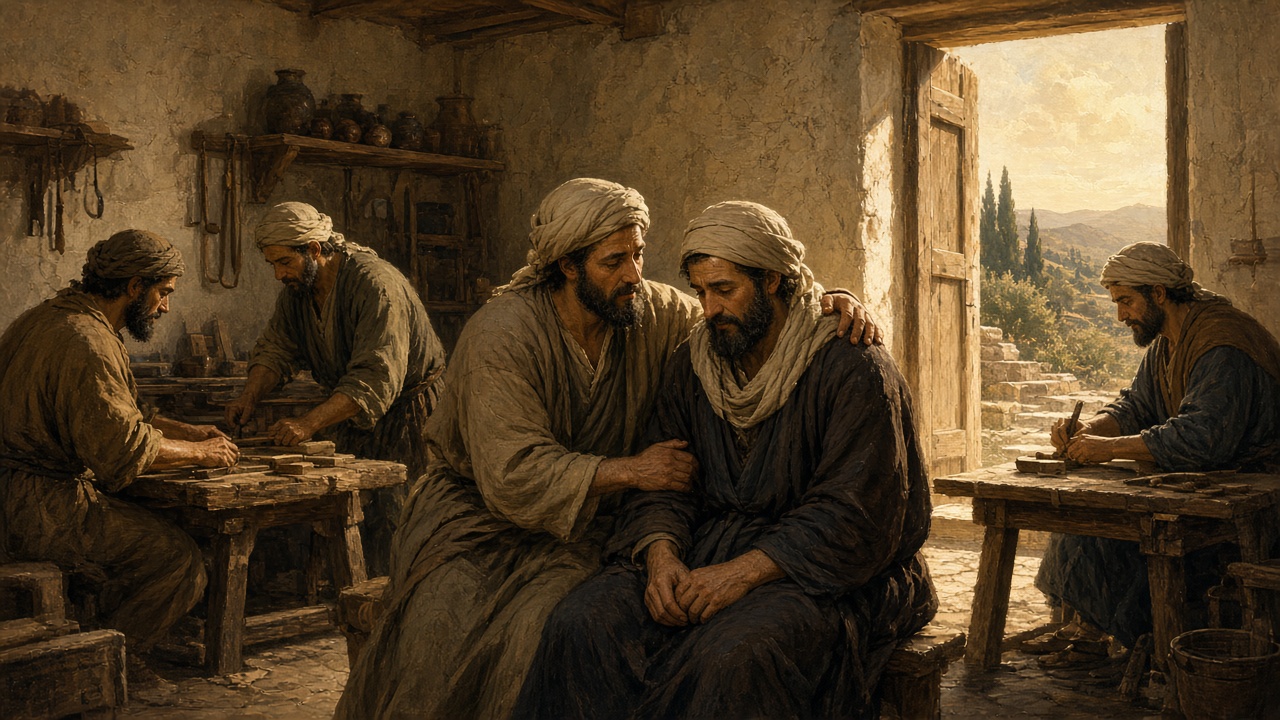
¿Sabías que…?
Santidad, amor y esperanza por los que murieron
- Este capítulo señala que sus lectores ya mostraban amor a todos los hermanos por toda Macedonia. En tiempos del Nuevo Testamento, Macedonia era una provincia romana situada al norte de Grecia, gobernada por un propretor con el título de procónsul. Pablo fue llamado por una visión del "hombre de Macedonia" para predicar el evangelio allí.Fuentes: el propio texto bíblico · Macedonia
- El capítulo habla de los muertos como personas que duermen o se durmieron, y pide a los lectores que no se entristezcan como los demás, que no tienen esperanza. Porque Jesús murió y resucitó, dice el texto, Dios traerá con Jesús a los que durmieron en él; los muertos en Cristo resucitarán primero, y luego los que aún vivan serán arrebatados con ellos en las nubes para encontrarse con el Señor en el aire.Fuentes: el propio texto bíblico
- Se exhorta a los lectores a aspirar a una vida tranquila, a ocuparse de sus propios asuntos y a trabajar con sus propias manos, como ya se les había instruido. El capítulo presenta esto como la manera de comportarse debidamente ante los de afuera y de no depender de nadie.Fuentes: el propio texto bíblico
Notas escritas con ayuda de IA a partir de fuentes abiertas (Theographic Bible Metadata, CC BY-SA 4.0; Easton’s Bible Dictionary, dominio público) y revisadas antes de publicarse.
Lugares de este capítulo
- Macedonia · 41.600, 22.540 · versículo 10
Solo aparecen lugares identificados con alta confianza (90 % o más según las fuentes académicas reunidas por OpenBible). Mapa de la época: DARE (Digital Atlas of the Roman Empire), CC BY 4.0; mapa actual: © colaboradores de OpenStreetMap; lugares: OpenBible.info (CC BY 4.0).
Créditos y licencia de esta traducción
Ʉbhʉragɨ Ubhuhya Mʉkɨgambʉ chi Ikikiizʉ
Ikizu: Ʉbhʉragɨ Ubhuhya Mʉkɨgambʉ chi Ikikiizʉ (New Testament+) for Tanzania
copyright © 2024 Wycliffe Bible Translators, Inc.
Language: (Ikizu)
Contributor: Wycliffe USA
This translation is made available to you under the terms of the
Creative Commons Attribution Share-Alike license 4.0.
You have permission to share and redistribute this Bible translation in any format and to make reasonable revisions and adaptations of this translation, provided that:
You include the above copyright and source information.
If you make any changes to the text, you must indicate that you did so in a way that makes it clear that the original licensor is not necessarily endorsing your changes.
If you redistribute this text, you must distribute your contributions under the same license as the original.
Pictures included with Scriptures and other documents on this site are licensed just for use with those Scriptures and documents.
For other uses, please contact the respective copyright owners.
Note that in addition to the rules above, revising and adapting God's Word involves a great responsibility to be true to God's Word. See Revelation 22:18-19.
2025-05-03
Fuente: http://ebible.org/ikz/ · eBible.org