1 Thessalonians 4
Ʉbhʉragɨ Ubhuhya Mʉkɨgambʉ chi Ikikiizʉ · Tap a verse to see its cross-references.
Eteemwa yɨnʉ Mungu asɨɨgirɨ
1Nangʉ abhahiiri bhɨɨtʉ, mwigirɨ kurwa kwa niitwɨ chɨmbu ikwenderwa kwikara, korereke komozomerya Mungu. Maheene nɨmbu mukwikara. Nangʉ, tʉrabhasabha na kubhiisasaama kʉbhʉnaja bhwʉ Ʉmʉkʉrʉ Yɨɨsu, mʉkajɨ kokorabhu na kʉkɨraho. 2Mwɨzɨ bhwaheene ganʉ twabhaswajiryɨ kʉbhʉnaja bhwʉ Ʉmʉkʉrʉ Yɨɨsu.
3Mungu areenda mʉbhɨ abhaatʉ abharɨndu, mutiisikirya kokora ɨtaarʉ. 4Imubhʉʉsi muhizɨ ɨmɨbhɨrɨ janyu, mʉbhʉrɨndu na kwisʉʉka. 5Mʉtabha nɨ ɨnamba mbɨ ncha abhaatʉ bhanʉ bhatɨɨzɨ Mungu. 6Mʉgayo, ʉmʉʉtʉ wʉwʉʉsi atasariirya ʉmʉkɨndichazɨ, nʉʉrʉ kʉmʉkangirirya. Tʉmarirɨ kʉbhabhʉʉrɨra na kʉbharecha, bhʉʉsi bhanʉ bhakokora gayo, Ʉmʉkʉrʉ newe akʉrɨhanʼya isiirɨ ya gayo gʉʉsi. 7Mungu ataatubhirikiirɨ kokora ɨtaarʉ, nawe akatʉbhɨrɨkɨra twikarɨ mʉbhʉrɨndu. 8Mmbe, ʉmʉʉtʉ wʉwʉʉsi wʉnʉ akwanga amiija gayo, atakumwanga ʉmʉʉtʉ, nawe araanga Mungu, wʉnʉ akʉbhaha imwɨ Ekoro yaazɨ Ɨndɨndu.
9Nangʉ, ɨtakwenderwa tʉbhaandɨkɨrɨ imwɨ igʉrʉ wʉ ʉkʉsɨɨgana, kʉ kʉbha imwɨ imubheene mwijibhwɨ na Mungu kʉsɨɨgana. 10Maheene, mʉbhɨɨrɨ mʉrabhakorerabhu abhakɨndichanyu bhʉʉsi bhanʉ bhari mucharʉ cha Makɨdʉniya. Nangʉ tʉrabhasabha, abhahiiri bhɨɨtʉ, mʉkajɨ kʉsɨɨganabhu na kʉkɨraho.
11Mʉbhɨ nu umwʉyʉ gu ukwikara ubhwikari bhwo omorembe. Ʉmʉʉtʉ wʉwʉʉsi atiisikirya mʉmangʼana ga abhandɨ, nawe akore emeremo jazɨ umwene, chɨmbu twabhaswajiryɨ. 12Hayo mʉrabha mwɨrɨkɨɨnʼyɨ eteemwa ɨnzʉmu kʉbhaatʉ bhanʉ bhatarɨ Abhakiriisitʉ. Naatu mʉtakʉbha abhaatʉ bhu ukwisega bhya abhandɨ.
Ukuryʉka kwa abhaku urusikʉ rwʉ Ʉmʉkʉrʉ Yɨɨsu
13Nawe abhahiiri bhɨɨtʉ, toreenda momenye amangʼana ga bhanʉ bhakuurɨ, korereke mutigɨ kurumɨka ncha abhaatʉ abhandɨ bhanʉ bhataana ubhwisɨgi bhwu ukuryʉka. 14Itwɨ, tʉmɨnyirɨ Yɨɨsu akakwa nu ukuryʉka. Kuriyo, turiisega Mungu arabharyʉra na kʉbhareeta hamwɨmwɨ na Yɨɨsu bhʉʉsi bhanʉ bhaakuurɨ bhamwisiriiryɨ.
15Mmbe, ganʉ tʉkʉbhabhʉʉrɨra ni‑miija gʉ Ʉmʉkʉrʉ Yɨɨsu, kʉbha itwɨ bhanʉ tʉkʉbha bhahʉru hanʉ ewe akʉgarʉka, tʉtakʉbhakangatɨra abhaku kuhunana neewe. 16Ʉmʉkʉrʉ umwene ariika kurwa mwisaarʉ. Aragamba kwiraka ikʉrʉ, maraika ʉmʉkʉrʉ wʉʉsi arabhɨrɨkɨra kwiraka na rihembe rya Mungu rɨrabhɨrɨkɨra. Neho bhanʉ bhaakuurɨ bhiisiriiryɨ Kiriisitʉ, bharakangata kuryukuribhwa. 17Akʉmara itwɨ abhahʉru, bhanʉ tʉsaagirɨ, tʉrasakurwa hamwɨmwɨ nabhʉ mʉmasaarʉ, korereke tʉmʉsʉngʼaanɨ Ʉmʉkʉrʉ mwisaarʉ. Neho tukwikara hamwɨmwɨ nawe kemerano. 18Nangʉ mwihaanɨ umwʉyʉ kʉmangʼana gayo.
Did you know?
Holiness, Love, and Hope for the Dead
- This chapter notes that its readers were already showing love to all the brothers throughout Macedonia. In New Testament times Macedonia was a Roman province lying north of Greece, governed by a propraetor with the title of proconsul. Paul was summoned by a vision of the "man of Macedonia" to preach the gospel there.Sources: the Bible text itself · Macedonia
- The chapter speaks of the dead as people who sleep or have fallen asleep, and it asks the readers not to grieve like the rest, who have no hope. Because Jesus died and rose again, it says, God will bring with Jesus those who have fallen asleep in him; the dead in Christ will rise first, and then those still alive will be caught up with them in the clouds to meet the Lord in the air.Sources: the Bible text itself
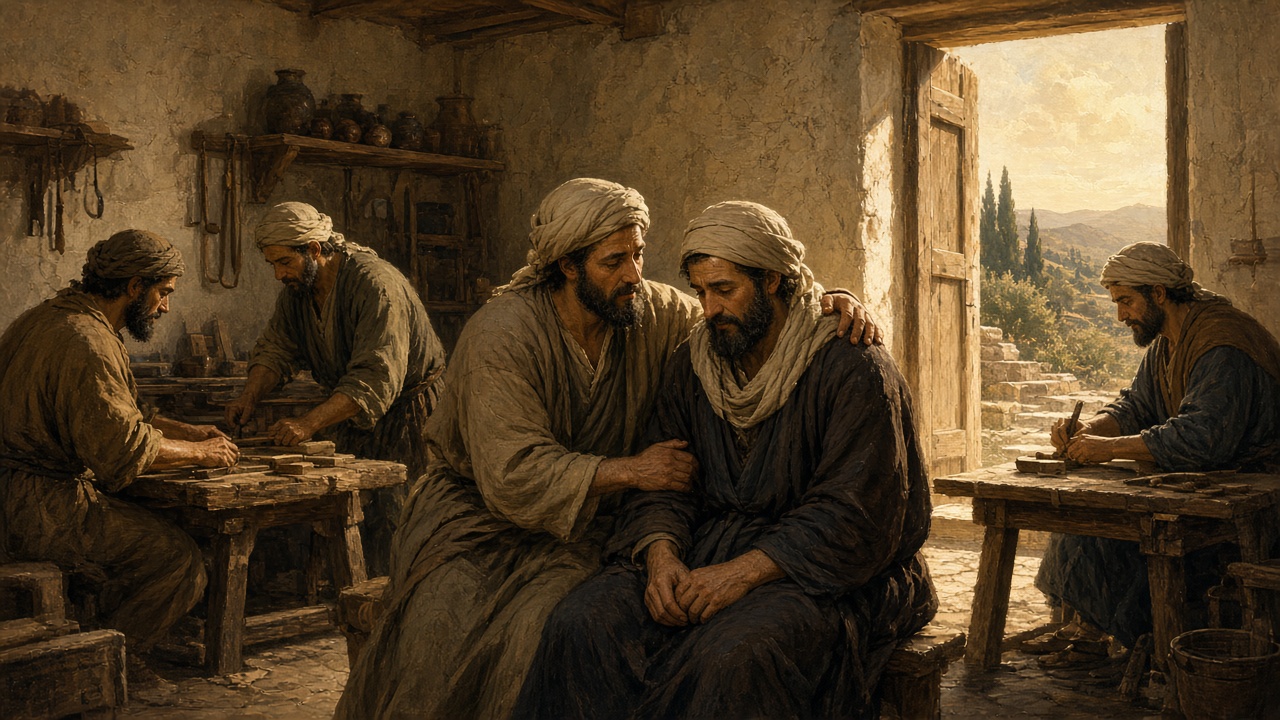
- The readers are urged to aspire to a quiet life, to attend to their own matters, and to work with their own hands, as they had already been instructed. The chapter presents this as the way to behave properly toward outsiders and to avoid being dependent on anyone.Sources: the Bible text itself
Notes written with AI assistance from open sources (Theographic Bible Metadata, CC BY-SA 4.0; Easton’s Bible Dictionary, public domain) and reviewed before publishing.
Places in this chapter
- Macedonia · 41.600, 22.540 · verse 10
Only places identified with high confidence are shown (90% or more according to the scholarly sources compiled by OpenBible). Period map: DARE (Digital Atlas of the Roman Empire), CC BY 4.0; modern map: © OpenStreetMap contributors; places: OpenBible.info (CC BY 4.0).
Credits and license for this translation
Ʉbhʉragɨ Ubhuhya Mʉkɨgambʉ chi Ikikiizʉ
Ikizu: Ʉbhʉragɨ Ubhuhya Mʉkɨgambʉ chi Ikikiizʉ (New Testament+) for Tanzania
copyright © 2024 Wycliffe Bible Translators, Inc.
Language: (Ikizu)
Contributor: Wycliffe USA
This translation is made available to you under the terms of the
Creative Commons Attribution Share-Alike license 4.0.
You have permission to share and redistribute this Bible translation in any format and to make reasonable revisions and adaptations of this translation, provided that:
You include the above copyright and source information.
If you make any changes to the text, you must indicate that you did so in a way that makes it clear that the original licensor is not necessarily endorsing your changes.
If you redistribute this text, you must distribute your contributions under the same license as the original.
Pictures included with Scriptures and other documents on this site are licensed just for use with those Scriptures and documents.
For other uses, please contact the respective copyright owners.
Note that in addition to the rules above, revising and adapting God's Word involves a great responsibility to be true to God's Word. See Revelation 22:18-19.
2025-05-03
Source: http://ebible.org/ikz/ · eBible.org