1 Tesalonicenses 5
Ʉbhʉragɨ Ubhuhya Mʉkɨgambʉ chi Ikikiizʉ · Toca un versículo para ver sus referencias cruzadas.
Twikonze urusikʉ rwʉ Ʉmʉkʉrʉ Yɨɨsu
1Abhahiiri bhɨɨtʉ, ɨtakwenderwa tʉbhaandɨkɨrɨ igʉrʉ wa ribhaga na amabhaga gu ukuuza Ʉmʉkʉrʉ Yɨɨsu. 2Imwɨ mwɨzɨ urusikʉ ryu ukuuza kʉ Ʉmʉkʉrʉ, rʉrabha rwa kuhwarukija nchu umwibhi chɨmbu ahaaza ubhutikʉ. 3Hanʉ abhaatʉ bhakubhuga, “Tono omorembe, na tʉrɨ bhwaheene,” hayo neho ʉbhʉsarya bhukubhiizɨra. Ʉbhʉsarya bhuyo bhʉrabhahwarukija nchʉ ʉbhʉsʉngʉ bhu ukwibhʉra, chɨmbu bhʉhaazaku ʉmʉkari wʉnʉ akwenda kwibhʉra. Mʉgayo bhatakʉsabhurwa nʉʉrʉ hasuuhu.
4Nawe imwɨ, abhahiiri bhɨɨtʉ, urusikʉ ruyo rʉtakʉbhahwarukija nchu umwibhi, kʉ kʉbha imwɨ mʉtarɨ mukiirimya ncha abhandɨ. 5Imwɨ bhʉʉsi, nɨ‑bhaana bhu ubhwɨrʉ, na bhu umwise. Itwʉsi tʉtarɨ abhaatʉ bhu ubhutikʉ hamwɨ bha mukiirimya. 6Nangʉ, tutigɨ kʉbha ncha abhandɨ bhanʉ bhakuhindɨra zendooro, toreenderwa totengeeze na kʉbha ne ekerengo. 7Abhaatʉ bhanʉ bhakuhindɨra zendooro, bhahaahindɨra ubhutikʉ. Na abhanywi bha amarwa bhahaanywa ubhutikʉ.
8Nawe kʉ kʉbha itwɨ, nɨ‑bhaatʉ bhu ubhwɨrʉ, tʉbhɨ ne ekerengo. Tʉbhɨ nu ubhwisirirya nʉ ʉbhʉsɨɨgi, ebhyo bhɨrabha nchi ingubha kukikubha. Kwikɨ twisege Mungu kʉtʉsabhʉra, neho tʉkʉbha kina twibhʉhirɨ ɨngʉhiira yi ichʉma kumutwɨ. 9Mungu atatʉrʉbhwɨrɨ korereke aturichɨ kubhwigatani bhwazɨ, nawe akatorobhora korereke tobhone ubhutuuribhwa kʉnzɨra yʉ Ʉmʉkʉrʉ wɨɨtʉ Yɨɨsu Kiriisitʉ. 10Wuyo newe akuurɨ igʉrʉ wɨɨtʉ, korereke twikarɨ hamwɨmwɨ nawe, tʉbhɨ tukuurɨ hamwɨ turiigwa. 11Nangʉ, mwihaanɨ umwʉyʉ na kwikongʼya imyʉyʉ chɨmbu mʉraakore.
Eteemwa yɨnʉ ikwenderwa kubhiisirirya
12Nangʉ abhahiiri bhɨɨtʉ, tʉrabhasabha mʉbhasʉʉkɨ bhanʉ bhakohocha emeremo ja Mungu gatɨ waanyu, na kʉbhakangata kʉ ʉbhʉnaja bhwʉ Ʉmʉkʉrʉ Yɨɨsu na kubhiisasaama. 13Mʉbhasʉʉkɨ bhʉkʉngʼu na kʉbhasɨɨga kʉrɨngʼaana ne emeremo jabhʉ. Na imubheene kobheene mʉbhɨ muriikara komorembe.
14Abhahiiri bhɨɨtʉ, tʉrabhiisasaama, mʉbhɨ mʉrabhahama abhatʉbhu na kʉbhakongʼya bhanʉ bhakuurɨ imyʉyʉ. Na mʉbhahɨ abhanyʉʉhɨrɨru amanaga nu ukwigumirirya abhaatʉ bhʉʉsi. 15Morore, ʉmʉʉtʉ wʉwʉʉsi atagarukirya ʉmʉkɨndichazɨ ʉbhʉbhɨ kʉbhʉbhɨ. Nawe ibhaga ryʉsi mʉbhɨ muriikorera amazʉmu imubheene na kʉbhakorera abhaatʉ bhʉʉsi. 16Mʉbhɨ no obhozomerwa ibhaga ryʉsi, 17na mʉtaniha kʉsabha. 18Mʉbhɨ mʉrakumya Mungu kwa gʉʉsi, kʉ kʉbha gayo nego ewe akwenda mʉbhɨ mʉrakora chɨmbu Yɨɨsu Kiriisitʉ atwɨrɨkiryɨ.
19Mʉtaanga Ekoro Ɨndɨndu. 20Na mʉtasiihya ʉbhʉrʉʉti, 21nawe mʉgageme amangʼana gʉ ʉbhʉrʉʉti na kugwata amazʉmu. 22Mwirigɨ kʉmabhɨ gʉʉsi.
23Mungu umwene wʉnʉ akotoha omorembe, abhabhɨngukyɨ imwɨ kwa gʉʉsi. Ewe ariibhɨ imyʉyʉ janyu, ʉbhʉhʉru bhwanyu, nɨ ɨmɨbhɨrɨ janyu, korereke mʉbhɨ mʉtaana kuririirirwa kuhikɨra hanʉ Ʉmʉkʉrʉ wɨɨtʉ Yɨɨsu Kiriisitʉ akuuza. 24Mungu umwene wʉnʉ akʉbhabhɨrɨkɨra, arabhakorera gayo, kʉ kʉbha ewe ne‑moronge.
Amangʼana gʉ ʉkʉraga
25Abhahiiri bhɨɨtʉ, itwʉsi mʉtʉsabhɨrɨ kwa Mungu. 26Mʉbhakeerye abhiisirirya bhʉʉsi kʉbhʉsɨɨgi bhwa Kiriisitʉ. 27Nɨrabhiirahirya kʉbhʉnaja bhwʉ Ʉmʉkʉrʉ Yɨɨsu kʉbha, abhiisirirya bhʉʉsi bhasomerwe ɨnyarʉbha yɨnʉ.
28Ɨbhɨgʉngi bhyʉ Ʉmʉkʉrʉ wɨɨtʉ Yɨɨsu Kiriisitʉ, bhɨbhɨ hamwɨmwɨ na niimwɨ bhʉʉsi.
¿Sabías que…?
Despiertos para el Día del Señor
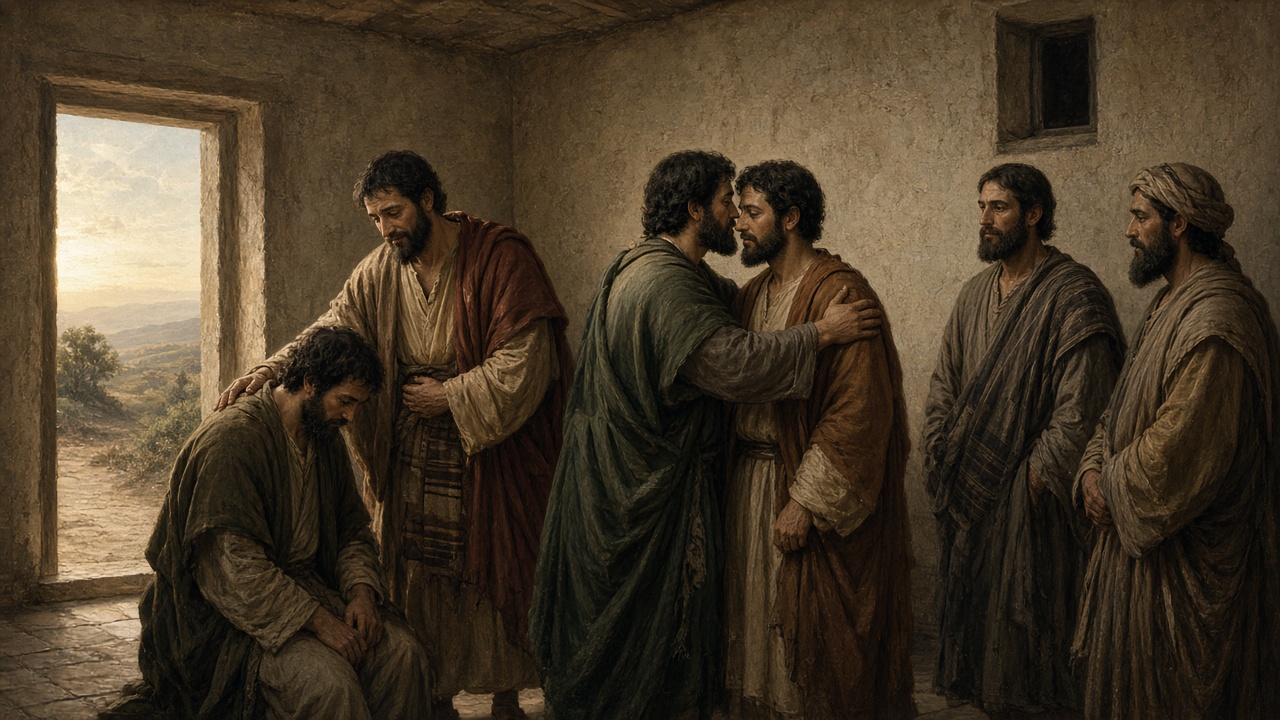
- Este capítulo dice que el Día del Señor vendrá como ladrón en la noche y que la destrucción llegará de repente, como dolores de parto, mientras la gente dice: “Paz y seguridad”. Llama a los hermanos hijos de la luz e hijos del día, y los exhorta a no dormir como los demás, sino a permanecer despiertos y sobrios.Fuentes: el propio texto bíblico
- A quienes pertenecen al día se les pide que sean sobrios y se pongan la coraza de la fe y del amor y el casco de la esperanza de la salvación. El capítulo dice que Dios no los destinó a la ira, sino a obtener la salvación por medio del Señor Jesucristo, quien murió para que, despiertos o dormidos, vivan juntos con él.Fuentes: el propio texto bíblico
- Las palabras finales piden a los hermanos que reconozcan a quienes trabajan con diligencia entre ellos, presiden sobre ellos y los instruyen, teniéndolos en la más alta estima por su trabajo. Se les exhorta a amonestar a los indisciplinados, animar a los desalentados, ayudar a los débiles, ser pacientes con todos y no devolver mal por mal. También se les dice que no apaguen el Espíritu ni traten las profecías con desprecio, sino que prueben todas las cosas, saluden a todos los hermanos con un beso santo y hagan que esta carta sea leída a todos los hermanos.Fuentes: el propio texto bíblico
Notas escritas con ayuda de IA a partir de fuentes abiertas (Theographic Bible Metadata, CC BY-SA 4.0; Easton’s Bible Dictionary, dominio público) y revisadas antes de publicarse.
Créditos y licencia de esta traducción
Ʉbhʉragɨ Ubhuhya Mʉkɨgambʉ chi Ikikiizʉ
Ikizu: Ʉbhʉragɨ Ubhuhya Mʉkɨgambʉ chi Ikikiizʉ (New Testament+) for Tanzania
copyright © 2024 Wycliffe Bible Translators, Inc.
Language: (Ikizu)
Contributor: Wycliffe USA
This translation is made available to you under the terms of the
Creative Commons Attribution Share-Alike license 4.0.
You have permission to share and redistribute this Bible translation in any format and to make reasonable revisions and adaptations of this translation, provided that:
You include the above copyright and source information.
If you make any changes to the text, you must indicate that you did so in a way that makes it clear that the original licensor is not necessarily endorsing your changes.
If you redistribute this text, you must distribute your contributions under the same license as the original.
Pictures included with Scriptures and other documents on this site are licensed just for use with those Scriptures and documents.
For other uses, please contact the respective copyright owners.
Note that in addition to the rules above, revising and adapting God's Word involves a great responsibility to be true to God's Word. See Revelation 22:18-19.
2025-05-03
Fuente: http://ebible.org/ikz/ · eBible.org