Hechos 3
Elu Ọhụn: Ẹkụkwọ-Nsọ (Azụụn Ọhụn rịn'a) · Toca un versículo para ver sus referencias cruzadas.
Pita A Zụọ Onyẹ-ngụrọ
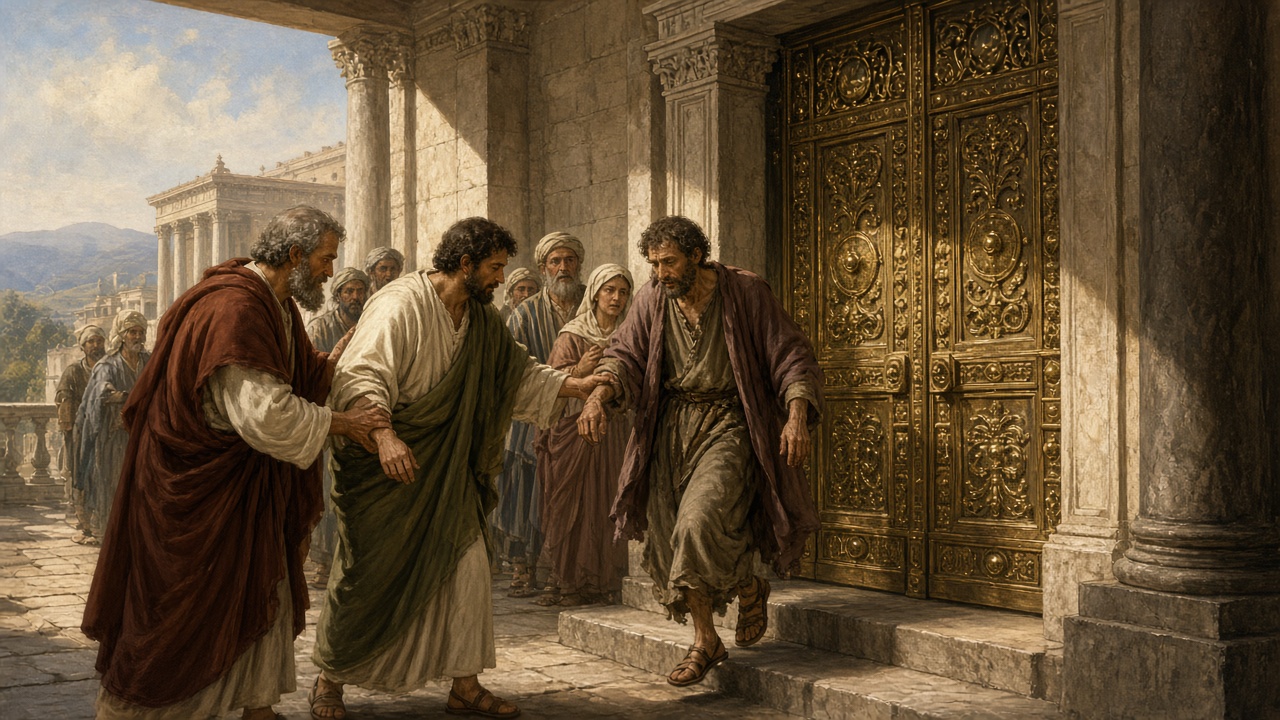
1Ụhụọhịn ohu, Pita lẹ Jọnụ jẹnkọ Ụlọ-nsọ ogẹn ekpere, ihiẹn nọkẹ ọkụlọkụ ẹtọ nke efinnaị. 2O nwẹ okẹnnyẹ ohu dan ngụrọ kete w'a mụl'a, hụn w'e buhẹ ebẹhụ. Ụhụọhịn ile kẹ wẹ gi e butọ a ọnụ-mgbọn rị Ụlọ-nsọ hụn w'a kpọ “Ọnụ-mgbọn Ma mma,” kẹni ọ hụn ụzọ a rịọ ndị rị a banye imẹ Ụlọ-nsọ ihiẹn. 3Ogẹn o gi hụn Pita lẹ Jọnụ kẹ wẹ banyekọ Ụlọ-nsọ, ọ nọ rịọma wẹ ihiẹn. 4Pita nọ bu ẹnya tụma a. (Ẹrịra kẹ Jọnụ buzikwọ ẹnya tụma a.) Pita nọ sị a, “Bu ẹnya zinmẹ ẹnyi!” 5Okẹnnyẹ hụ nọ bu ẹnya tụma wẹ, a tụ ẹnya n'o nwẹ ihiẹn wẹ k'e ye ẹ. 6Kanị Pita nọ sị a, “Enwọn m egho ọwụlẹ, kanị, m jẹnkọ d'e ye i ihiẹn m nwọn: ghahanị ẹfan Jesu Kristi onyẹ Nazarẹtị lihi ọtọ n'ị jẹnmẹ ijẹn!” 7Ọ nọ kwọndọn ẹ ẹka-nni, weli ẹ. Ozigbo, ụkụ-alị a lẹ olu-ụkụ a nọ kẹnrẹn. 8Okẹnnyẹ hụ nọ tụsi elu, turu ọtọ, jẹnmẹ ijẹn. Ọ nọ sọn wẹ banye imẹ Ụlọ-nsọ, e jẹn ijẹn, a wụsi elu, a ja Osolobuẹ mma. 9Ịhịan ile a hụn a k'ọ rị e jẹnhunmẹ, a ja Osolobuẹ mma, 10wẹ nọ lepụha a nị ịya wụ onyẹ hụn te a nọdị anị Ọnụ-mgbọn Ma-mma a rịọ ụrịọ. Ihiẹnni mẹ n'ẹ nọ tụ wẹ ẹnya, gba wẹ ngharị-ẹnya.
Ozi Pita Zi Imẹ Ụlọ-nsọ
11Ebẹhụ ọ nyankụnma Pita lẹ Jọnụ imẹ ebẹhụ w'a kpọ Ẹtụ-ụlọ Solomọnụ, ịhịan ile nọ gbaha d'e fihunmẹ wẹ makẹni ihiẹnni mẹni tụ wẹ ile ẹnya ọda-ọda. 12Ogẹn Pita gi hụn ihiẹnni, ọ nọ sị ndị hụ, “Ndị Izrẹlụ, kị ihiẹnni rị a tụnị ụnụ ẹnya? Kị ọnụ gbanị ẹnyi ilee nọkẹ sị ikẹn ẹnyi mọbụ ezi-omumẹ ẹnyi kẹ ẹnyi gi mẹ okẹnnyẹni jẹnmẹ ijẹn? 13Osolobuẹ Ebraham lẹ Aziki lẹ Jekọpụ, Osolobuẹ ndị nẹdi ẹnyi wẹ kanị, e yegụọ odibo ẹ wụ Jizọs' ọghọ—Jizọsị, hụn ụnụ we ye wẹ, hụn ụnụ jụ id'ẹnya Paịleti—ọsụọn'a nị Paịleti e te kugụọ n'ọ k'a hafụ a. 14Ụnụ a jụ Onyẹ-nsọ hụ, Onyẹ ahụn rị ọchan—sị wẹ hapụ nị ụnụ izighẹ. 15Ụnụ nọ gbu onyẹ hụn e ye ndụn, kanị Osolobuẹ nọ gha ọnwụn weli ẹ. Ẹnyi wụ ọshẹri ihiẹnni. 16Makẹni wẹ gi okukwe gi ẹfan a dọn ẹnya, ẹfan a e mẹgụọ okẹnnyẹni kẹnrẹn—okẹnnyẹni ụnụ a hụn, okẹnnyẹni ụnụ marịn. Ẹghẹẹ, ịtụkwasị Jesu obi kẹ okẹnnyẹni gi nwan dịnhịn idẹnya ụnụ ile.
17Umunẹ m, a marịnghọ m nị amarịn haịn ụnụ gi mẹ ihiẹnni—kẹ ụnụ kẹ ndị-isi ụnụ. 18Kanị ẹnịna kẹ Osolobuẹ gi nwan mẹzu ihiẹn ndị ọ gha ọnụ ndị-amụma ile ku mbụ-mbụ—nị Kraisti a, Onyẹ-nzụọpụha hụ o tumẹ, k'a ta afụnfụn. 19Rogharị nị nwan, ụnụ e kinhẹn d'e kunrun Osolobuẹ. Ụnụ mẹ ẹ, o jẹnkọ d'a fichanpụ ụnụ njọ, 20kẹni ogẹn ịgba-umẹ ihiẹn gi a rị mma hụn ụzọ gha ebe Di-nwọnni-ẹnyi rị bịa, o zihẹzikwọ nị ọnụ Kraịstị, Onyẹ Nzụọpụha hụ o tumẹ ni ụnụ, hụn wụ Jizọsị.
21Kanị, Jizọsị k'a rịgụdẹ elu-igwee d'e ru ogẹn Osolobuẹ k'e gi dọnzichanrịn ihiẹn ile, nọkẹ kẹ Osolobuẹ dọn ku mbụ-mbụ ghahanị ọnụ ndị-amụma a rị nsọ. 22Mozizi sị, ‘Di-nwọnni-ẹnyi wụ Osolobuẹ ọnụ jẹnkọ d'a gha imẹ ndị nke ụnụ wepụha nị ụnụ onyẹ-amụma—k'o dọn wefụha m. Ụnụ k'e gọnrịrị ntịn ihiẹn ile onyẹ-amụma hụ k'a gwa ọnụ. 23Onyẹ ọwụlẹ gilẹni ihiẹn o ku dọn, e gbupụ w'a imẹ ndị Izrẹlụ.’ 24Ndị-amụma ndị ọzọ ile e kughọzị oku ihiẹn ndịnị rị e mẹ ogẹnni—ghakwọrị Samuẹlụ d'e ru ndị amụma ndị ọzọ ile sọnn'ẹ. 25Ụnụ kẹ ihiẹn ndị-amụma ndị ahụn ku ru nwan ẹka; ụnụ kẹ Osolobuẹ kwetọnị nkwa o gi tumẹ nkwerigbama hụ o tumẹ ẹgbata 'ya lẹ ndị nẹdi ọnụ kanị. Ọ sị Ebraham nẹdi ụnụ, ‘Ẹka onyẹ hụ k'a gha ẹhụ ị pụha kẹ ndị alị ile rị elu-ụwa k'a gha nwẹ ngọzi.’ 26Ogẹn Osolobuẹ gi wepụha odibo ẹ, ọ nọ bu ụzọ zihẹ ni ọnụ ya, n'ọ gọzi ụnụ—ghahanị imẹ onyẹ-onyẹ imẹ ọnụ gha imẹ njọ a pụha.”
¿Sabías que…?
Curación y predicación en el templo
- La puerta del templo llamada Hermosa, donde cada día ponían a mendigar a un hombre cojo de nacimiento, se nombra en este capítulo. Se supone que era la puerta que iba del atrio de los gentiles al atrio de las mujeres; era maciza y estaba cubierta con placas de latón corintio.Fuentes: Beautiful Gate · el propio texto bíblico
- Después de la curación, la multitud asombrada corrió hacia Pedro y Juan en el paseo llamado Pórtico de Salomón. Era una columnata, o claustro, probablemente en el lado oriental del templo; no se menciona en relación con el primer templo, pero Josefo menciona un pórtico de ese nombre en el templo de Herodes.Fuentes: Solomon's Portico · el propio texto bíblico
- En el discurso allí, Pedro dijo que el pueblo había entregado a Jesús y lo había rechazado ante Pilato, aunque Pilato había decidido soltarlo. Una entrada de diccionario identifica a Poncio Pilato como el sexto procurador romano de Judea, del 26 al 36 d.C., con sede en Cesarea, aunque subía con frecuencia a Jerusalén; su nombre cobra especial relieve en relación con el juicio de Jesús.Fuentes: Pontius Pilate · el propio texto bíblico
Notas escritas con ayuda de IA a partir de fuentes abiertas (Theographic Bible Metadata, CC BY-SA 4.0; Easton’s Bible Dictionary, dominio público) y revisadas antes de publicarse.
Lugares de este capítulo
- Beautiful Gate · Hoy: in Jerusalem · 31.777, 35.234 · versículos 2, 10
- Nazareth · 32.702, 35.298 · versículo 6
- Solomon’s Portico · Hoy: in Jerusalem · 31.777, 35.234 · versículo 11
Solo aparecen lugares identificados con alta confianza (90 % o más según las fuentes académicas reunidas por OpenBible). Mapa de la época: DARE (Digital Atlas of the Roman Empire), CC BY 4.0; mapa actual: © colaboradores de OpenStreetMap; lugares: OpenBible.info (CC BY 4.0).
Créditos y licencia de esta traducción
Elu Ọhụn: Ẹkụkwọ-Nsọ (Azụụn Ọhụn rịn'a)
Revision of New Testament in Ika
copyright © 2010 Wycliffe
Language: Ika
Translation by: Wycliffe
Ika (ikk) Nigeria
In Nigeria the word Ika is not only the name of the Ika
people, but is also used to designate a local government area in the Akwa Ibom
State. The Ika people are a sub group of the Igbo people. It is interesting to note
that Ika is the name of a town in Croatia is one of the eight Annang local
government areas of the local government areas in Akwa Ibom State. An alternative
name for the Ika people is Ika-Annang. There appears to be another dialect of Ika
that is spoken in Delta State of Nigeria.
Copyright Information
© 2010, Wycliffe. All rights reserved.
This translation text is made available to you under the terms of the Creative
Commons License: Attribution-Noncommercial-No Derivative Works. ( http://creativecommons.org/licenses/by-nc-nd/3.0/ ) In addition, you have
permission to port the text to different file formats, as long as you do not change
any of the text or punctuation of the Bible.
You may share, copy, distribute, transmit, and extract portions or quotations from
this work, provided that you include the above copyright information:
You must give Attribution to the work.
You do not sell this work for a profit.
You do not make any derivative works that change any of the actual words or
punctuation of the Scriptures.
Permissions beyond the scope of this license may be available if you contact us
with your request.
Printed book ISBN 9789789037056
Revision
The New Testament
in Ika
© 2010, Wycliffe. All rights
reserved.
This translation is made available to you under the terms of the
Creative Commons Attribution-Noncommercial-No Derivatives license 4.0.
You may share and redistribute this Bible translation or extracts from it in any format, provided that:
You include the above copyright and source information.
You do not sell this work for a profit.
You do not change any of the words or punctuation of the Scriptures.
Pictures included with Scriptures and other documents on this site are licensed just for use with those Scriptures and documents.
For other uses, please contact the respective copyright owners.
2019-08-09
Fuente: http://ebible.org/ikkNT/ · eBible.org