Acts 3
Elu Ọhụn: Ẹkụkwọ-Nsọ (Azụụn Ọhụn rịn'a) · Tap a verse to see its cross-references.
Pita A Zụọ Onyẹ-ngụrọ
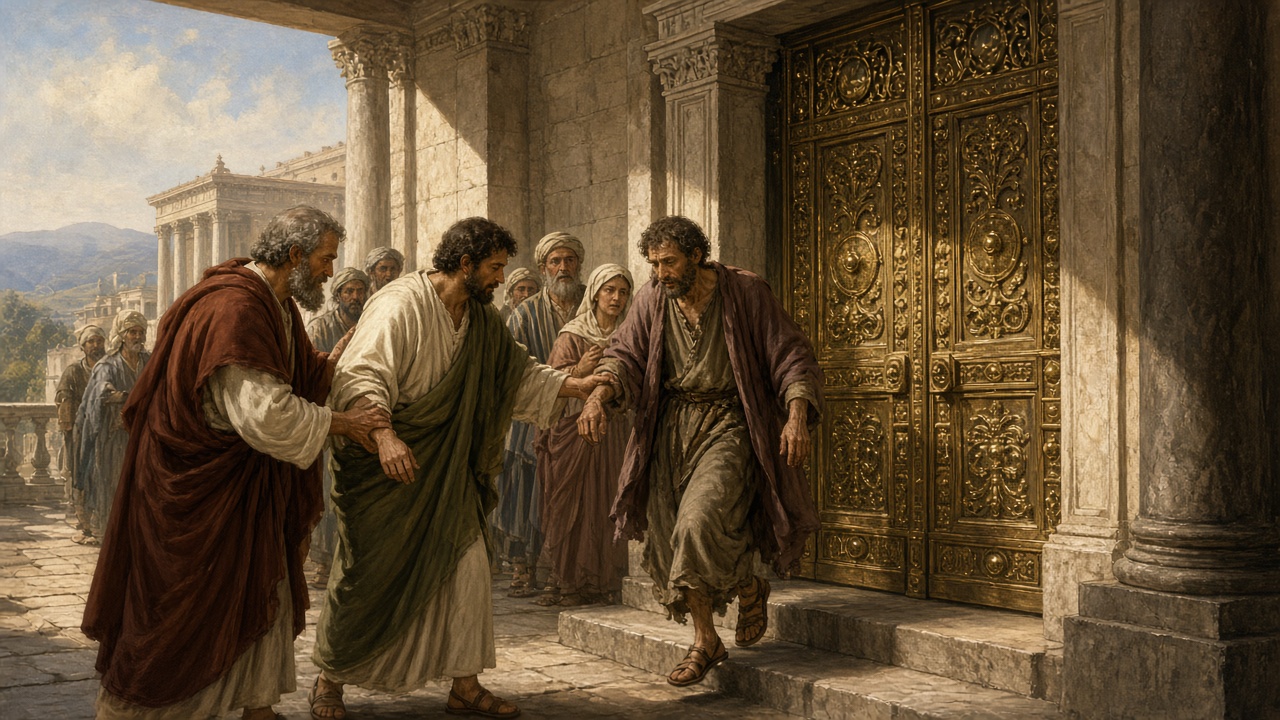
1Ụhụọhịn ohu, Pita lẹ Jọnụ jẹnkọ Ụlọ-nsọ ogẹn ekpere, ihiẹn nọkẹ ọkụlọkụ ẹtọ nke efinnaị. 2O nwẹ okẹnnyẹ ohu dan ngụrọ kete w'a mụl'a, hụn w'e buhẹ ebẹhụ. Ụhụọhịn ile kẹ wẹ gi e butọ a ọnụ-mgbọn rị Ụlọ-nsọ hụn w'a kpọ “Ọnụ-mgbọn Ma mma,” kẹni ọ hụn ụzọ a rịọ ndị rị a banye imẹ Ụlọ-nsọ ihiẹn. 3Ogẹn o gi hụn Pita lẹ Jọnụ kẹ wẹ banyekọ Ụlọ-nsọ, ọ nọ rịọma wẹ ihiẹn. 4Pita nọ bu ẹnya tụma a. (Ẹrịra kẹ Jọnụ buzikwọ ẹnya tụma a.) Pita nọ sị a, “Bu ẹnya zinmẹ ẹnyi!” 5Okẹnnyẹ hụ nọ bu ẹnya tụma wẹ, a tụ ẹnya n'o nwẹ ihiẹn wẹ k'e ye ẹ. 6Kanị Pita nọ sị a, “Enwọn m egho ọwụlẹ, kanị, m jẹnkọ d'e ye i ihiẹn m nwọn: ghahanị ẹfan Jesu Kristi onyẹ Nazarẹtị lihi ọtọ n'ị jẹnmẹ ijẹn!” 7Ọ nọ kwọndọn ẹ ẹka-nni, weli ẹ. Ozigbo, ụkụ-alị a lẹ olu-ụkụ a nọ kẹnrẹn. 8Okẹnnyẹ hụ nọ tụsi elu, turu ọtọ, jẹnmẹ ijẹn. Ọ nọ sọn wẹ banye imẹ Ụlọ-nsọ, e jẹn ijẹn, a wụsi elu, a ja Osolobuẹ mma. 9Ịhịan ile a hụn a k'ọ rị e jẹnhunmẹ, a ja Osolobuẹ mma, 10wẹ nọ lepụha a nị ịya wụ onyẹ hụn te a nọdị anị Ọnụ-mgbọn Ma-mma a rịọ ụrịọ. Ihiẹnni mẹ n'ẹ nọ tụ wẹ ẹnya, gba wẹ ngharị-ẹnya.
Ozi Pita Zi Imẹ Ụlọ-nsọ
11Ebẹhụ ọ nyankụnma Pita lẹ Jọnụ imẹ ebẹhụ w'a kpọ Ẹtụ-ụlọ Solomọnụ, ịhịan ile nọ gbaha d'e fihunmẹ wẹ makẹni ihiẹnni mẹni tụ wẹ ile ẹnya ọda-ọda. 12Ogẹn Pita gi hụn ihiẹnni, ọ nọ sị ndị hụ, “Ndị Izrẹlụ, kị ihiẹnni rị a tụnị ụnụ ẹnya? Kị ọnụ gbanị ẹnyi ilee nọkẹ sị ikẹn ẹnyi mọbụ ezi-omumẹ ẹnyi kẹ ẹnyi gi mẹ okẹnnyẹni jẹnmẹ ijẹn? 13Osolobuẹ Ebraham lẹ Aziki lẹ Jekọpụ, Osolobuẹ ndị nẹdi ẹnyi wẹ kanị, e yegụọ odibo ẹ wụ Jizọs' ọghọ—Jizọsị, hụn ụnụ we ye wẹ, hụn ụnụ jụ id'ẹnya Paịleti—ọsụọn'a nị Paịleti e te kugụọ n'ọ k'a hafụ a. 14Ụnụ a jụ Onyẹ-nsọ hụ, Onyẹ ahụn rị ọchan—sị wẹ hapụ nị ụnụ izighẹ. 15Ụnụ nọ gbu onyẹ hụn e ye ndụn, kanị Osolobuẹ nọ gha ọnwụn weli ẹ. Ẹnyi wụ ọshẹri ihiẹnni. 16Makẹni wẹ gi okukwe gi ẹfan a dọn ẹnya, ẹfan a e mẹgụọ okẹnnyẹni kẹnrẹn—okẹnnyẹni ụnụ a hụn, okẹnnyẹni ụnụ marịn. Ẹghẹẹ, ịtụkwasị Jesu obi kẹ okẹnnyẹni gi nwan dịnhịn idẹnya ụnụ ile.
17Umunẹ m, a marịnghọ m nị amarịn haịn ụnụ gi mẹ ihiẹnni—kẹ ụnụ kẹ ndị-isi ụnụ. 18Kanị ẹnịna kẹ Osolobuẹ gi nwan mẹzu ihiẹn ndị ọ gha ọnụ ndị-amụma ile ku mbụ-mbụ—nị Kraisti a, Onyẹ-nzụọpụha hụ o tumẹ, k'a ta afụnfụn. 19Rogharị nị nwan, ụnụ e kinhẹn d'e kunrun Osolobuẹ. Ụnụ mẹ ẹ, o jẹnkọ d'a fichanpụ ụnụ njọ, 20kẹni ogẹn ịgba-umẹ ihiẹn gi a rị mma hụn ụzọ gha ebe Di-nwọnni-ẹnyi rị bịa, o zihẹzikwọ nị ọnụ Kraịstị, Onyẹ Nzụọpụha hụ o tumẹ ni ụnụ, hụn wụ Jizọsị.
21Kanị, Jizọsị k'a rịgụdẹ elu-igwee d'e ru ogẹn Osolobuẹ k'e gi dọnzichanrịn ihiẹn ile, nọkẹ kẹ Osolobuẹ dọn ku mbụ-mbụ ghahanị ọnụ ndị-amụma a rị nsọ. 22Mozizi sị, ‘Di-nwọnni-ẹnyi wụ Osolobuẹ ọnụ jẹnkọ d'a gha imẹ ndị nke ụnụ wepụha nị ụnụ onyẹ-amụma—k'o dọn wefụha m. Ụnụ k'e gọnrịrị ntịn ihiẹn ile onyẹ-amụma hụ k'a gwa ọnụ. 23Onyẹ ọwụlẹ gilẹni ihiẹn o ku dọn, e gbupụ w'a imẹ ndị Izrẹlụ.’ 24Ndị-amụma ndị ọzọ ile e kughọzị oku ihiẹn ndịnị rị e mẹ ogẹnni—ghakwọrị Samuẹlụ d'e ru ndị amụma ndị ọzọ ile sọnn'ẹ. 25Ụnụ kẹ ihiẹn ndị-amụma ndị ahụn ku ru nwan ẹka; ụnụ kẹ Osolobuẹ kwetọnị nkwa o gi tumẹ nkwerigbama hụ o tumẹ ẹgbata 'ya lẹ ndị nẹdi ọnụ kanị. Ọ sị Ebraham nẹdi ụnụ, ‘Ẹka onyẹ hụ k'a gha ẹhụ ị pụha kẹ ndị alị ile rị elu-ụwa k'a gha nwẹ ngọzi.’ 26Ogẹn Osolobuẹ gi wepụha odibo ẹ, ọ nọ bu ụzọ zihẹ ni ọnụ ya, n'ọ gọzi ụnụ—ghahanị imẹ onyẹ-onyẹ imẹ ọnụ gha imẹ njọ a pụha.”
Did you know?
Healing and Preaching at the Temple
- The temple gate called Beautiful, where a man lame from birth was placed each day to beg, is named in this chapter. It is supposed to have been the door from the court of the Gentiles into the court of the women, and it was massive, covered with plates of Corinthian brass.Sources: Beautiful Gate · the Bible text itself
- After the healing, the astonished crowd ran to Peter and John in the walkway called Solomon’s Colonnade. This was a colonnade, or cloister, probably on the eastern side of the temple; it is not mentioned with the first temple, but Josephus mentions a porch of that name in Herod’s temple.Sources: Solomon's Portico · the Bible text itself
- In his address there, Peter said the people had handed Jesus over and rejected him before Pilate, although Pilate had decided to release him. A dictionary entry identifies Pontius Pilate as the sixth Roman procurator of Judea, from A.D. 26 to 36, with headquarters at Caesarea, though he frequently went up to Jerusalem; his name comes into prominent notice in connection with the trial of Jesus.Sources: Pontius Pilate · the Bible text itself
Notes written with AI assistance from open sources (Theographic Bible Metadata, CC BY-SA 4.0; Easton’s Bible Dictionary, public domain) and reviewed before publishing.
Places in this chapter
- Beautiful Gate · Today: in Jerusalem · 31.777, 35.234 · verses 2, 10
- Nazareth · 32.702, 35.298 · verse 6
- Solomon’s Portico · Today: in Jerusalem · 31.777, 35.234 · verse 11
Only places identified with high confidence are shown (90% or more according to the scholarly sources compiled by OpenBible). Period map: DARE (Digital Atlas of the Roman Empire), CC BY 4.0; modern map: © OpenStreetMap contributors; places: OpenBible.info (CC BY 4.0).
Credits and license for this translation
Elu Ọhụn: Ẹkụkwọ-Nsọ (Azụụn Ọhụn rịn'a)
Revision of New Testament in Ika
copyright © 2010 Wycliffe
Language: Ika
Translation by: Wycliffe
Ika (ikk) Nigeria
In Nigeria the word Ika is not only the name of the Ika
people, but is also used to designate a local government area in the Akwa Ibom
State. The Ika people are a sub group of the Igbo people. It is interesting to note
that Ika is the name of a town in Croatia is one of the eight Annang local
government areas of the local government areas in Akwa Ibom State. An alternative
name for the Ika people is Ika-Annang. There appears to be another dialect of Ika
that is spoken in Delta State of Nigeria.
Copyright Information
© 2010, Wycliffe. All rights reserved.
This translation text is made available to you under the terms of the Creative
Commons License: Attribution-Noncommercial-No Derivative Works. ( http://creativecommons.org/licenses/by-nc-nd/3.0/ ) In addition, you have
permission to port the text to different file formats, as long as you do not change
any of the text or punctuation of the Bible.
You may share, copy, distribute, transmit, and extract portions or quotations from
this work, provided that you include the above copyright information:
You must give Attribution to the work.
You do not sell this work for a profit.
You do not make any derivative works that change any of the actual words or
punctuation of the Scriptures.
Permissions beyond the scope of this license may be available if you contact us
with your request.
Printed book ISBN 9789789037056
Revision
The New Testament
in Ika
© 2010, Wycliffe. All rights
reserved.
This translation is made available to you under the terms of the
Creative Commons Attribution-Noncommercial-No Derivatives license 4.0.
You may share and redistribute this Bible translation or extracts from it in any format, provided that:
You include the above copyright and source information.
You do not sell this work for a profit.
You do not change any of the words or punctuation of the Scriptures.
Pictures included with Scriptures and other documents on this site are licensed just for use with those Scriptures and documents.
For other uses, please contact the respective copyright owners.
2019-08-09
Source: http://ebible.org/ikkNT/ · eBible.org