Hechos 2
Elu Ọhụn: Ẹkụkwọ-Nsọ (Azụụn Ọhụn rịn'a) · Toca un versículo para ver sus referencias cruzadas.
Mmọn-nsọ A Bịa Ụhụọhịn Mmẹmmẹ-Pẹntikosu
1Ogẹn o gi ru ụhụọhịn Mmẹmmẹ ahụn w'a kpọ Pẹntikosu, ndị ile kwerini rị ụzọ ohu. 2Idẹnmizi, ụzụn nọ gha elu-igwee bịa: ụzụnnị nọkẹ okẹn ufere rị a kpọnị. Ọ nọ jun imẹ ụlọ ebe wẹ nọdịsọnmẹ anị. 3Ya wẹ nọ hụn ihiẹn rịsọnmẹ kẹ ire k'ọ pụha, e nwun kẹ ọkụn, nọkwasịsọnmẹ onyẹ-onyẹ imẹ wẹ. 4Mmọn-nsọ nọ jun imẹ wẹ ile, wẹ nọ sụma asụsụ ndị ọzọ rị ichẹn-ichẹn, nọkẹ kẹ Mmọn-nsọ dọn ye wẹ ikẹn wẹ gi e ku.
5Ogẹn hụ, ndị Ju hụn a tụ egun Osolobuẹ, hụn bisọnmẹ alị ile rị enu-ụwa, rị imẹ Jerusalẹm. 6Ogẹn wẹ gi nụ ụzụnnị, igunrun ịhịan nọ gbakikomẹ. Ọ tụ wẹ ẹnya, makẹni onyẹ-onyẹ imẹ wẹ hụ a nụ kẹ wẹ rị a sụ asụsụ a. 7Ọ gba wẹ ngharị-ẹnya ọda-ọda; wẹ nọ sị, “Ndịnị ile rị e ku oku ẹlẹ ndị Galili? 8Nanị k'o dọn nwan mẹ ni onyẹ-onyẹ imẹ ẹnyi hụ a nụ kẹ wẹ rị a sụ asụsụ alị wẹ nọ mụ a? 9Kẹ ndị Patịa kẹ ndị Medịa kẹ ndị Ẹlamụ; kẹ ndị bi Mẹsopotemịa lẹ Judia lẹ Kapadosịa lẹ Pọntusu lẹ Eshịa 10lẹ Frigia lẹ Pamfilịa lẹ Ijiptu lẹ azụụn Libịa ndị hụ nọchimẹ Saịrin, lẹ ndị ọbịa gha Rom bịa, 11(kẹ ndị Ju kẹ ndị gha ofufe ọzọ sọnmẹ ofufe ndị Ju); lẹzi ndị gha Kriti bịa lẹ ndị Arabụ—ẹnyi ile hụ a nụ kẹ wẹ gi asụsụ ẹnyi e ku okẹn ọrụn a tụ ẹnya Osolobuẹ rụnsọnmẹ.” 12Ọ tụkẹnmẹ wẹ ile ẹnya, gba wẹ ngharị-ẹnya; wẹ hụ a jụ ibe wẹ, “Kị wụ ọnwan?”
13Kanị ndị ọzọ hụ a mụ ẹmụ, a sị, “E gigụọ wẹ manya ọhụn ragbu enwẹn wẹ!”
Ozi Pita Zi Ogẹn Mmọn-nsọ Gi Bịakwasịgụụ Wẹ
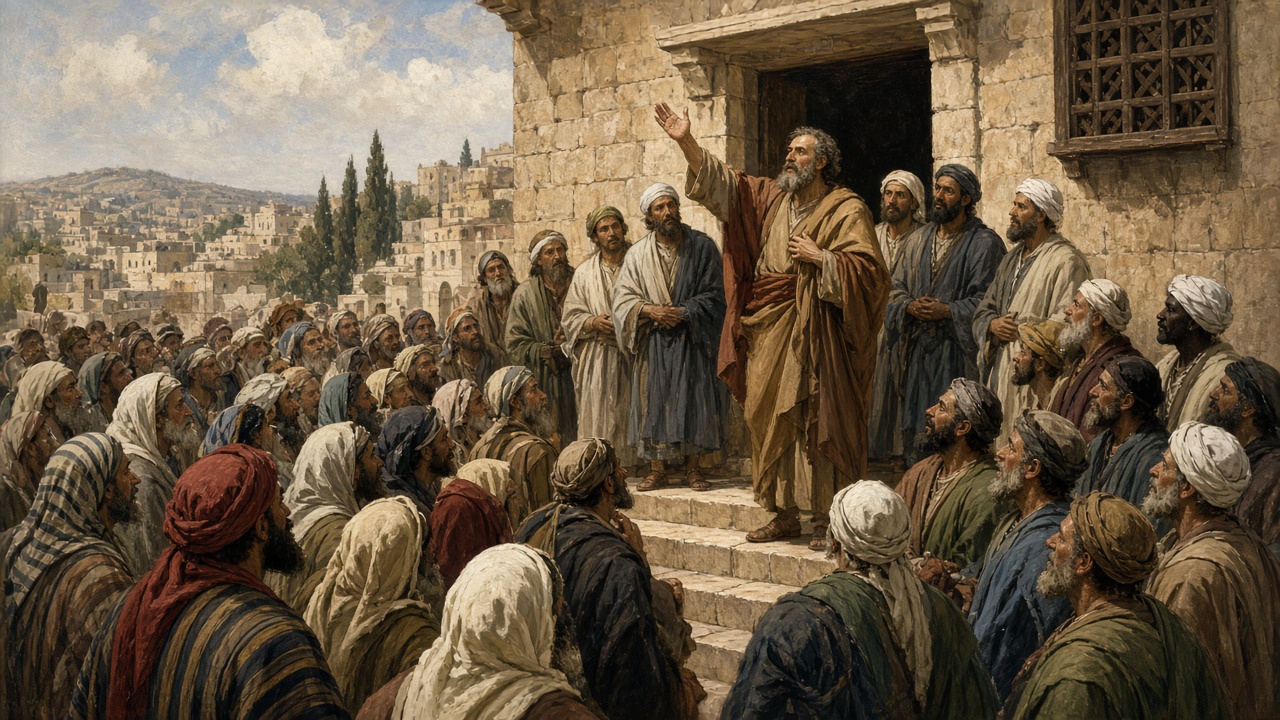
14Kanị Pita lẹ ndị-ozi pụ-ichẹn mmanaị ndị ọzọ nọ lihi ọtọ, Pita nọ wesi olu elu gwa ndị hụ gbazuni oku, sị, “Ndị Ju ibe m lẹ ndị ile bi Jerusalẹm, nị m kọwa nị ọnụ ihiẹnni rị e mẹni; gọnkẹnmẹ ni m ntịn. 15Manya arị a tụ ndịnị kẹ ọnụ dọn rị e ro, kaka—makẹni ọkụlọkụ itenẹi nke ụtụntụn rịhụ a kụ. 16Mba, manya a rị a tụ wẹ. Kanị, ihiẹnni rị e mẹni wụ ihiẹn hụ Osolobuẹ gi Juẹlụ onyẹ-amụma ku, sị,
17‘Osolobuẹ sị,
“Ogẹn ịkpazụụn,
m jẹnkọ d'e hu Mmọn-nsọ m kpu ịhịan ile.
Ụmụ ụnụ ikẹnnyẹ lẹ ụmụ ọnụ ikpoho
k'e bu amụma;
ikorọbịa ọnụ k'a hụn ọhụn;
ikẹnnyẹ-ọba ụnụ k'a rọ nrọ.
18Ẹghẹẹ, ogẹn hụ,
m k'e hudẹ Mmọn-nsọ m kpu ndị idibo m—
kẹ ikẹnnyẹ kẹ ikpoho,
e bu wẹ amụma.
19M k'a ghọsịsọnmẹzịkwọ ihiẹn a tụ ẹnya elu-igwere,
ghọsịsọnmẹ ahịma elu-ụwa—
kẹ ẹdeke kẹ ọkụn kẹ ẹnwụnrụn.
20Ẹnya-anwụn jẹnkọ d'a gba ishi,
ifọn e nwunmẹ ẹdeke-ẹdeke,
Ụhụọhịn Di-nwọnni-ẹnyi kebe ru—
okẹn ụhụọhịn hụ nwẹ ọghọ.
21Ogẹn hụ,
onyẹ ọwụlẹ hụn k'a kpọku ẹfan Di-nwọnni-ẹnyi
k'e nwọn nzụọpụha.” ’
22Ndị Izrẹlụ, gọn ni m ntịn! Osolobuẹ wụ onyẹ hụn zihẹ okẹnnyẹ hụ wụ Jizọs' onyẹ Nazarẹtị. Ọ nọ gi ẹ rụn ọrụn-atụmẹnya lẹ ahụnlele lẹ ihiẹn ahịma bu ọda ebe ọnụ rị, gi ẹ ghọsị ụnụ nị 'ya zihẹ ẹ. Ụnụ lẹ enwẹn ọnụ a marịngụọ ihiẹn ndịnị ọhụnma-ọhụnma. 23Kanị, nọkẹ kẹ Osolobuẹ hụn marịn ihiẹn k'e mẹ ihun dọn kwademẹ, wẹ nọ we ẹ che ẹka ụnụ, ọnụ nọ we ẹ ye ndị anị ndị ọzọ hụn marịnlẹni Osolobuẹ—wẹ nọ kpọma elu-obe, kpọgbuni ụnụ 'ya. 24Kanị Osolobuẹ nọ gha ọnwụn weli ẹ, gha ikẹn ọnwụn gbafụha a, makẹni ọnwụn asakọ ẹka kwọndọn ẹ. 25Makẹni Defidi ku oku ẹ, sị,
‘M'a hụn Di-nwọnni-ẹnyi ogẹn ile ebe ọ nọyeni m;
makẹni ọ rị ẹka-nni m,
emẹhunmekọ m.
26Ya haịn obi gi a sụọ m ụsụọ;
ya haịn m gi a bụ ẹbụ.
Ẹhụ m enwẹkọdẹ nsọngbu,
makẹni m nwẹ olile-ẹnya.
27Makẹni, y'a lakọ m tọ imẹ ili;
y'a nịkọ Onyẹ-nsọ ị rehi.
28Y'e mẹgụọ m marịn ụzọ ndụn;
i k'e mẹ m ghọghọ ebe ị rị.’
29Umunẹ m, o furu nị m gwapụ ọnụ nị nẹdi ẹnyi kanị wụ Defidi a nwụnhụnghọ, e li wẹ ẹ—ili ẹ rịkwọ nwan ebeni d'e ru tannị. 30Kanị, makẹni ọ wụ onyẹ-amụma, makẹni ọ marịngụọ nị Osolobuẹ kwe ẹ nkwa, kun enwẹn ẹ, n'o jẹnkọ d'e tumẹ nwa Defidi ohu eze n'ọ nọdị ukpo ya lẹ enwẹn ẹ wụ Defidi, 31Defidi hụn ihiẹnni n'o d'e mẹ. Ọ nọ ku ẹ nị Kraịstị, Onyẹ Hụ Osolobuẹ Tumẹ, jẹnkọ d'a gha ọnwụn lihi, nị ananị w'a tọ imẹ ili lẹni ẹhụ a eretọnị imẹ ili. 32Osolobuẹ a ghagụọ nwan ọnwụn weli Jesuni: ẹnyi ile wụ oshẹri. 33E wesigụọ w'a ọnọdị ọghọ ẹka-nni Osolobuẹ; ọ nahangụọ Chuku-Nẹdi Mmọn-nsọ hụ Nẹdi kwe nkwa a. Ọ nọ nwan hupụha ihiẹnni ụnụ rị a hụn, a nụ. 34Makẹni Defidi lẹ enwẹn ẹ aghanị ọnwụn lihi lashi elu-igwee, kanị 'ya lẹ enwẹn ẹ ku, sị,
‘Di-nwọnni-ẹnyi sị Di-nwọnni-m,
“Nọdị alị ẹka-nni m,
35d'e ru
mgbe m gigụụ ndị-iṅẹnrẹn i
mẹmẹ ihiẹn i gi a zọma ụkụ.” ’
36Ụnụ ndị Izrẹlụ ile, marịn nị nwan ọhụnma-ọhụnma nị Osolobuẹ e mẹọlẹ Jesuni ụnụ kpọgbu elu obe wụrụ Nna lẹ Onyẹ-nzụọpụha hụ ụnụ rị e lee ẹnya a, hụn wụ Kraịstị.”
Ndị Kwerini
37Ogẹn wẹ gi nụ ihiẹnni, o gbu wẹ mgbu obi ọda-ọda. Wẹ nọ sị Pita lẹ ndị-ozi pụ-ichẹn ndị ọzọ, “Umunẹ, kịnị kẹ ẹnyi k'e mẹ?” 38Pita nọ za wẹ, sị, “Onyẹ ọwụlẹ imẹ ọnụ ya rogharị, kẹni wẹ gi ẹfan Jizọs' Kraịstị mẹ ẹ mirin-Chuku, kẹni Osolobuẹ gbagharị a njọ, o k'e nwọnhẹn oyiye hụ wụ Mmọn-nsọ. 39Makẹni ụnụ kẹ Osolobuẹ kwe nkwanị n'o k'e zihẹ Mmọn-nsọ—ọnụ lẹ ụmụ ụnụ lẹ ndị rị ebe teni—onyẹ ọwụlẹ Di-nwọnni-ẹnyi wụ Osolobuẹ ẹnyi k'a kpọrị.”
40Pita nọ gwazị wẹ ihiẹn ndị ọzọ bu ọda, gi ẹ dọ wẹ ẹka-ntịn, a rịọ wẹ, sị, “Zụọpụha nị enwẹn ọnụ imẹ agbọnị zinlẹni!” 41Wẹ nọ mẹ ndị ile nabanhan ozi ẹ mirin-Chuku. Ihiẹn nọkẹ madụ ọgụn-iri kwasị nnụ-ẹsa nọ banye ni wẹ ụhụọhịn hụ. 42Ndịnị ile nọ bu enwẹn wẹ che nkuzi ndị-ozi hụ pụ-ichẹn, imẹgbama ihiẹn ile, iri Oriri-nsọ lẹ imẹ ekpere.
Obibi Ndị Kwerini
43Egun-Osolobuẹ hụ a tụ onyẹ ọwụlẹ; Osolobuẹ hụ e gi ndị-ozi hụ pụ-ichẹn a rụnsọnmẹ ọrụn-atụmẹnya lẹ ihiẹn-nghọsị bu ọda. 44Ndị ile kwerini hụ a nọgbama; o nwọnzini onyẹ weri ẹ nị ihiẹn o nwẹ wụ nke 'ya sụọ. 45W'e resọnmẹ ihiẹn wẹ nwọn, e keyesọnmẹ onyẹ ọwụlẹ k'o dọn nwẹ mkpa. 46Wẹ hụ e gi obi ohu e zu imẹ Ụlọ-nsọ ụhụọhịn-ụhụọhịn; e ri Oriri-nsọ ụlọ-ụlọ; a shịapụ ẹfọ e gi ịghọghọ e rigbama ihiẹn-oriri iwe wẹ, 47a ja Osolobuẹ mma. Ihiẹn wẹ hụ a sụọ ịhịan ile. Ụhụọhịn-ụhụọhịn, Di-nwọnni-ẹnyi hụ e bucheni wẹ ndị hụn ọ rị a zụọfụha.
¿Sabías que…?
El Espíritu viene en Pentecostés
- Judíos temerosos de Dios, de todas las naciones bajo el cielo, ya vivían en Jerusalén cuando un sonido como el de un viento fuerte e impetuoso vino del cielo y llenó la casa, y los que hablaban comenzaron a proclamar las maravillas de Dios en otras lenguas. En este capítulo, “Asia” es la provincia romana de Asia Proconsular, en la parte occidental de Asia Menor, cuya capital era Éfeso, y no el continente de ese nombre. El Ponto, a lo largo de la costa sur del mar Euxino, era una provincia romana en tiempos de los apóstoles y un lugar frecuentado por muchos judíos de la Dispersión; Capadocia era la provincia más oriental y la más grande de Asia Menor.Fuentes: el propio texto bíblico · Asia · Pontus · Cappadocia
- La multitud quedó asombrada de que los que hablaban fueran galileos. Quien se puso en pie con los Once y les habló fue Simón Pedro, llamado antes Simón —es decir, Simeón, que significa “oír”—, un pescador de Betsaida, en la costa occidental del mar de Galilea, a quien su hermano menor, Andrés, llevó primero a Jesús.Fuentes: el propio texto bíblico · Simon Peter
- Pedro dijo que aquello era lo que había hablado el profeta Joel. Joel, el segundo de los doce profetas menores, era hijo de Petuel, y su historia personal solo se conoce por su libro. Pedro también citó a David, el octavo y el menor de los hijos de Isaí, de Belén, y dijo a la multitud que ese patriarca había muerto y había sido sepultado, y que su sepulcro aún estaba con ellos en Jerusalén.Fuentes: el propio texto bíblico · Joel · David
Notas escritas con ayuda de IA a partir de fuentes abiertas (Theographic Bible Metadata, CC BY-SA 4.0; Easton’s Bible Dictionary, dominio público) y revisadas antes de publicarse.
Lugares de este capítulo
- Jerusalem · 31.777, 35.234 · versículos 5, 14
- Galilee · 32.760, 35.527 · versículo 7
- Asia · 38.400, 28.300 · versículo 9
- Cappadocia · 38.671, 34.839 · versículo 9
- Judea · Hoy: Judea 1 · 31.777, 35.234 · versículos 9, 14
- Mesopotamia · Hoy: Aram-naharaim · 36.864, 39.033 · versículo 9
- Pontus · 40.680, 37.830 · versículo 9
- Cyrene · 32.821, 21.851 · versículo 10
- Egypt · 30.129, 31.308 · versículo 10
- Libya · 32.821, 21.851 · versículo 10
- Pamphylia · 37.000, 31.000 · versículo 10
- Phrygia · 39.000, 31.000 · versículo 10
- Rome · 41.892, 12.485 · versículo 10
- Nazareth · 32.702, 35.298 · versículo 22
Solo aparecen lugares identificados con alta confianza (90 % o más según las fuentes académicas reunidas por OpenBible). Mapa de la época: DARE (Digital Atlas of the Roman Empire), CC BY 4.0; mapa actual: © colaboradores de OpenStreetMap; lugares: OpenBible.info (CC BY 4.0).
Créditos y licencia de esta traducción
Elu Ọhụn: Ẹkụkwọ-Nsọ (Azụụn Ọhụn rịn'a)
Revision of New Testament in Ika
copyright © 2010 Wycliffe
Language: Ika
Translation by: Wycliffe
Ika (ikk) Nigeria
In Nigeria the word Ika is not only the name of the Ika
people, but is also used to designate a local government area in the Akwa Ibom
State. The Ika people are a sub group of the Igbo people. It is interesting to note
that Ika is the name of a town in Croatia is one of the eight Annang local
government areas of the local government areas in Akwa Ibom State. An alternative
name for the Ika people is Ika-Annang. There appears to be another dialect of Ika
that is spoken in Delta State of Nigeria.
Copyright Information
© 2010, Wycliffe. All rights reserved.
This translation text is made available to you under the terms of the Creative
Commons License: Attribution-Noncommercial-No Derivative Works. ( http://creativecommons.org/licenses/by-nc-nd/3.0/ ) In addition, you have
permission to port the text to different file formats, as long as you do not change
any of the text or punctuation of the Bible.
You may share, copy, distribute, transmit, and extract portions or quotations from
this work, provided that you include the above copyright information:
You must give Attribution to the work.
You do not sell this work for a profit.
You do not make any derivative works that change any of the actual words or
punctuation of the Scriptures.
Permissions beyond the scope of this license may be available if you contact us
with your request.
Printed book ISBN 9789789037056
Revision
The New Testament
in Ika
© 2010, Wycliffe. All rights
reserved.
This translation is made available to you under the terms of the
Creative Commons Attribution-Noncommercial-No Derivatives license 4.0.
You may share and redistribute this Bible translation or extracts from it in any format, provided that:
You include the above copyright and source information.
You do not sell this work for a profit.
You do not change any of the words or punctuation of the Scriptures.
Pictures included with Scriptures and other documents on this site are licensed just for use with those Scriptures and documents.
For other uses, please contact the respective copyright owners.
2019-08-09
Fuente: http://ebible.org/ikkNT/ · eBible.org