Efesios 1
Berean Standard Bible · Toca un versículo para ver sus referencias cruzadas.
Acerca de este libro
Sobre Efesios
- El Diccionario Bíblico de Easton (1897) presenta la carta a los Efesios como escrita por Pablo en Roma, más o menos al mismo tiempo que la carta a los Colosenses, a la que se parece en muchos puntos. Easton sostiene que fue escrita durante el primer encarcelamiento de Pablo, citando Efesios 3:1, 4:1 y 6:20, y probablemente poco después de que Pablo llegara allí.Fuentes: Easton: Ephesians, Epistle to
- Éfeso era la capital del Asia proconsular, la parte occidental de Asia Menor. Fue colonizada principalmente desde Atenas y, en tiempos de los romanos, llevaba el título de primera y más grande metrópoli de Asia. La ciudad se distinguía por el templo de Diana, su santuario principal, y por un teatro a cielo abierto, descrito como el más grande del mundo y capaz de albergar a cincuenta mil espectadores.Fuentes: Ephesus
- Easton relata la primera visita de Pablo a Éfeso, apresurada y de tres meses, después de la cual Apolos, Aquila y Priscila continuaron el trabajo. En una segunda visita, a comienzos del año siguiente, permaneció tres años, porque consideraba la ciudad la clave de las provincias occidentales de Asia Menor; desde allí, dice Easton, el evangelio se extendió por casi toda Asia, a pesar de la oposición y la persecución. En su último viaje hacia Jerusalén desembarcó en Mileto, convocó a los ancianos de la iglesia de Éfeso, les dirigió un encargo de despedida y esperaba no verlos más.Fuentes: Easton: Ephesians, Epistle to
- Easton presenta la carta como surgida no de circunstancias especiales, sino del amor de Pablo por la iglesia y de su deseo de que fueran plenamente instruidos en las doctrinas profundas del evangelio. A diferencia de Colosenses, que considera sobre todo polémica y dirigida contra ciertos errores teosóficos, describe un saludo, las bendiciones que revela el evangelio y una oración, la nueva posición de los creyentes gentiles y el llamamiento de Pablo a ministrar entre los gentiles, la unidad no alterada por la diversidad de dones, instrucciones para la vida ordinaria y un cierre con la imagen de una lucha espiritual, la misión de Tíquico y una bendición de despedida.Fuentes: Easton: Ephesians, Epistle to
- Tíquico, un cristiano de Asia a quien la carta llama fiel ministro en el Señor, acompañó a Pablo, junto con Trófimo, en parte del viaje de Macedonia a Jerusalén, y después estuvo con Pablo en Roma. Desde Roma, Pablo lo envió a Éfeso, probablemente para edificar y animar a la iglesia, y Easton incluye esa misión en la sección final de la carta.Fuentes: Tychicus · Easton: Ephesians, Epistle to
Notas escritas con ayuda de IA a partir de fuentes abiertas (Theographic Bible Metadata, CC BY-SA 4.0; Easton’s Bible Dictionary, dominio público) y revisadas antes de publicarse.
Paul’s Greeting to the Ephesians
1Paul, an apostle of Christ Jesus by the will of God,
To the saints in Ephesus, the faithful in Christ Jesus:
2Grace and peace to you from God our Father and the Lord Jesus Christ.
Spiritual Blessings
3Blessed be the God and Father of our Lord Jesus Christ, who has blessed us in Christ with every spiritual blessing in the heavenly realms. 4For He chose us in Him before the foundation of the world to be holy and blameless in His presence. In love 5He predestined us for adoption as His sons through Jesus Christ, according to the good pleasure of His will, 6to the praise of His glorious grace, which He has freely given us in the Beloved One.
7In Him we have redemption through His blood, the forgiveness of our trespasses, according to the riches of His grace 8that He lavished on us with all wisdom and understanding. 9And He has made known to us the mystery of His will according to His good pleasure, which He purposed in Christ 10as a plan for the fullness of time, to bring all things in heaven and on earth together in Christ.
11In Him we were also chosen as God’s own, having been predestined according to the plan of Him who works out everything by the counsel of His will, 12in order that we, who were the first to hope in Christ, would be for the praise of His glory.
13And in Him, having heard and believed the word of truth—the gospel of your salvation—you were sealed with the promised Holy Spirit, 14who is the pledge of our inheritance until the redemption of those who are God’s possession, to the praise of His glory.
Spiritual Wisdom
15For this reason, ever since I heard about your faith in the Lord Jesus and your love for all the saints, 16I have not stopped giving thanks for you, remembering you in my prayers, 17that the God of our Lord Jesus Christ, the glorious Father, may give you a spirit of wisdom and revelation in your knowledge of Him.
18I ask that the eyes of your heart may be enlightened, so that you may know the hope of His calling, the riches of His glorious inheritance in the saints, 19and the surpassing greatness of His power to us who believe. These are in accordance with the working of His mighty strength, 20which He exerted in Christ when He raised Him from the dead and seated Him at His right hand in the heavenly realms, 21far above all rule and authority, power and dominion, and every name that is named, not only in the present age but also in the one to come.
22And God put everything under His feet and made Him head over everything for the church, 23which is His body, the fullness of Him who fills all in all.
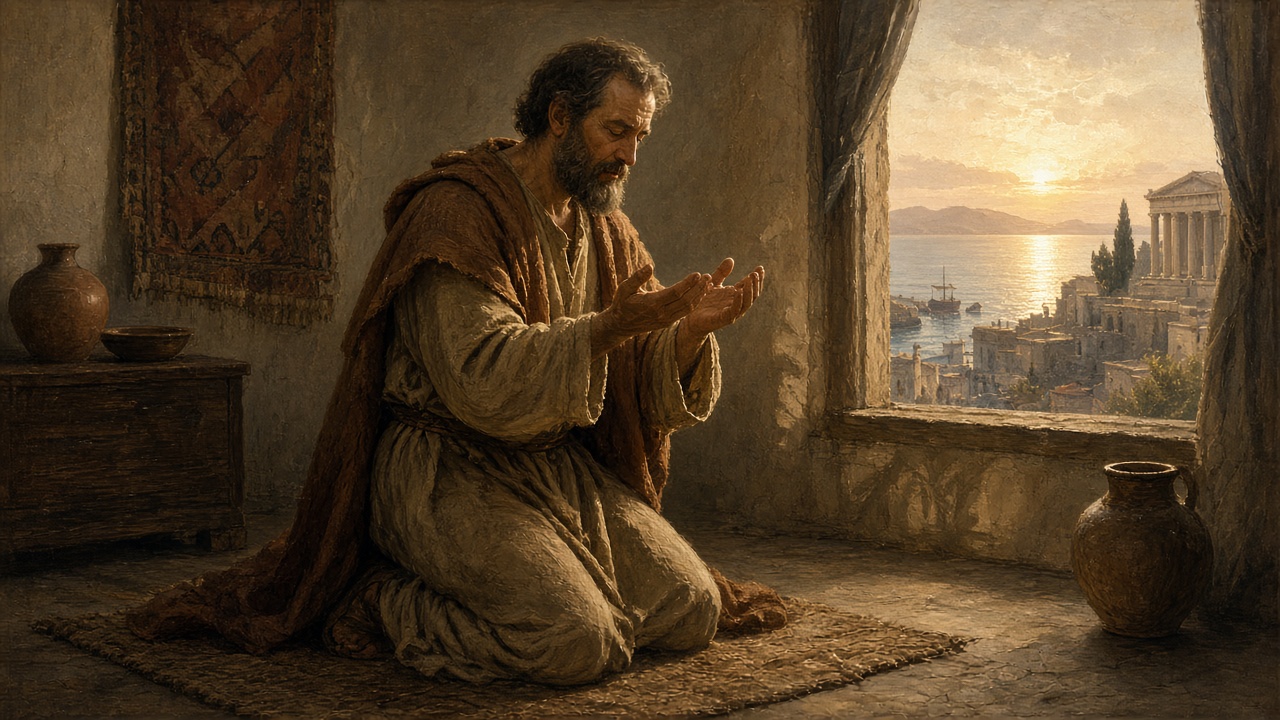
¿Sabías que…?
Toda bendición espiritual en Cristo
- Este capítulo está dirigido a los santos en Éfeso, los fieles en Cristo Jesús. Éfeso era la capital del Asia proconsular, la parte occidental de Asia Menor, y el Diccionario Bíblico de Easton (1897) dice que fue colonizada principalmente desde Atenas.Fuentes: el propio texto bíblico · Ephesus
- El Diccionario Bíblico de Easton (1897) dice que, en tiempos de los romanos, Éfeso llevaba el título de "la primera y la más grande metrópoli de Asia". El relato distingue a la ciudad por el templo de Diana, su santuario principal, y por un teatro a cielo abierto, llamado el más grande del mundo y capaz de contener a cincuenta mil espectadores.Fuentes: Ephesus
- La carta nombra a su remitente como Pablo, apóstol de Cristo Jesús por la voluntad de Dios. El Diccionario Bíblico de Easton (1897) dice que su nombre de circuncisión era Saulo, que el nombre Pablo probablemente también le fue dado en la infancia para usarlo en el mundo gentil, y que era natural de Tarso, capital de Cilicia, una provincia romana en el sureste de Asia Menor.Fuentes: el propio texto bíblico · Paul
Notas escritas con ayuda de IA a partir de fuentes abiertas (Theographic Bible Metadata, CC BY-SA 4.0; Easton’s Bible Dictionary, dominio público) y revisadas antes de publicarse.
Lugares de este capítulo
- Ephesus · 37.939, 27.341 · versículo 1
Solo aparecen lugares identificados con alta confianza (90 % o más según las fuentes académicas reunidas por OpenBible). Mapa de la época: DARE (Digital Atlas of the Roman Empire), CC BY 4.0; mapa actual: © colaboradores de OpenStreetMap; lugares: OpenBible.info (CC BY 4.0).
Créditos y licencia de esta traducción
Berean Standard Bible
The Holy Bible in English: Berean Standard Bible
Public Domain
Language: English
Contributor: BSB Publishing, LLC
2026-10-02
Fuente: http://ebible.org/engbsb/ · eBible.org