Proverbios 29
I tnalù dwata · Toca un versículo para ver sus referencias cruzadas.
1Ku tadee dulê nngak i satu to, bay knean mgal fa i
ulun,
én sa gamgebe kenen di kalmo i landè gugalwaan.
2Ku matlu i to mebe i banwe, too lehew i dad to,
bay ku sasè i to mebe i banwe, landè klehew i dad to mnè dééndu too ale maflayam.
3I to kmabas i kfulung, flehewan i maan,
bay i to samnagin i libun mkat lagi, falmon i filakan.
4Ku too fkah i harì di nawan i matlu kukum, too nun ktanak dibanwen,
bay ku alò én fandaman i filak, toon falmo i banwen.
5Ku simto dmayen i demen sgalak, bay kadì ise mdà di nawan,
tatian falmo i kton.
6I to sasè, én kamfè kenen i salaan,
bay i to matlu fakay mlingag na flehew.
7I dad to matlu too gmadè kamdo na tmabeng i dad to landè digususay,
bay i dad to sasè là mabtas di dale i dad to landè.
8I dad to gal madoy fakay ale finit nawa i dad to di satu syudad,
bay i dad to fulung faldam fakay fatlag klabè i dad to.
9Landè kibò musay i to fulung faldam na i to là fulung faldam,
du ku ditù di gususay i to là fulung faldam là manak, alò kenenmadoy na flabè.
10I dad to gal manò, knangla i matlu to,
bay i dad to fye, toola nifat i to matlu.
11I to là fulung faldam, toon falwà i kaflabean,
bay i to fulung faldam, gadnanan i kton.
12Ku i satu ulu flinge i dad kakakéng na fnaglutan,
mbaling sasè i kdee dad to tmabeng kenen.
13I to landè na i to mkut i to landè, nun gusalngadla,
du nun blé Dwata dale mata du fye mite ale.
14Ku glut kukum i harì i dad to landè,
too mlawil i kagotan.
15Nun gufye i dad ngà ku tdò na fanlayam ale di gugsalàla,
bay i dad ngà tatì fbayà di gugsalàla fyàla kadang i yêla.
16Ku sasè i dad ulu, too matnù i sasè,
bay i kalmola teen i dad to matlu.
17Fanlayamam i tingaam di gugsalaan, na nun kadang ktanak i nawam,
na flehewan i nawam.
18I dad to là flinge Tnalù Dwata sasè, du tatìla nimò i knayèla dulandè malak dale,
bay i dad to mimen i tdò Dwata nun kafyela.
19Dademe salig là fakay ku tdoam ale fagu di taluam,
du balù glabatla i manam dale, là ale flinge.
20Fye fa i to là fulung faldam,
di to i là funa faldam klon fa talù.
21Ku mdà di ktukay i saligam na faknalamam mlé i kdee knayean,
là mlo i kdee nfunam nwean na mlé ge klidù nawam.
22I to labè gal smamuk,
na i to mlal malbut gal gamsalà.
23I to fdatah i kton mdanà sa kadang di satu duh,
bay i to fdanà i kton, mdatah sa kadang di satu duh.
24I to samnagin i to gal tmaku toon fanlayam i kton,
du ditù di gumusay,
na ku tulenan i kaglut fanlayam kenen,
na ku laan tulen i kaglut fanlayam kenen Dwata.
25Sasè ku fsamukam i nawam gablà di fandam i dad to gablà di ge duén gambet i fawel mawel ge,
bay ku baling ge smalig di Dwata, kanlungan ge.
26Dee dad to mayè ku i ulula mimò fye di dale,
bay i matlu nimò alò mdà sa di Dwata.
27I to matlu knangan i to sasè,
na i to sasè knangan i to matlu.
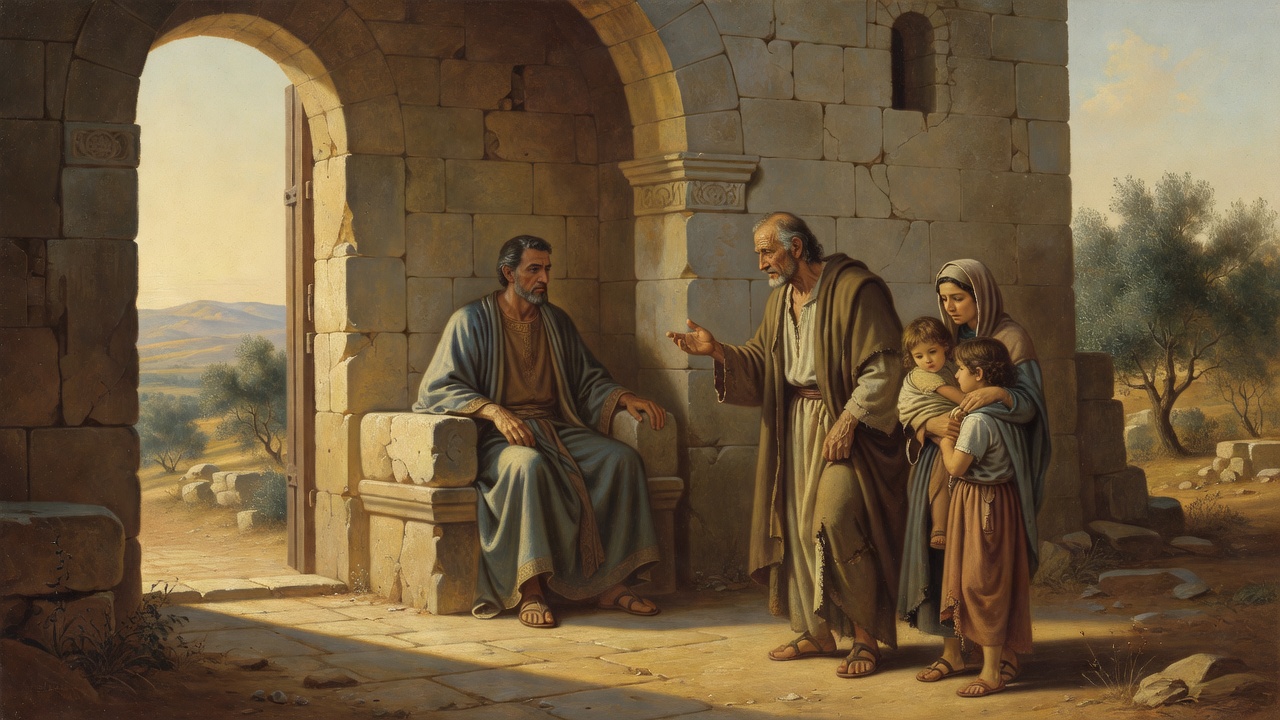
¿Sabías que…?
Justicia, Gobierno y Dominio Propio
- Proverbios 29 vincula repetidamente el bienestar de la sociedad con un gobierno justo, señalando que el pueblo se alegra cuando los justos gobiernan, pero gime bajo líderes impíos. Un rey que juzga a los pobres con equidad y mantiene la justicia da estabilidad al país, mientras que los gobernantes que escuchan mentiras corrompen a sus oficiales.Fuentes: el propio texto bíblico
- El capítulo destaca la importancia de la guía moral y la disciplina, observando que sin visión o revelación el pueblo se desenfrena, mientras que guardar la Ley trae bendición. Este principio de instrucción y corrección se aplica también directamente al hogar y a la crianza de los hijos.Fuentes: el propio texto bíblico
- El dominio propio en el habla y las emociones es un tema central: mientras que el necio desahoga toda su ira y habla con precipitación, el sabio la refrena. El texto advierte que el orgullo humilla al ser humano, pero el espíritu humilde obtiene honra.Fuentes: el propio texto bíblico
Notas escritas con ayuda de IA a partir de fuentes abiertas (Theographic Bible Metadata, CC BY-SA 4.0; Easton’s Bible Dictionary, dominio público) y revisadas antes de publicarse.
Créditos y licencia de esta traducción
I tnalù dwata
New Testament in Blaan, Sarangani
copyright © 1998 Wycliffe Bible Translators, Inc.
Language: Sarangani Blaan (Blaan, Sarangani)
Translation by: Wycliffe Bible Translators
Contributor: Wycliffe Bible Translators, Inc.
Copyright Information
© 1998, Wycliffe Bible Translators, Inc. All rights reserved.
This translation text is made available to you under the
terms of the Creative Commons License: Attribution-Noncommercial-No Derivative Works.
( http://creativecommons.org/licenses/by-nc-nd/3.0/ )
In addition, you have permission to port the text to different file formats, as long as you
do not change any of the text or punctuation of the Bible.
You may share, copy, distribute, transmit, and extract portions
or quotations from this work, provided that you include the above copyright
information:
You must give Attribution to the work.
You do not sell this work for a profit.
You do not make any derivative works that change any of the actual words or punctuation of the Scriptures.
Permissions beyond the scope of this license may be
available if you contact
us with your request.
The New Testament
in Blaan, Sarangani
© 1998, Wycliffe Bible Translators, Inc. All rights reserved.
This translation is made available to you under the terms of the
Creative Commons Attribution-Noncommercial-No Derivatives license 4.0.
You may share and redistribute this Bible translation or extracts from it in any format, provided that:
You include the above copyright and source information.
You do not sell this work for a profit.
You do not change any of the words or punctuation of the Scriptures.
Pictures included with Scriptures and other documents on this site are licensed just for use with those Scriptures and documents.
For other uses, please contact the respective copyright owners.
2015-03-17
Fuente: http://ebible.org/bps/ · eBible.org