Malachi 1
Awajún [Aguaruna] · Tap a verse to see its cross-references.
About this book
About Malachi
- Easton's Bible Dictionary (1897) presents Malachi, a name meaning "messenger" or "angel," as the last of the minor prophets and the writer of the last book of the Old Testament canon. Nothing is known of him beyond what is contained in his book of prophecies.Sources: Easton: Malachi · Malachi
- Some have supposed that the name is simply a title for a messenger of Jehovah, not a proper name. Easton's Bible Dictionary (1897) concludes, however, that there is reason to regard Malachi as the prophet's ordinary name.Sources: Easton: Malachi · Malachi
- Easton's Bible Dictionary (1897) dates the prophecies to about 420 B.C., after Nehemiah's second return from Persia, or possibly before that return. Because Ezra does not mention him and he does not mention the restoration of the temple, the dictionary infers that he prophesied after Haggai and Zechariah.Sources: Easton: Malachi
- Easton's Bible Dictionary (1897) treats Malachi as a contemporary of Nehemiah, comparing Malachi 2:8 with Nehemiah 13:15 and Malachi 2:10-16 with Nehemiah 13:23. It also notes that the temple services were still in existence, citing Malachi 1:10, 3:1 and 3:10.Sources: Easton: Malachi
Notes written with AI assistance from open sources (Theographic Bible Metadata, CC BY-SA 4.0; Easton’s Bible Dictionary, public domain) and reviewed before publishing.
Yama nagkamchaku agagbau
1Israel aents aidaun ujakti tusa Tuke Pujuu profeta Malaquíasan akatjauwa duka jujuwai:
2Tuke Pujuu chichaak: “Wika atumnak aneajime”, tujamui. Tusa tujamaig atum chichaakjum: “¿Amesh jutiish wajuk anejatme?” tajume. Tusa tajumin Tuke Pujuu chichaak: “Wika atumnak Esaú Jocobjai jimagmamu aig, Jacopan anejakuitag dutiksanuk atumnashkam aneajime.
3“Tuja Esaúnak dakitjauwaitjai. Dutikau asan, niina nugke muja pegkeg ikam tepau aajakua nunak emestujan pegkegchau, uwejush ayatak kuntinun batsamtai awajtusuitjai”, tawai Apajuí.
4Tuja Esaú wegantu Edom aents aidau chichainak: “Iina yaaktaji aidaunak tsaigtamkau ainawai, dutikau ainakuish ataktu yaaktamkagmi”, tumain ainawai. Tusa tiagtai Tuke Pujuu ashí senchigtina nunú chichaak: “Yaaktamkatnume, dutikawagmataish wi nunak ataktu tsaigkagtatjai. Dita nugkeg: ‘Aents pegkegchau aidaun batsamtai’ tutai atinai. Tuja ‘nuwiya aents aidauk Apajuí tuke kajegtai agtin’ tutai atinai.”
5Nunú wainkajum chichaakjum: “¡Apajuín senchijiya nunak Israel aents aidaun nugkega nuna nagkaiki aents batsamin aidaush ememattinme!” titinaitjume.
Sacerdote aidau Apajuín shiig takagsachagbau
6Tuke Pujuu ashí senchigtina nunú sacerdote aidaun chichajak: “Uchi aidauk dita apajinak umijuinawai, tuja inak aidaushkam dita parjugjin umijuinawai. Tuja wi atumin Apajuíjiyaitag nuniaish ¿wagka minash eme anenjusjumesh diigtsugme? Tuja wi atumin apugmitag nuniaish ¿wagka ajaantugsagmesh diigtsugme? Atumek minak dakitjagme, nuniakjum: ¿Iish amina daagmesh wajutiya dakitjaish idaisabiaji? tajume.
7“Atumek pag pegkegchau aidau jukijum mina altarjui itagme. Nuniayatkujum: ¿Iish waji pegkegchauwa dutikaji? tajume. Atum aidautijum mina altarjua nunú ajaantusa diitsuk wainkaya nunin diyajum nunú minak kajetan sujawai. 8Kuntin wainmachu aidau, shutuu aidau, jau aidau mina sujakjum, pegkeg takaji tajume. Diik nunú yajuakjum atumi apujum aidau susakjua ditash shiig aneasampash jukiajat.
9“¿Apajuí anentag suwaji tusajum aanin pegkegchau aidau ikaunmayatkugmek, Apajuí ii segamun antugtamak wait anenjamjati tusajum dakagjum? Witjai Tuke Pujuu ashí senchigtinnuk. Tuja juna shiig dekatnume tusan wakegajai: 10¡Wika mina jegajun waitiji aina duka epennati tusan wakegajai! Ataktu awagkijum anentag susami tusajum, aanin pegkegchau aidau ikaunmajum mina altarjui wainka apeawaijum tusan dakitajai, wagki wika atumnak kajegkajime, nuadui makichkish jujukchattajime.
11“Ashí nugkanum mina eme anenjus diijuina duka, mina emematjuinak kugkuin incienson apeenak, dekas anentag pegkeg wisha wakemain aidaun itagtuinawai. 12Tujash atum sacerdote aidautigmek minak ajaantugsagmek diigtsugme. Nuadui midau altar, mina mesajua nunú pegkegchau diyakjum, nuwi anentag mina sujusbau yutai aina dushakam tsumain diyagme.
13“Tuja atum chichaakjum: ‘¡Jutiká pujutak iik yawetjaji!’ tajume. Tau asajum, kuntin kasamkamu, baka shutuu, nuniachkush jamamtin jukijum, juju maa apeaku Apajuí shiig anemtiksami tajume. Duka minak makichkish shiijak awajtatsui, atumek duka mina dushiktakjum aikagme. 14¡Kuntin shiig pegkeg, mina anagtuamun yapajia ukuak, tikich kuntin pegkegchaun juki mina anentag itagta duka aentsuk tikima shiig pegkegchau atinai! Witjai dekas apunuk, wika aents aidaun ishamtayaitjai”, tusa Tuke Pujuu ashí senchigtina nunú tawai.
Did you know?
Honoring God and Defective Offerings
- The name Malachi means messenger or angel. While some have suggested it was a title rather than a proper name, scholars and traditions widely treat it as the prophet's personal name, placing his ministry during the period of Nehemiah, after Haggai and Zechariah.Sources: Malachi
- The opening dispute recalls the twin brothers Jacob and Esau, the ancestors of Israel and Edom. The text contrasts God's covenant love for Israel with the judgment and desolation coming upon the mountainous region of Edom.Sources: Esau (Edom) · Jacob (Israel) · Edom · the Bible text itself
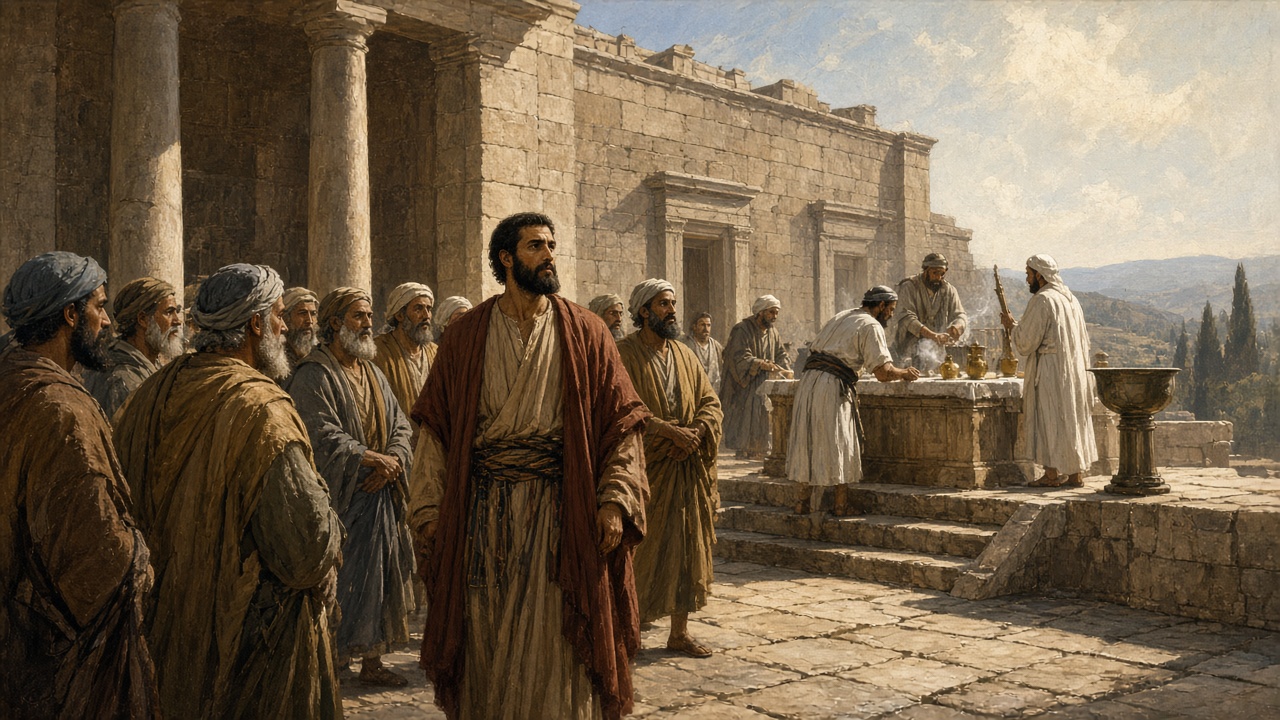
- The priests are rebuked for offering blind, lame, and diseased animals on the altar rather than unblemished livestock. Malachi exposes their disrespect by asking whether a civil governor would accept such inferior gifts.Sources: the Bible text itself
Notes written with AI assistance from open sources (Theographic Bible Metadata, CC BY-SA 4.0; Easton’s Bible Dictionary, public domain) and reviewed before publishing.
Places in this chapter
- Edom · 30.746, 35.604 · verse 4
Only places identified with high confidence are shown (90% or more according to the scholarly sources compiled by OpenBible). Period map: DARE (Digital Atlas of the Roman Empire), CC BY 4.0; modern map: © OpenStreetMap contributors; places: OpenBible.info (CC BY 4.0).
Credits and license for this translation
Awajún [Aguaruna]
Aguaruna: Awajún [Aguaruna] (Bible)
copyright © 2020 Wycliffe Bible Translators, Inc.
Language: Aguaruna
Translation by: Wycliffe Bible Translators
Contributor: Wycliffe Bible Translators, Inc.
Aguaruna
agr
Peru
Copyright Information
© 2008, Wycliffe Bible Translators, Inc. All rights reserved.
This translation text is made available to you under the
terms of the Creative Commons License: Attribution-Noncommercial-No Derivative Works.
( http://creativecommons.org/licenses/by-nc-nd/3.0/ )
In addition, you have permission to port the text to different file formats, as long as you
do not change any of the text or punctuation of the Bible.
You may share, copy, distribute, transmit, and extract portions
or quotations from this work, provided that you include the above copyright
information:
You must give Attribution to the work.
You do not sell this work for a profit.
You do not make any derivative works that change any of the actual words or punctuation of the Scriptures.
Permissions beyond the scope of this license may be
available if you contact
us with your request.
The New Testament
in Aguaruna
This translation is made available to you under the terms of the
Creative Commons Attribution-Noncommercial-No Derivatives license 4.0.
You may share and redistribute this Bible translation or extracts from it in any format, provided that:
You include the above copyright and source information.
You do not sell this work for a profit.
You do not change any of the words or punctuation of the Scriptures.
Pictures included with Scriptures and other documents on this site are licensed just for use with those Scriptures and documents.
For other uses, please contact the respective copyright owners.
2025-04-26
Source: http://ebible.org/agr/ · eBible.org