Habacuc 1
Awajún [Aguaruna] · Toca un versículo para ver sus referencias cruzadas.
Acerca de este libro
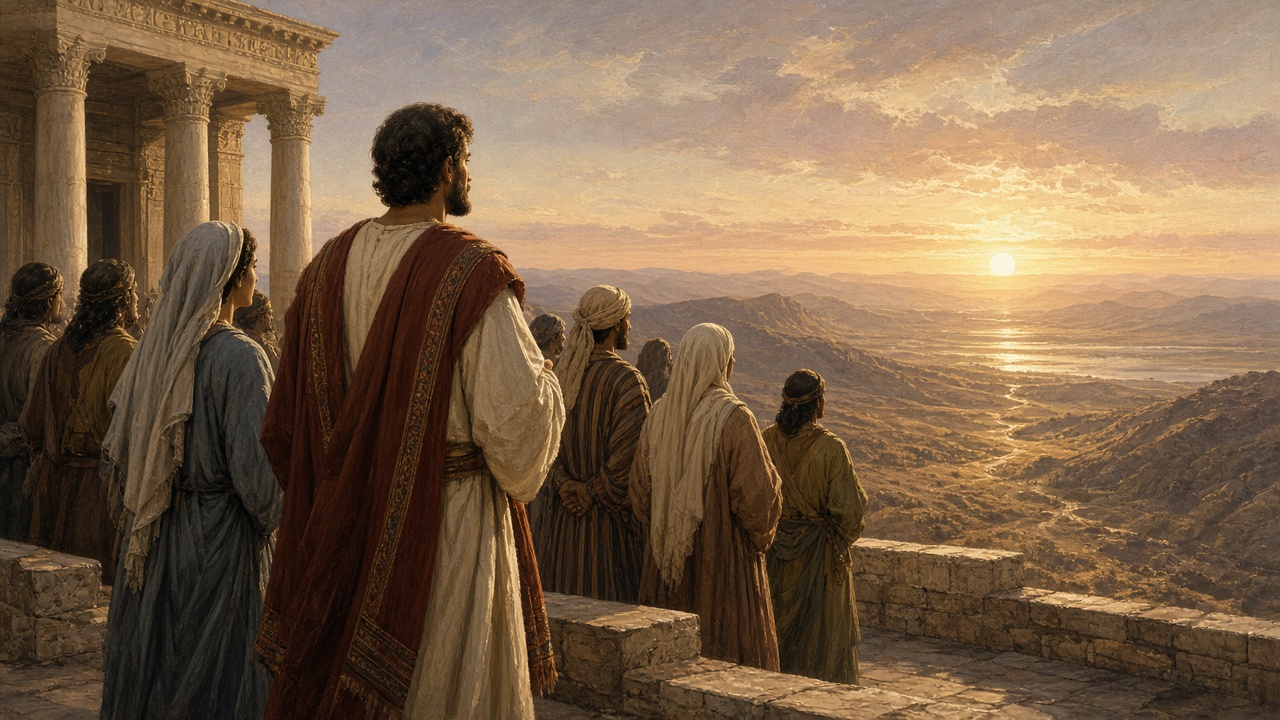
Acerca de Habacuc
- El diccionario bíblico de Easton (1897) explica el nombre Habacuc como "Abrazo" y lo presenta como el octavo de los doce profetas menores. Afirma que no hay información confiable sobre su historia personal.Fuentes: Easton: Habakkuk
- El mismo diccionario dice que probablemente formaba parte del coro levítico y que fue contemporáneo de Jeremías y Sofonías. Estas fuentes no dan una fecha más precisa.Fuentes: Easton: Habakkuk
- Las entradas relacionan Habacuc 3:3 con Temán, un lugar de la Idumea meridional, la tierra de los "hijos del oriente", y con el monte Parán, descrito como la región montañosa al norte del desierto de Parán y el límite sur de la Tierra Prometida. Easton dice que la llanura baja de Arabá separaba Temán de las colinas de Parán y que Temán era conocida por la sabiduría de sus habitantes.Fuentes: Teman · Mount Paran
- En relación con Habacuc 3:7, el diccionario de Easton (1897) trata a Cusán como probablemente un nombre poético o prolongado de la tierra de Cus, el Cus de Arabia. Algunos han supuesto que era el mismo que Cusán-risataim, un rey mesopotámico mencionado en Jueces, pero Easton rechaza esa identificación.Fuentes: Cushan
Notas escritas con ayuda de IA a partir de fuentes abiertas (Theographic Bible Metadata, CC BY-SA 4.0; Easton’s Bible Dictionary, dominio público) y revisadas antes de publicarse.
Profeta Habacuc Tuke Pujuujai chichasbau
1Profeta Habacuc aajakua nuna Apajuí nii aentsji aidaun chichama ujakti tusa iwaintukui.
2“Tuke Pujuuwah, yainkata tusan senchi untsuagme,
tujash amek minak antugtatsme.
¿Wajutiya minash antugtuktatme?
Pempeentuniki waitkaniamu ayá nunú
suwimak susam emegkagta tusan segamjame,
tujash amek makichkish duka dutikatsme.
3¿Wagka minash ibau pegkegchau aidau
iwaintugkumesh waitkajame?
Pegkegchau takat aidau, utugchat aidau,
yaakat tsayamu, jiyaniamu,
maaniamu aina duka makichkish agkaatsui,
ashí yantamnum ayawai.
4Amina chichamem umiktin agagbaunak
makichkish uminatsui,
ajantunisag shiig aneas betek yainidauk
makichkish atsawai.
Aents pegkegchau aidau aents pegkeg aidaun waitkainawai.
Tsanumat, kasamat aina duka
ashí yantamnum ayawai”, tiuwai Habacuc.
Apajuí suwimak sukagtustin etsegkamu
5Tusa timatai Apajuí ayaak:
“Tikich aents aidau batsata nuwish
wajukeawa nunú shiig diistajum.
Aunak dukap tsawan atsuk wi dutikattag
nunú wainkajum anentai jegashtatjume.
Juna tikich ujapainakuig,
atumek dekaskeapi tumaitsugme.
6Caldeo aents pegkegchau magkagtin aidau
ashí nugkanum yujasag,
tikichi nugken atankiagtatus wakeyin aina nuna
inajagtatjai jetepaktinme tusan.
7Ditak pegkegchau takatnum eemkau ainawai,
nunin asag, dita wakegamun takau ainawai,
nuadui makichkish tumainchau ainawai.
8Aents caballonum maanin aidauk shiig kuashat
caballonum entsatkau atushat minisag
tutugtuinawai.
Nunú caballo aidauk ikamyawan nagkaesau senchi tupikainawai,
tuja nuigtush uwegshunmaya lobo kajen ajankachua nuna nagkaesau ainawai.
Iman asag atushat minisag
dita shiwaajinak águila yutaijin wainak,
nanaak akaetuki achiyama iman ainawai.
9Dita shimuinakug ashí ijina shimawai,
imaaninak senchi uwakmakag shimawai,
tuja aentsun achijag yajumaina duka,
nayantsanum kayam dekapamainchauwa iman weakui.
10Iman asag apu aidaunak, tuja tikich aents
eme anentsa diitai aina nunashkam dushikinawai.
Yaakat peejamu aina nunak
wainkauch diinak dushikinawai,
nuninak kamatkanum batsamas yaaktanak utuinawai.
11Dase senchi dasentak kedegtuk nagkaemama iman ainawai.
Iman ainakush dita senchijiya nuna
apajuímaidau asag tunamainawai”, tiuwai.
Profeta kajeka ataktu chichakbau
12“Israel aents aidaun Apajuíjiyah,
amek pegkejam tuke pujuuwaitme;
jinatnume tusamek idaikagtusaipa.
Amek amina aentsjum aidau suwimak susam jintintuatag
tusam, caldeo aents aidau ishitkaume.
13Amek pegkegmaitam iman asam,
pegkegchauwa duka atsane pujuchuitme,
tuja tudaushkam dakitnaitme.
Nuadui ayatkek dii pujuipa, tuja aents pegkegchau aidau
aents pegkeg aidaun maatnume tusamek
agkan idaisaipa.
14¿Wagka aents aidaush
nayantsanmaya namak aidaujai betekash,
tuja kuntin apugtuchu aina nujai betekash awajsaume?
15Nuadui caldeo aents aidau,
aents namaka main agsean ajuntuk,
tuja retan nená yupichuch
kuashat namakan achiyama numamtuk
aents aidaun achija ijumainawai,
dutikawag nuna diisag shiig aneenawai.
16Nuadui nunú aents namaka main aina duka
niina redjin, agseajijai emematuinak
kuntinun maa apeenak,
kugkuin inciensonashkam apeenawai,
wagki ditak duwi maawag
dita yuwatnujinak shiig kuashat ijumag batsatu asag,
shiig aneas batsatui.
17Caldeo aents aidau wainak mau batsamtitnume
tusamek idaikagtusaipa”, tiabiajai.
¿Sabías que…?
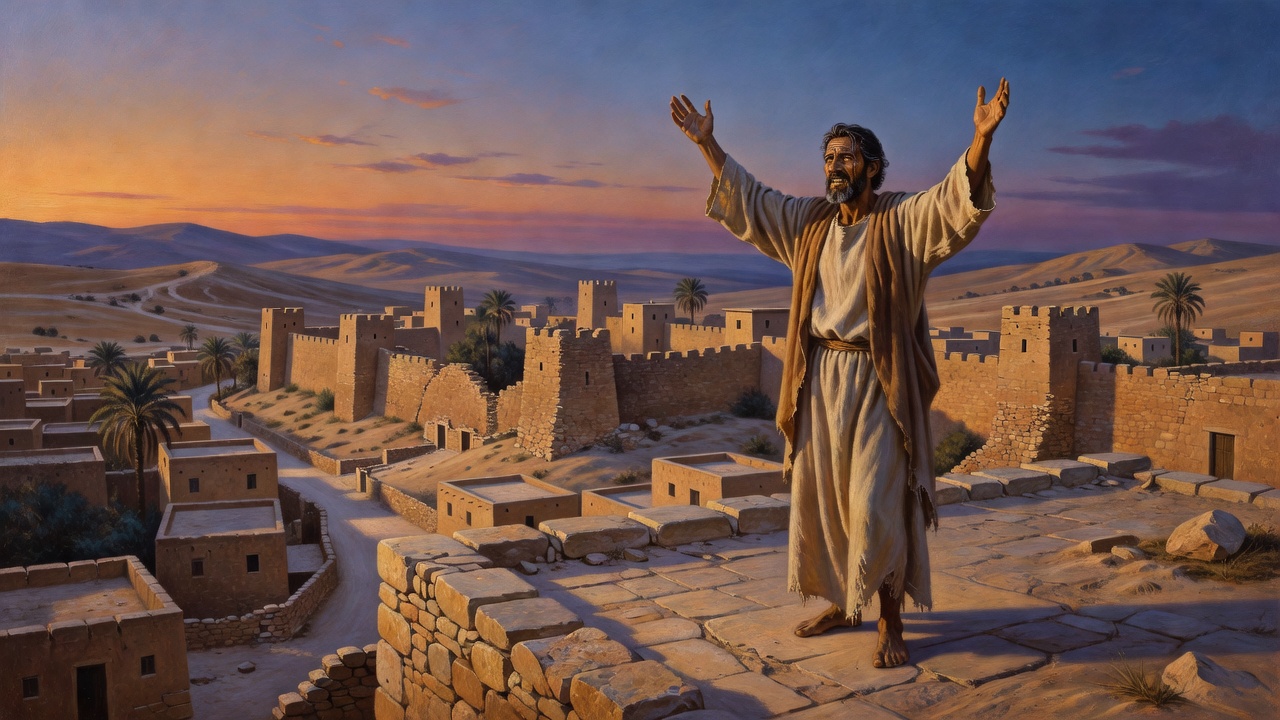
La queja de Habacuc y la amenaza caldea
- A diferencia de los textos proféticos dirigidos directamente al pueblo, Habacuc comienza con un diálogo directo entre el profeta y Dios, en el que lamenta la violencia impune, la contienda y la parálisis de la justicia.Fuentes: el propio texto bíblico
- El texto describe a los caldeos como una fuerza militar despiadada y veloz, cuya caballería avanza como leopardos y lobos, burlándose de reyes, levantando rampas de asedio contra fortalezas y teniendo su propia fuerza por dios.Fuentes: el propio texto bíblico
- Algunas cronologías históricas sitúan las profecías de Habacuc alrededor del 606 a.C., momento que coincide con el surgimiento del poderío militar caldeo en el antiguo Cercano Oriente.Fuentes: Prophecies of Habakkuk · el propio texto bíblico
Notas escritas con ayuda de IA a partir de fuentes abiertas (Theographic Bible Metadata, CC BY-SA 4.0; Easton’s Bible Dictionary, dominio público) y revisadas antes de publicarse.
Lugares de este capítulo
- Chaldea · 30.962, 46.104 · versículo 6
Solo aparecen lugares identificados con alta confianza (90 % o más según las fuentes académicas reunidas por OpenBible). Mapa de la época: DARE (Digital Atlas of the Roman Empire), CC BY 4.0; mapa actual: © colaboradores de OpenStreetMap; lugares: OpenBible.info (CC BY 4.0).
Créditos y licencia de esta traducción
Awajún [Aguaruna]
Aguaruna: Awajún [Aguaruna] (Bible)
copyright © 2020 Wycliffe Bible Translators, Inc.
Language: Aguaruna
Translation by: Wycliffe Bible Translators
Contributor: Wycliffe Bible Translators, Inc.
Aguaruna
agr
Peru
Copyright Information
© 2008, Wycliffe Bible Translators, Inc. All rights reserved.
This translation text is made available to you under the
terms of the Creative Commons License: Attribution-Noncommercial-No Derivative Works.
( http://creativecommons.org/licenses/by-nc-nd/3.0/ )
In addition, you have permission to port the text to different file formats, as long as you
do not change any of the text or punctuation of the Bible.
You may share, copy, distribute, transmit, and extract portions
or quotations from this work, provided that you include the above copyright
information:
You must give Attribution to the work.
You do not sell this work for a profit.
You do not make any derivative works that change any of the actual words or punctuation of the Scriptures.
Permissions beyond the scope of this license may be
available if you contact
us with your request.
The New Testament
in Aguaruna
This translation is made available to you under the terms of the
Creative Commons Attribution-Noncommercial-No Derivatives license 4.0.
You may share and redistribute this Bible translation or extracts from it in any format, provided that:
You include the above copyright and source information.
You do not sell this work for a profit.
You do not change any of the words or punctuation of the Scriptures.
Pictures included with Scriptures and other documents on this site are licensed just for use with those Scriptures and documents.
For other uses, please contact the respective copyright owners.
2025-04-26
Fuente: http://ebible.org/agr/ · eBible.org