Genesis 17
Rote Dela Alkitab · Tap a verse to see its cross-references.
Lamatualain tao hehelu-fufuliꞌ no Abram nendiꞌ bukti sunat
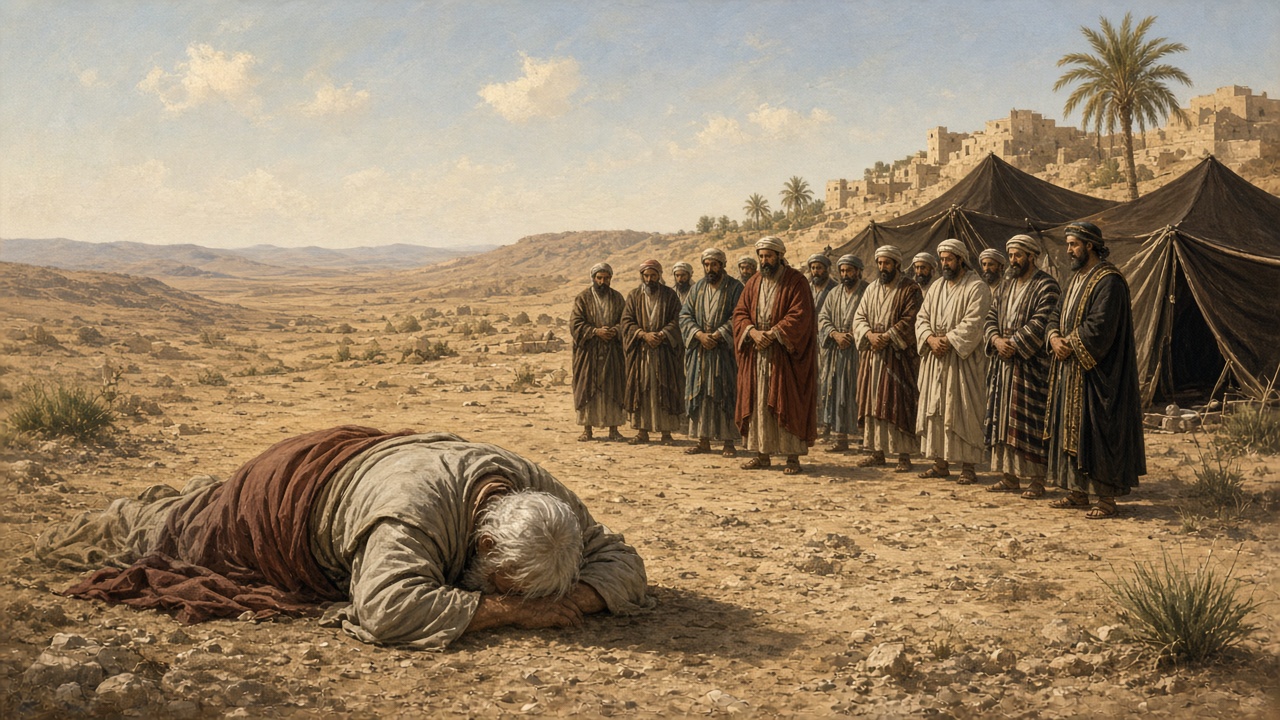
1Abram too sio nulu sio ma, LAMATUALAIN natudꞌu Aon neu e nae, “Au ia, Lamatualain fo Mana Koasa. Ho musi tungga mukundoo Au hihii Ngga, ma musodꞌa no ndo-tetuꞌ. 2Au ae tao manggatee hehelu-fufuliꞌ Ngga, fo tao tititi-nonosi mara ramaheta.”
3Abram rena nala ma ana sendeꞌ lululangga na ma naloe langga na losa rae a. Lamatualain o olaꞌ nakandoo nae, 4“Au helu-fuli o nggo, taꞌo ia: Dei fo ho dadꞌi leo naeꞌ bei-baꞌi nara. Naa de, nara ma nda afiꞌ Abram sa (sosoa na ‘amaꞌ nenenahineꞌ’), te nara ma dadꞌi Abraham (sosoa na ‘nusaꞌ naeꞌ bei-baꞌi nara’). 6Dei fo Au tao tititi-nonosiꞌ mara ramahefu-ramabela. Au ufefela leo naeꞌ mia se, ma soꞌu maneꞌ naeꞌ mia tititi-nonosi naa ra.
7Au toꞌu uhereꞌ hehelu Ngga o nggo ma tititi-nonosi mara. Hehelu-fufuliꞌ ia nda etu sa, huu Au ia, ho mo tititi-nonosi mara Lamatualain ma. 8Basa rae Kanaꞌan ia, Au fee neu nggo mo tititi-nonosi mara. Oras ia, ho numban a sia ia. Dei fo tititi-nonosi mara soa rae Kanaꞌan ia losa doo na neu. Ma Au o dadꞌi sira Lamatualain na. 9Te ho mo tititi-nonosi mara musi toꞌu mihereꞌ hehelu-fufuliꞌ ia losa babasa na. Basa touꞌ ra musi sunat. 11Ia naa, ho musi muu sunat basa touꞌ mia fai beꞌe faluꞌ ra. Ho bobꞌonggi ma, atahori mana tao ues ra, no ate fo hasa mia nusa feaꞌ, basa se musi sunat. Sunat ia, dadꞌi hita ruꞌa nggita bukti hehelu-fufuliꞌ na sia hei ao mara. 14Touꞌ bee nda sunat sa naa, ana nda masoꞌ sia Au hehelu-fufuli Ngga rala, ma nda dadꞌi Au atahori Ngga sa.”
15Basa de, Lamatualain olaꞌ nakandoo nae, “Mia faiꞌ ia, ho afiꞌ moꞌe sao ma, mae Sarai, te maeꞌ a Sara. 16Dei fo Au fee papala-babꞌanggiꞌ naeꞌ neu Sara, fo ana bonggi fee nggo ana touꞌ esa. Tebꞌe! Dei fo Sara dadꞌi leo naeꞌ bei-baꞌi nara. Au o soꞌu maneꞌ naeꞌ mia tititi-nonosi na.”
17Boe ma Abraham sendeꞌ lululangga na, ma beꞌutee losa rae a. Te ana mali sia rala na, ma duꞌa nae, “Tou lasi naeꞌ too natun esa onaꞌ au ia, feꞌe hambu anaꞌ? Ma Sara o lasi naeꞌ too sio nulu naa, feꞌe nae bꞌonggi ena?” 18De ana nafadꞌe Lamatualain nae, “Lamatualain. Hela fo Ismael hambu au hata-heto ngga o, nda saa saꞌ boe.”
19Te Lamatualain nataa nae, “Hokoꞌ! Mete te sao ma Sara bꞌonggi ana touꞌ esa. Ho musi babꞌae naran, Isak. Au hehelu-fufuli Ngga tudꞌa neu e, no tititi-nonosi nara, losa doo na neu. 20Te Au o rena saa fo moꞌe fee Ismael. Naa de, Au o fee papala-babꞌanggiꞌ neu e, ma tao umuhefu-umubela tititi-nonosi nara boe. Dei fo hambu maneleo sanahulu rua mia tititi-nonosi nara. Ma tititi-nonosi nara dadꞌi leo esa manaseliꞌ. 21Onaꞌ mae taꞌo naa o, Au hehelu-fufuli Ngga ia fee neu ana ma Isak. To mana nemaꞌ ia, nandaa no leleꞌ ia, Sara bꞌonggi e.” 22Olaꞌ basa taꞌo naa ma, Lamatualain lao hela Abraham.
23Faiꞌ naa boe, Abraham tungga Lamatualain parenda Na, de ana sunat. Ana o sunat Ismael no basa touꞌ mana sia ume na ma basa ate touꞌ ra boe. Leleꞌ naa, Abraham too sio nulu sio, ma Ismael too sanahulu telu.
Did you know?
Covenant, New Names, and Circumcision
- At ninety-nine, Abram received the name Abraham. Easton's Bible Dictionary (1897) explains Abraham as “Father of a multitude,” matching the promise that he would be the father of many nations. Sarai was renamed Sarah, “Princess,” when it was announced that she would be the mother of the promised child.Sources: the Bible text itself · Abraham · Sarah
- That same day Abraham and Ishmael were circumcised, at ninety-nine and thirteen, along with every male born in the household or bought from a foreigner. Ishmael, Abraham’s son by Hagar, had been born at Mamre when Abraham was eighty-six. The sign was required for every male at eight days old, and Isaac, promised to Sarah for the next year, was later circumcised at that age.Sources: the Bible text itself · Ishmael (Son of Hagar) · Isaac
- In this chapter the land of Canaan, where Abraham was living, is promised to him and his descendants as an eternal possession. The country took its name from Canaan, a son of Ham. Easton's Bible Dictionary (1897) says Phoenician use first limited the name to the coastal plain where Sidon stood, while in the time of Moses and Joshua it meant the whole land west of the Jordan and the Dead Sea; the name signifies “the lowlands,” unlike Gilead, the hill country east of the Jordan.Sources: the Bible text itself · Canaan · Canaan
Notes written with AI assistance from open sources (Theographic Bible Metadata, CC BY-SA 4.0; Easton’s Bible Dictionary, public domain) and reviewed before publishing.
Places in this chapter
- Canaan · 32.767, 35.333 · verse 8
Only places identified with high confidence are shown (90% or more according to the scholarly sources compiled by OpenBible). Period map: DARE (Digital Atlas of the Roman Empire), CC BY 4.0; modern map: © OpenStreetMap contributors; places: OpenBible.info (CC BY 4.0).
Credits and license for this translation
Rote Dela Alkitab
Genesis and the New Testament in the Rote Dela language of Indonesia
Kejadian dan Perjanjian Baru dalam bahasa Rote Dela
copyright © 2016 Unit Bahasa dan Budaya
Language: Rote Dela (Dela-Oenale)
Translation by: Wycliffe Bible Translators
This translation is made available to you under the terms of the
Creative Commons Attribution Share-Alike license 4.0.
You have permission to share and redistribute this Bible translation in any format and to make reasonable revisions and adaptations of this translation, provided that:
You include the above copyright and source information.
If you make any changes to the text, you must indicate that you did so in a way that makes it clear that the original licensor is not necessarily endorsing your changes.
If you redistribute this text, you must distribute your contributions under the same license as the original.
Pictures included with Scriptures and other documents on this site are licensed just for use with those Scriptures and documents.
For other uses, please contact the respective copyright owners.
Note that in addition to the rules above, revising and adapting God's Word involves a great responsibility to be true to God's Word. See Revelation 22:18-19.
2022-03-11
Source: http://ebible.org/row/ · eBible.org