Génesis 17
Rote Dela Alkitab · Toca un versículo para ver sus referencias cruzadas.
Lamatualain tao hehelu-fufuliꞌ no Abram nendiꞌ bukti sunat
1Abram too sio nulu sio ma, LAMATUALAIN natudꞌu Aon neu e nae, “Au ia, Lamatualain fo Mana Koasa. Ho musi tungga mukundoo Au hihii Ngga, ma musodꞌa no ndo-tetuꞌ. 2Au ae tao manggatee hehelu-fufuliꞌ Ngga, fo tao tititi-nonosi mara ramaheta.”
3Abram rena nala ma ana sendeꞌ lululangga na ma naloe langga na losa rae a. Lamatualain o olaꞌ nakandoo nae, 4“Au helu-fuli o nggo, taꞌo ia: Dei fo ho dadꞌi leo naeꞌ bei-baꞌi nara. Naa de, nara ma nda afiꞌ Abram sa (sosoa na ‘amaꞌ nenenahineꞌ’), te nara ma dadꞌi Abraham (sosoa na ‘nusaꞌ naeꞌ bei-baꞌi nara’). 6Dei fo Au tao tititi-nonosiꞌ mara ramahefu-ramabela. Au ufefela leo naeꞌ mia se, ma soꞌu maneꞌ naeꞌ mia tititi-nonosi naa ra.
7Au toꞌu uhereꞌ hehelu Ngga o nggo ma tititi-nonosi mara. Hehelu-fufuliꞌ ia nda etu sa, huu Au ia, ho mo tititi-nonosi mara Lamatualain ma. 8Basa rae Kanaꞌan ia, Au fee neu nggo mo tititi-nonosi mara. Oras ia, ho numban a sia ia. Dei fo tititi-nonosi mara soa rae Kanaꞌan ia losa doo na neu. Ma Au o dadꞌi sira Lamatualain na. 9Te ho mo tititi-nonosi mara musi toꞌu mihereꞌ hehelu-fufuliꞌ ia losa babasa na. Basa touꞌ ra musi sunat. 11Ia naa, ho musi muu sunat basa touꞌ mia fai beꞌe faluꞌ ra. Ho bobꞌonggi ma, atahori mana tao ues ra, no ate fo hasa mia nusa feaꞌ, basa se musi sunat. Sunat ia, dadꞌi hita ruꞌa nggita bukti hehelu-fufuliꞌ na sia hei ao mara. 14Touꞌ bee nda sunat sa naa, ana nda masoꞌ sia Au hehelu-fufuli Ngga rala, ma nda dadꞌi Au atahori Ngga sa.”
15Basa de, Lamatualain olaꞌ nakandoo nae, “Mia faiꞌ ia, ho afiꞌ moꞌe sao ma, mae Sarai, te maeꞌ a Sara. 16Dei fo Au fee papala-babꞌanggiꞌ naeꞌ neu Sara, fo ana bonggi fee nggo ana touꞌ esa. Tebꞌe! Dei fo Sara dadꞌi leo naeꞌ bei-baꞌi nara. Au o soꞌu maneꞌ naeꞌ mia tititi-nonosi na.”
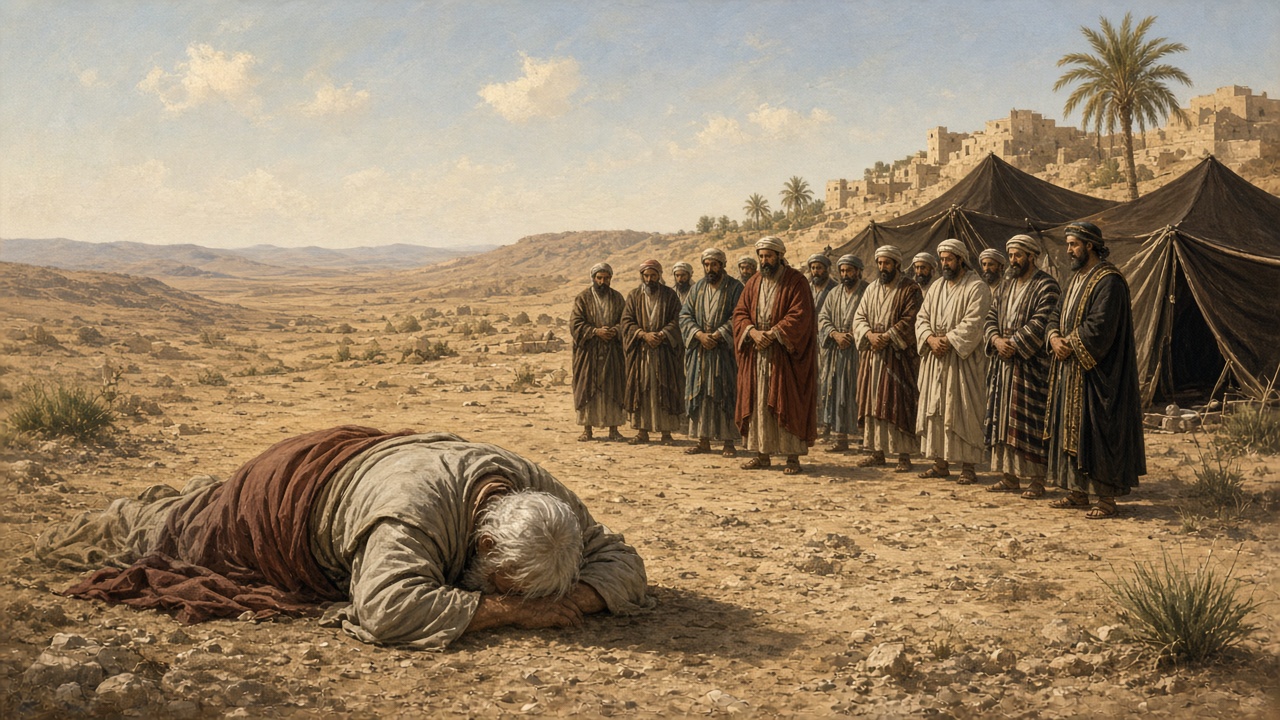
17Boe ma Abraham sendeꞌ lululangga na, ma beꞌutee losa rae a. Te ana mali sia rala na, ma duꞌa nae, “Tou lasi naeꞌ too natun esa onaꞌ au ia, feꞌe hambu anaꞌ? Ma Sara o lasi naeꞌ too sio nulu naa, feꞌe nae bꞌonggi ena?” 18De ana nafadꞌe Lamatualain nae, “Lamatualain. Hela fo Ismael hambu au hata-heto ngga o, nda saa saꞌ boe.”
19Te Lamatualain nataa nae, “Hokoꞌ! Mete te sao ma Sara bꞌonggi ana touꞌ esa. Ho musi babꞌae naran, Isak. Au hehelu-fufuli Ngga tudꞌa neu e, no tititi-nonosi nara, losa doo na neu. 20Te Au o rena saa fo moꞌe fee Ismael. Naa de, Au o fee papala-babꞌanggiꞌ neu e, ma tao umuhefu-umubela tititi-nonosi nara boe. Dei fo hambu maneleo sanahulu rua mia tititi-nonosi nara. Ma tititi-nonosi nara dadꞌi leo esa manaseliꞌ. 21Onaꞌ mae taꞌo naa o, Au hehelu-fufuli Ngga ia fee neu ana ma Isak. To mana nemaꞌ ia, nandaa no leleꞌ ia, Sara bꞌonggi e.” 22Olaꞌ basa taꞌo naa ma, Lamatualain lao hela Abraham.
23Faiꞌ naa boe, Abraham tungga Lamatualain parenda Na, de ana sunat. Ana o sunat Ismael no basa touꞌ mana sia ume na ma basa ate touꞌ ra boe. Leleꞌ naa, Abraham too sio nulu sio, ma Ismael too sanahulu telu.
¿Sabías que…?
Pacto, nombres nuevos y circuncisión
- A los noventa y nueve años, Abram recibió el nombre de Abraham. El Diccionario Bíblico de Easton (1897) explica Abraham como “padre de una multitud”, de acuerdo con la promesa de que sería padre de muchas naciones. Sarai pasó a llamarse Sara, “princesa”, cuando se anunció que ella sería la madre del hijo prometido.Fuentes: el propio texto bíblico · Abraham · Sarah
- Ese mismo día Abraham e Ismael fueron circuncidados, a los noventa y nueve y a los trece años, junto con todos los varones nacidos en la casa o comprados a un extranjero. Ismael, hijo de Abraham y Agar, había nacido en Mamre cuando Abraham tenía ochenta y seis años. La señal se exigía a todo varón a los ocho días, e Isaac, prometido a Sara para el año siguiente, fue circuncidado más tarde a esa edad.Fuentes: el propio texto bíblico · Ishmael (Son of Hagar) · Isaac
- En este capítulo, la tierra de Canaán, donde Abraham vivía, se promete a él y a sus descendientes como posesión eterna. El país tomó su nombre de Canaán, hijo de Cam. El Diccionario Bíblico de Easton (1897) dice que el uso fenicio limitaba al principio el nombre a la llanura costera donde estaba Sidón, mientras que en tiempos de Moisés y Josué el nombre designaba toda la tierra al oeste del Jordán y del mar Muerto; el nombre significa “las tierras bajas”, a diferencia de Galaad, la región montañosa al este del Jordán.Fuentes: el propio texto bíblico · Canaan · Canaan
Notas escritas con ayuda de IA a partir de fuentes abiertas (Theographic Bible Metadata, CC BY-SA 4.0; Easton’s Bible Dictionary, dominio público) y revisadas antes de publicarse.
Lugares de este capítulo
- Canaan · 32.767, 35.333 · versículo 8
Solo aparecen lugares identificados con alta confianza (90 % o más según las fuentes académicas reunidas por OpenBible). Mapa de la época: DARE (Digital Atlas of the Roman Empire), CC BY 4.0; mapa actual: © colaboradores de OpenStreetMap; lugares: OpenBible.info (CC BY 4.0).
Créditos y licencia de esta traducción
Rote Dela Alkitab
Genesis and the New Testament in the Rote Dela language of Indonesia
Kejadian dan Perjanjian Baru dalam bahasa Rote Dela
copyright © 2016 Unit Bahasa dan Budaya
Language: Rote Dela (Dela-Oenale)
Translation by: Wycliffe Bible Translators
This translation is made available to you under the terms of the
Creative Commons Attribution Share-Alike license 4.0.
You have permission to share and redistribute this Bible translation in any format and to make reasonable revisions and adaptations of this translation, provided that:
You include the above copyright and source information.
If you make any changes to the text, you must indicate that you did so in a way that makes it clear that the original licensor is not necessarily endorsing your changes.
If you redistribute this text, you must distribute your contributions under the same license as the original.
Pictures included with Scriptures and other documents on this site are licensed just for use with those Scriptures and documents.
For other uses, please contact the respective copyright owners.
Note that in addition to the rules above, revising and adapting God's Word involves a great responsibility to be true to God's Word. See Revelation 22:18-19.
2022-03-11
Fuente: http://ebible.org/row/ · eBible.org