Romans 1
Biblica® Open Nova Bíblia Viva 2007 · Tap a verse to see its cross-references.
About this book
About Romans
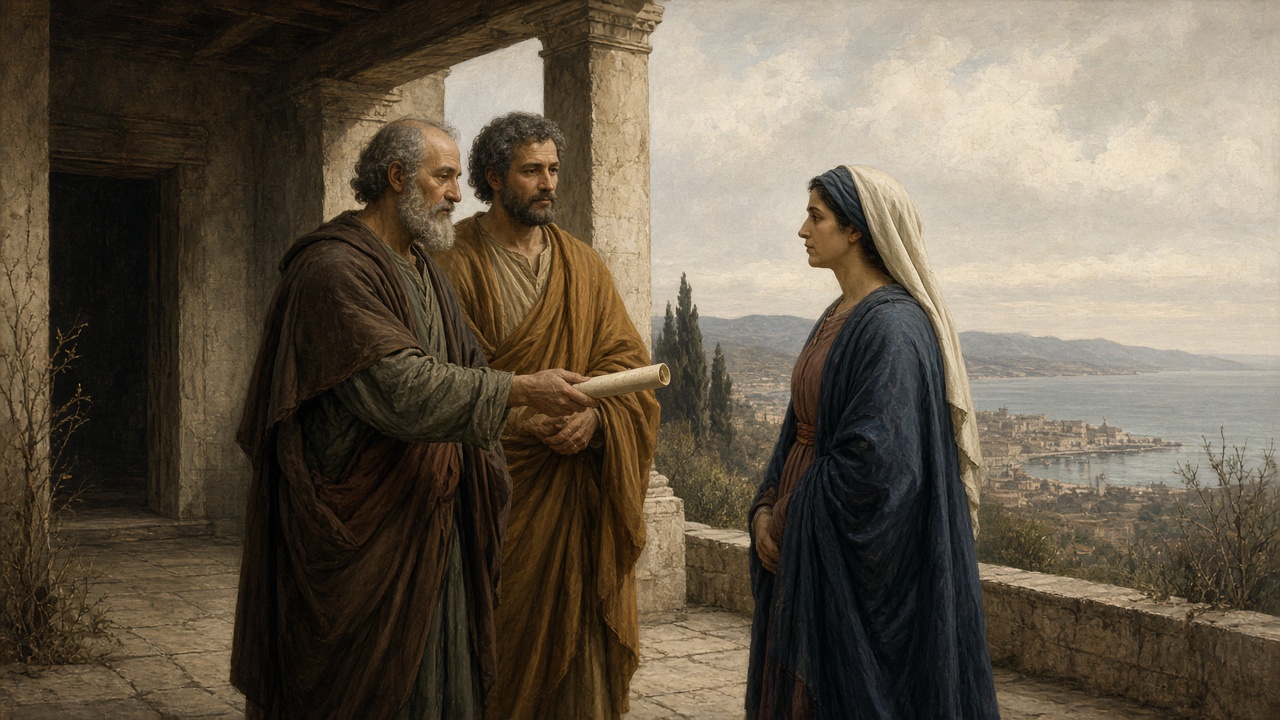
- Easton's Bible Dictionary (1897) presents this letter as written by the apostle, probably at Corinth, where Gaius of Corinth was his host and Erastus was the city's chamberlain. The dictionary dates the writing to early in A.D. 58, at the close of the apostle's second visit to Greece, in the winter before he went to Jerusalem to minister to the saints. Phoebe of Cenchrea carried the letter to Rome.Sources: Easton: Romans, Epistle to the
- Easton thinks it highly probable that Christianity was planted in Rome by people who had been in Jerusalem on the day of Pentecost, when strangers from Rome were there. Jews were then numerous in the city, and Romans probably also attended their synagogues and so heard what was reported about Jesus; a church of both Jews and Gentiles was formed, already numerous and probably meeting in more than one place.Sources: Easton: Romans, Epistle to the · Rome
- When the New Testament was written, Rome was the most celebrated city in the world. It is said to have been founded in 753 B.C. Easton estimates its population at 1,200,000, about half of them slaves, including people from nearly every nation then known, and describes the city as marked by wealth, luxury, and profligacy while the empire was at its greatest prosperity.Sources: Rome
- Easton says the apostle's aim was to explain the great teachings of the gospel in their relation to both Jews and Gentiles. He describes Romans as a systematic, argumentative exposition of a gospel of universal application, and as a plea for Gentiles addressed to Jews, unlike Galatians, where the apostle appeals to his own authority because he had founded that church. After the introduction (1:1-15), Easton outlines justification by faith (1:16-11:36), which he links to Christ's imputed righteousness and to salvation as wholly of grace, then practical exhortations (12:1-15:13), and a closing section with personal notes, greetings to twenty-four Christians in Rome, a benediction, and a doxology (15:14-16).Sources: Easton: Romans, Epistle to the
- In the letter, Paul states his intention to visit Spain. Easton's article on Spain notes that there is no evidence he ever made that journey, although some think he may have done so between a first and a second imprisonment.Sources: Spain
Notes written with AI assistance from open sources (Theographic Bible Metadata, CC BY-SA 4.0; Easton’s Bible Dictionary, public domain) and reviewed before publishing.
Paulo saúda os santos em Roma
1Paulo, servo de Jesus Cristo, escolhido para ser apóstolo e enviado a pregar o evangelho de Deus. 2Este evangelho foi prometido há muito tempo pelos profetas nas Escrituras Sagradas. 3É a boa-nova a respeito de seu Filho, que tomou a forma humana, tendo nascido da linhagem e da descendência de Davi, 4e que mediante o Espírito de santidade foi declarado Filho de Deus com poder, ressurgindo dentre os mortos: Jesus Cristo, nosso Senhor.
5Agora, por meio dele, recebemos graça e apostolado para chamar entre as nações um povo para a obediência da fé. 6E vocês também estão entre os chamados para pertencerem a Jesus Cristo.
7Por isso eu escrevo a todos os que estão em Roma, que ele ama com ternura: Vocês, de igual modo, são chamados por Jesus Cristo para pertencerem a Deus — sim, para fazerem parte de seu santo povo.
Que todas as misericórdias e a paz divina sejam com vocês, vindas de Deus, nosso Pai, e de Jesus Cristo, nosso Senhor.
O poder do evangelho
8Em primeiro lugar, saibam que, por onde quer que eu vá, ouço a respeito de vocês! A fé que vocês têm em Deus está sendo conhecida por todo mundo. Quão grato sou a Deus, através de Jesus Cristo, por esta notícia tão boa e pelo que diz respeito a cada um de vocês. 9Deus é testemunha de quantas vezes me lembro de vocês. Dia e noite levo vocês e todas as suas necessidades em oração àquele a quem eu sirvo com todas as minhas forças, contando aos outros a boa-nova sobre o seu Filho.
10E uma das coisas pelas quais continuo a orar é a oportunidade de eu finalmente ir vê-los, se Deus quiser, e, sendo possível, fazer uma boa viagem. 11Quero muito vê-los, para que assim possa repartir com vocês algum dom espiritual para fortalecê-los, 12quer dizer, para que eu e vocês sejamos animados mutuamente pela fé. 13Quero que vocês saibam, amados irmãos, que planejei ir aí muitas vezes antes disso, mas fui impedido, a fim de trabalhar entre vocês e obter bons resultados, como tenho conseguido entre outras igrejas de povos gentios.
14Tenho uma grande dívida para com vocês e para com todos, tanto os povos civilizados como as nações pagãs; tanto para com pessoas cultas como incultas. 15Portanto, também estou pronto a ir ver vocês em Roma para pregar o evangelho de Deus.
16Não estou envergonhado do evangelho a respeito de Cristo, porque é poder de Deus para a salvação de todo aquele que crê. Esta mensagem foi primeiramente pregada só aos judeus, mas agora também aos gregos. 17Esta boa-nova nos diz que o homem só pode ser justo diante de Deus através da fé, de fato, a justiça de Deus, do princípio ao fim é pela fé. Tal como a Escritura afirma: “O justo viverá por fé”.
A ira de Deus contra o pecado
18Deus, entretanto, mostra do céu a sua ira contra todos os homens pecadores, maldosos, que repelem a verdade em troca da injustiça. 19Pois a verdade sobre Deus é revelada entre eles porque Deus a manifestou. 20Desde a criação do mundo, as qualidades invisíveis de Deus, ou seja, o seu poder eterno e a sua natureza divina, são vistas pelos homens claramente. Elas podem ser compreendidas por meio das coisas criadas. Assim, eles não terão desculpa alguma.
21Sim, eles bem sabiam de Deus, mas não admitiram, nem o adoraram, nem mesmo agradeceram a ele. O resultado foi que suas mentes insensatas ficaram confusas e em trevas. 22Dizendo-se sábios, tornaram-se completamente tolos. 23E então, em vez de adorarem ao Deus imortal, vivente, tomaram madeira e pedra e fizeram ídolos para si, esculpindo-os na forma de simples aves, animais, serpentes e homens mortais.
24E assim Deus os entregou a toda espécie de pecados sexuais para que fizessem tudo de acordo com os desejos pecaminosos do seu coração, para terem relações vergonhosas uns com os outros. 25Em vez de crerem naquilo que eles próprios sabiam ser a verdade sobre Deus, escolheram crer em mentiras. E assim adoraram e serviram as coisas criadas e seres criados, em lugar do Criador, que deve ser louvado para sempre. Amém.
26Esta é a razão pela qual Deus os entregou a paixões pecaminosas, a tal ponto que até suas mulheres se voltaram contra o plano natural que Deus tinha para elas e cederam aos pecados sexuais entre elas mesmas. 27E os homens, em vez de terem relações sexuais naturais cada qual com sua mulher, arderam em paixão uns pelos outros, homens praticando coisas vergonhosas com outros homens, e, como resultado disso, receberam o castigo merecido pela sua perversão.
28Assim, quando eles abandonaram a Deus e nem mesmo o reconheceram, Deus os deixou fazer tudo quanto suas mentes malignas poderiam imaginar. 29Suas vidas ficaram cheias de toda espécie de maldade e pecado, ganância e ódio, inveja, homicídio, brigas, mentira, malícia e mexericos. 30Falam mal uns dos outros com mentiras, estão cheios de ódio contra Deus, insolentes, orgulhosos, pensando sempre em novas maneiras de pecar, e são continuamente desobedientes a seus pais. 31São insensatos, quebram suas promessas e tornaram-se criaturas sem amor pela família, sem nenhuma compaixão. 32São perfeitamente sabedores de que são dignos de morte todos que praticam tais coisas; contudo, continuam assim mesmo e as praticam de todas as maneiras, encorajando outros a agir do mesmo modo.
Did you know?
The Gospel Addressed to Rome
- Paul addresses this letter to “all in Rome.” At the time of Christ, Rome was the most celebrated city in the world, and it is said to have been founded in 753 B.C. When the New Testament was written, Rome was enriched with the spoils of the world and had an estimated population of 1,200,000, about half of them slaves, including people from nearly every nation then known; the empire of which it was the capital had reached its greatest prosperity.Sources: Rome · the Bible text itself
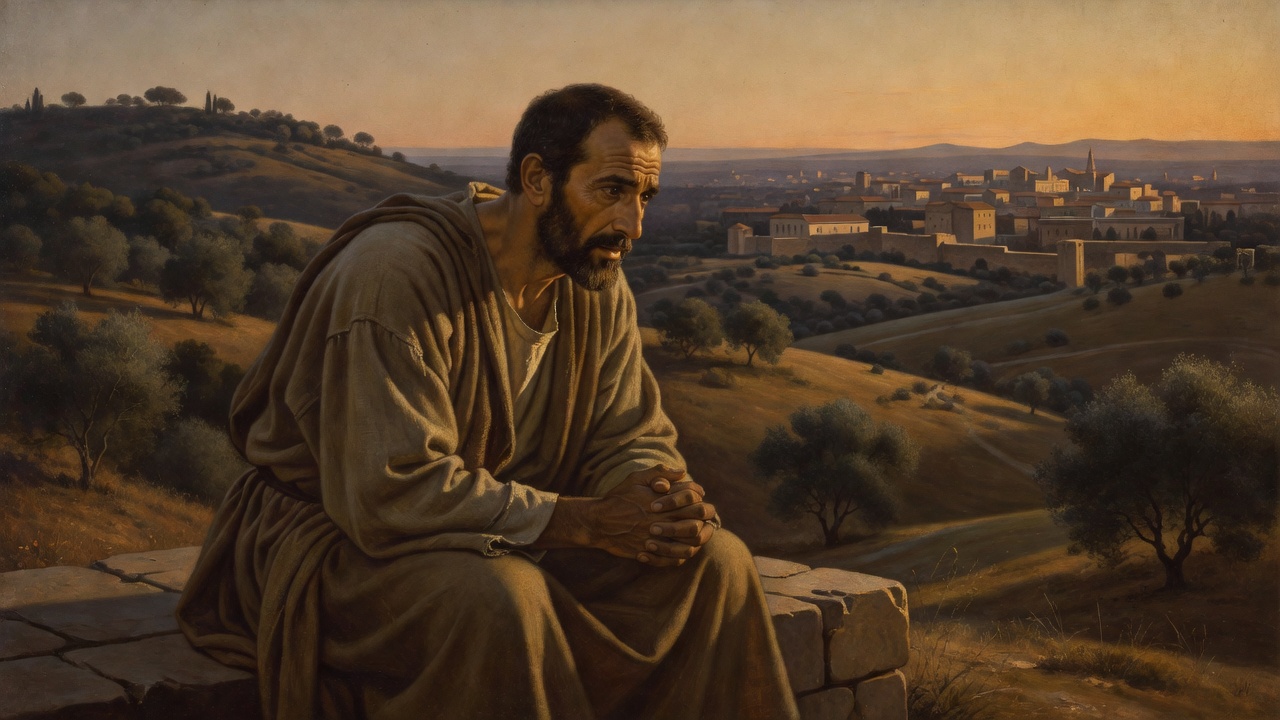
- The letter opens with Paul, a servant of Christ Jesus and an apostle set apart for the gospel, who received grace and apostleship to call Gentiles to the obedience that comes from faith; he also says he is obligated both to Greeks and to non-Greeks. He was a native of Tarsus, the capital of Cilicia, a Roman province in the southeast of Asia Minor—a wealthy commercial city on the navigable river Cydnus and the seat of a famous university. His circumcision name was Saul, and the name Paul was probably given to him in infancy for use in the Gentile world.Sources: Paul · the Bible text itself
- Paul says the gospel concerns God’s Son, who was a descendant of David according to the flesh. The name David is explained as meaning “beloved”; he was the eighth and youngest son of Jesse, a citizen of Bethlehem, and his early occupation was tending his father’s sheep on the uplands of Judah.Sources: David · the Bible text itself
Notes written with AI assistance from open sources (Theographic Bible Metadata, CC BY-SA 4.0; Easton’s Bible Dictionary, public domain) and reviewed before publishing.
Places in this chapter
Only places identified with high confidence are shown (90% or more according to the scholarly sources compiled by OpenBible). Period map: DARE (Digital Atlas of the Roman Empire), CC BY 4.0; modern map: © OpenStreetMap contributors; places: OpenBible.info (CC BY 4.0).
Credits and license for this translation
Biblica® Open Nova Bíblia Viva 2007
Portuguese: Biblica® Open Nova Bíblia Viva 2007 (Bible)
copyright © 2007, 2010 Biblica, Inc.
Language: Português
Dialect: Brazil
Contributor: Biblica, Inc.
Biblica® Open Nova Bíblia Viva™
Copyright © 2007, 2010 by Biblica, Inc.
“Biblica” é uma marca registrada na Oficina de Patentes e Marcas dos Estados Unidos por Biblica, Inc. Usado com permissão.
“Biblica” is a trademark registered in the United States Patent and Trademark Office by Biblica, Inc. Used with permission.
――――――
Creative Commons license
This work is made available under the Creative Commons Attribution-ShareAlike 4.0 International License (CC BY-SA). To view a copy of this license, visit https://creativecommons.org/licenses/by-sa/4.0 or send a letter to Creative Commons, PO Box 1866, Mountain View, CA 94042, USA.
You have permission to copy and distribute this Work, as long as you do not change it and you keep the title as it is. Changing or translating this Work will create a derivative work. When you publish this derivative work, you must list what changes you have made where people can see them, such as on a website. You must also show where the original Work is from: “The original Work by its copyright holders is available for free at www.biblica.com and open.bible .”
Notice of copyright must appear on the title or copyright page of the work as follows:
Biblica® Open Nova Bíblia Viva™
Copyright © 2007, 2010 by Biblica, Inc.
“Biblica” é uma marca registrada na Oficina de Patentes e Marcas dos Estados Unidos por Biblica, Inc. Usado com permissão.
“Biblica” is a trademark registered in the United States Patent and Trademark Office by Biblica, Inc. Used with permission.
You must also make your derivative work available under the same license (CC BY-SA).
If you would like to notify Biblica, Inc. regarding your translation of this work, please contact us at https://open.bible/#feedback .
This translation is made available to you under the terms of the
Creative Commons Attribution Share-Alike license 4.0.
You have permission to share and redistribute this Bible translation in any format and to make reasonable revisions and adaptations of this translation, provided that:
You include the above copyright and source information.
If you make any changes to the text, you must indicate that you did so in a way that makes it clear that the original licensor is not necessarily endorsing your changes.
If you redistribute this text, you must distribute your contributions under the same license as the original.
Pictures included with Scriptures and other documents on this site are licensed just for use with those Scriptures and documents.
For other uses, please contact the respective copyright owners.
Note that in addition to the rules above, revising and adapting God's Word involves a great responsibility to be true to God's Word. See Revelation 22:18-19.
2025-05-20
Section headings adapted from the Berean Standard Bible (public domain); they are not part of this translation’s text.
Source: http://ebible.org/poronbv/ · eBible.org