John 17
Elu Ọhụn: Ẹkụkwọ-Nsọ (Azụụn Ọhụn rịn'a) · Tap a verse to see its cross-references.
Ekpere Jizọsị Mẹni Ndị Nke Ẹ Ile
1Ogẹn Jizọsị gi kugụụ ihiẹn ndịnị wẹ, ọ nọ lee ẹnya elu-igwee, sị, “Baba, ogẹn hụ e rugụọ! Ye Nwa ị ọghọ, kẹni Nwa ị hụn ụzọ ye i ọghọ— 2ebe o mẹ ni y'e bugụọ ịhịan ile che okpuru ẹ, kẹni o ye ndị ile hụn i ye ẹ ndụn itẹbitẹ. 3Ọnwan wụ ndụn itẹbitẹ: ịmarịn n'ị—'yụ, hụn ya sụọ wụ Osolobuẹ nke-esi lẹ ịmarịn Jizọs' Kraịstị hụn i zihẹ.”
4“E yegụọ m'ị ọghọ imẹ ụwanị ghahanị ịrụnchanrịn ọrụn hụn i ye m rụn. 5Baba, yezi m nwan ọghọ ị, ọghọ ohu hụ mmẹ lẹ 'yụ nwọngbama nị ụwa d'e bidọn.”
6“E mẹgụọ m ndịnị marịn ị, marịn ẹfan ị—ndịnị ị gha imẹ ụwa weye m. Wẹ wụ nke i; 'yụ we wẹ ye m; e mẹgụọ wẹ ihiẹn i ku. 7A marịngụọ wẹ nwan nị ihiẹn ile i ye m gha ẹka ị bịa, 8makẹlẹ a gwagụọ m wẹ ihiẹn ndị hụ ị sị m gwa wẹ. A nabanhangụọ wẹ ihiẹn ndị hụ; a marịngụọ wẹ nị m gha ebe ị rị bịa nke-esi. E kwerigụọ wẹ nị 'yụ zihẹ m.”
9“M rị e mẹ ni wẹ ekpere; ẹlẹ ndị ụwa kẹ m rị e mẹ ni ekpere, kalẹ ndị hụn i ye m; makẹni, nke i kẹ wẹ wụ. 10Ihiẹn ile m nwẹ wụ nke i, nke i wụzịkwọ nke m. W'e wẹhẹ ni m ọghọ. 11Arịkọzị m nwan imẹ ụwa, kanị wẹ rị imẹ ụwa—mmẹ nwẹn lala d'e kunrun i. Nẹdi hụn rị nsọ, gi ẹfan ị chemẹ wẹ, ẹfan ị ahụn i ye m, kẹni wẹ wụrụ ohu kẹ mmẹ lẹ 'yụ dọn wụ ohu. 12Ogẹn mmẹ lẹ wẹ gi rị, m gi ẹfan ị chemẹ wẹ—ẹfan ahụn i ye m. E chemẹgụọ m wẹ: etuhuni m kaka onyẹ ohu imẹ wẹ—wezụka onyẹ ahụn mẹ ihiẹn wẹ e gi tikpọ a—kẹni ihiẹn Ẹkụkwọ-nsọ ku hụn ụzọ mẹzu. 13Kanị, m lala nwan d'e kunrun i; m rị e ku ihiẹn ndịnị imẹ ụwa kẹni wẹ hụn ụzọ nwẹ ịghọghọ m imẹ ndụn wẹ, nwẹ ẹ hụn zu oke.”
14“E yegụọ m wẹ oku i, izize wẹ nọ zemẹ ụwa—makẹni ẹlẹ wẹ nke ụwa, rịkẹ kẹ o dọn mẹ ni mmẹ lẹ enwẹn m ẹlẹ nke ụwa. 15Arị m a rịọ ị n'ị gha imẹ ụwa wepụ wẹ; kama, m rị a rịọ n'ị chemẹ wẹ makẹ Eje-onyẹ hụ gha e mẹ wẹ ihiẹn ọwụlẹ. 16Ẹlẹ wẹ nke ụwa—k'o dọn mẹ ni ẹlẹ m nke ụwa. 17Gi ezioku dọn wẹ nsọ: oku i wụ ezioku. 18Kẹ i dọn zihẹ m imẹ ụwa kẹ m dọn rị e zi wẹ e ye imẹ ụwa.”
19“M rị nwan e gi ifiri wẹ e wepụha enwẹn m, kẹni m hụn a nị wẹ wụrụ ndị wẹ wepụha n'ị, hụn wẹ dọn nsọ nke-esi.
20Ẹlẹ ndịnị sụọ kẹ m rị e mẹ ni ekpere; kama, m rịzịkwọ e mẹni ndị hụn jẹnkọ d'e gi ufiri ozi wẹ zi kweri ni m. 21M rị a rịọ nị wẹ ile wụrụchanrịn ohu, nọkẹ kẹ ịyụ, Baba, dọn rị imẹ m, mmẹ nwẹn hụzịkwọ imẹ i; m rị a rịọ nị wẹ rịzịkwọ imẹ ẹnyi—kẹni ụwa hụn ụzọ kweri nị ịyụ zihẹ m. 22E wegụọ m ọghọ hụ i ye m ye wẹ, kẹni wẹ wụrụ ohu kẹ mmẹ lẹ 'yụ dọn wụ ohu: 23kẹni ọ wụrụ nị mmẹ nwẹn hụ imẹ wẹ, 'yụ nwẹn hụ imẹ m; a wụrụchanrịn wẹ ohu, ụwa e gi ẹ marịn nị ịyụ zihẹ m lẹni uwẹ wụ ndị nke m rị ị obi kẹ mmẹ nwẹ dọn rị ị obi.”
24“Baba! M chọ nị ndị ile i we ye m sọn m nọdị ebe m rị, nị wẹ hụn ọghọ m hụn i ye m makẹ ihiẹn-ọsụsụọ i nwẹ jẹnni m n'i d'e kedẹ ụwa.”
25“Euu Nẹdi m, Onyẹ ezi-omumẹ, ọsụọn'a nị ụwa amarịn n'ị, mmẹ nwẹn a marịnghọ ị, ndịnị wẹ a marịnghọzị nị ịyụ zihẹ m. 26E mẹgụọ m wẹ marịn ị, m jẹnkọ d'a gha e mẹzikwọ wẹ a marịn ị, kẹni ihiẹn-ọsụsụọ i nwọn ebe m rị hụn ụzọ rị imẹ wẹ lẹni mmẹ nwẹn rịzị imẹ wẹ.”
Did you know?
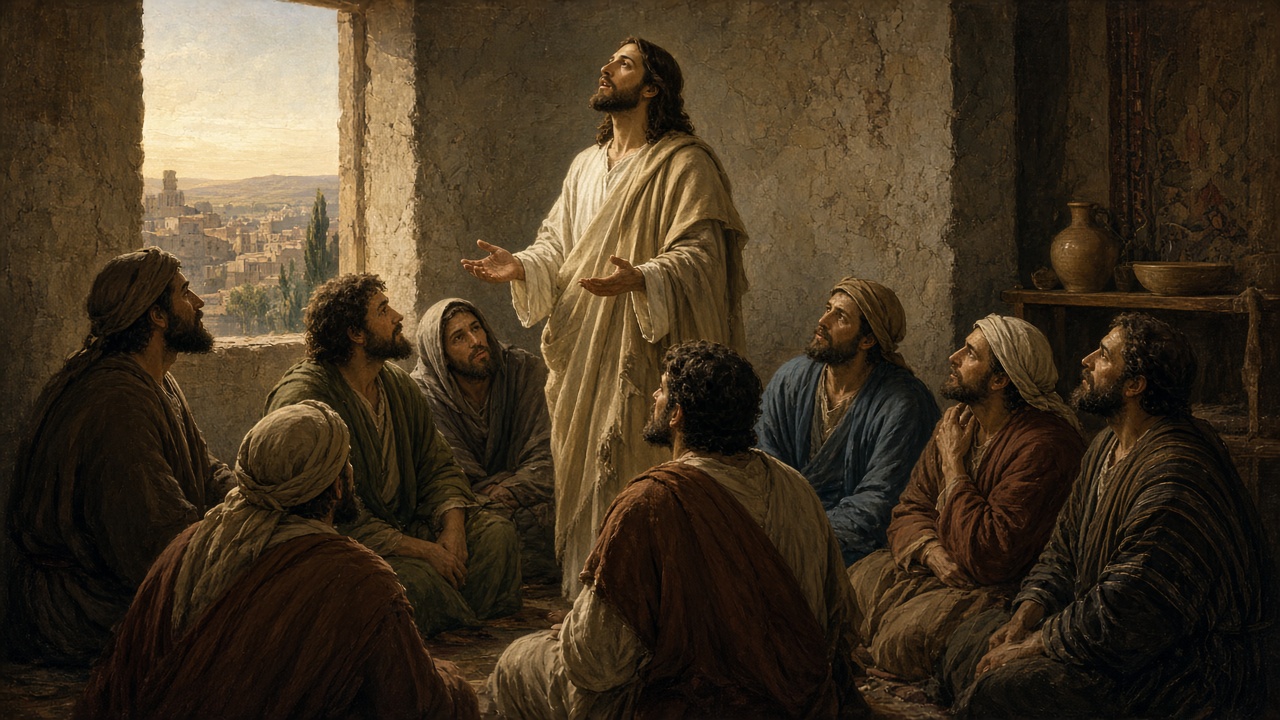
John 17: the hour has come
- The prayer opens when Jesus, having spoken these things, lifts his eyes to heaven and says that the hour has come. It is associated with the Upper Room Discourse, listed as lasting one day, and with Holy Week, listed as lasting eight days.Sources: the Bible text itself · Upper Room Discourse · Holy Week
- Here eternal life is knowing the only true God and Jesus Christ, whom the Father sent. Jesus also speaks of the glory he had with the Father before the world existed, and of the Father's love for him before the foundation of the world.Sources: the Bible text itself
- He prays for those the Father gave him out of the world, who have kept the word, and also for people who will believe through their message, asking that they may be one. He does not ask that they be taken out of the world, but that they be kept from the evil one and sanctified by the truth, which he identifies as the Father's word.Sources: the Bible text itself
Notes written with AI assistance from open sources (Theographic Bible Metadata, CC BY-SA 4.0; Easton’s Bible Dictionary, public domain) and reviewed before publishing.
Credits and license for this translation
Elu Ọhụn: Ẹkụkwọ-Nsọ (Azụụn Ọhụn rịn'a)
Revision of New Testament in Ika
copyright © 2010 Wycliffe
Language: Ika
Translation by: Wycliffe
Ika (ikk) Nigeria
In Nigeria the word Ika is not only the name of the Ika
people, but is also used to designate a local government area in the Akwa Ibom
State. The Ika people are a sub group of the Igbo people. It is interesting to note
that Ika is the name of a town in Croatia is one of the eight Annang local
government areas of the local government areas in Akwa Ibom State. An alternative
name for the Ika people is Ika-Annang. There appears to be another dialect of Ika
that is spoken in Delta State of Nigeria.
Copyright Information
© 2010, Wycliffe. All rights reserved.
This translation text is made available to you under the terms of the Creative
Commons License: Attribution-Noncommercial-No Derivative Works. ( http://creativecommons.org/licenses/by-nc-nd/3.0/ ) In addition, you have
permission to port the text to different file formats, as long as you do not change
any of the text or punctuation of the Bible.
You may share, copy, distribute, transmit, and extract portions or quotations from
this work, provided that you include the above copyright information:
You must give Attribution to the work.
You do not sell this work for a profit.
You do not make any derivative works that change any of the actual words or
punctuation of the Scriptures.
Permissions beyond the scope of this license may be available if you contact us
with your request.
Printed book ISBN 9789789037056
Revision
The New Testament
in Ika
© 2010, Wycliffe. All rights
reserved.
This translation is made available to you under the terms of the
Creative Commons Attribution-Noncommercial-No Derivatives license 4.0.
You may share and redistribute this Bible translation or extracts from it in any format, provided that:
You include the above copyright and source information.
You do not sell this work for a profit.
You do not change any of the words or punctuation of the Scriptures.
Pictures included with Scriptures and other documents on this site are licensed just for use with those Scriptures and documents.
For other uses, please contact the respective copyright owners.
2019-08-09
Source: http://ebible.org/ikkNT/ · eBible.org