Juan 17
Elu Ọhụn: Ẹkụkwọ-Nsọ (Azụụn Ọhụn rịn'a) · Toca un versículo para ver sus referencias cruzadas.
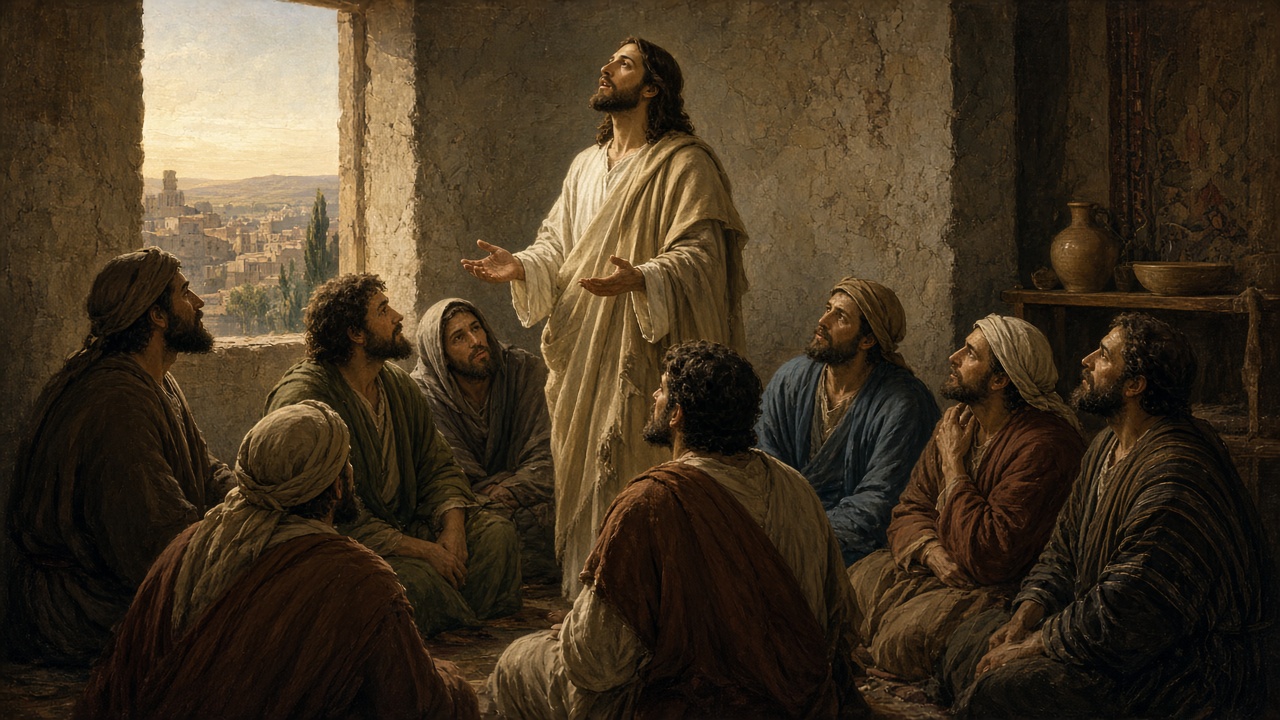
Ekpere Jizọsị Mẹni Ndị Nke Ẹ Ile
1Ogẹn Jizọsị gi kugụụ ihiẹn ndịnị wẹ, ọ nọ lee ẹnya elu-igwee, sị, “Baba, ogẹn hụ e rugụọ! Ye Nwa ị ọghọ, kẹni Nwa ị hụn ụzọ ye i ọghọ— 2ebe o mẹ ni y'e bugụọ ịhịan ile che okpuru ẹ, kẹni o ye ndị ile hụn i ye ẹ ndụn itẹbitẹ. 3Ọnwan wụ ndụn itẹbitẹ: ịmarịn n'ị—'yụ, hụn ya sụọ wụ Osolobuẹ nke-esi lẹ ịmarịn Jizọs' Kraịstị hụn i zihẹ.”
4“E yegụọ m'ị ọghọ imẹ ụwanị ghahanị ịrụnchanrịn ọrụn hụn i ye m rụn. 5Baba, yezi m nwan ọghọ ị, ọghọ ohu hụ mmẹ lẹ 'yụ nwọngbama nị ụwa d'e bidọn.”
6“E mẹgụọ m ndịnị marịn ị, marịn ẹfan ị—ndịnị ị gha imẹ ụwa weye m. Wẹ wụ nke i; 'yụ we wẹ ye m; e mẹgụọ wẹ ihiẹn i ku. 7A marịngụọ wẹ nwan nị ihiẹn ile i ye m gha ẹka ị bịa, 8makẹlẹ a gwagụọ m wẹ ihiẹn ndị hụ ị sị m gwa wẹ. A nabanhangụọ wẹ ihiẹn ndị hụ; a marịngụọ wẹ nị m gha ebe ị rị bịa nke-esi. E kwerigụọ wẹ nị 'yụ zihẹ m.”
9“M rị e mẹ ni wẹ ekpere; ẹlẹ ndị ụwa kẹ m rị e mẹ ni ekpere, kalẹ ndị hụn i ye m; makẹni, nke i kẹ wẹ wụ. 10Ihiẹn ile m nwẹ wụ nke i, nke i wụzịkwọ nke m. W'e wẹhẹ ni m ọghọ. 11Arịkọzị m nwan imẹ ụwa, kanị wẹ rị imẹ ụwa—mmẹ nwẹn lala d'e kunrun i. Nẹdi hụn rị nsọ, gi ẹfan ị chemẹ wẹ, ẹfan ị ahụn i ye m, kẹni wẹ wụrụ ohu kẹ mmẹ lẹ 'yụ dọn wụ ohu. 12Ogẹn mmẹ lẹ wẹ gi rị, m gi ẹfan ị chemẹ wẹ—ẹfan ahụn i ye m. E chemẹgụọ m wẹ: etuhuni m kaka onyẹ ohu imẹ wẹ—wezụka onyẹ ahụn mẹ ihiẹn wẹ e gi tikpọ a—kẹni ihiẹn Ẹkụkwọ-nsọ ku hụn ụzọ mẹzu. 13Kanị, m lala nwan d'e kunrun i; m rị e ku ihiẹn ndịnị imẹ ụwa kẹni wẹ hụn ụzọ nwẹ ịghọghọ m imẹ ndụn wẹ, nwẹ ẹ hụn zu oke.”
14“E yegụọ m wẹ oku i, izize wẹ nọ zemẹ ụwa—makẹni ẹlẹ wẹ nke ụwa, rịkẹ kẹ o dọn mẹ ni mmẹ lẹ enwẹn m ẹlẹ nke ụwa. 15Arị m a rịọ ị n'ị gha imẹ ụwa wepụ wẹ; kama, m rị a rịọ n'ị chemẹ wẹ makẹ Eje-onyẹ hụ gha e mẹ wẹ ihiẹn ọwụlẹ. 16Ẹlẹ wẹ nke ụwa—k'o dọn mẹ ni ẹlẹ m nke ụwa. 17Gi ezioku dọn wẹ nsọ: oku i wụ ezioku. 18Kẹ i dọn zihẹ m imẹ ụwa kẹ m dọn rị e zi wẹ e ye imẹ ụwa.”
19“M rị nwan e gi ifiri wẹ e wepụha enwẹn m, kẹni m hụn a nị wẹ wụrụ ndị wẹ wepụha n'ị, hụn wẹ dọn nsọ nke-esi.
20Ẹlẹ ndịnị sụọ kẹ m rị e mẹ ni ekpere; kama, m rịzịkwọ e mẹni ndị hụn jẹnkọ d'e gi ufiri ozi wẹ zi kweri ni m. 21M rị a rịọ nị wẹ ile wụrụchanrịn ohu, nọkẹ kẹ ịyụ, Baba, dọn rị imẹ m, mmẹ nwẹn hụzịkwọ imẹ i; m rị a rịọ nị wẹ rịzịkwọ imẹ ẹnyi—kẹni ụwa hụn ụzọ kweri nị ịyụ zihẹ m. 22E wegụọ m ọghọ hụ i ye m ye wẹ, kẹni wẹ wụrụ ohu kẹ mmẹ lẹ 'yụ dọn wụ ohu: 23kẹni ọ wụrụ nị mmẹ nwẹn hụ imẹ wẹ, 'yụ nwẹn hụ imẹ m; a wụrụchanrịn wẹ ohu, ụwa e gi ẹ marịn nị ịyụ zihẹ m lẹni uwẹ wụ ndị nke m rị ị obi kẹ mmẹ nwẹ dọn rị ị obi.”
24“Baba! M chọ nị ndị ile i we ye m sọn m nọdị ebe m rị, nị wẹ hụn ọghọ m hụn i ye m makẹ ihiẹn-ọsụsụọ i nwẹ jẹnni m n'i d'e kedẹ ụwa.”
25“Euu Nẹdi m, Onyẹ ezi-omumẹ, ọsụọn'a nị ụwa amarịn n'ị, mmẹ nwẹn a marịnghọ ị, ndịnị wẹ a marịnghọzị nị ịyụ zihẹ m. 26E mẹgụọ m wẹ marịn ị, m jẹnkọ d'a gha e mẹzikwọ wẹ a marịn ị, kẹni ihiẹn-ọsụsụọ i nwọn ebe m rị hụn ụzọ rị imẹ wẹ lẹni mmẹ nwẹn rịzị imẹ wẹ.”
¿Sabías que…?
Juan 17: ha llegado la hora
- La oración comienza cuando Jesús, después de haber dicho estas cosas, alza los ojos al cielo y dice que ha llegado la hora. Se asocia con el Discurso del Aposento Alto, indicado como un día, y con la Semana Santa, indicada como ocho días.Fuentes: el propio texto bíblico · Upper Room Discourse · Holy Week
- Aquí la vida eterna es conocer al único Dios verdadero y a Jesucristo, a quien el Padre envió. Jesús también habla de la gloria que tenía con el Padre antes de que existiera el mundo y del amor del Padre por él antes de la fundación del mundo.Fuentes: el propio texto bíblico
- Ora por quienes el Padre le dio del mundo, los que han guardado la palabra, y también por quienes creerán por medio del mensaje de ellos, pidiendo que sean uno. No pide que sean sacados del mundo, sino que sean guardados del maligno y santificados por la verdad, que identifica como la palabra del Padre.Fuentes: el propio texto bíblico
Notas escritas con ayuda de IA a partir de fuentes abiertas (Theographic Bible Metadata, CC BY-SA 4.0; Easton’s Bible Dictionary, dominio público) y revisadas antes de publicarse.
Créditos y licencia de esta traducción
Elu Ọhụn: Ẹkụkwọ-Nsọ (Azụụn Ọhụn rịn'a)
Revision of New Testament in Ika
copyright © 2010 Wycliffe
Language: Ika
Translation by: Wycliffe
Ika (ikk) Nigeria
In Nigeria the word Ika is not only the name of the Ika
people, but is also used to designate a local government area in the Akwa Ibom
State. The Ika people are a sub group of the Igbo people. It is interesting to note
that Ika is the name of a town in Croatia is one of the eight Annang local
government areas of the local government areas in Akwa Ibom State. An alternative
name for the Ika people is Ika-Annang. There appears to be another dialect of Ika
that is spoken in Delta State of Nigeria.
Copyright Information
© 2010, Wycliffe. All rights reserved.
This translation text is made available to you under the terms of the Creative
Commons License: Attribution-Noncommercial-No Derivative Works. ( http://creativecommons.org/licenses/by-nc-nd/3.0/ ) In addition, you have
permission to port the text to different file formats, as long as you do not change
any of the text or punctuation of the Bible.
You may share, copy, distribute, transmit, and extract portions or quotations from
this work, provided that you include the above copyright information:
You must give Attribution to the work.
You do not sell this work for a profit.
You do not make any derivative works that change any of the actual words or
punctuation of the Scriptures.
Permissions beyond the scope of this license may be available if you contact us
with your request.
Printed book ISBN 9789789037056
Revision
The New Testament
in Ika
© 2010, Wycliffe. All rights
reserved.
This translation is made available to you under the terms of the
Creative Commons Attribution-Noncommercial-No Derivatives license 4.0.
You may share and redistribute this Bible translation or extracts from it in any format, provided that:
You include the above copyright and source information.
You do not sell this work for a profit.
You do not change any of the words or punctuation of the Scriptures.
Pictures included with Scriptures and other documents on this site are licensed just for use with those Scriptures and documents.
For other uses, please contact the respective copyright owners.
2019-08-09
Fuente: http://ebible.org/ikkNT/ · eBible.org