John 16
Elu Ọhụn: Ẹkụkwọ-Nsọ (Azụụn Ọhụn rịn'a) · Tap a verse to see its cross-references.
1“A gwatọgụọ m ụnụ ihiẹn ndịnị amamgbe ụnụ a danpụ imẹ okukwe. 2Wẹ jẹnkọ d'a chụpụ ụnụ imẹ ụlọ-ofufe; ezioku-ezioku, ogẹn lala hụn onyẹ ọwụlẹ gbuni ụnụ jẹnkọ d'e weridẹ ẹ ni ọrụn ọma k'ọ rị a rụnnị Osolobuẹ. 3Wẹ jẹnkọ d'e mẹ ihiẹnni makẹlẹ w'e ke marịn Chuku-Nẹdi mọbụ mmẹ lẹ enwẹn m. 4Kanị, a gwatọgụọ m ụnụ ihiẹn ndịnị, kẹni ogẹn w'e gi mẹ, ụnụ a nyanhan nị a gwatọgụọ m ụnụ.”
“E te gwanị m ụnụ ihiẹn ndịnị isi mbidọn, makẹni m rị imẹ igunrun ụnụ. 5Kanị m jẹnkọ nwan d'e kunrun onyẹ hụn zihẹni m, bụ o nwọnni onyẹ ọwụlẹ imẹ ụnụ jụ m kẹ elebe kẹ m jẹnkọ? 6Hụn nkẹ ụnụ e gi jụ m'a, ụnụ a sụkụrụ makẹni m gwa ụnụ ihiẹn ndịnị m gwa ụnụ.”
Ọrụn Mmọn-nsọ Sikọ D'a Rụn
7“Kanị ezioku kẹ m rị a gwa ụnụ, erere ụnụ rọ omẹni a pụ m; makẹni, Onyẹ-nkasị-obi abịakọ mmanị m lama alama. Kanị, m lamagụụ kẹ m'a nọ zihẹ ni ụnụ 'ya. 8Ogẹn o jẹnkọ d'e gi bịa, ọ sikọ d'a ghọsị ndị ụwa nị a ghọtanị wẹ ihiẹn njọ wụ, nị a ghọtanị wẹ ihiẹn Osolobuẹ chọ, lẹni aghọtanị wẹ kẹ okinkin-ikpe nọ. 9nị aghọtanị wẹ ihiẹn njọ wụ—makẹni njọ wụ nị e kwerini ni wẹ m; 10nị aghọtanị wẹ ihiẹn Osolobuẹ chọ—makẹni mmẹ nwẹn jẹnkọ ebe Nẹdi m rị, ụnụ ahụnkọzị m; 11nị a ghọtanị wẹ kẹ okinkin-ikpe nọ makẹni Osolobuẹ a magụọ onyẹ hụn a kị ụwanị ikpe.
12Ihiẹn bu ọda họdụ hụn m chọ nị m gwa ụnụ, kanị ụnụ asakọ ẹka ghọta a kikẹnni. 13Ogẹn Mmọn-nsọ, Onyẹ hụn a ghọsị ezioku, k'e gi bịa, o sikọ d'e du ụnụ ye imẹ ezioku ile. Makẹlẹ, ẹlẹ uche ẹ k'o k'e ku; kama, ihiẹn ọwụlẹ ọ nụ, 'ya k'o jẹnkọ d'e ku. O jẹnkọ d'a gwazịkwọ ụnụ ihiẹn ndị k'e mẹ ihun. 14O jẹnkọ d'e ye m ọghọ, makẹni o sikọ d'e weri ihiẹn wụ nke m, hụn m k'e ye ẹ, gwa ụnụ ya— 15ihiẹn ile Nẹdi m nwọn wụ nke m; 'ya haịn m gi sị nị Mmọn-nsọ jẹnkọ d'e weri ihiẹn wụ nke m gwa ụnụ.”
Ẹkwan Jẹnkọ D'e Hẹnrin Ịghọghọ
16“Ọ nọbe ẹkẹrẹ, ụnụ ahụnkọzị m; ọ nọbezi ẹkẹrẹ ụnụ jẹnkọ d'a hụn m.” 17Ndị hụ imẹ ụmụ-azụụn a nọ sị ibe wẹ, “K'o gi ihiẹnni ọ rị a gwa ẹnyi e ku—nị, ‘Ọ nọbe ẹkẹrẹ, ụnụ ahụnkọzị m; ọ nọbezi ẹkẹrẹ ụnụ jẹnkọ d'a hụn m,’ ọ sịzị, ‘Makẹni m jẹnkọ ebe Chuku-Nẹdi rị’?” 18Wẹ hụ a sị, “K'o gi ‘Ọ nọbe ẹkẹrẹni’ e ku? Ẹnyi aghọtanị ihiẹn ọ rị e ku!”
19Jesu a marịngụọ nị wẹ chọ nị wẹ jụ a ajụjụ, ọ nọ sị wẹ, “Ụnụ rị a jụtarị ibe ụnụ ihiẹn m gi sị, ‘Ọ nọbe ẹkẹrẹ, ụnụ ahụnkọzị m, ọ nọbezi ẹkẹrẹ, ụnụ jẹnkọ d'a hụn m.’? 20Ezioku kẹ m rị a gwa ụnụ, ụnụ jẹnkọ d'a kwan ẹkwan, goo—kanị ụwa jẹnkọ d'a ghọghọ; ọ k'a gha a fụ ụnụ. Kanị, o nọbe, ụfụ ahụn e hẹnrin ịghọghọ.”
21“Imẹ gha e mẹ okpoho, ọ tụrụ a atụrụ makẹni ogẹn ẹ e rugụọ; kanị ọ mụgụụ, ọ nyanhankọzị afụnfụn hụ ebe ọ n'a ghọghọ n'ọ mụbanhagụọ nwa imẹ ụwa. 22Ẹrịra kẹ ụnụ rị nwan a kwan; kanị, m k'a hụnzị ụnụ—ogẹn hụ, ịghọghọ sikọ d'e jun ụnụ obi, o nwọnni onyẹ jẹnkọ d'a napụ ụnụ ịghọghọ ụnụ. 23O ru ogẹn hụ, o nwọnzini ihiẹn ụnụ jẹnkọ d'a rịọ m. Ezioku kẹ m rị a gwa ụnụ, gi ni ẹfan m rịọ Chuku-Nẹdi ihiẹn ọwụlẹ, o sikọ d'e ye ụnụ 'ya. 24D'e rukwọ nwan ogẹnni, ụnụ egituni ẹfan m rịọ ihiẹn ọwụlẹ; rịọ nị, ụnụ jẹnkọ d'e nwọnhẹn, kẹni ịghọghọ ụnụ zu oke.”
Imẹri Ụwa
25“M gi ilu gwa ụnụ ihiẹn ndịnị; kanị ogẹn lala hụn m sikọ d'e gi gwapụ ụnụ banyeni Chuku-Nẹdi, egikọzị m ilu ogẹn hụ. 26O ru ogẹn ahụn, ụnụ jẹnkọ d'e gi ẹfan m rịọ. Ekuni m nị m jẹnkọ d'a rịọdọnni ụnụ Chuku-Nẹdi, 27makẹni ihiẹn ụnụ a sụọ Chuku-Nẹdi lẹ enwẹn ẹ a sụọ; ihiẹn ụnụ a sụọ a asụọ makẹni ihiẹn m a sụọ ụnụ a sụọ, lẹzi makẹni ụnụ kweri nị m gha ebe Osolobuẹ rị bịa.
28M gha ebe Chuku-Nẹdi rị bịa imẹ ụwa; m pụkọzị nwan imẹ ụwa kẹni m laburu Chuku-Nẹdi.” 29'Ya ụmụ-azụụn a nọ sị a, “Ị rị e kuchanpụ a nwan ọhụnma-ọhụnma, ẹlẹzi ilu! 30Echẹn kẹ ẹnyi marịn nwan n'ị marịnchanrịn ihiẹn ile, n'o nwọnni onyẹ furu n'ọ jụ ị ajụjụ; ọnwan kẹ ẹnyi gi kweri n'ị gha ebe Osolobuẹ rị bịa.” 31Jesu nọ za, sị, “Ụnụ e kwerigụọ nwan? 32Ogẹn lala—o rugụọdẹ nwan, ogẹn ụnụ jẹnkọ d'e gi gbayịya, onyẹ-onyẹ e si iwe ẹ, na mmẹ sụọ tọ. Kanị, ẹlẹ mmẹ sụọ wị, Nẹdi m nọyeni m anọyeni. 33A gwagụọ m ụnụ ihiẹn ndịnị kẹni obi gi ifiri m ru ụnụ alị. Imẹ ụwa, ụnụ jẹnkọ d'e nwọn nsọngbu; ka kwọndọn ni obi ụnụ, n'e mẹrigụọ m ụwa!”
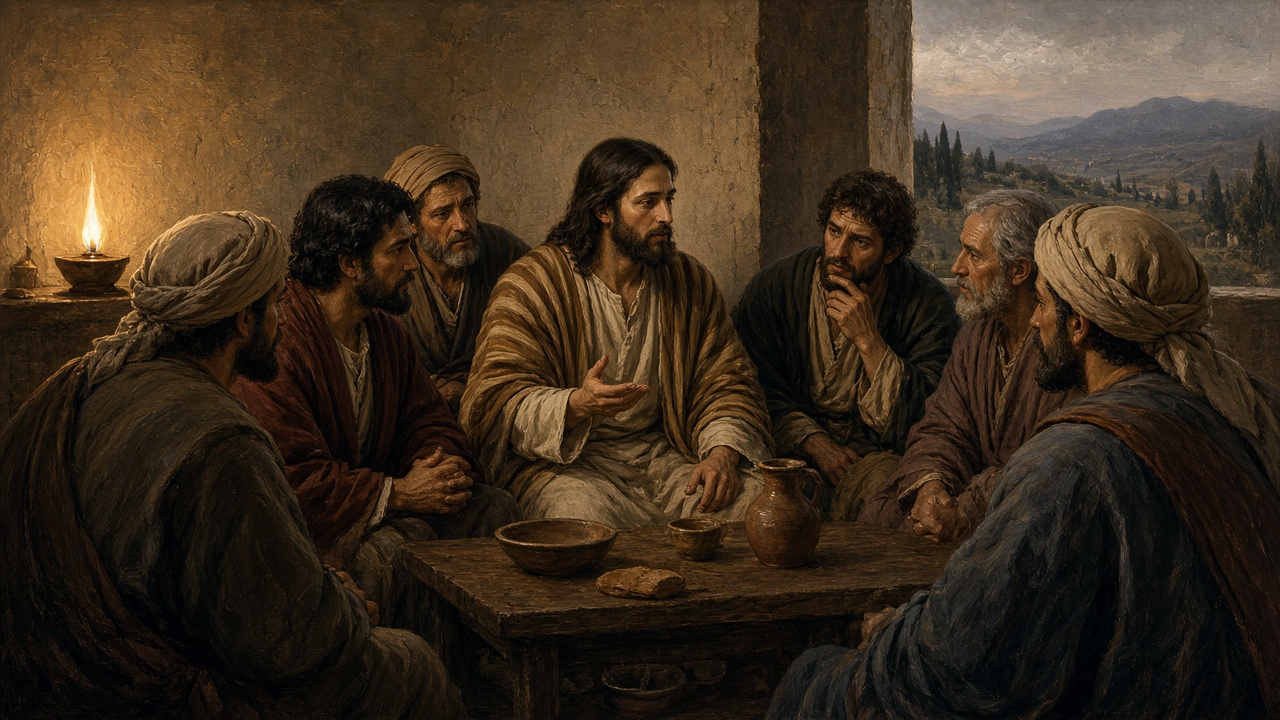
Did you know?
Departure, the Advocate, and joy after grief
- Event notes place this chapter in the Upper Room Discourse, a one-day episode within Holy Week, which those notes list as eight days.Sources: Upper Room Discourse · Holy Week
- Jesus tells the disciples they will be put out of the synagogues. He adds that a time is coming when anyone who kills them will think he is offering a service to God, because they have not known the Father or him.Sources: the Bible text itself
- He says it is for their benefit that he is going away, because unless he goes, the Advocate will not come. When the Spirit of truth comes, he will guide them into all truth, not speaking on his own but saying what he hears and declaring what is to come.Sources: the Bible text itself
Notes written with AI assistance from open sources (Theographic Bible Metadata, CC BY-SA 4.0; Easton’s Bible Dictionary, public domain) and reviewed before publishing.
Credits and license for this translation
Elu Ọhụn: Ẹkụkwọ-Nsọ (Azụụn Ọhụn rịn'a)
Revision of New Testament in Ika
copyright © 2010 Wycliffe
Language: Ika
Translation by: Wycliffe
Ika (ikk) Nigeria
In Nigeria the word Ika is not only the name of the Ika
people, but is also used to designate a local government area in the Akwa Ibom
State. The Ika people are a sub group of the Igbo people. It is interesting to note
that Ika is the name of a town in Croatia is one of the eight Annang local
government areas of the local government areas in Akwa Ibom State. An alternative
name for the Ika people is Ika-Annang. There appears to be another dialect of Ika
that is spoken in Delta State of Nigeria.
Copyright Information
© 2010, Wycliffe. All rights reserved.
This translation text is made available to you under the terms of the Creative
Commons License: Attribution-Noncommercial-No Derivative Works. ( http://creativecommons.org/licenses/by-nc-nd/3.0/ ) In addition, you have
permission to port the text to different file formats, as long as you do not change
any of the text or punctuation of the Bible.
You may share, copy, distribute, transmit, and extract portions or quotations from
this work, provided that you include the above copyright information:
You must give Attribution to the work.
You do not sell this work for a profit.
You do not make any derivative works that change any of the actual words or
punctuation of the Scriptures.
Permissions beyond the scope of this license may be available if you contact us
with your request.
Printed book ISBN 9789789037056
Revision
The New Testament
in Ika
© 2010, Wycliffe. All rights
reserved.
This translation is made available to you under the terms of the
Creative Commons Attribution-Noncommercial-No Derivatives license 4.0.
You may share and redistribute this Bible translation or extracts from it in any format, provided that:
You include the above copyright and source information.
You do not sell this work for a profit.
You do not change any of the words or punctuation of the Scriptures.
Pictures included with Scriptures and other documents on this site are licensed just for use with those Scriptures and documents.
For other uses, please contact the respective copyright owners.
2019-08-09
Source: http://ebible.org/ikkNT/ · eBible.org