Acts 4
Juziñamui Ñuera Uai · Tap a verse to see its cross-references.
Pedro Juan dɨga rɨ́iredɨno uiécomo uiga
1Pedro Juan dɨga naɨ comɨ́nɨmo úrioidemo, lletáriraɨnɨ gaɨríraco úiñotɨno illaɨma dɨga bitíaɨoɨ. Daje llezica saduceo comɨnɨ bitíaɨoɨ. 2Pedro Juan dɨga comɨnɨ llófuetiaillɨnoɨ. Iaɨoɨna daɨde: “Comɨnɨ tɨ́illanomona cáatafue Jesudo ácataga.” Daɨí llófuiari como bitɨ́macɨ rɨ́icaidiaɨoɨ. 3Iemona íaillɨnoɨna llaɨtádiaɨoɨ. Lláɨtano íaillɨnoɨna llavéracomo jítɨramoidɨruimo ɨbáidiaɨoɨ, ja nauízailla jira. 4Mei íadɨ aillo afe úrillauai cacádɨno ɨ́ɨnotiaɨoɨ. Afena ɨ́ɨnotɨmacɨ danɨ ɨíñɨaɨ facádua cinco mil áɨnomo dúcɨde.
5Afe jɨáɨruimo Jerusalemo judíuaɨ illaɨnɨ, éinamacɨ, naa ocuícafue llófueraɨnɨri gaɨrídiaɨoɨ. 6Afe llezica afénomo lletáriraɨnɨ illaɨma Anás ite. Afe dáanomo ite Caifás, Juan, Alejandro naa lletáriraɨnɨ illaɨnɨ comɨ́nɨri. 7Iemo Pedro Juan dɨga atɨ́tatiaɨoɨ. Atɨano íaɨoɨ cɨ́gɨmo naidáneta jɨcánotiaɨoɨ:
—¿Nɨe rɨ́inodo bífuiaɨ fɨnódɨomɨcoɨ? ¿Bu mámecɨdo bífuiaɨ fɨnódɨomɨcoɨ?
8Mei jira Pedro, Ñuera Joreño úicaigamɨenaza daɨde:
—Naɨraɨ illaɨnɨ, Israel éicomɨnɨ, omoɨ cácarei. 9Mei afe baie ɨráredɨmɨemo como fɨnoca ñúefuena jɨcánotɨomoɨ. Mei nɨɨe izói afémɨe jíllotaga daɨí daɨdɨ́omoɨ. 10Mei jira omoɨ uiécomo jino uáfodo llóitɨcoco, nana Israel naɨraɨ fɨdɨ́illena. Afémɨe omoɨ uiécori Nazaret ímɨe Jesucristo mámecɨdo, omoɨ coráɨcamɨe mámecɨdo íocɨre ite. Afe coráɨcamɨe (Jesucristo) tɨ́illanomona Juzíñamui meine abɨdo cáatate. 11Bie Jesús omoɨ jofo níraɨnɨ oni dotaca jofocaɨ izóidɨmɨe. Mei íadɨ afecaɨ uálliraɨna jáizaide. 12Nɨe jɨáɨmɨemo jíllonafue iñede. Jesucristo jɨáɨe daɨítade jíllotaraɨmana caɨmo iñede, afémɨedo caɨ jílloillena. Ua nana énɨemo daɨítade jíllotaraɨmana iñede, —jaca dɨnori Pedro daɨde.
13Iemona rɨ́imacɨ Pedro Juan dɨga méaicaiñeno úrillafue cacáillano, íaillɨnoɨ llófueñegaiaillɨnoɨ íllana fɨ́dɨa llezica, ɨere fáɨgacaidiaɨoɨ, jamáimɨeillɨnoɨ illa jira. Iemona rɨ́imacɨ bíaillɨnoɨ Jesudo macádɨno daɨí íaillɨnoɨmo úibicaidiaɨoɨ. 14Afe emódomo jíllotaga aɨdaima dɨnomo íaillɨnoɨ abɨri naidaide. Ie jira aféfuena jáanoicana daɨínide. 15Mei jira gaɨrídɨnomona íaillɨnoɨna oni orédiaɨoɨ, danɨ jofo conímamo íaɨoɨ úriacana jira. 16Daɨdíaɨoɨ:
—¿Bie ɨima íaillɨnoɨna nɨe izói ñéitɨcaɨ? Mei jɨɨ, nana Jerusalemo bitɨno bie cɨóraɨnina onótate raa íaillɨnoɨ fɨ́nuafuena onódiaɨoɨ; mei aféfuena jáanonidɨcaɨ. 17Mei íadɨ mai íaillɨnoɨ caɨ jácɨdolle, afefue comɨ́nɨdo jamánomo jalléiñellena. Afedo íaillɨnoɨna ráiruitɨcaɨ, Jesús mámecɨdo ja benómona batɨne úriñeillena, —daɨdíaɨoɨ.
18Mei jira íaillɨnoɨna jɨ́ɨritiaɨoɨ. Iaillɨnoɨ dúcɨdemo ocuídiaɨoɨ:
—Jesús mámecɨdo jɨɨ mai due jiza úriñeno iri. Afe daɨí llófueñeno iri, —daɨdíaɨoɨ. 19Mei íadɨ Pedro Juan dɨga uai ote:
—Juzíñamui uiécomo nɨ́ɨfue baɨmo ñuena comecɨ omoɨ faca: omoɨna ñue caɨ cacáreillena, nɨbaɨ jɨáɨfo Juzíñamuina ñue caɨ cacárellena. 20Mei jɨɨ caɨ cɨ́onafue caɨ cacánafue dɨga aféfuemo úrillana fáɨcanidɨcaɨ, —daɨde.
21Mei jira rɨ́imacɨ íaillɨnoɨna jácɨdotiaɨoɨ. Ie mei íaillɨnoɨna zuitádiaɨoɨ. Iaillɨnoɨ duere fɨnóllɨfue baiñédiaɨoɨ; nana comɨnɨ afe fɨ́nua jira Juzíñamuimo ióbioidiaɨoɨza. 22Afe cɨóraɨninafuedo jíllotaga aɨdaima, afémɨemo cuarenta fɨmona baɨmo ite.
Ɨɨnotɨno méaicaiñenafue comecɨ rɨ́ino dɨga jɨcádiaɨoɨ
23Pedro Juan dɨga íaillɨnoɨ zuitaina mei íaillɨnoɨ nabáiñɨaɨ illánomo jáidiaillɨnoɨ. Dɨnomo afémacɨmo nana lletáriraɨnɨ illaɨnɨ éinamacɨ dɨga íaillɨnoɨna dáɨnana llotíaillɨnoɨ. 24Aféfuena cacáillano nana dáanomo Juzíñamuimo úritiaɨoɨ. Daɨdíaɨoɨ:
—Caɨ Ocuíraɨma, O Juzíñamuina; mona, énɨe, monaillai naga ráanɨaɨri fɨnódɨmɨedɨo. 25O Ñuera Joréñodo, o táɨjɨtagamɨe Davido daɨdɨo:
¿Nɨbái mei náɨraɨaɨ caillɨ́oidiaɨoɨ?
¿Nɨbái mei comɨnɨ táɨnofuiaɨmo comecɨ facádiaɨoɨ?
26Enɨe illaɨnɨ Juzíñamuina ie Cristo dɨga anáfenuaɨbitiaɨoɨ.
Daje izói jofue illaɨnɨ Juzíñamuimo ofídiaɨoɨ ie Cristo dɨga áfedo afémɨemo fuiríllena, —daɨde.
27‘Uafue bie jófuemo Herodes, Ponico Pilato dɨga o nɨ́fuenide Jitomo fɨeni gaɨrídiaɨoɨ. Afénomo jɨcánemacɨ Israel comɨ́nɨri fɨeni gaɨrídiaɨoɨ, mei íadɨ omo jaɨnáidɨmɨe Jitó illáɨmana ja jáitatɨo. 28Afe fɨeni íaɨoɨ gaɨríllafuedo nana o uícomo uaido fɨnócafuiaɨmo dáɨnana fɨnódiaɨoɨ. Afe daɨí íficaillena jitáiretadɨo. 29Caɨ Ocuíraɨma Juzíñamui, mai birui caɨ íaɨoɨ jácɨduamo eroi. Jae o táɨjɨtagamacɨdɨcaɨ. Afemona ñue méaicaiñenafue caɨmo fecari, o úrillauai jino jácɨcaiñeno caɨ llóllena. 30Afe llezica omo ite rɨ́inodo comɨnɨ íaɨoɨ dúicomona ñue jíllotari. Afe izói o nɨ́ɨfuenide Jitó mámecɨdo cɨóraɨnina onótate raa fɨnori, —dɨnori daɨdíaɨoɨ.
31Juzíñamuimo íaɨoɨ úrilla fúillamona afe íaɨoɨ gaɨríllano docáiricaide. Afe llezica nana Ñuera Joreño úicaigaiaɨoɨ. Iemona Juzíñamui úrillauai méaicaiñeno jino llotíaɨoɨ.
Ɨɨnotɨmacɨ íaɨoɨ ráanɨaɨna jeruíñeno “Nana caɨe” daɨdíaɨoɨ
32Afe aillo ɨraɨca ɨ́ɨnotɨmacɨ dáaziena nana ñue jaɨnáidiaɨoɨ. Ua daje izói dájemo comecɨ facáoidiaɨoɨ; daje comecɨ jitailla uai íaɨoɨmo ite. Buna afémɨe ráanɨaɨna “Dama cueɨe” daɨíñede, mei íadɨ nana comɨnɨ íaɨoɨ ráanɨaɨna “Nana caɨe” daɨdíaɨoɨ. 33Orécamacɨ Ocuíraɨma Jesús cáanafuemo aillo rɨ́inodo uai nabáioidiaɨoɨ. Juzíñamui nana comɨ́nɨna ɨere caɨmátaitade. 34Iaɨoɨ cɨ́gɨri jitáiredena ráanidɨmɨe iñede. Nana ɨbácana énɨeredɨno jofóredɨno dɨga áfenɨaɨ fécano afe oga úcube atɨ́diaɨoɨ. 35Atɨano orécamacɨmo izájidiaɨoɨ. Iemona orécamacɨ nágamɨeriemo íaɨoɨ jítaina dɨeze fecádiaɨoɨ. 36Afe izói íaɨoɨ cɨ́gɨri Leví izíe ímɨe fɨnode. Afémɨe mámecɨ José. Monáillai zafedu Chípremo jocócamɨe. Orécamacɨ íena jɨáɨe mámecɨna jɨtádiaɨoɨ. Afe mámecɨ Bernabé daɨna Fɨ́radɨmɨe. 37Afémɨe ie illánɨe fecade, fécano afe ɨba úcube orécamacɨmo izáɨbite.
Did you know?
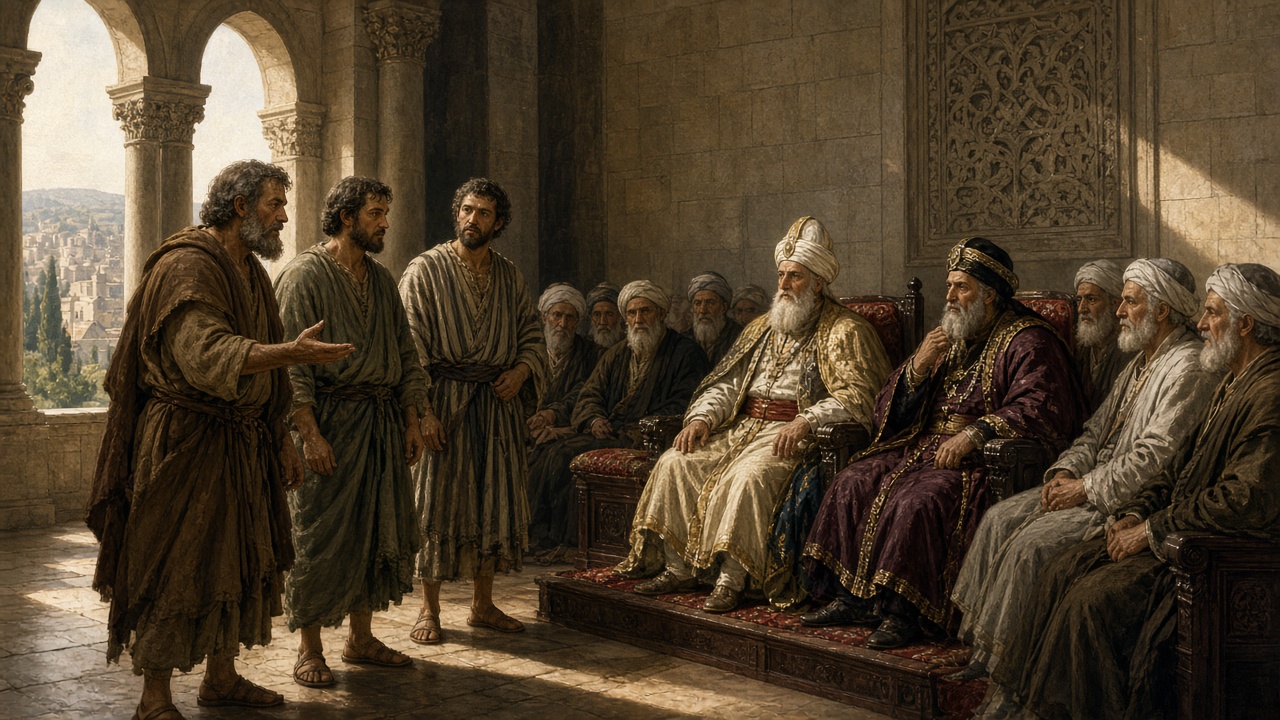
Peter and John before the Sanhedrin
- The priests, the captain of the temple guard, and the Sadducees seized Peter and John because they were teaching the people and proclaiming in Jesus the resurrection of the dead. Caiaphas, who sat with the assembly the next day, belonged to the Sadducees.Sources: the Bible text itself · Caiaphas
- Annas, called high priest here, had held that office from A.D. 7 to 14 until a Roman procurator deposed him. Caiaphas, who had married Annas's daughter, was raised to the office in A.D. 25; even so, some Jews may still have regarded Annas as the legal high priest, since Mosaic law treated the office as lifelong, and Annas was probably president or deputy of the Sanhedrin. John and Alexander, relatives of the high priest and otherwise unknown, sat with them.Sources: the Bible text itself · Annas · John (Relative of the High Priest) · Alexander (Son of Simon)
- Peter, a fisherman from Bethsaida, and John, also a fisherman and a son of Zebedee, were brought before the rulers, elders, and scribes. The council marveled at their boldness when it realized that they were unschooled, ordinary men, and took note that they had been with Jesus.Sources: the Bible text itself · Simon Peter · John the Apostle
Notes written with AI assistance from open sources (Theographic Bible Metadata, CC BY-SA 4.0; Easton’s Bible Dictionary, public domain) and reviewed before publishing.
Places in this chapter
- Jerusalem · 31.777, 35.234 · verses 5, 16
- Nazareth · 32.702, 35.298 · verse 10
- Cyprus · 35.000, 33.000 · verse 36
Only places identified with high confidence are shown (90% or more according to the scholarly sources compiled by OpenBible). Period map: DARE (Digital Atlas of the Roman Empire), CC BY 4.0; modern map: © OpenStreetMap contributors; places: OpenBible.info (CC BY 4.0).
Credits and license for this translation
Juziñamui Ñuera Uai
New Testament in Huitoto, Minica
copyright © 2011 Wycliffe Bible Translators, Inc.
Language: Minica Huitoto (Huitoto, Minica)
Translation by: Wycliffe Bible Translators, Inc.
Copyright Information
© 2011, Wycliffe Bible Translators, Inc. All rights reserved.
This translation text is made available to you under the
terms of the Creative Commons License: Attribution-Noncommercial-No Derivative Works.
( http://creativecommons.org/licenses/by-nc-nd/3.0/ )
In addition, you have permission to port the text to different file formats, as long as you
do not change any of the text or punctuation of the Bible.
You may share, copy, distribute, transmit, and extract portions
or quotations from this work, provided that you include the above copyright
information:
You must give Attribution to the work.
You do not sell this work for a profit.
You do not make any derivative works that change any of the actual words or punctuation of the Scriptures.
Permissions beyond the scope of this license may be
available if you contact
us with your request.
The New Testament
in Huitoto, Minica
© 2011, Wycliffe Bible Translators, Inc. All rights reserved.
This translation is made available to you under the terms of the
Creative Commons Attribution-Noncommercial-No Derivatives license 4.0.
You may share and redistribute this Bible translation or extracts from it in any format, provided that:
You include the above copyright and source information.
You do not sell this work for a profit.
You do not change any of the words or punctuation of the Scriptures.
Pictures included with Scriptures and other documents on this site are licensed just for use with those Scriptures and documents.
For other uses, please contact the respective copyright owners.
2014-08-06
Source: http://ebible.org/hto/ · eBible.org