Acts 3
Juziñamui Ñuera Uai · Tap a verse to see its cross-references.
Aɨdaima jíllotate
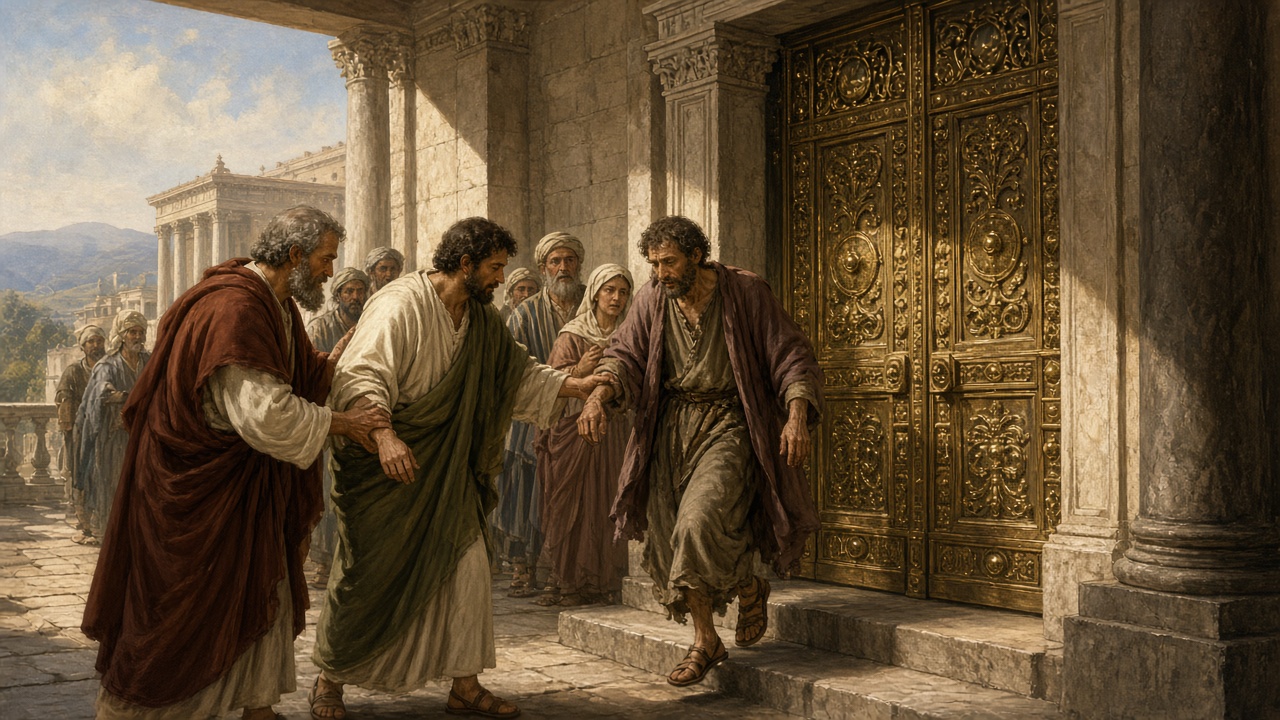
1Jɨáɨruido jitoma ana ítemo Pedro Juan dɨga gaɨríracomo jáidiaillɨnoɨ. Afe Juzíñamuimo comécɨdo úrioina llezica. 2Nágaruillaɨdo jocóinamona aɨdaima dɨnomo ífɨrede. Ie comɨnɨ gaɨríracomo íena úifɨrediaɨoɨ. Uillano afémɨena nazemo ie ráɨnaifɨrediaɨoɨ, jofo jáioidɨnomona dúecaillano fecaca úcube jɨcállena. Afe naze mámecɨ Ebíredɨze. 3Aɨdaima Pedro Juan dɨga gaɨríracomo jofo jáillana cɨ́oillano dúecaillano fecaca úcube íaillɨnoɨmona jɨcade. 4Mei jira Pedro Juan dɨga íemo érocaidiaillɨnoɨ. Pedro íena daɨde:
—¡Caɨmo érocai!
5Iemona afémɨe náɨcaide. Comecɨ anado daɨde: “Nɨbaɨ mɨnɨ́cana cue iite.” 6Iemo Pedro íena daɨde:
—Cue úcubenidɨcue; óronidɨcue; mei íadɨ cuemo ítena o íitɨcue. Nazaret ímɨe Jesucristo mámecɨdo náidacai. Maca, —daɨde.
7Iemo Pedro onoɨ nabézido íena naidánete. Afe daɨí fɨ́nua llezica ie ɨdaɨ maɨríbicaide, ie ɨdácoiñuaɨ dɨga. 8Iemona aɨdaima caifo tícacaide. Caifo náidaillano macade. Afémɨe íaillɨnoɨdo ja jofo gaɨríracomo jaide. Tícaticacana jaide. Juzíñamuimo ióbitaoide. 9Nana comɨnɨ ie mácana cɨódiaɨoɨ. 10Aferi ɨere jacɨ́naificaidiaɨoɨ naa abɨ fáɨgacaillafue dɨga, afémɨe daɨí náidacaillari. Afémɨena onódiaɨoɨza. Afémɨe Ebíredɨze mámecɨredɨzemo ráɨifɨredɨmɨe, gaɨríracomo úcube jɨcáfɨredɨmɨe.
Pedro comɨ́nɨmo Salomón jinófenemo macáranomo llófuete
11Jíllotaga aɨdaima Pedro Juan dɨga íaillɨnoɨdo níjinijicaide. Aféfueri fáɨgacaillano nana comɨnɨ gaɨríraco dɨbénemo jáidiaɨoɨ. Salomón jinófenemo macáranomo Pedro, Juan, aɨdaima dɨga illánomo afe comɨnɨ aizɨ́cana jáidiaɨoɨ. 12Pedro áfena cɨ́oillano comɨ́nɨna daɨde:
—Ɨsrael naɨraɨ, cácarei. ¿Omoɨ mɨnɨ́cari fáɨgacaidɨomoɨ? ¿Nɨbái mei cócomo eróizaɨbitɨomoɨ? Bie ɨima dama coco rɨ́inodo jíllotano macátatɨcoco, nɨbaɨ daɨí comécɨdo daɨdɨ́omoɨ. Daje izói coco Juzíñamuimo ñue comécɨinafuedo afefue fɨnódɨcoco, daɨí nɨbaɨ cócona comécɨdo daɨdɨ́omoɨ. Iadɨ aféfuiaɨdo fɨnóñedɨcoco. 13Mei íadɨ jɨáɨfodo joide. Caɨ jáiairagɨma Abraham, Isaac, Jacob dɨga, íaɨoɨ Moo Juzíñamui ie Jitó Jesumo baɨmo ñúefuena nitade. Afe Jesús rɨ́imacɨmo omoɨ fecácamɨe. Pilato ie zuitáacana llezica áfena ráiruitɨomoɨza. 14Aféruido jaɨ́cɨna nɨ́fuenidɨmɨe zuitátajana jɨcáñedɨomoɨ, mei íadɨ jɨáɨfodo jɨcádɨomoɨ. Come fatɨ́mɨe zuitátatɨomoɨ. 15Afe daɨí cáatatɨno fecádɨmɨe tɨtádɨomoɨ. Mei íadɨ Juzíñamui afémɨena tɨ́illanomona meine abɨdo cáatate. Aféfuemo uai nabáiraɨmadɨcoco. 16Bie dáamɨe Jesús mámecɨdo, ie mámecɨmo ɨ́ɨnuafuedo omoɨ cɨona, omoɨ onoiga aɨdaima jae maɨríbicaide. Afe Jesumo ɨ́ɨnuafue íena ñue jaɨ́cɨna jíllotate, omoɨ uiécomo cɨ́ocaidɨmɨe illa izói.
17‘Amatɨaɨ, onódɨcueza, mei omoɨ naa omoɨ illáɨnɨri Jesuna fáiacana llezica omoɨ fɨnócafuena onóñeno íena fatɨ́omoɨ. Uáfuena omoɨ fɨnócafuena onóñenano fɨnódɨomoɨ. 18Mei íadɨ Juzíñamui ie uai lloráɨmado uícodo daɨna uai bie izói fuitade. Aféuai daɨde: “Ie Cristo duere zefuíllɨfue jitáirede.” 19Mei ie jira omoɨ mácafuiaɨ méidori. Omoɨ illafue Juzíñamuimo ñue jaɨ́cɨna jóoneri. Omoɨ ɨ́aɨfuiaɨ oni muiñólleza. Iemona caɨ Ocuíraɨma Jesús caɨna cánuafuiaɨ mánaɨnaruillaɨ izói caɨmo orérede. 20Aféruimo nano uiécodo ómoɨena mamécamɨe Jesucristo Juzíñamui óreite. 21Mei íadɨ birui Jesucristo monamo fɨébirede, Juzíñamui naga rafue jaɨ́cɨna naɨ jóoneiñeilleza. Afe daɨí jaiáidɨruillaɨmo ite ñuera uai lloraɨnɨ daɨdíaɨoɨ. 22Mei daɨí Moisés caɨ jáiairagɨmana daɨde: “Caɨ Ocuíraɨma Juzíñamui omoɨ ámatɨaɨmona nahí uai lloráɨmana ómoɨmo óreite, Juzíñamui cue ória izói. Afémɨe ómoɨna nana daɨnáfuiaɨ jeire omoɨ oíri. 23Mei afe uai lloraɨma dáɨnana jeire oñédɨno Israel náɨraɨmona oni táɨnocaite. Uáfuena íficaite.” Daɨí daɨde Moisés.
24‘Mei daɨí nana uai lloraɨnɨ, Samuélmona batɨne ite lloraɨnɨ dɨga bie íiraɨruillaɨdo úrite. 25Juzíñamui ie uai lloráɨnɨdo uícodo daɨnáuaillaɨ ja birui ómoɨri jino llotátaga. Juzíñamui caɨ jaiáiragɨmacɨmo ɨbana ñuera raa fɨnóllɨfue llote ñue omoɨ íllena. Afefue Abrahamo llote. Daɨde, “Nana énɨe naɨraɨ o emódomo comuídɨnodo ñue caɨmare íficaitiaɨoɨ,” daɨde. 26Mei Juzíñamui ie Jitó caata meífodo nano fueñe ie Jitó ómoɨmo orede caɨmare omoɨ íllena, ómoɨmona nágamɨiaɨ ie ɨ́aɨfue fáɨcanocaillena, —daɨde.
Did you know?
Healing and Preaching at the Temple
- The temple gate called Beautiful, where a man lame from birth was placed each day to beg, is named in this chapter. It is supposed to have been the door from the court of the Gentiles into the court of the women, and it was massive, covered with plates of Corinthian brass.Sources: Beautiful Gate · the Bible text itself
- After the healing, the astonished crowd ran to Peter and John in the walkway called Solomon’s Colonnade. This was a colonnade, or cloister, probably on the eastern side of the temple; it is not mentioned with the first temple, but Josephus mentions a porch of that name in Herod’s temple.Sources: Solomon's Portico · the Bible text itself
- In his address there, Peter said the people had handed Jesus over and rejected him before Pilate, although Pilate had decided to release him. A dictionary entry identifies Pontius Pilate as the sixth Roman procurator of Judea, from A.D. 26 to 36, with headquarters at Caesarea, though he frequently went up to Jerusalem; his name comes into prominent notice in connection with the trial of Jesus.Sources: Pontius Pilate · the Bible text itself
Notes written with AI assistance from open sources (Theographic Bible Metadata, CC BY-SA 4.0; Easton’s Bible Dictionary, public domain) and reviewed before publishing.
Places in this chapter
- Beautiful Gate · Today: in Jerusalem · 31.777, 35.234 · verses 2, 10
- Nazareth · 32.702, 35.298 · verse 6
- Solomon’s Portico · Today: in Jerusalem · 31.777, 35.234 · verse 11
Only places identified with high confidence are shown (90% or more according to the scholarly sources compiled by OpenBible). Period map: DARE (Digital Atlas of the Roman Empire), CC BY 4.0; modern map: © OpenStreetMap contributors; places: OpenBible.info (CC BY 4.0).
Credits and license for this translation
Juziñamui Ñuera Uai
New Testament in Huitoto, Minica
copyright © 2011 Wycliffe Bible Translators, Inc.
Language: Minica Huitoto (Huitoto, Minica)
Translation by: Wycliffe Bible Translators, Inc.
Copyright Information
© 2011, Wycliffe Bible Translators, Inc. All rights reserved.
This translation text is made available to you under the
terms of the Creative Commons License: Attribution-Noncommercial-No Derivative Works.
( http://creativecommons.org/licenses/by-nc-nd/3.0/ )
In addition, you have permission to port the text to different file formats, as long as you
do not change any of the text or punctuation of the Bible.
You may share, copy, distribute, transmit, and extract portions
or quotations from this work, provided that you include the above copyright
information:
You must give Attribution to the work.
You do not sell this work for a profit.
You do not make any derivative works that change any of the actual words or punctuation of the Scriptures.
Permissions beyond the scope of this license may be
available if you contact
us with your request.
The New Testament
in Huitoto, Minica
© 2011, Wycliffe Bible Translators, Inc. All rights reserved.
This translation is made available to you under the terms of the
Creative Commons Attribution-Noncommercial-No Derivatives license 4.0.
You may share and redistribute this Bible translation or extracts from it in any format, provided that:
You include the above copyright and source information.
You do not sell this work for a profit.
You do not change any of the words or punctuation of the Scriptures.
Pictures included with Scriptures and other documents on this site are licensed just for use with those Scriptures and documents.
For other uses, please contact the respective copyright owners.
2014-08-06
Source: http://ebible.org/hto/ · eBible.org