Acts 5
Juziñamui Ñuera Uai · Tap a verse to see its cross-references.
Ananías Safira dɨga fɨnoca ɨ́aɨfue
1Mei jɨáɨmɨe Ananías, ie aɨ Safira dɨga, daa illánɨe fecádiaillɨnoɨ. 2Bímɨe nano baa nɨeze úcubena jeruide. Jɨáɨe dájeze úcubena nana ñue ite ízoi orécamacɨmo izájide. Aféfuena ie aɨ nana ñue onode. 3Jira Pedro íena daɨde:
—Ananías, ¿nɨbái mei Taɨfe o comécɨna féitate, Ñuera Joréñomo taɨno o llóllena? ¿Nɨbái mei o illánɨe nano nɨeze feca ɨba úcubena abɨmo maiñódɨo, daɨí jɨ́fueridɨo? 4¿Nano fueñe afe énɨe óɨeñede? Jɨɨ, óɨe. ¿Afe o fécaja mei afe úcube óɨeñede? Jɨɨ, óɨe. ¿Nɨbái mei daɨí afe fɨnóllena comecɨ facádɨo? Comɨ́nɨmo taɨno lloñédɨo, mei íadɨ Juzíñamuimo taɨno llotɨo, —daɨde.
5Ie jira áfena cacáillano, Ananías énɨemo baɨíllano tɨ́ibicaide. Nana afefue fɨ́dɨaɨbitɨno ɨere jacɨ́naitiaɨoɨ. 6Mei jira nano ba nɨga jitócomɨnɨ bite. Ie abɨ jabɨ́nota ie raɨájidiaɨoɨ.
7Afe mei tres horas íllamona Ananías aɨ jofo bite. Naɨ ie ɨni tɨ́illana fɨdɨ́ñede. 8Jira Pedro jɨcánote:
—Cuemo llone, ¿afe ómɨcoɨ daɨna dɨeze afe énɨe fecádɨomɨco?
Jira afengo daɨde:
—Jɨɨ, áfeze.
9Jira Pedro daɨde:
—¿Nɨbái mei dáafueritɨomɨco, Juzíñamui Ñuera Joreño o ɨco facátallena? Jino batɨ́ o ɨni raɨájidɨno bitíaɨoɨ. Jabe daje izói ona úitiaɨoɨ.
10Afe llezica afengo Pedro anamo baɨíllano tɨ́ibicaide. Jitócomɨnɨ jofo billano afengo tɨíllana cɨ́oizaɨbitiaɨoɨ. Mei jira jino uillano ie ɨni abɨmo íena raɨájidiaɨoɨ. 11Nana Juzíñamuimo ɨ́ɨnotɨno nana aféfuiaɨna fɨdɨ́dɨmacɨri ɨere jacɨ́naitiaɨoɨ.
Aillo cɨóraɨnina raanɨaɨ onótate raa dɨga
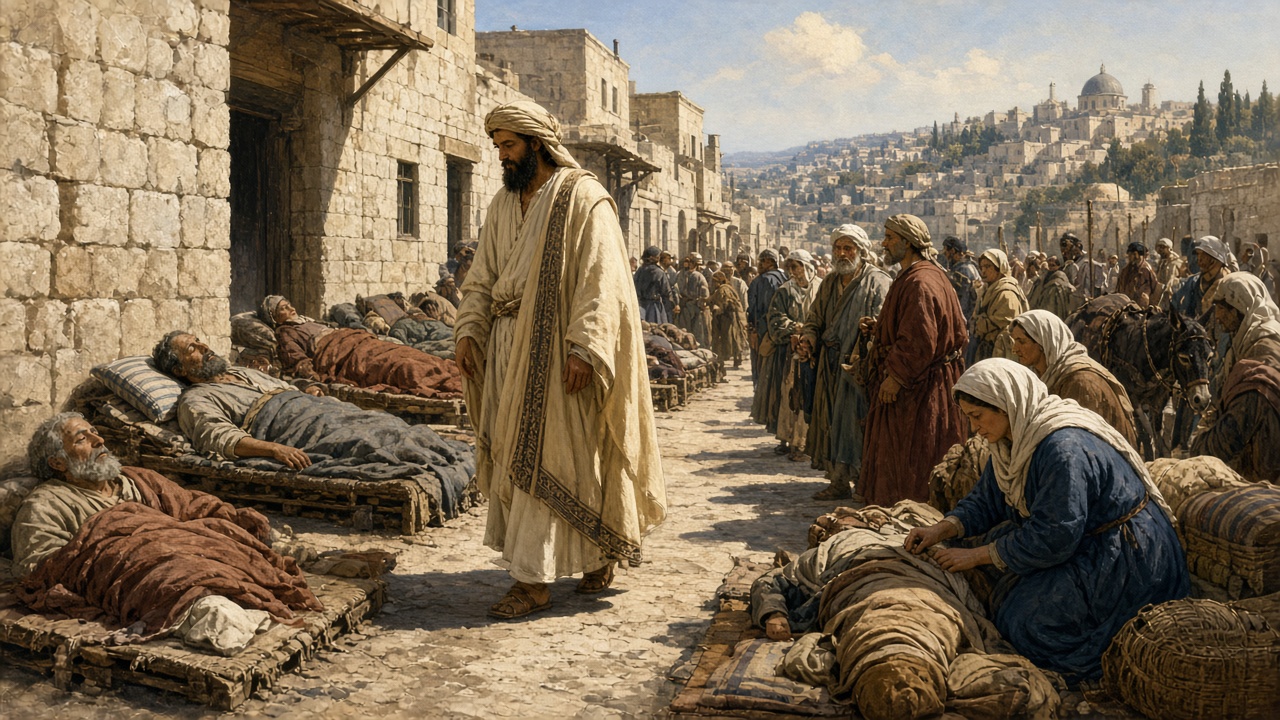
12Aféruillaɨdo comɨnɨ cɨ́gɨri orécamacɨ aillo onótate raa, cɨóraɨnina ráanɨaɨ dɨga fɨnódiaɨoɨ. Nana Salomón jinófenemo macáranomo gaɨrídiaɨoɨ. 13Buna jɨáɨmacɨmona íaɨoɨ dɨga daane gaɨríllana jacɨ́ruitiaɨoɨ; mei íadɨ comɨnɨ íaɨoɨmo ñue izire comécɨidiaɨoɨ. 14Aillo comɨnɨ ɨíñɨaɨ rɨngónɨaɨ dájeze Ocuíraɨma Jesucrístomo ɨ́ɨnuaɨbitiaɨoɨ. 15Uafue jamánomo ɨ́ɨnotiaɨoɨ. Mei jira ɨráredɨno jofo abɨ íuemo, naa íaɨoɨ bɨ́iralluaɨri jino bɨródiaɨoɨ. Afénomo Pedro áfedo jaille llezica afémacɨmona nano dámɨerie, Pedro jana anamo itábicaitiaɨoɨ. Afedo jíllozɨtiaɨoɨ. 16Afe llezica aillo áɨnomo ite jofue comɨnɨ Jerusalemo bitíaɨoɨ. Iaɨoɨ ɨráredɨnuiaɨ atɨ́diaɨoɨ fɨénide jóriaɨdo áɨfedogamacɨ dɨga. Nana jíllotagaiaɨoɨ.
Rɨ́imacɨ illaɨnɨ Pedro Juan dɨga duere fɨnóllena llaɨtátatiaɨoɨ
17Iemona lletáriraɨnɨ illaɨma, afémɨeoɨri ite saduceo imacɨ ɨere úradoizaidiaɨoɨ. 18Ie jira orécamacɨna llaɨtada afe jófuemo ite llavéracomo ɨbáizaidiaɨoɨ. 19Mei íadɨ Juzíñamui abɨ ímɨe naɨo llavéraco naze tuizáɨbite. Jino íaɨoɨ uánona daɨde:
20—Gaɨríracomo omoɨ jai. Dɨnomo naidáillano comɨ́nɨmo nana bie comecɨ cáataite uáillaɨdo úrizairi, —daɨde.
21Aféfuena cacáillano, afe jɨáɨrui monáidacademo jofo gaɨríracomo jáidiaɨoɨ. Jáillano llófuiaide.
Afe llezica lletáriraɨnɨ illaɨma afémɨemo itɨ́nori, Nahíllaɨnɨ gaɨríranomo gaɨrídiaɨoɨ. Afe Nahíllaɨnɨ Israel naɨraɨ éicomɨnɨ. Gaɨríllano llaveca orécamacɨ atɨ́tatiaɨoɨ. 22Mei íadɨ llavériraɨnɨ llavéracomo dúcɨillano orécamacɨna baiñédiaɨoɨ. Daa fia afefue abɨdo lluáɨbitiaɨoɨ. Daɨdíaɨoɨ:
23—Llavéraco ñue rɨire ɨbaide naa naze jinófene úiñotɨnori eróiediaɨoɨ baizájidɨcaɨ. Mei íadɨ caɨ zuitádɨcaɨmo afeco eromo buna iñena, —daɨdíaɨoɨ.
24Aféfuena cacáillano lletáriraɨnɨ illaɨma, gaɨríraco úiñoraɨnɨ illaɨma, íemo nanoide lletáriraɨnɨri ɨfo júdaɨzite; jɨcánotiaɨoɨ:
—¿Bífuiaɨ nɨnomo jɨca jálleite?
25Afe llezica daa ɨima daɨízaɨbite; íaɨoɨna daɨde:
—Llavéracomo omoɨ ɨ́baicogamɨiaɨ jae gaɨríracomo comɨnɨ llófuetiaɨoɨ, —daɨde.
26Iemona úiñoraɨnɨ illaɨma naa llavériraɨnɨri íaillɨnoɨ uájidiaɨoɨ. Mei íadɨ duere fɨnóñeno íaillɨnoɨna atɨ́diaɨoɨ, “Comɨ́nɨna nófɨena caɨ níjɨite” daɨnano jacɨ́ruitiaɨoɨ. 27Iaillɨnoɨ átɨanona, Nahíllaɨnɨ uícomo íaillɨnoɨna naidánetiaɨoɨ. Iemo lletáriraɨnɨ illaɨma íaillɨnona daɨde:
28—Afe mámecɨdo ómɨcoɨ llófueñellena jamánomo rɨire rairuídɨcaɨ. ¿Ja mɨnɨca fɨnódɨomɨcoɨ? Nana Jerusalén comɨ́nɨmo ómɨcoɨ llófuiafuiaɨ jɨca jalleide. Afe llezica afe ɨima tɨ́illa ɨ́coɨnia caɨmo nitáacadɨomɨcoɨ, —daɨde.
29Mei jira Pedro jɨáɨe orécamacɨ dɨga uai ote:
—Juzíñamui uai jeire caɨ olle comɨnɨ llogáuai baɨmo ñuera. 30Caɨ jáiairagɨma Juzíñamui Jesuna tɨ́illamona cáatate. Bie Jesús coráɨrabɨcɨmo agüíneta omoɨ fagámɨe. 31Juzíñamui caifo monamo uano nabézimo íena raɨnade. Afe llezica afénomo Illáɨmana jóonete. Dáanomo Jíllotaraɨmana jóonete. Daɨí Juzíñamui Israel náɨraɨmo íaɨoɨ illafue méidollɨrui jóonete, íaɨoɨ ɨ́aɨfuiaɨ dóllena. 32Aféfuemo uai nabáiraɨmadɨcaɨ. Daje izói Ñuera Joreño aféfuemo uai nabaide. Nana ñue cacáredɨmacɨmo afe Ñuera Joreño Juzíñamui iga, —daɨde.
33Aféfuena cacana llezica, rɨ́icaidiaɨoɨ. Iaillɨnoɨna fáiacadiaɨoɨ. 34Mei íadɨ rɨ́imacɨ cɨ́gɨri fariseo ímɨe ite. Afémɨe mámecɨ Gamaliel. Afémɨe ocuícafue llófueraɨma. Nana comɨnɨ íemo ñue comécɨidiaɨoɨ. Afémɨe náidaillano ocuide:
—Nano dáallegoɨ bimacɨ oni jɨáɨnomo ui, —daɨde. 35Afe ifodo rɨ́imacɨna daɨde:
—Ɨsrael comɨnɨ, cacai. Baimácɨmo omoɨ fɨnóllɨfue abɨ́ omoɨ rairuiri. 36Jɨáɨfuemo omoɨ úibicairi. Naui nɨ́garui íllamona Teudas dúcɨzaɨbite. Dúcɨillano daɨde: “Jamánomoidɨmɨedɨcue. Illáɨmaitɨcue,” daɨde. Iemona cuatrocientos dɨ́gamɨe afémɨedo jáidiaɨoɨ. Mei íadɨ íena fatíaɨoɨ. Nana afémɨedo jáidɨno ráɨdozinaidiaɨoɨ. Iemona afefue nɨné táɨnocaide. 37Afe mei comɨnɨ mámecɨ cuiájillaruimo, Galilea ímɨe Judas dúcɨzaɨbite. Aillo comɨnɨ íedo jáidiaɨoɨ. Daje izói íena fatíaɨoɨ. Afe izói nana íedo jáidɨno ráɨdozinaidiaɨoɨ. 38Ie jira bimácɨna omoɨ fáɨcanocai; afémacɨna áɨfedoñeno. Mei bifue ɨíñɨaɨ íeza, fuizájite. 39Mei íadɨ Juzíñamui ifue, táɨnocaitanidɨomoɨ. Abɨ omoɨ rairuiri, Juzíñamui dɨga omoɨ fuirízaiñelleza, —daɨde.
40Nana jae jiéruificaidiaɨoɨ. Mei jira orécamacɨ jɨ́ɨritiaɨoɨ. Iaɨoɨ dúcɨnamona íaɨoɨna zechénotiaɨoɨ. Afe meífodo Jesús mámecɨdo úrillana íaɨoɨna rairuídiaɨoɨ. Afe mei íaɨoɨna fáɨcanocaidiaɨoɨ. 41Orécamacɨ rɨ́imacɨ uícomona jino jáidiaɨoɨ. Ióbioicaidiaɨoɨ, mei Juzíñamui íaɨoɨmo ñue comecɨ facáoillaza. Jesudo jaɨnáinamona méaifuedo duere zefuídiaɨoɨ. 42Ie mei nágaruido Jesudo úritiaɨoɨ. Afe izói llófueoidiaɨoɨ. Gaɨríracomo, comɨnɨ jófuedo daje izói llófuiaidiaɨoɨ.
Did you know?
Deceit, wonders, and the Sanhedrin
- Ananias, a member of the Jerusalem church, and his wife Sapphira, whose name means beautiful, sold a piece of land and, with her knowledge, kept back part of the price while bringing the rest to the apostles. He could have kept the property; Peter reminded him that it remained at his disposal both before and after the sale. The wrong was the lie: he professed to give it all, Sapphira confirmed the false price, and both died, she sharing his guilt and his punishment.Sources: Ananias (Husband of Sapphira) · Sapphira · the Bible text itself
- The believers gathered with one accord in Solomon’s Colonnade, where the apostles performed many signs and wonders. That colonnade probably stood on the eastern side of the temple. It is not mentioned in connection with the first temple, though Josephus refers to a porch of that name in Herod’s temple.Sources: Solomon's Portico · the Bible text itself
- When the high priest and his associates, who belonged to the party of the Sadducees, had the apostles arrested, a Pharisee named Gamaliel stood up in the Sanhedrin. He is described as a teacher of the law honored by all the people, the son of Rabbi Simeon and grandson of the famous Rabbi Hillel, and as an opponent of the Sadducees; he urged the council to leave the men alone. He pointed to Theudas, who had led an insurrection against Roman authority and, as Gamaliel told it, gathered about four hundred men before the rising came to nothing—beyond that, nothing else is known of Theudas—and to Judas the Galilean, who perished in the days of the census.Sources: Gamaliel · Theudas · the Bible text itself
Notes written with AI assistance from open sources (Theographic Bible Metadata, CC BY-SA 4.0; Easton’s Bible Dictionary, public domain) and reviewed before publishing.
Places in this chapter
- Solomon’s Portico · Today: in Jerusalem · 31.777, 35.234 · verse 12
- Jerusalem · 31.777, 35.234 · verses 16, 28
- Galilee · 32.760, 35.527 · verse 37
Only places identified with high confidence are shown (90% or more according to the scholarly sources compiled by OpenBible). Period map: DARE (Digital Atlas of the Roman Empire), CC BY 4.0; modern map: © OpenStreetMap contributors; places: OpenBible.info (CC BY 4.0).
Credits and license for this translation
Juziñamui Ñuera Uai
New Testament in Huitoto, Minica
copyright © 2011 Wycliffe Bible Translators, Inc.
Language: Minica Huitoto (Huitoto, Minica)
Translation by: Wycliffe Bible Translators, Inc.
Copyright Information
© 2011, Wycliffe Bible Translators, Inc. All rights reserved.
This translation text is made available to you under the
terms of the Creative Commons License: Attribution-Noncommercial-No Derivative Works.
( http://creativecommons.org/licenses/by-nc-nd/3.0/ )
In addition, you have permission to port the text to different file formats, as long as you
do not change any of the text or punctuation of the Bible.
You may share, copy, distribute, transmit, and extract portions
or quotations from this work, provided that you include the above copyright
information:
You must give Attribution to the work.
You do not sell this work for a profit.
You do not make any derivative works that change any of the actual words or punctuation of the Scriptures.
Permissions beyond the scope of this license may be
available if you contact
us with your request.
The New Testament
in Huitoto, Minica
© 2011, Wycliffe Bible Translators, Inc. All rights reserved.
This translation is made available to you under the terms of the
Creative Commons Attribution-Noncommercial-No Derivatives license 4.0.
You may share and redistribute this Bible translation or extracts from it in any format, provided that:
You include the above copyright and source information.
You do not sell this work for a profit.
You do not change any of the words or punctuation of the Scriptures.
Pictures included with Scriptures and other documents on this site are licensed just for use with those Scriptures and documents.
For other uses, please contact the respective copyright owners.
2014-08-06
Source: http://ebible.org/hto/ · eBible.org