Jeremiah 9
KAKAƗYARI NIUKIEYA XAPAYARI WIXARIKAKƗ · Tap a verse to see its cross-references.
1Nemu'u haixa xɨka hɨkɨtɨnike,
meta nehɨxite 'ukai haixayari,
tukarikɨ meta tɨkarikɨ nemutsuanenikɨ,
neniwe 'uka teɨterimama memukwi'iwaxɨkɨ.
2Makumawetsietɨ kii nemɨnexeiyani
huye tetsita.
Neteɨterima nepuwaruku'eiriwe,
'ateewa nepeyeiwe.
Yunaitɨ mɨkɨ hipame wa'ɨitama memɨwakumaɨwa mepɨhɨkɨ,
yunaitɨ mepɨnetsi'uku'eiri hipame mepɨwaranukuwei.
3«Waneni 'itarikakɨ pɨtikuxata xeikɨa 'ɨrɨ tupitsie waɨkawamekɨ mɨtiutamɨni hepaɨ,
'ikɨ kwieyaritsie 'itarika pɨrayu'iwa, tita yuri mɨraine pɨkatixaɨ,
'axa'anemetsie meyuka'uitɨwatɨ matsi kwinimieme mekateniyurieka ne mepɨkanetsimate
—Yawé mɨpaɨ kanaineni—.
4Xekeneyu'ɨwiyani tsepa mɨ'ahamiku,
yu'iwama yuri xepɨkatewa'eririeka,
tsepa mɨra'iwa mepɨteyu'itaiya,
metatsiere hamiku pɨtiuyukananaima.
5Yunaitɨ mepɨteyu'itaiyatɨwe,
yurikɨ mepɨkateyukuxaxatɨwa.
Yuneni mepɨte'uta'ɨkitɨa mɨti'itawanikɨ,
meta 'axamepɨteyurie kepaukake memɨti'uxe.
6»Keremiyaxi, 'ekɨ memɨte'itawa watsata pekaniuyeikani,
yu'itarikakɨ mepɨkayuwaɨriya memɨnetsihetimanikɨ»,
Yawé mɨpaɨ kanaineni.
7'Ayumieme, mɨpaɨ kanaineni Yawé Naimekɨmɨtɨrɨkaɨye:
«Ne 'aixɨa nekanixetiyurimɨkɨ, nekanixeta'inɨatamɨkɨ.
¿Ketawari netiyurieni neteɨterima wahetsiemieme?
8Waneni 'ɨrɨ hepaɨ pɨ'anene pɨmɨya,
wateni 'itarika xeikɨa pɨmate,
'aixɨa mepɨtekuxata yuhamikuma wahamatɨa,
peru yutaɨta mewawiniyatɨwetɨ».
9Yawé mɨpaɨ kanaineni:
«¿Kareuyewetse mɨkɨkɨ ne nemɨtixekwinitɨani?
¿Kareuyewetse teɨteri mɨpaɨ nemɨtiwarakapitɨanikɨ kememɨte'uyurikɨ?»
10Nekanititsuamɨkɨ meta ne'uta'aiwatɨ hɨritsie,
makuweritsie makumawetsie hiwerika kwikariyari nekaniutakwikamɨkɨ,
makumawe mɨhɨkɨkɨ:
yuxewitɨri mana pɨka'uyeika
tewaxi watsuari pɨka'enierieri.
Wikixitɨtɨ metatsiere yeutari,
yunaitɨ mepɨteheuyuta'unaxɨa.
11«Kiekari Kerutsareme kii 'unimeyari kwinienetɨ muwe nepayeitɨani,
yawixi memayu'eririya wakie nepayeitɨani.
Makumawe nepayeitɨani Kura kiekariteyari,
teɨteri mana mekatiteme nepayeitɨani».
12¿Kemɨ'ane kwinimieme pɨtimaiwe 'ikɨ metimaitɨyanikɨ? ¿Kemɨ'ane Yawé pitahɨawixɨ, 'ikɨ naime hepaɨtsita mɨtitaxatakɨ? ¿Titayari 'ikɨ kwieyari tiuka'unarie, yuxaɨta tikuma makumawe hepaɨ xewitɨ mana mɨka'uyeyeikanikɨ?
13Yawé mɨpaɨ kanaineni: «Mɨkɨ ne'inɨari niukiyari mepuku'eiri nemɨwayetuiri, mepɨkanetsi'anu'eni meta mɨpaɨ mepɨkate'u'uwakai. 14Yu'iyari mɨkaheu'ena mepanukuwei, Wahari kakaɨyarixiyarite mepɨwaranukuwei, wa'ukiyarima kememɨtewaru'ɨkitɨa». 15'Ayumieme, mɨpaɨ kanaineni Yawé Naimekɨmɨtɨrɨkaɨye, 'Ixaheri Kakaɨyarieya: «'Ikɨ teɨteri 'ikwai hatsiwime neniwatimimɨkɨ meta haa 'uayemakame neniwatiharitɨamɨkɨ. 16Naitsarie nuiwarite watsata nepɨwataxɨriexɨani teɨteri memɨkawamate meta watutsima memɨkawaretima wahetsɨa, nepɨwaranukuweiya 'ixiparakɨ kepaukake yunaime nemɨwakwini».
17Mɨpaɨ kanaineni Yawé Naimekɨmɨtɨrɨkaɨye:
«Kayuwatɨ xekeneu'enana. 'Ukarawetsixi tsuakamete xekeniwarutahɨawi.
Kwinie memɨteheutatsuawawe meke'u'axɨani.
18Xeiya meke'u'axɨani,
tahetsiemieme meke'utitsuanani.
Tahɨxita 'ukai kanitihɨnimɨkɨ,
meta ta'ukai kananakaxɨrimɨkɨ,
19Tsiyuni paitɨ kana'eniɨriɨkɨni tsuari meta hiwerika:
“Tepuka'unarie,
teputewinɨarie yemekɨ.
Peuyewetse takwie temuku'eirienikɨ,
takiite naitɨ mutiuka'unariekɨ”».
20'Ukarawetsixi, xekeneu'eni Yawé niukieya,
xenakate ke'i'enieni niuki tetana mieme.
Yuniwema 'ukari xeketenewa'ɨkitɨaka kwikari hiwerikapa mieme,
meta hipatɨta mekeyuti'ɨkitɨani 'ikɨ hiwerika kwikariyarikɨ:
21«Mɨɨya 'ituparite 'etsimayeyeutsie nenieremeta kaneutahani,
taparatsiyuta kaneutahani,
tɨɨri kaniwarutayuniya kaye'utɨma memu'uwakai,
meta temari teɨteri memayukuxexeɨriwatsie memu'uwakai.
22Mɨkite mepeutihe hayekɨa
kwitarai hepaɨ mɨraka'etsitɨretsie,
mɨaxa hepaɨ 'ihɨayame 'utɨa mɨyehixime,
xewitɨ mɨka'iti'ɨwe»,
Yawé mɨpaɨ kanaineni.
23Yawé mɨpaɨ kanaineni:
«Pɨkayuta'ɨreni mɨtimaiwe mɨtimaiwekɨ,
meta mɨtɨrɨkaɨye yutɨrɨkariyakɨ,
meta mɨxiku mɨrexeiyakɨ.
24Xɨka xewitɨ yuta'ɨrimɨkɨ,
keyuta'ɨre mɨnetsimatekɨ
meta mɨpaɨ mɨretimakɨ kename ne Yawé nehɨkɨ,
nemɨti'uximaya kwiepa naki'eriyakɨ,
heitseriemekɨ meta 'aixɨa 'anemekɨ,
netsɨ mɨpaɨ kanetininakeni
—Yawé mɨpaɨ kanaineni—.
25Yawé mɨpaɨ kanaineni: «Tukari kanaye'amɨkɨ kepauka ne nemɨtiwakwinitɨani kemɨ'ane xeikɨa yuwaiyaritsie xitekiya 'inɨariyari memexeiya: 26'Ekipitu nekatinikwinitɨamɨkɨ meta Kura, 'Erumi, 'Amuni, Muhawi, meta yunaime makumawetsie memu'uwa yumu'utsie memuyukaxika. Yunaitɨ nuiwarite xitekiya 'inɨariyari mepɨkahexeiya, peru matsi 'ixaheritsixi xitekiya 'inɨariyari yu'iyaritsie mepɨkahexeiya».
Did you know?
A Lament over Deceit and Ruin
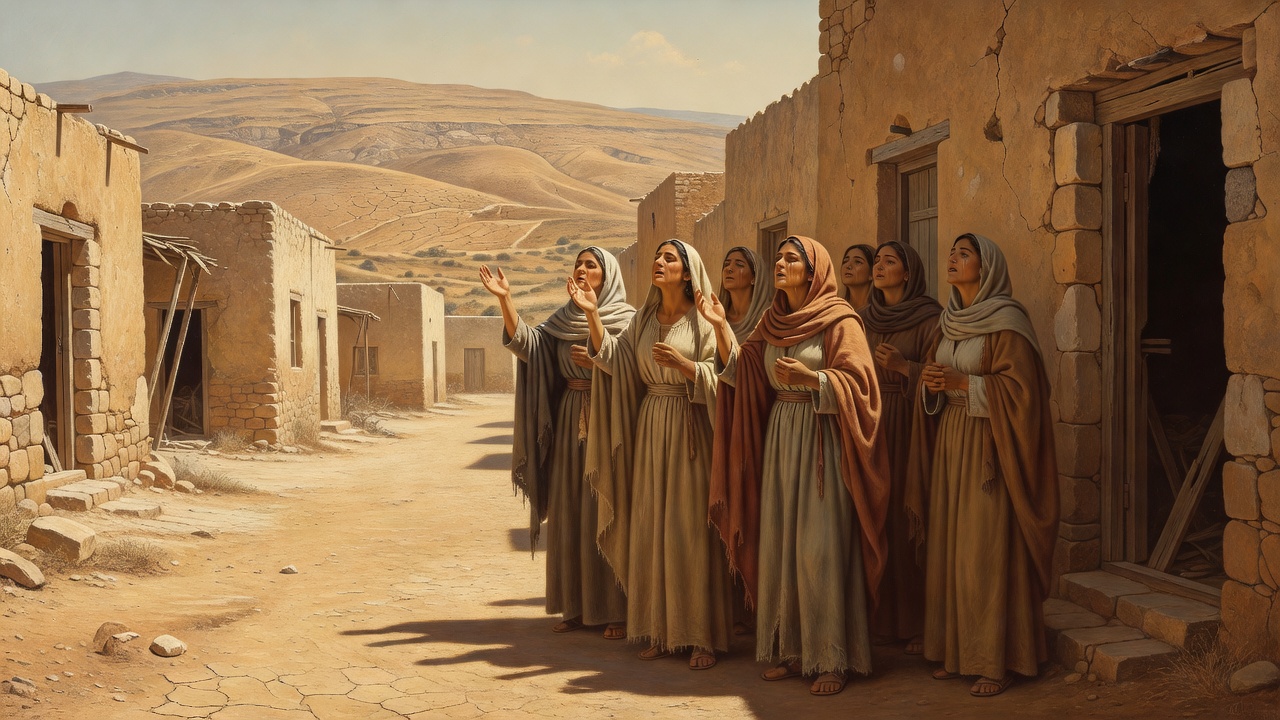
- In ancient Near Eastern culture, skilled professional mourning women were summoned during major calamities and funerals to lead communal laments and teach dirges to the next generation.Sources: the Bible text itself
- The passage warns against boasting in human wisdom, military power, or material riches, presenting the true knowledge of God—characterized by loving devotion, justice, and righteousness—as the only legitimate ground for confidence.Sources: the Bible text itself
- The chapter groups Judah with its regional neighbors—Egypt, Edom, Ammon, and Moab—warning that external religious marks like physical circumcision offer no protection if the heart remains uncircumcised and disobedient.Sources: the Bible text itself · Edom · Ammon · Moab
Notes written with AI assistance from open sources (Theographic Bible Metadata, CC BY-SA 4.0; Easton’s Bible Dictionary, public domain) and reviewed before publishing.
Places in this chapter
- Jerusalem · 31.777, 35.234 · verse 11
- Zion · Today: Jerusalem · 31.777, 35.234 · verse 19
- Ammon · 31.955, 35.934 · verse 26
- Edom · 30.746, 35.604 · verse 26
- Egypt · 30.129, 31.308 · verse 26
- Moab · Today: Moab 1 · 31.181, 35.701 · verse 26
Only places identified with high confidence are shown (90% or more according to the scholarly sources compiled by OpenBible). Period map: DARE (Digital Atlas of the Roman Empire), CC BY 4.0; modern map: © OpenStreetMap contributors; places: OpenBible.info (CC BY 4.0).
Credits and license for this translation
KAKAƗYARI NIUKIEYA XAPAYARI WIXARIKAKƗ
The Holy Bible in the in Huichol language of Mexico, 2020 edition
La Santa Biblia en lengua huichol de México, edición 2020
copyright © 2020 Wycliffe Bible Translators, Inc.
Language: Huichol
Translation by: Wycliffe Bible Translators, Inc.
Huichol [hch], Mexico
Copyright Information
© 1988-2020, Wycliffe Bible Translators, Inc.
This translation text is made available to you under the
terms of the Creative Commons License: Attribution-Noncommercial-No Derivative Works.
( http://creativecommons.org/licenses/by-nc-nd/3.0/ )
In addition, you have permission to port the text to different file formats, as long as you
do not change any of the text or punctuation of the Bible.
You may share, copy, distribute, transmit, and extract portions
or quotations from this work, provided that you include the above copyright
information:
You must give Attribution to the work.
You do not sell this work for a profit.
You do not make any derivative works that change any of the actual words or punctuation of the Scriptures.
Permissions beyond the scope of this license may be
available if you contact
us with your request.
The Holy Bible
in Huichol
© 1988-2020, Wycliffe Bible Translators, Inc.
This translation is made available to you under the terms of the
Creative Commons Attribution-Noncommercial-No Derivatives license 4.0.
You may share and redistribute this Bible translation or extracts from it in any format, provided that:
You include the above copyright and source information.
You do not sell this work for a profit.
You do not change any of the words or punctuation of the Scriptures.
Pictures included with Scriptures and other documents on this site are licensed just for use with those Scriptures and documents.
For other uses, please contact the respective copyright owners.
2025-09-03
Source: http://ebible.org/hch/ · eBible.org