Jeremiah 8
KAKAƗYARI NIUKIEYA XAPAYARI WIXARIKAKƗ · Tap a verse to see its cross-references.
1»Yawé mɨpaɨ kanaineni: “'Iya tukaritsie te'aitamete wa'umete pɨwatixɨriyani meta Kura kiekatari wahetsiemieme memanuyetekai, meta mawari wewiwamete meta Kakaɨyari niukametemama, metatsiere Kerutsareme kiekatari wa'umete. 2Tau hɨxie tiheitɨ kanayeimɨkɨ meta metseri hɨxie, meta yunaime xurawetsixi muyuawitsie miemete wahɨxie, mɨkɨ muyuawitsie miemete memɨwanaki'eriekai, memɨwarayexeiyakai memuwaruweiyakai meta memɨwarahɨawekai. Wa'umete pɨkaku'ɨiyani meta pɨkakateukieni, kwitarai hepaɨ kwiepa puyuhayewa. 3Naitsarie kwiepa hakewa nemɨwareutanɨ'axɨa memutawikwei 'ikɨ nuiwaritsie miemete 'axamemɨte'u'iyari, kemɨ'ane memuyuhayewa memɨkwinikɨ mepuyuwaɨriyani matsi memayeyuyurinikɨ pɨkatixaɨ. Mɨpaɨ kanaineni Yawé Naimekɨmɨtɨrɨkaɨye”.
'Axamɨti'ane meta 'uximatɨarika
4»Peru 'ekɨ mɨpaɨ ketiniwarayehɨtɨa ne Yawé mɨpaɨ nemainekɨ:
»“Kepauka teɨteri memekaxɨrɨwe,
¿kamɨtsɨ mekate'anuku'uwe?
Kepauka xewitɨ yuhuyeta 'umietɨ meuyeweni,
¿kamɨtsɨ karanuani yuhuyeta?
5¿Titayari kamɨtsɨ 'ikɨ teɨteri humete'uyunixɨ?
¿Titayari Kerutsareme 'uyupataka katiyuwaɨriya munuanikɨ tawari?
'Itarika mepɨkataunie,
meta mepɨkayuwaɨriya nehetsɨa memɨ'axɨanikɨ.
6Kwi yemekɨ nepu'enaxɨ,
nemi'enienikɨ tsikere xeime heitserie tikuxatame,
peru xewitɨ pɨkatihayewawe ke'axamɨtiuyuri,
xewitɨ tɨma pɨka'ixeɨmate kename 'axatiyuriene.
Yunaitɨ yamepɨteyurie kemɨtiwanake,
kawayutsixi memɨkayuwiyanɨa wahepaɨ kepauka memɨyutakwinitsie.
7Wikixitɨtɨ muyuawitsie memu'uwa
mepɨtemate xeiwiyaritsie watukari kemɨraye'axe,
Kukuru meuyɨwi meta 'itsitame meta waurai
mepɨtemate kepauka xaɨtsie pɨta memɨyehu.
Peru neteɨterima mepɨka'imate
Yawé 'aitsikateya.
8»”Mepɨka'uyukatetewiya mɨpaɨ meputiyuane:
‘Tepɨtemaiwawe, Yawé 'inɨari niukiyari 'ipaɨ paine’,
matsi te'utɨwamete wa'anɨ
yɨkɨ katini'utɨani.
9Memɨtemaiwawe mepɨtewiyarikatsitɨarieni,
mepɨtiwiyarieni mepɨteka'eniexɨani.
Xɨka me'iku'eirieni Yawé niukieya,
¿ketitakɨ metemaiwawetɨ metehakɨne?
10'Ayumieme wa'ɨitama hipame 'ukitsi nepɨwayetuirieni,
meta wakwie hipame pɨta nepɨwayetuirieni.
Karikɨ 'etsimeyumatetɨ meta 'ameyumatetɨ,
yunaitɨ mepɨtehiwe'erie mɨkatiwapiini,
Kakaɨyari niukametemama meta mawari wewiwamete,
yunaitɨ mekateni'itawani.
11Neniwe 'uka witsimɨti'ɨimari mepi'uayema herie miemekɨ xeikɨa,
meta mɨpaɨ mepɨte'ikɨhɨawe: ‘Kayuwatɨ puma, kayuwatɨ puma’,
'aixɨtsɨ kayuwatɨ mɨka'umatsie.
12¿Kamɨtsɨ mete'uyutitetewiyaxɨ
kemɨtixani'eriwakɨ yamete'uyurieka?
Hawaikɨ, tixaɨtɨkɨ mepɨkateyutitetewiyawawe,
mepɨka'imate paitɨ tita mɨtitewiyarika.
'Ayumieme, mepatixɨrieni kemɨ'ane mematixɨriyani wahamatɨa,
kepauka 'uximatɨarika wahetsie nemɨkawiwieni
—Yawé mɨpaɨ kanaineni—.
13»Yawé mɨpaɨ kanaineni:
“Kepauka kaxie nemeu'inɨimɨkɨ
tixaɨtɨ nepɨkatiukaxexeiya,
meta piní hetsie 'ikwaxi pɨkaheukatei,
xawariyari pɨyɨyɨna.
Kamɨtsɨ, hikɨ ne nepɨtixenawairieni
tita nemɨtixeyetuiri”».
14«¿Keteteyurie 'ena tetitetɨ?
Hikɨmɨtɨka, teyunaitɨ kiekari kuraruyari 'amatitetewatsie tepɨyehu
mana temekwinikɨ.
Yawé takakaɨyari pɨtatsikwine.
Haa pɨtatsi'uharitɨa 'uayemakame,
'axatemɨte'uyurikɨ hepaɨtsitana.
15Tepɨta'ikwewakai kayuwatɨ temu'uwanikɨ,
peru 'aixɨa ti'anetɨ pɨkatinua.
Tekatekukuyetɨ temu'uwanikɨ tepɨta'ikwewakai,
peru matsi pɨta punua marika.
16Rani kiekariyaritsie pa'eniɨriɨkɨ
kawayutsixi wapuxerikayari,
meta kepauka memetitsuana,
naitɨ kwie puwatayuane.
'Ikɨ kwieyari meka'unake 'umekanahuni,
meta naime tita mana mɨtixuawe,
kiekari meta mana kiekatari».
17«Xekeneunenieri. Kuuterixi xehetsɨa nepɨwareutaxɨrɨwa
kuuterixi memɨmɨya memɨxetikeni,
meta mɨkɨ wahepaɨtsita tiuyemaitɨ xewitɨ pumawe»,
Yawé mɨpaɨ kanaineni.
18Nekukuiniriya pɨkayunɨtɨarinɨa,
ne'iyari pɨmɨxime.
19Neteɨterima waniwe 'uka hiwarieya pa'eniɨriɨkɨ
'ikɨ kwieyari manuye'atɨkatsie paitɨ:
«¿Tamɨ Yawé Tsiyuni katitikie?
¿Tamɨ mana kati'aita?»
«Yukakaɨyarixikɨ memɨnetsi'uyehaxɨatɨakɨ,
kakaɨyarixi tixaɨtɨ memɨkateyunaki'erie meta memɨkawamatekɨ».
20«'Itsanari kananutiyani, witari kananuyeyani,
peru tame 'akuxi tepɨkatawikweitsitɨariewawe».
21Neteɨterima waniwe 'uka mɨtiukwinitɨariekɨ neta nepɨtiukakukuine,
nepɨnehiwerie, netari nepeuma.
22¿Kamɨtsɨ Karaha tiumaweri waritsamu?
¿Kamɨtsɨ manari tiumawe tiyu'uayemawame?
¿Titayari neteɨterima 'aixɨa
mekateka'eriwawe?
Did you know?
Judgment, Deception, and the Balm of Gilead
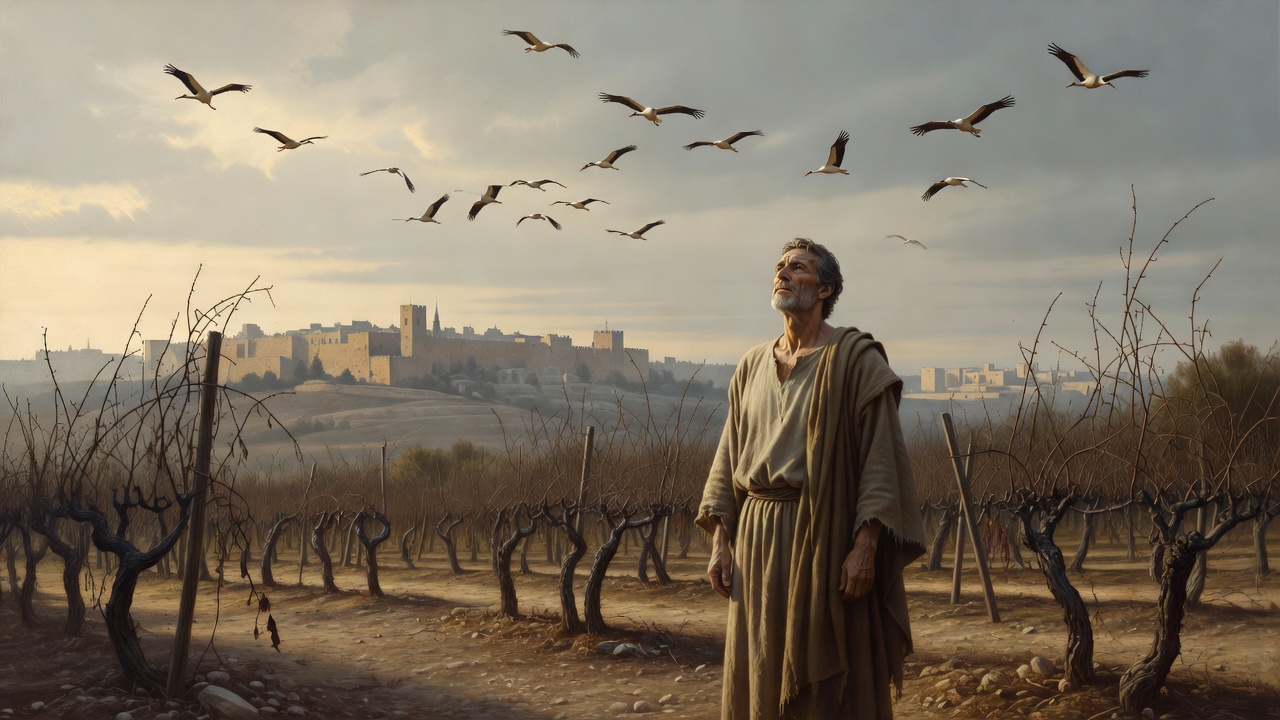
- Jeremiah contrasts the natural instincts of migrating birds, such as storks, turtledoves, swifts, and thrushes, with the behavior of the people of Jerusalem. While birds instinctively know their appointed seasons and migration times, the people stubbornly refuse to turn back to God.Sources: the Bible text itself · Jerusalem
- The warning that the snorting of enemy warhorses is heard from Dan points to an invasion entering from the far north. Dan was located in the northernmost territory of the land, indicating that the destructive foreign army was already sweeping inward.Sources: the Bible text itself · Dan
- The prophet's cry, 'Is there no balm in Gilead?', evokes Gilead, a mountainous region situated east of the Jordan River. Jeremiah uses imagery of physicians and medicinal remedies from this region to lament the untreated moral and physical collapse of his nation.Sources: the Bible text itself · Gilead
Notes written with AI assistance from open sources (Theographic Bible Metadata, CC BY-SA 4.0; Easton’s Bible Dictionary, public domain) and reviewed before publishing.
Places in this chapter
- Jerusalem · 31.777, 35.234 · verses 1, 5
- Dan · Today: Tel Dan · 33.249, 35.652 · verse 16
- Zion · Today: Jerusalem · 31.777, 35.234 · verse 19
- Gilead · Today: Gilead 1 · 32.187, 35.692 · verse 22
Only places identified with high confidence are shown (90% or more according to the scholarly sources compiled by OpenBible). Period map: DARE (Digital Atlas of the Roman Empire), CC BY 4.0; modern map: © OpenStreetMap contributors; places: OpenBible.info (CC BY 4.0).
Credits and license for this translation
KAKAƗYARI NIUKIEYA XAPAYARI WIXARIKAKƗ
The Holy Bible in the in Huichol language of Mexico, 2020 edition
La Santa Biblia en lengua huichol de México, edición 2020
copyright © 2020 Wycliffe Bible Translators, Inc.
Language: Huichol
Translation by: Wycliffe Bible Translators, Inc.
Huichol [hch], Mexico
Copyright Information
© 1988-2020, Wycliffe Bible Translators, Inc.
This translation text is made available to you under the
terms of the Creative Commons License: Attribution-Noncommercial-No Derivative Works.
( http://creativecommons.org/licenses/by-nc-nd/3.0/ )
In addition, you have permission to port the text to different file formats, as long as you
do not change any of the text or punctuation of the Bible.
You may share, copy, distribute, transmit, and extract portions
or quotations from this work, provided that you include the above copyright
information:
You must give Attribution to the work.
You do not sell this work for a profit.
You do not make any derivative works that change any of the actual words or punctuation of the Scriptures.
Permissions beyond the scope of this license may be
available if you contact
us with your request.
The Holy Bible
in Huichol
© 1988-2020, Wycliffe Bible Translators, Inc.
This translation is made available to you under the terms of the
Creative Commons Attribution-Noncommercial-No Derivatives license 4.0.
You may share and redistribute this Bible translation or extracts from it in any format, provided that:
You include the above copyright and source information.
You do not sell this work for a profit.
You do not change any of the words or punctuation of the Scriptures.
Pictures included with Scriptures and other documents on this site are licensed just for use with those Scriptures and documents.
For other uses, please contact the respective copyright owners.
2025-09-03
Source: http://ebible.org/hch/ · eBible.org