Jeremiah 10
KAKAƗYARI NIUKIEYA XAPAYARI WIXARIKAKƗ · Tap a verse to see its cross-references.
Kakaɨyari meta kakaɨyarixi
1'Ixaheritsixi teɨteriyari, xekeneu'eni Yawé niukieya. 2Mɨpaɨ kanaineni:
«Xeme xepɨkawa'ɨkeni hipatɨ nuiwarite kememɨteyurie,
meta xepɨkamamaka 'inɨari muyuawitsie miemekɨ,
tsepa hipatɨ nuiwarite memimakaxe.
3Teɨteri wayeiyari
tixaɨtɨ pɨkatihɨkɨ.
Kɨye mepawiteke 'ɨtsita,
kɨyekɨ mɨti'uximayatawe pititsatsewe.
4Hurukɨ meta pɨratakɨ witsi'aneme mepayeitɨwa,
kɨrapuxikɨ menikutseiriyani meta titsunamekɨ
mɨkawatayuanenikɨ.
5»Wakakaɨyarixima mepɨkaniuwawe,
'ewieri wikixi wamariutame hepaɨ mepɨtematsiɨkɨ
xutsi ma'etsietsie muwe hepaɨ.
Peuyewetse memɨkɨtɨkietɨweni
memɨka'ɨkɨniwawekɨ.
Xepɨkawamakarɨka,
'axamemɨxe'uyurieni mepɨkayɨwawe,
metatsiere 'aixɨa memɨxe'uyurieni».
6Yawé, xewitɨ pumawe 'ahepaɨ 'anetɨ.
Pepɨmariwe 'ekɨ,
'ekɨ yemekɨ pepɨmariwe meta pepɨtɨrɨkaɨye.
7¿Kemɨ'ane pɨka'itimakani, yunaime nuiwarite Tiwa'aitɨwame?
'Ekɨ mɨpaɨ pɨreuyewetse 'ahetsiemieme.
Yunaitɨ memɨtemaiwawe memu'uwa watsata,
meta yunaitɨ te'aitamete watsata,
xewitɨ pumawe 'ahepaɨ 'anetɨ.
8Yunaitɨ mepɨka'u'iyari 'axamemɨteyurienikɨ xeikɨa pɨwanake,
kɨyexi kakaɨyarixiyari 'ɨxatsitamete mepɨhɨkɨ wahetsiemieme.
9Taritsi paitɨ patɨwa pɨrata 'etsimutsutsui,
meta 'Upatsi huru patɨwa.
Memɨkakakaɨyarixi wa'ɨkiyari, mɨtataɨrawi meta mɨxeta memanakatɨtɨka,
teɨteri tewewiwamete meta tepɨa kwaniyamete
mɨkɨ yunaitɨ wawewiya mepɨhɨkɨ.
10Peru Yawé xeikɨa yuri Kakaɨyari kanihɨkɨtɨni,
Kakaɨyari mayeyuri, yuheyemekɨ Ti'aitame.
Kepauka muyeha'arɨwe, kwie kanewatayuaneni,
nuiwarite haxɨaya memunewieni mepɨkayɨwawe.
11«Mɨpaɨ pepɨtiwatahɨawe: “Mɨkɨ kakaɨyarixi muyuawi memɨka'utawewi meta kwie, mekanikumawerikuni 'ena kwiepa meta muyuawi hetɨa”».
12Kakaɨyari kwie kaniutawewieni yutɨrɨkariyakɨ,
kemɨtimaiwekɨ kwie 'aixɨa katiniuyeni,
muyuawi 'ayeume kanayeitɨani kemɨtimaiwekɨ.
13Kepauka mɨkɨ mɨtaniuni,
tɨranarikɨ haa muyuawitsie pakaneika,
hai kanewa'iniwani
kwie manuye'atɨka paitɨ.
Mimierɨkaritsata wiyeri kaneyenɨ'awani,
meta 'eka muye'ɨnetɨkatsie peiyepiwa.
14Teɨteri 'atsimemɨkatemate meta memɨte'ukatawe'erie mepɨhɨkɨ,
kakaɨyarixi wawewiwamete mepuyutetewiya yuwewiyakɨ.
Tita memɨtewewie pɨti'itarika,
meta mepɨka'ayeneniere.
15Tixaɨtɨ mepɨkateyunaki'erie, wawewiya pɨnanaiyɨkɨ xeikɨa,
kepauka tukari maye'ani memɨtekwinitɨarienitsie, mepɨka'unarieni.
16Kakaɨyari Kakuwu manayexei nuiwarieya mayanikɨ mɨkɨ wahepaɨ pɨka'ane,
matsi mɨkɨ naime mɨtiunetɨa kanihɨkɨtɨni,
Yawé Naimekɨmɨtɨrɨkaɨye katinitewaka,
meta nuiwarieya 'Ixaheri kanihɨkɨtɨni.
Kememɨteka'unarieni peutihura
17'Apiinite ketineukuteɨxi kwiepa,
'ekɨ 'akiekari manutinamie.
18Karikɨ mɨpaɨ kanaineni Yawé:
«Hikɨrixɨa 'ikɨ kwieyaritsie kiekatari 'ateewa neniwarexɨrimɨkɨ
texupamekɨ nemɨwarexɨrieni hepaɨ.
Hura meti'uitɨariekame nekaniwarayeitɨamɨkɨ,
meta yanekatiniwapitɨamɨkɨ mɨkɨ memɨtiwiyarienikɨ».
19Xɨa'ui ne, nepeutimurariexɨa.
Kenemɨtiukwinitɨarie pɨkayu'uayemarinɨa.
Peru pɨnekwiniya
peuyewetse neminewieka.
20Naitɨ nexamaru puka'unarie,
meta naitɨ pɨteteki nekaunarite.
Neniwema 'ukitsi yunaitɨ mepɨnetsi'uku'eiri,
mepɨka'u'uwari.
Xewitɨri pumawe nexamaru mɨtawewieni,
meta ne'ixuriki kiiyari mɨkawieni.
21Muxatsi wahɨwemete 'atsimekatemaitɨ mepakɨ,
Yawé mepɨka'utiwau,
'ayumieme kememɨteku'eriwakai yapɨkatiuyɨ,
wamuxatsi naitsarie mepeutaxɨriexɨa.
22Xekeneu'enana. Niuki kani'atɨarieni.
Tɨranari 'upamie tayeta kiekatari wahetsɨa payeneni,
Kura kiekariyari tepayani
yawixi memayu'eririya wakie, kii 'unimeyari kwinienetɨ muwe kanayeimɨkɨ.
Keremiyaxi nenewierieya
23Yawé, ne nepɨtimate tewi
yutukari pɨkakutsiyari,
pɨkapitɨarie yeikame
kemɨtinake mumieni.
24Yawé, keneneutaheitseritɨa perutsɨ heitseriemekɨ,
hawaikɨ 'ahaxɨakɨ, mɨpaɨ pekaneniuka'unaweni.
25Hipame nuiwarite wahetsie pɨta 'ahaxɨa keneukanɨ'a,
memɨkamatsimate wahetsie,
meta 'iya memɨkamatsihahɨawe wahetsie.
Karikɨ Kakuwu mekaniutakwani,
naime mekanaxɨni,
meta kiena makumawe mekanayeitɨani.
Did you know?
The Living God and the Worthlessness of Idols
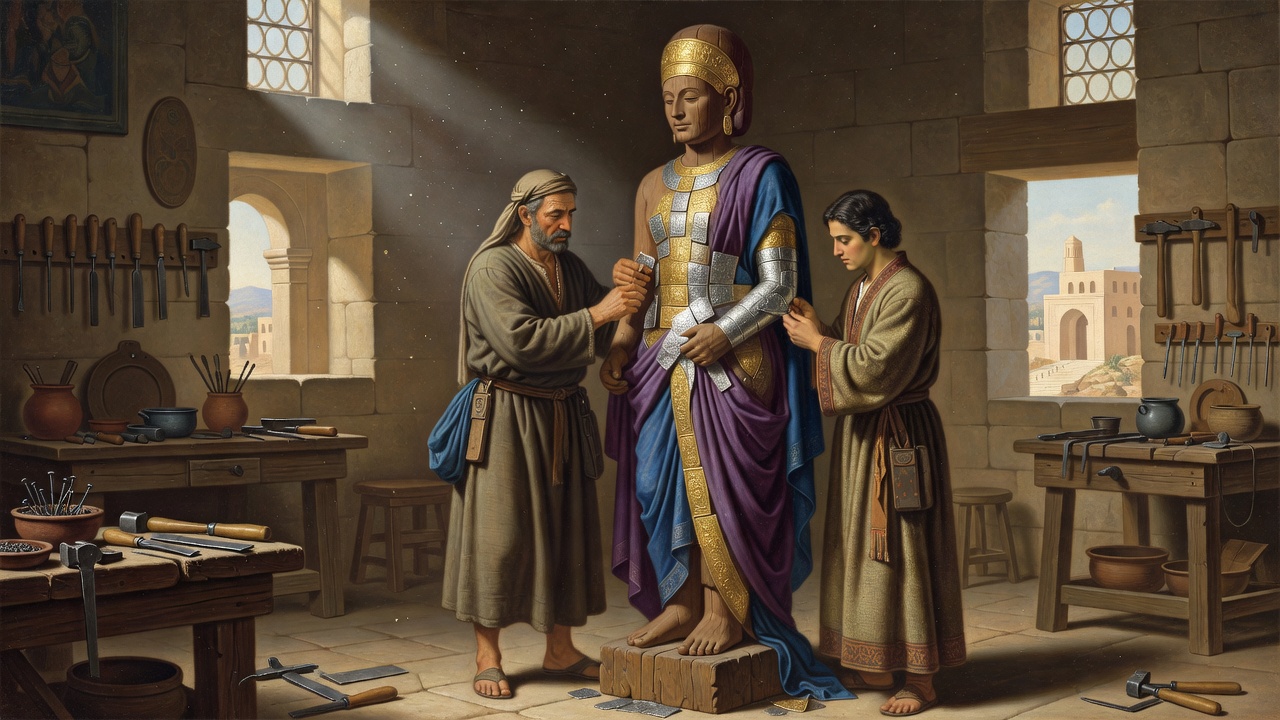
- Jeremiah notes that artisans adorned wooden idols with hammered silver imported from Tarshish—often identified with a Phoenician port in Spain—and gold from Uphaz, a location some consider another name for Ophir.Sources: the Bible text itself · Tarshish · Uphaz
- The prophet compares manufactured idols to scarecrows in a cucumber patch, emphasizing that they cannot speak, must be carried because they cannot walk, and must be fastened with hammer and nails so they will not topple over.Sources: the Bible text itself
- Alongside warnings against foreign idolatry, Jeremiah tells the besieged people of Judah to pack their belongings, foretelling a destructive commotion arriving from the north that will turn cities into desolation.Sources: the Bible text itself
Notes written with AI assistance from open sources (Theographic Bible Metadata, CC BY-SA 4.0; Easton’s Bible Dictionary, public domain) and reviewed before publishing.
Places in this chapter
- Jerusalem · 31.777, 35.234 · verse 17
Only places identified with high confidence are shown (90% or more according to the scholarly sources compiled by OpenBible). Period map: DARE (Digital Atlas of the Roman Empire), CC BY 4.0; modern map: © OpenStreetMap contributors; places: OpenBible.info (CC BY 4.0).
Credits and license for this translation
KAKAƗYARI NIUKIEYA XAPAYARI WIXARIKAKƗ
The Holy Bible in the in Huichol language of Mexico, 2020 edition
La Santa Biblia en lengua huichol de México, edición 2020
copyright © 2020 Wycliffe Bible Translators, Inc.
Language: Huichol
Translation by: Wycliffe Bible Translators, Inc.
Huichol [hch], Mexico
Copyright Information
© 1988-2020, Wycliffe Bible Translators, Inc.
This translation text is made available to you under the
terms of the Creative Commons License: Attribution-Noncommercial-No Derivative Works.
( http://creativecommons.org/licenses/by-nc-nd/3.0/ )
In addition, you have permission to port the text to different file formats, as long as you
do not change any of the text or punctuation of the Bible.
You may share, copy, distribute, transmit, and extract portions
or quotations from this work, provided that you include the above copyright
information:
You must give Attribution to the work.
You do not sell this work for a profit.
You do not make any derivative works that change any of the actual words or punctuation of the Scriptures.
Permissions beyond the scope of this license may be
available if you contact
us with your request.
The Holy Bible
in Huichol
© 1988-2020, Wycliffe Bible Translators, Inc.
This translation is made available to you under the terms of the
Creative Commons Attribution-Noncommercial-No Derivatives license 4.0.
You may share and redistribute this Bible translation or extracts from it in any format, provided that:
You include the above copyright and source information.
You do not sell this work for a profit.
You do not change any of the words or punctuation of the Scriptures.
Pictures included with Scriptures and other documents on this site are licensed just for use with those Scriptures and documents.
For other uses, please contact the respective copyright owners.
2025-09-03
Source: http://ebible.org/hch/ · eBible.org