Jeremiah 7
KAKAƗYARI NIUKIEYA XAPAYARI WIXARIKAKƗ · Tap a verse to see its cross-references.
Yeiyari yakɨ mɨhɨkɨ
1'Ikɨ kanihɨkɨtɨni Yawé niukieya Keremiyaxi hetsɨa mɨye'a: 2«Yawé tukieya kitenieyari hɨxie keneutakexi, hikɨ mana pe'uwetɨ 'ikɨ niuki keneutaxata: Xekeneu'eni Yawé niukieya, xeme yunaitɨ, Kura kwieyaritsie kiekatari kemɨ'ane 'uwa xemeutahake 'ikɨ kitenieyaritsie Yawé xemayexeiyanikɨ. 3Mɨpaɨ kanaineni Yawé Naimekɨmɨtɨrɨkaɨye, 'Ixaheri Kakaɨyarieya: “'Aixɨa xete'u'uwatɨ xekenakɨni meta 'aixɨa xeteyurietɨ, hikɨ ne nepɨxepitɨaka 'axemu'uwanikɨ 'akuxi 'ikɨ kwieyaritsie. 4'Ipaɨ memutiyuane wahetsie xepɨkatewiyani: ‘'Ikɨ kanihɨkɨtɨni Yawé tukieya Yawé tukieya, Yawé tukieya’. 5Xɨka yurikɨ 'aixɨa xete'u'uwatɨ xehakɨne meta 'aixɨa xeteyurietɨ, xɨka yurikɨ heitserie xe'u'uwatɨ xehakɨne xeyunaitɨ, 6xɨka teewatanaka xekananaimaka meta nutui metatsiere wiura, xɨka xekawakwika teɨteri 'atsimemɨkateyurie 'ikɨ kwieyaritsie, hipame xɨka kakaɨyarixi xekakawarayexeiyani, kɨmana xeme 'axaxemuyuyurieni, 7hikɨ 'ana nepɨxepitɨani xemu'uwanikɨ 'ikɨ kwieyaritsie, kwie xe'ukiyarima nemɨwayetuiritsie yuheyemekɨ.
8»”Peru xeme matsi niuki 'itarikatsie xepɨtewiya, tixaɨtɨ mɨkatiyunaki'erietsie. 9Xepɨtenawaya, xepɨteyumemiwa, hipame wa'ɨitama xepuwakumaɨwa, 'itarikakɨ xepɨteyɨhɨritɨa, Wahari 'ɨkwa xepɨtairietɨwe, hipame kakaɨyarixi xepuwaruweiya hatsuaku xemɨkawaretima, 10'ariketa mekani'axeni nehɨxie 'ikɨ tukita kenemɨtitewakɨ mutaterɨwarɨwa, hikɨ 'ana mɨpaɨ meputiyuane: ‘Teputawikweitsitɨarie’, tawarita tita mɨtixani'eriwa naime tete'uweiyatɨ temuhunikɨ. 11¿Kamɨtsɨ xeme mɨpaɨ xetemate 'ikɨ netuki kenemɨtitewakɨ mutaterɨwarɨwa tenawayamete waterɨ tihɨkɨ? Ne mɨpaɨ nekatinixeiyani —Yawé mɨpaɨ kanaineni—.
12»”Xekenehu hikɨ Tsiru paitɨ netuki manuwekai, hakewa matɨari nemayekateita, mana xekenenenieri kenemiyuri teɨteri 'ixaheritsixi 'axamemɨteyuriekaikɨ”». 13Yawé mɨpaɨ kanaineni: «“Hikɨta yaxeikɨa xeme xepɨteyurie, meta yaxeikɨa mɨixari nepɨxe'utahɨawixɨ xemeta xepɨkaheu'enana, hikɨta nemɨxe'utahɨawixɨ xemɨkanetsi'anu'enikɨ, 14kenemɨtiuyuri Tsiru mɨpaɨta netiniyurimɨkɨ 'ikɨ tuki kenemɨtitewakɨ mutaterɨwarɨwa hepaɨtsita hetsiena xemɨtewiya, metatsiere kwie nemɨxeyetuiri meta xe'ukiyarima. 15Nepɨxe'ayenɨ'ani nehɨxie nepɨkaxexeiyani, xe'iwama kenemɨwaruyuri hepaɨ, yunaime 'Epɨrahini xiɨyarimama”.
16»'Ekɨta Keremiyaxi, 'ikɨ teɨteri wahetsiemieme pepɨkanetsihahɨaweni. Waɨriyarika pepɨkanetsipitɨaka wahetsiemieme penetsiwawirietɨ. Pepɨkayeweka, ne nepɨkamatsi'enieni. 17¿Tamɨ pekatiniere kememɨteyurie Kura kiekariyaritsie meta Kerutsareme kayeyari 'utɨma? 18Tɨɨri kɨyexi mepukuxexeɨriwa, wapaapama tai mana mepukutaiya, meta 'ukarawetsixi tɨxi mepɨkuhawiya tsuira memɨtiwewienikɨ “'uka muyuawitsie ti'aitame” titewakame memɨtimawirienikɨ. Metatsiere nehɨxie 'axamekateniyurieka kepauka kaxie winuyari memɨtiyeuriwa hipame kakaɨyarixi wahetsiemieme». 19Yawé mɨpaɨ kanaineni: «Peru ne 'axamepɨkanetsiyurie, yuxaɨta mekaniyuyurieka, mekanitewiyatsitɨariekuni.
20»'Ayumieme Yawé naimekɨmɨyɨwe mɨpaɨ kanaineni: “'Ena nehaxɨa nekananɨ'amɨkɨ: teɨteri wahetsie meta tewaxi wahetsie, kɨyexi yeuta mieme hetsie meta 'ikwaxi 'ena kwiepa mɨtixuawetsie, nehaxɨa pɨtaka pɨkayɨtɨnɨaka”.
21»Mɨpaɨ kanaineni Yawé Naimekɨmɨtɨrɨkaɨye, 'Ixaheri Kakaɨyarieya: “Xekeneukuxeɨri yumawari taiyariyari meta mawari, wai xekenetikwa'i. 22Yurikɨ, kepauka xe'ukiyarima nemɨwarayewitɨ 'Ekipitu ne tixaɨtɨ nepɨkatiwaruta'aitɨa mawari taiyariyari meta mawari hepaɨtsita. 23Ne xeikɨa 'ipaɨ nekatiniwarutahɨawe: ‘Xekeneneu'enieka. Ne 'ana xekakaɨyari nepɨhɨkɨtɨni, xemeta neteɨterima. Xekeneu'uwani kehepaɨ nemɨtixe'uta'aitɨa, 'aixɨa 'iyari 'axemu'uwanikɨ’. 24Peru mɨkɨ mepɨkanetsi'anu'eni yamepɨkatekakɨ, yu'iyari mɨkaheu'ena meta 'axamɨtiuka'iyari pɨta kemɨtiwakɨhɨawekai mepanukuwei. Mɨpaɨ me'ɨyɨka mekanewa'uni pɨta, yukutama mekaniyekɨne. 25Kepauka paitɨtɨ 'Ekipitu nemɨwarayewitɨ xe'ukiyarima, nepɨkatihayewa neniukamete newarenɨ'awatɨ. 26Mɨyatɨtɨ yamepɨkatekakɨ mepɨkanetsi'anu'eni, matsi yu'iyari meputseiriyaxɨ yu'ukiyarima wareuyeta mete'u'iyaritɨ mepakɨ”.
27»'Ekɨ 'ikɨ naime pepɨtiwataxatɨani, peru mɨkɨ mepɨkamatsi'enieni. Pepɨwatahɨawe peru mepɨkamatsita'eiya. 28Hikɨ mɨpaɨ pepɨtiwatahɨawe: “'Ikɨ nuiwari mepɨhɨkɨ Yawé yukakaɨyari niukieya memɨka'u'eni, muwataheitseritɨanikekai memɨka'itanaki'eri. Tita yuri mɨraine wahetsie pumawe meta wateta.
29»”'Akɨpate keneukaxika, kenewiwi,
kenetsuamie hɨri mumetsetsie paitɨ,
Yawé mɨwarexɨrikɨ muwaruku'eirikɨ
'iya nuiwari memiyehaxɨatɨa”».
Mayeweritsie Yuwaɨkawatɨ Memakwi'iwaxɨ
30»Mɨpaɨ kanaineni Yawé: “Kura nuiwarimama 'axamekateniuyurieni tita nemɨtixani'eriekɨ. Netuki kenemɨtitewakɨ mutaterɨwarɨwa kapatsiekame mekanayeitɨani, muwa kakaɨyarixi memɨxani'eriwa mekaniwareuta'uitɨani. 31Yaxeikɨata watuki mekaniutawewieni Tupeti mieme, mayeweritsie Weni-Hinuni, mana memɨwatitaiyanikɨ yuniwema 'ukitsi meta 'ukari, nihatsuaku tɨma mɨpaɨ nemɨkatiu'aitaxɨ nitɨma mɨpaɨ nemɨkatiunehɨawixɨ”. 32Mɨpaɨ kanaineni Yawé: “'Ayumieme tukari kanaye'amɨkɨ kepauka Tupeti mɨkatiuterɨwarɨwanitsie meta mayeweri Weni-Hinuni, matsi pɨta Mayeweritsie Yuwaɨkawatɨ Memakwi'iwaxɨ pɨtiuterɨwarɨwani, mumawenikɨ kwie Tupeti paitɨ mekanikateukiwakuni mana memɨtikwikwiwani. 33'Ikɨ teɨteri wawaiyari wirɨkɨxi wa'ikwai pɨrayani meta yeutari, xewitɨ 'apɨka'uyeikani mɨwatamariutakɨ. 34Kura kiekariteyaritsie meta Kerutsareme kayeyaritsie yanepɨtiyurieni temawierika hiwariyari mukumawerekɨ, meta neneɨkeme kwikarieya metatsiere wikiwame kwikarieya, karikɨ naitɨ 'ikɨ kwieyari makumawe kanayeimɨkɨ”.
Did you know?
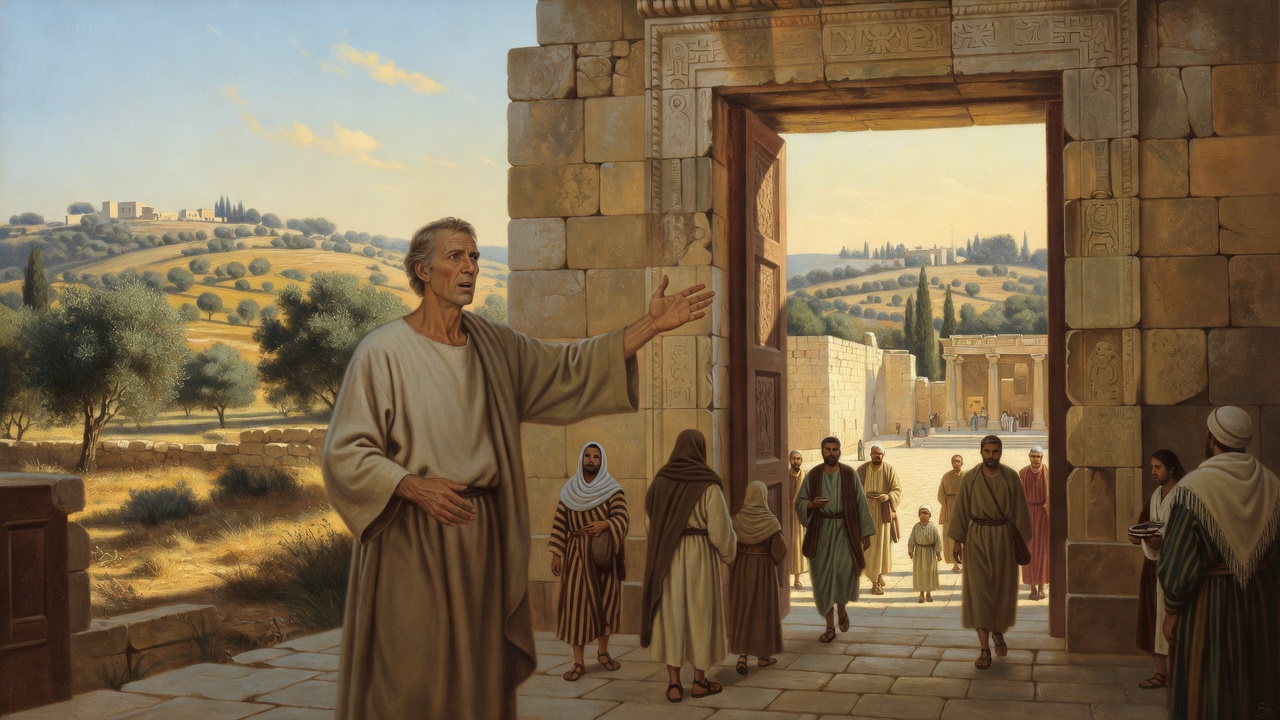
The Temple Sermon and False Security
- The people of Judah believed the presence of the temple in Jerusalem guaranteed divine protection. Jeremiah countered this assumption by pointing to Shiloh, an earlier sanctuary in the territory of Ephraim that God had abandoned because of the people's wickedness.Sources: the Bible text itself · Shiloh · Ephraim
- The chapter depicts idolatry as a full family endeavor in the streets of Jerusalem, where children gathered wood, fathers kindled fires, and women baked cakes for foreign deities alongside offerings made to Baal.Sources: the Bible text itself · Baal · Jerusalem
- Jeremiah condemned the practice of child sacrifice at Topheth in the Valley of Hinnom, announcing that the site of these rites would be renamed the Valley of Slaughter due to the coming judgment.Sources: the Bible text itself · Topheth · Valley of the Son of Hinnom · Valley of Slaughter
Notes written with AI assistance from open sources (Theographic Bible Metadata, CC BY-SA 4.0; Easton’s Bible Dictionary, public domain) and reviewed before publishing.
Places in this chapter
- Shiloh · Today: Khirbet Seilun · 32.056, 35.290 · verses 12, 14
- Jerusalem · 31.777, 35.234 · verses 17, 29, 34
- Egypt · 30.129, 31.308 · verses 22, 25
- Topheth · Today: in the Hinnom Valley · 31.769, 35.228 · verses 31, 32
- Valley of Hinnom · Today: Hinnom Valley · 31.769, 35.228 · verses 31, 32
Only places identified with high confidence are shown (90% or more according to the scholarly sources compiled by OpenBible). Period map: DARE (Digital Atlas of the Roman Empire), CC BY 4.0; modern map: © OpenStreetMap contributors; places: OpenBible.info (CC BY 4.0).
Credits and license for this translation
KAKAƗYARI NIUKIEYA XAPAYARI WIXARIKAKƗ
The Holy Bible in the in Huichol language of Mexico, 2020 edition
La Santa Biblia en lengua huichol de México, edición 2020
copyright © 2020 Wycliffe Bible Translators, Inc.
Language: Huichol
Translation by: Wycliffe Bible Translators, Inc.
Huichol [hch], Mexico
Copyright Information
© 1988-2020, Wycliffe Bible Translators, Inc.
This translation text is made available to you under the
terms of the Creative Commons License: Attribution-Noncommercial-No Derivative Works.
( http://creativecommons.org/licenses/by-nc-nd/3.0/ )
In addition, you have permission to port the text to different file formats, as long as you
do not change any of the text or punctuation of the Bible.
You may share, copy, distribute, transmit, and extract portions
or quotations from this work, provided that you include the above copyright
information:
You must give Attribution to the work.
You do not sell this work for a profit.
You do not make any derivative works that change any of the actual words or punctuation of the Scriptures.
Permissions beyond the scope of this license may be
available if you contact
us with your request.
The Holy Bible
in Huichol
© 1988-2020, Wycliffe Bible Translators, Inc.
This translation is made available to you under the terms of the
Creative Commons Attribution-Noncommercial-No Derivatives license 4.0.
You may share and redistribute this Bible translation or extracts from it in any format, provided that:
You include the above copyright and source information.
You do not sell this work for a profit.
You do not change any of the words or punctuation of the Scriptures.
Pictures included with Scriptures and other documents on this site are licensed just for use with those Scriptures and documents.
For other uses, please contact the respective copyright owners.
2025-09-03
Source: http://ebible.org/hch/ · eBible.org