Jeremiah 17
KAKAƗYARI NIUKIEYA XAPAYARI WIXARIKAKƗ · Tap a verse to see its cross-references.
1«Kura ke'axamɨtiuyuri katina'utɨarieni
tepɨa manuyemɨtsɨkɨ,
kana'utɨarieni tepɨa 'atsimɨkayɨwekɨ,
tete mɨxixiya 'iyariyaritsie
meta mawari taiyameyate 'awateyatsie.
2'Aixɨa mepɨtehe'eriwa xeniwema 'ukitsi
xemawari taiyamete kɨyexi mɨ'e'etɨ hetɨa muwetɨka,
meta 'uka 'Atserá kakaɨyariyari 'ɨkiyari yemuri 'amanutitɨtɨtsie muwetɨka
3meta nehɨritsie mɨhekɨatsie.
»Naime tita waɨkawa pemɨrexeiya hipame kuyaxi nekatiniwayetuiriemɨkɨ,
'apiinite mɨraye'atɨka meta 'atukite 'etsimupepe,
naime ke'axapemɨtiuyurikɨ
naime 'akwieyaritsie.
4'Akɨmana pekatineuyehɨamɨkɨ
tita nemɨmatiumikai.
Waɨriyarika ti'uximayatame nepɨmatsihayeitɨani memɨmatsi'aye'unie wahetsɨa,
xeime kwieyaritsie pemɨka'imatetsie,
nehaxɨa pemutaiyaxɨkɨ,
mɨkɨri yakatinitakamɨkɨ yuheyemekɨ».
5Yawé mɨpaɨ kanaineni:
«Tewi 'axake'itɨarieka kemɨ'ane tewitsie mɨtiwiya.
Tewi 'axake'itɨarieka kemɨ'ane yɨtɨrɨkariya hetsie mɨtiwiya
meta yu'iyari mukupata Yawé hetsie mɨkatiwiyanikɨ.
6'Ɨtsi hepaɨ 'anetɨ kanayeimɨkɨ makumawetsie muwe hepaɨ:
'atsipɨkaretimani kepauka tukari 'aixɨa mɨ'ane munuani.
Makuwakitsie kaniuwemɨkɨ,
'una kwieyaritsie, xewitɨ mɨkahanuyeika.
7»'Aixɨa ke'itɨarieka tewi Yawé hetsie mɨtiwiya,
meta yuri mɨti'erie hetsiena.
8Kɨye muka'iteɨtsie hatetsita hepaɨ 'anetɨ kanayeimɨkɨ,
nanarieya hapa meukayuyune,
mɨka'ukama xɨri tsepa munua,
xawariyari yamɨtitsitsiɨrawi.
Mɨtiukuwauketsie mɨkayu'iyaritɨa,
meta mɨkatihayewa 'ikwaxi 'ukaxuaweriyatɨ».
9Tixaɨtɨ pɨtiumawe 'iyari hepaɨ tiyukwamanatɨ.
'Aixɨa miyurieni pɨkayɨwe.
¿Kemɨ'ane pɨyɨwe meitimanikɨ?
10«Ne Yawé, 'iyari 'awie nepɨxeiya,
meta kemɨtiku'eriwa nepɨ'inɨata,
yanemɨtiwapitɨanikɨ yuxexuime kememɨteyurie
meta yuxexuitɨ kememɨte'ukaxuxuawere».
11Kemɨ'ane muyuxikutɨane kemɨtiheitseriekɨ kayɨanetɨ
mɨkɨ wiki kayutawári mɨtsiniya hepaɨ kani'aneni.
Yutukari hixɨapa katineuyehɨamɨkɨ,
'imatɨrieka mɨkɨ ka'uka'iyaritɨ kanayeimɨkɨ.
12'Uweni mɨxawatɨ,
tsutɨa paitɨ mariweme mayeitɨariwa,
muwa tatuki kanihɨkɨtɨni.
13Yawé, 'ekɨ 'ixaheritsixi memɨmatsitakwewie pepɨhɨkɨ,
kemɨ'ane memɨmatsiku'eirieni mekanitewiyatsitɨariekuni.
Kemɨ'ane matsihatɨmaiya
kwiepa mɨra'utsieni hepaɨ 'anetɨ puyuhayewa,
Yawé muku'eirikɨ,
haixa mayeyuri mɨhɨkɨ.
14Yawé, keneneu'uayema nemanayewenikɨ,
keneneutawikweitsitɨa, nepɨwikweitsitɨarieka,
karikɨ 'ekɨ xeikɨa nekwikari pekanihɨkɨtɨni.
15Yunaitɨ mɨpaɨ mekateniu'iwawani:
«¿Hakewa kuta Yawé niukieya?
Matsiɨkɨtɨ kehayuyeitɨani».
16Peru ne nepɨkanemexɨitɨa
nemɨmatsiku'eirienikɨ meta muxatsi wahɨweme 'ahetsiemieme nehɨkɨtɨtɨ netihayewake,
meta yanepɨkara'eriwa 'uximatɨarika tukariyari 'umamienikɨ.
'Ekɨ pepɨtimate kenemutaine,
'ahɨxietsɨ nekaniutayɨni.
17Marika nehetsiemieme pepɨkahɨkɨtɨni,
'ekɨ netsi'awiwietame pepɨhɨkɨ kepauka 'uximatɨarika muxuawenitsie.
18Tewiyarika pepɨkanetsipitɨaka,
mɨkɨ pɨta keniwarutewiyarikatsitɨa.
Pepɨkanetsimariutani,
mɨkɨ pɨta keniwamariutani.
Tukari kwaniweme keniwaranɨ'airi,
tsepari keniwaruka'una yuheyemekɨ.
Xawati 'uxipiya tukari
19Yawé mɨpaɨ kanetiniutahɨawe: «Kenemie kiekari kitenie keneukexi, Kura kwieyaritsie te'aitamete memanutakɨkatsie meta memanayekɨkatsie, metatsiere naime Kerutsareme kitenieyaritetsie, 20mɨpaɨ ketiniwarutahɨawi: “Yawé niukieya xekeneu'eni, Kuratsie te'aitamete meta yunaitɨ teɨteri Kura kiekatari metatsiere yunaitɨ Kerutsareme kiekatari 'ikɨ kitenieyaritetsie xemeutahake. 21Yawé mɨpaɨ kanaineni: ‘Xekeneyukweriwayurieka 'ika xepɨka'utitɨkɨni xawatikɨ meta xepɨkatehanutatɨkɨni 'ena Kerutsareme kitenieyaritetsie. 22Metatsiere yukiita xepɨkatehewayetɨkɨni xawatikɨ, meta 'etsiwa tɨma xepɨkate'uximayaka. Xekena'eriwani xawati 'uxipiya tukari, kehepaɨ nemɨtiwaru'aitɨa xetutsima. 23Peru mɨkɨ mepɨkanetsihanu'eni yamepɨkatekakɨ, matsi pɨta mekaheu'enanatɨ mepayuyeitɨa, memɨ'enananikɨ mepɨka'uyuwaɨri meta memɨta'ɨxatsitɨarienikɨ’.
24»”Yawé mɨpaɨ kanaineni: ‘Xɨka yurikɨ xenetsihanu'enieni, xɨka xawatikɨ 'ika xeka'anutatɨtɨkɨne 'ikɨ kiekari kitenieyaritetsie, matsi xɨka xehe'eriwani 'ikɨ tukari tixaɨtɨkɨ xekate'uximayatɨ, 25hikɨ 'ana mekaneutahaxɨakuni 'ikɨ kiekari kitenieyaritetsie te'aitamete meta memanuyetei, Rawiri 'uwenieyatsie mekanayaxikuni. Mɨkɨ mana mekaneutahaxɨakuni kaxetatetsie meta kawayutsixi wahetsie me'utetɨ, Kura teɨteriyari meta Kerutsareme kiekatari mekaniwarateɨtakakuni, hikɨ 'ana 'ikɨ kiekaritsie yuheyeme pɨkiepatɨni. 26Kura kiekariteyaritsie kiekatari mekani'axɨakuni meta Kerutsareme 'aurie kiekatari, Wenikamini kwieyaritsie kiekatari meta Tsepera kiekatari, mɨhɨriyatsie meta Nekexi kiekatari. Yawé tukita mekani'atɨakuni mawari mɨtataiyarieni, hatsite mawariyari meta 'ɨkwa, metatsiere pamɨpariyutsi mawariyari. 27Peru xɨka ne'aitsikatsie yaxekatekakɨne xawati xɨka xehatɨmaiya meta xɨka Kerutsareme kitenieyaritetsie 'ika xeteheutahatɨwani xawatikɨ, hikɨ 'ana 'itupariteya nekanitaiyaxɨamɨkɨ, kayutɨnɨakamekɨ meta paratsiyute kanititaimɨkɨ Kerutsareme miemete’ ”».
Did you know?
Trust, the Heart, and the Sabbath
- The iron stylus and diamond point were ancient tools used to carve deep, permanent inscriptions into hard stone or metal surfaces. Jeremiah invokes this image to emphasize that the idolatry of Judah was not a superficial slip, but deeply etched into their hearts and upon the horns of their altars.Sources: the Bible text itself
- Jeremiah contrasts a solitary shrub in the parched, salty desert with a flourishing tree planted by a stream. A tree with roots reaching into water stays green and continues bearing fruit even in years of drought, serving as an image of enduring life for those who trust in God rather than human strength.Sources: the Bible text itself
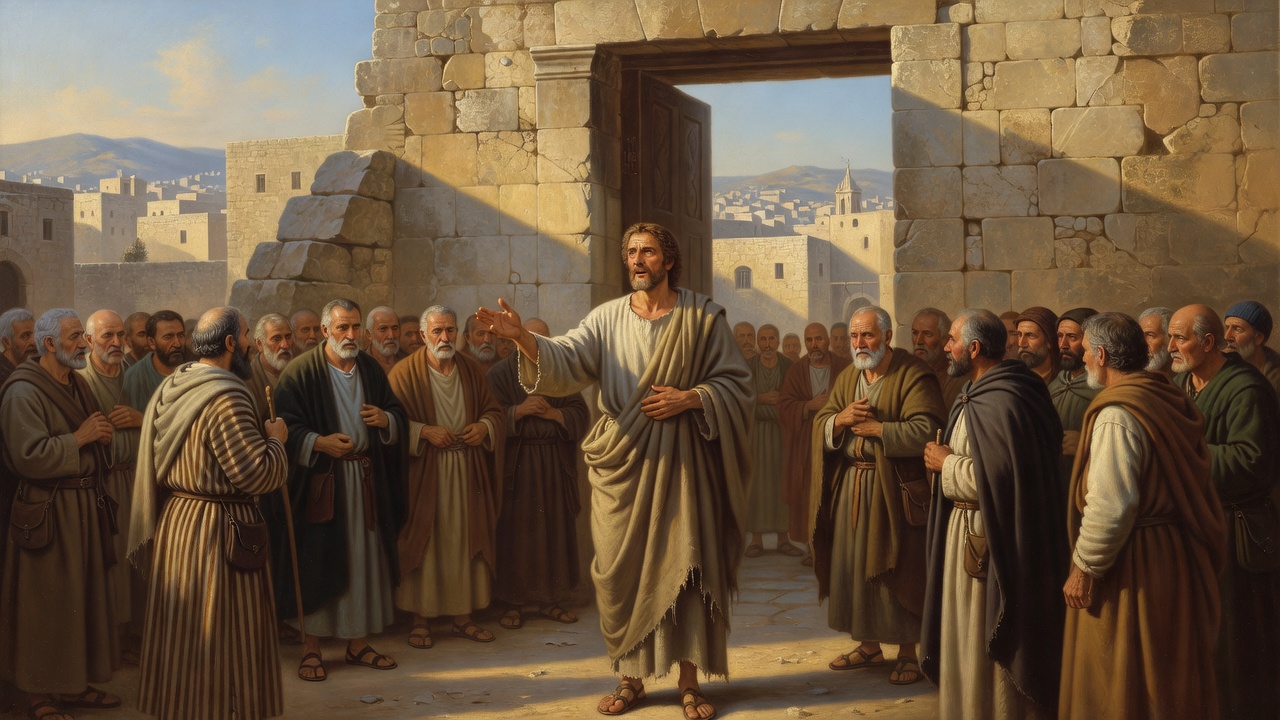
- Jeremiah was instructed to proclaim God's word at the gates of Jerusalem, specifically forbidding the carrying of commercial loads on the Sabbath. Keeping the Sabbath holy promised the continuation of kings on the throne of David and the arrival of worshippers from the territory of Benjamin, Judah, and the arid Negev.Sources: the Bible text itself · David · Benjamin (patriarch) · Jerusalem
Notes written with AI assistance from open sources (Theographic Bible Metadata, CC BY-SA 4.0; Easton’s Bible Dictionary, public domain) and reviewed before publishing.
Places in this chapter
- Arabah · 30.417, 35.151 · verse 6
- Jerusalem · 31.777, 35.234 · verses 19, 20, 21, 25, 26, 27
- People’s Gate · Today: in Jerusalem · 31.777, 35.234 · verse 19
- Negeb · 31.245, 34.841 · verse 26
- Shephelah · 31.692, 34.875 · verse 26
Only places identified with high confidence are shown (90% or more according to the scholarly sources compiled by OpenBible). Period map: DARE (Digital Atlas of the Roman Empire), CC BY 4.0; modern map: © OpenStreetMap contributors; places: OpenBible.info (CC BY 4.0).
Credits and license for this translation
KAKAƗYARI NIUKIEYA XAPAYARI WIXARIKAKƗ
The Holy Bible in the in Huichol language of Mexico, 2020 edition
La Santa Biblia en lengua huichol de México, edición 2020
copyright © 2020 Wycliffe Bible Translators, Inc.
Language: Huichol
Translation by: Wycliffe Bible Translators, Inc.
Huichol [hch], Mexico
Copyright Information
© 1988-2020, Wycliffe Bible Translators, Inc.
This translation text is made available to you under the
terms of the Creative Commons License: Attribution-Noncommercial-No Derivative Works.
( http://creativecommons.org/licenses/by-nc-nd/3.0/ )
In addition, you have permission to port the text to different file formats, as long as you
do not change any of the text or punctuation of the Bible.
You may share, copy, distribute, transmit, and extract portions
or quotations from this work, provided that you include the above copyright
information:
You must give Attribution to the work.
You do not sell this work for a profit.
You do not make any derivative works that change any of the actual words or punctuation of the Scriptures.
Permissions beyond the scope of this license may be
available if you contact
us with your request.
The Holy Bible
in Huichol
© 1988-2020, Wycliffe Bible Translators, Inc.
This translation is made available to you under the terms of the
Creative Commons Attribution-Noncommercial-No Derivatives license 4.0.
You may share and redistribute this Bible translation or extracts from it in any format, provided that:
You include the above copyright and source information.
You do not sell this work for a profit.
You do not change any of the words or punctuation of the Scriptures.
Pictures included with Scriptures and other documents on this site are licensed just for use with those Scriptures and documents.
For other uses, please contact the respective copyright owners.
2025-09-03
Source: http://ebible.org/hch/ · eBible.org