Jeremiah 16
KAKAƗYARI NIUKIEYA XAPAYARI WIXARIKAKƗ · Tap a verse to see its cross-references.
Kura yu'iyaritsie kemɨre'uxa
1Yawé niukieya nehetsɨa kaninuani mɨpaɨ kanetiniutahɨawe: 2«Pepɨka'utineneɨkeni, tɨɨri 'ukitsi meta 'ukari 'ena pepɨkawarayexexeiyani». 3Mɨpaɨ Yawé mainekɨ, tɨɨri 'ukitsi, 'ukari 'ena memutinunuiwaxɨ wahetsiemieme meta wamaamama memɨwarutiniwexɨ meta wapaapama 'ikɨ kwieyaritsie memɨwarutinuari wahetsiemieme: 4«Mekanikwikuni waɨkawame kwiniya 'axa'anenemekɨ. Xewitɨ pɨkayuhayewa mɨtatsuani wahetsiemieme meta mɨwakateukukɨ, kwiepa mekaniyuhayewakuni kwitarai hepaɨ. 'Ixipara meta haaka kaniwarakuxɨtɨamɨkɨ, wakaxari wirɨkɨxi meta yeutari wa'ikwai katinayeimɨkɨ».
5Yawé mɨpaɨ kanaineni: «Kiita pepɨkaheuhakeni hakewa memuyuhiwerie memɨwayeteitsie, wahamatɨa pepɨkahetatsuakani meta pepɨkawarenɨtɨaneni, karikɨ 'ikɨ teɨteri kayuwatɨ nemɨwarupitɨakai nekaniwarunawairieni meta nenaki'eriya metatsiere nemɨwanenimayakai —mɨpaɨ kanaineni Yawé—. 6'Ikɨ kwieyaritsie mekanikwikuni 'amemɨyumate meta 'etsimemɨyumate, xewitɨ pɨkayuhayewa wahetsiemieme mɨtatsuanikɨ, meta mɨwakateukukɨ, nixewitɨtɨma yuwaiyaritsie pɨkayuxiteni wahetsiemieme meta pɨkayukaxini. 7Nixewitɨ memunututuixie wahetsiemieme 'ixɨarari pɨkawewieni wanɨtɨanike mumɨ hetsiemieme, nixewitɨ winu pɨkahanitɨarieni mɨyɨnɨtɨanikɨ, meta tsepa maamaya mɨtiɨmɨ meta paapaya.
8»Xeime kiita pepɨkaheutahakeni 'ixɨarari hexuawekaku, wahamatɨa pepɨkarekwaka meta pepɨkahe'ieka. 9Mɨpaɨ mainekɨ Yawé Naimekɨmɨtɨrɨkaɨye, 'Ixaheri Kakaɨyarieya: Naime 'ixɨarari temawierikayari nekatinanu'atɨamɨkɨ 'ikɨ kiekaritsie timieme, neneɨkeme meta wikiwame wakwikari. 'Ikɨ yakatiniyɨmɨkɨ yutukaritsie, meta xeme xekaninenierikuni.
10»Kepauka 'ikɨ naime pemɨtiwataxatɨani teɨteri, mɨkɨ mekamanita'iwawiyakuni: “¿Titayari Yawé takakaɨyari tahetsiemieme tita'ai 'uximatɨarika mariweme? ¿Yawé takakaɨyari hepaɨtsita kuta ke'axatete'uyuri?” 11Hikɨ mɨpaɨ pekatiniwata'eiyamɨkɨ: “Meripaitari xe'ukiyarima memɨnetsi'uku'eirikɨ, hipame pɨta kakaɨyarixi memuwaranukuweikɨ, metewa'uximayatsirietɨ memakɨkɨ meta mewarayexeiyatɨ 'ayumieme xepɨte'anuyehu. Ne mepɨnetsi'uku'eiri, 'inɨari niukiyari mepɨkahaye'atɨa —Yawé mɨpaɨ kanaineni—. 12Xemeta kwinimieme matsi xepɨyɨa xe'ukiyarima wareuyeta. Yuxexuitɨ yu'iyari 'axamɨ'ane mɨkaheu'ena xepuweiya, xepɨkanetsihanu'eniwawe. 13'Ayumieme nepɨxe'ayeweiya 'ikɨ kwieyaritsie, xeime kwieyaritsie xemɨka'imatetsie xe'ukiyarima memɨkaheitimatsie, mana tukarikɨ tɨkarikɨ hipame kakaɨyarixi xepɨwarayexeiyani. Ne nepɨkaxetinenimayata”».
14Mɨpaɨ kanaineni Yawé: «'Ayumieme tukari paye'ani kepauka mɨpaɨri mɨkatitaniukieni: “Yawé ke'uyeikani, 'ixaheritsixi 'Ekipitu kwieyaritsie mɨwarayewitɨ”, 15matsi pɨta: “Yawé ke'uyeikani, muwarayewitɨ 'ixaheritsixi kwie tayeta mukumatsie, meta naime kwieyaritetsie hakewa mɨwareutanɨ'axɨakai”. Ne nekaniwaranuitɨamɨkɨ wakwietsie, meripaitɨ wa'ukiyarima nemɨwayetuiritsie».
16Yawé mɨpaɨ kanaineni: «Ne nekaniwaranunɨ'amɨkɨ yuwaɨkawame ketsɨteweiyamete, mɨkɨ xeme mepɨxetitekaina. 'Ariketa, nekaniwaranɨnɨ'amɨkɨ yuwaɨkawame memɨxe'aye'unie, memɨxe'anukuweiya naitsarie hɨritetsie, yemuritetsie meta 'aita, yeutari tewakukuyamete wahepaɨ mepɨxe'anukuweiya. 17Yurikɨ nehɨxite naime pɨtixeiya kexemɨteyurie, nixewitɨ pɨka'anukaname. Ke'axaxemɨteyurie nehɨxie muyuti'awieta pɨkayɨwe. 18Ne nekatinixe'akapitɨamɨkɨ meri 'axakexemɨte'uyurikɨ meta 'axaxemɨte'u'iyarikɨ matsi tawari hepaɨna paɨmemekɨ, kakaɨyarixikɨ memɨxani'eriwakɨ memɨkwikwi'ikɨ nekwie 'axaxemuyurikɨ, meta kwie nemɨxeyetuiritsie xepɨte'utahɨniyaxɨ tita nemɨtixani'erie».
19Yawé, netɨrɨkariya meta pemɨnetsi'awieta,
'ahetsɨa nemɨneti'awiwieta kepauka 'uximatɨarika nemexeiyani:
kwie manu'axetsie paitɨ
'ahetsɨa nuiwarite mepɨ'axɨani, hikɨ mɨpaɨ mepɨtiyuani:
«'Itarika xeikɨa ta'ukiyarima mepɨte'umikie,
tixaɨtɨ mɨkatihɨkɨ mepɨte'umikie,
nitixaɨtɨ mɨkatiyunaki'erie.
20¿Kamɨtsɨ tiyɨwe tewi yukakaɨyarixi mɨwarutiwewieni?
Matsi mɨkɨ mepɨkakakaɨyarixi».
21'Ayumieme, hikɨ 'ikɨ 'ɨkitsika nepɨxewewirieni,
netɨrɨkariya nepɨxehekɨatsitɨiya.
'Anake mɨpaɨ xepɨtehetimani ne Yawé nemɨtitewakɨ.
Did you know?
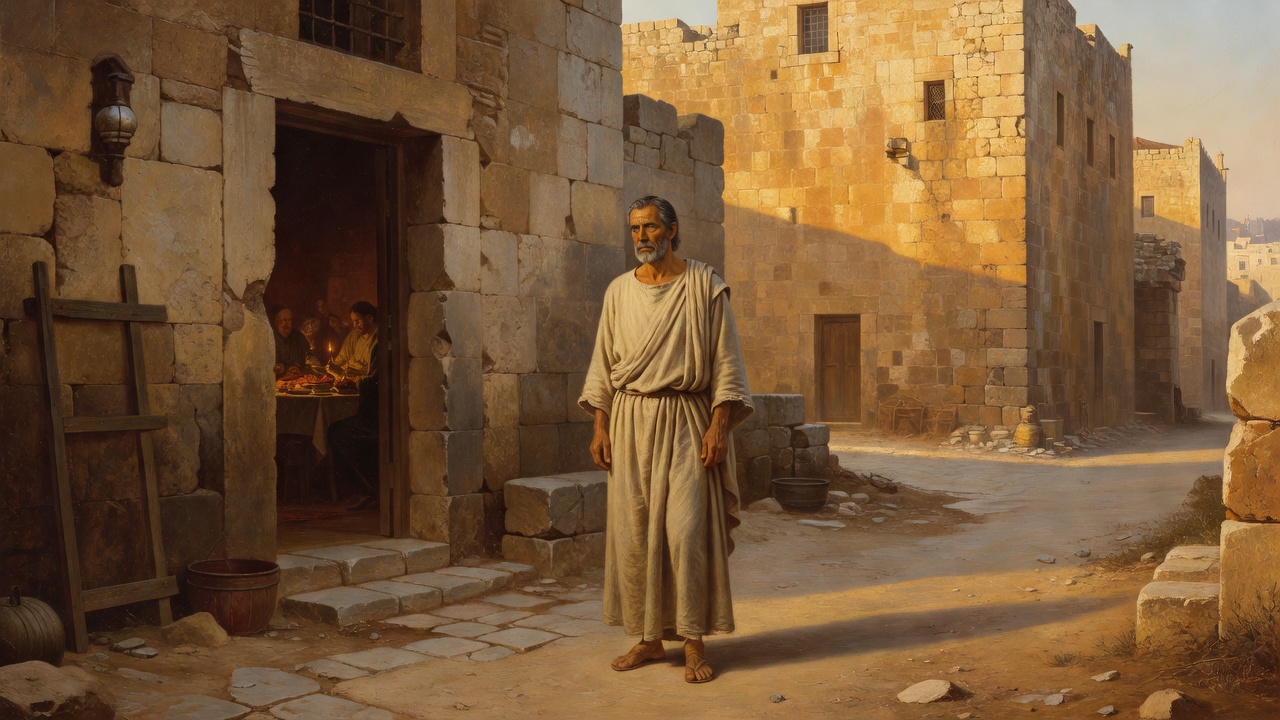
A Prophet's Solitude and Signs of Judgment
- God commands Jeremiah to abstain from marriage, funeral meals, and festive gatherings. His enforced isolation served as a living sign to the people that catastrophic loss, famine, and sword would soon eliminate both joyful celebrations and normal mourning rituals from the land.Sources: the Bible text itself
- The chapter lists customary mourning practices of the era, including sharing a cup of consolation and bread for the bereaved, as well as shaving the head and cutting the body in grief. The scale of the coming disaster would be so overwhelming that these traditional communal expressions of grief would cease completely.Sources: the Bible text itself
- Historically, the exodus from Egypt served as Israel's foundational narrative of divine deliverance. Jeremiah prophesies that a future restoration from exile in the northern lands would eclipse even the memory of the deliverance from Egypt.Sources: the Bible text itself · Egypt
Notes written with AI assistance from open sources (Theographic Bible Metadata, CC BY-SA 4.0; Easton’s Bible Dictionary, public domain) and reviewed before publishing.
Places in this chapter
- Egypt · 30.129, 31.308 · verse 14
Only places identified with high confidence are shown (90% or more according to the scholarly sources compiled by OpenBible). Period map: DARE (Digital Atlas of the Roman Empire), CC BY 4.0; modern map: © OpenStreetMap contributors; places: OpenBible.info (CC BY 4.0).
Credits and license for this translation
KAKAƗYARI NIUKIEYA XAPAYARI WIXARIKAKƗ
The Holy Bible in the in Huichol language of Mexico, 2020 edition
La Santa Biblia en lengua huichol de México, edición 2020
copyright © 2020 Wycliffe Bible Translators, Inc.
Language: Huichol
Translation by: Wycliffe Bible Translators, Inc.
Huichol [hch], Mexico
Copyright Information
© 1988-2020, Wycliffe Bible Translators, Inc.
This translation text is made available to you under the
terms of the Creative Commons License: Attribution-Noncommercial-No Derivative Works.
( http://creativecommons.org/licenses/by-nc-nd/3.0/ )
In addition, you have permission to port the text to different file formats, as long as you
do not change any of the text or punctuation of the Bible.
You may share, copy, distribute, transmit, and extract portions
or quotations from this work, provided that you include the above copyright
information:
You must give Attribution to the work.
You do not sell this work for a profit.
You do not make any derivative works that change any of the actual words or punctuation of the Scriptures.
Permissions beyond the scope of this license may be
available if you contact
us with your request.
The Holy Bible
in Huichol
© 1988-2020, Wycliffe Bible Translators, Inc.
This translation is made available to you under the terms of the
Creative Commons Attribution-Noncommercial-No Derivatives license 4.0.
You may share and redistribute this Bible translation or extracts from it in any format, provided that:
You include the above copyright and source information.
You do not sell this work for a profit.
You do not change any of the words or punctuation of the Scriptures.
Pictures included with Scriptures and other documents on this site are licensed just for use with those Scriptures and documents.
For other uses, please contact the respective copyright owners.
2025-09-03
Source: http://ebible.org/hch/ · eBible.org