Jeremiah 18
KAKAƗYARI NIUKIEYA XAPAYARI WIXARIKAKƗ · Tap a verse to see its cross-references.
'Iwewame niukiyari
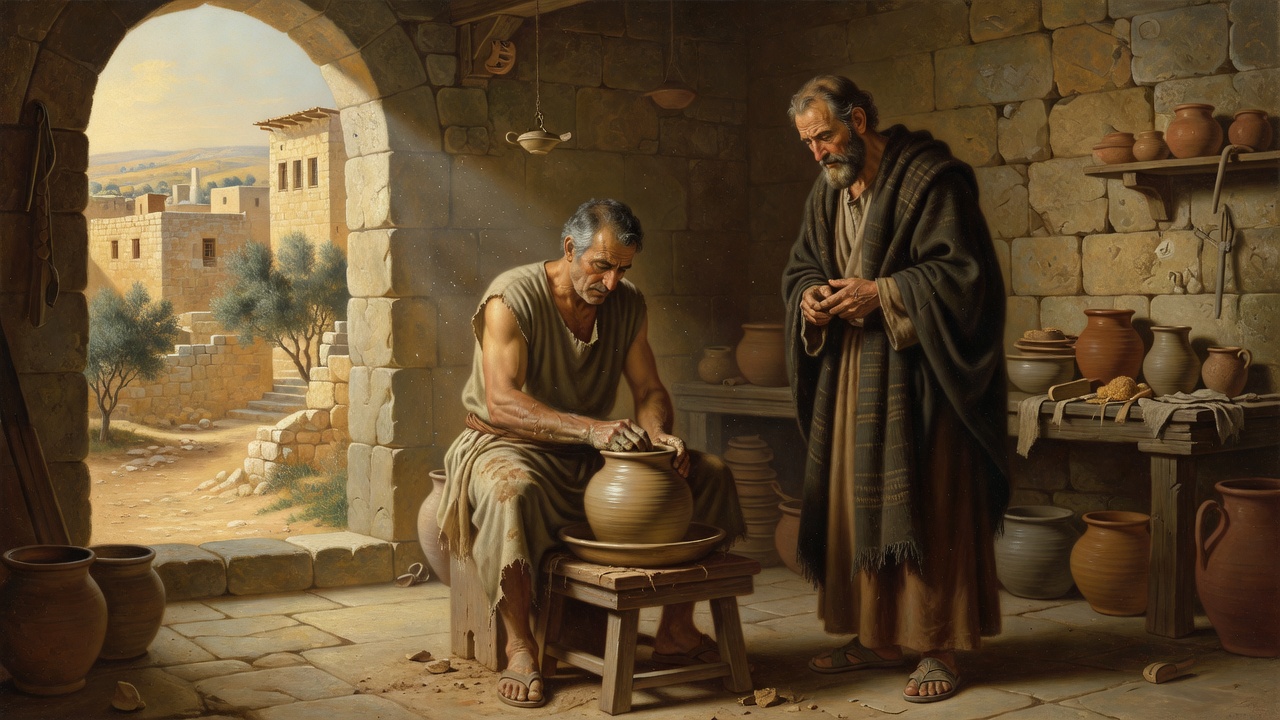
1'Ikɨ Yawé niukieya kanihɨkɨtɨni Keremiyaxi hetsɨa munua: 2«Kenemie hikɨ kwitɨwa 'iwewame kiita, muwa nekametinetaxatɨamɨkɨ».
3Hikɨ nekaneyani 'iwewame kiita, nekaneitaxeiya ti'uximayakame tixikɨraɨyemetsie. 4Hikɨ xari muwewiekai 'axakaniuyɨni mamayatsie, tawarita xeime xari kaniutawewieni, kepaukake 'aixɨa 'aneme mayeitɨani.
5'Ana Yawé niukieya nehetsɨa kaninuani mɨpaɨ kanetiniutahɨawe: 6«Teɨteri 'Ixaheritsixi, ¿kamɨtsɨ nekatiyɨwe xehetsie mɨpaɨ nemɨtiuyurieni 'iwewame kemɨtiuyuri haxukɨ? —Yawé mɨpaɨ kanaineni—. Xeme teɨteri 'ixaheritsixi, haxu 'iwewame yumamatsie kemɨratu'u, mɨpaɨta xeme xepɨ'ane nemamatsie. 7Mɨpaɨ nemɨtiuxata nepɨyɨwe nemuwarahunakɨ, nemuwaratixɨrienikɨ meta nemuwarakumaweriyakɨ xeime nuiwari yatɨni xewitɨ mɨra'aitatsie, 8peru xɨka mɨkɨ nuiwari tiuhayewa 'axatiyurienetɨ, neta nepɨtihayewa kenemɨti'uximatɨanikekai meta kenemɨtiunehɨawekai hepaɨtsitana. 9Mɨpaɨta neputayɨwe xeime nuiwari nemɨkamanikɨ meta nemikayenikɨ yatɨni xewitɨ mɨra'aitatsie. 10Peru xɨka nehɨxie mɨkɨ nuiwari 'axatiuyurieni xɨka kanetsiheu'enieka, nekatinihayewamɨkɨ ke'aixɨa nemɨtiu'eriekai hetsiena mieme. 11Hikɨta ketiniwarutaxatɨa Kura kiekatari meta Kerutsareme, mɨpaɨ ketiniwarayehɨtɨa Yawé mɨpaɨ kanaineni: “Nekaniha'aritɨaka 'uximatɨarika xehetsiemieme nekaniwewieka kehepaɨ nemɨtiyurieni xehepaɨtsita. Huye 'axamɨ'ane xekeneuhayewa, xeketenehɨwa, 'aixɨa xekeneyuyuri pɨta ke'axaxemɨte'u'uwakaikɨ meta ke'axaxemɨteyuriekaikɨ”. 12Mɨkɨ mɨpaɨ mekanitiyuakuni: “Yakɨ xeikɨa peputaine. Ketemɨteku'eriwa yatepɨteyurieka, meta teyuxexuitɨ 'axatepɨteyurieka ta'iyari 'axamɨ'ane kemɨtatikɨhɨawe”».
13'Ayumieme Yawé mɨpaɨ kanaineni:
«Xekeneuta'iwau hipame nuiwarite watsata:
¿Hakewa xewitɨ mɨpaɨ pɨre'enaxɨ?
'Ixaheri 'ɨimari
yemekɨ 'axa'anemekɨ pɨtiuyuri.
14¿Kamɨtsɨ 'ɨwi Riwanu hɨriyaritsie
'ai 'amanutitɨtɨtsie titipapare?
¿Kamɨtsɨ haa mɨhaɨtɨ hɨritsie
makaneika tiukawauke?
15Peru neuxei, neteɨterima mepɨnetsihatɨmai,
hipame kakaɨyarixi tixaɨtɨ memɨkateyunaki'erie 'ɨkwa mepuwatairietɨwe.
Yuhuyeta mepekaxɨri,
huye meripaitɨ mieme 'utɨa,
hipame huyetsie memu'uwanikɨ
meta muka'uyeyɨkɨtsie.
16Mɨya meyɨatɨ yukwie yuxaɨtame mekaniuku'eirieni,
tixaɨtɨ tiyuriyarɨwame menayeitɨani.
Kemɨ'ane mana muyeyani
yumu'u kaniyuitɨamɨkɨ matɨ.
17'Eka tau manatineika matineika hepaɨ,
nekanixetaxɨriexɨamɨkɨ mɨxe'aye'unie hɨxie.
Kepauka xemu'uximatɨariekatsie
nekanawaritamɨkɨ nepɨkahaniere».
18Teɨteri mɨpaɨ mekaniutiyuani: «Xekeneuyukuxeɨri tepɨtetixata Keremiyaxi hepaɨtsita. 'Inɨari niukiyari pɨkaheuyeweka mawari wewiwame hetsie, 'ɨxatsi mɨtimaiwe hetsie pɨkaheuyeweka tɨma meta niuki Kakaɨyari niukameya hetsie pɨkaheuyeweka. Niukikɨ tepeye'atɨirieni, tsepa kemaine yatepɨkateyurieni».
19Yawé, keneneu'eni kwerietɨ.
Keniwaru'eni kemɨ'ane nehetsie memɨtehahɨpa.
20¿Kamɨtsɨ 'aixɨa mɨti'ane 'axamɨ'anekɨ tiyupitɨaritɨre?
Mɨkɨri putsu mekaniwati'inieni muwa nemeukawenikɨ.
Ne matsi nematsi'utahɨawixɨ
wahetsiemieme nemɨtaniunikɨ,
'ahaxɨa wahetsie mɨkatinakenikɨ.
21'Ayumieme waniwema 'ukitsi keniwayetua haakakɨ memɨkwinikɨ,
keniwaruku'eiri 'ixiparakɨ memɨkwi'iyanikɨ.
Wa'ɨitama wiuraxi meke'akɨne meta yuniwema 'ukitsi mekawarexeiyatɨ,
wakɨnama meke'ukwi'iwa,
waniwema temari mekehekwi'iwa
'ixiparakɨ meheyukwitɨwetɨ.
22Hiwari kehewaku'eiyani wakiita paitɨ,
kepauka 'atsimekateha'eriwakaku pemɨwaranɨ'ani wahetsɨa
yɨmɨireme tenawayamete.
Mekaniuti'ineri muwa nemeukawenikɨ,
meta winiyari nehɨxie mekaniuwɨtɨaxɨani.
23Yawé, peru 'ekɨ pepɨrakumate
naime kememɨteku'eriwa kememɨnetemieni.
Ke'axamemɨteyurie pepɨkatiwareuyehɨwirieka,
meta ke'axamemɨte'uyuri pepɨkahekuyeitɨwani 'ahɨxie.
'Ahɨxie meke'ukaxɨriyani.
Kepauka wahekɨ pemɨha'a 'ana keniwaraye'atɨiri.
Did you know?
The Potter and the Clay
- At the potter's house, Jeremiah observes an artisan reshaping a spoiled vessel on the wheel into another pot. The passage uses this craft to illustrate divine authority and conditional judgment: if a nation turns from evil after being warned, disaster is averted, but if a nation turns to evil, intended blessings are withheld.Sources: the Bible text itself
- The prophecy contrasts Israel's abandonment of God with the constancy of the natural world, asking if the snow of Lebanon ever departs from its rocky crags. The mountain range of Lebanon, whose name means white, was notable for its lofty peaks and enduring cold streams.Sources: Lebanon · the Bible text itself
- The conspiracy against Jeremiah was driven by opponents who assumed religious security, arguing that instruction would never be lost to the priest, counsel to the wise, or the divine word to the prophet. Jeremiah's message of impending ruin directly challenged this institutional confidence.Sources: Jeremiah · the Bible text itself
Notes written with AI assistance from open sources (Theographic Bible Metadata, CC BY-SA 4.0; Easton’s Bible Dictionary, public domain) and reviewed before publishing.
Places in this chapter
- Jerusalem · 31.777, 35.234 · verse 11
- Lebanon · 33.540, 35.584 · verse 14
- Mount Hermon · 33.400, 35.850 · verse 14
Only places identified with high confidence are shown (90% or more according to the scholarly sources compiled by OpenBible). Period map: DARE (Digital Atlas of the Roman Empire), CC BY 4.0; modern map: © OpenStreetMap contributors; places: OpenBible.info (CC BY 4.0).
Credits and license for this translation
KAKAƗYARI NIUKIEYA XAPAYARI WIXARIKAKƗ
The Holy Bible in the in Huichol language of Mexico, 2020 edition
La Santa Biblia en lengua huichol de México, edición 2020
copyright © 2020 Wycliffe Bible Translators, Inc.
Language: Huichol
Translation by: Wycliffe Bible Translators, Inc.
Huichol [hch], Mexico
Copyright Information
© 1988-2020, Wycliffe Bible Translators, Inc.
This translation text is made available to you under the
terms of the Creative Commons License: Attribution-Noncommercial-No Derivative Works.
( http://creativecommons.org/licenses/by-nc-nd/3.0/ )
In addition, you have permission to port the text to different file formats, as long as you
do not change any of the text or punctuation of the Bible.
You may share, copy, distribute, transmit, and extract portions
or quotations from this work, provided that you include the above copyright
information:
You must give Attribution to the work.
You do not sell this work for a profit.
You do not make any derivative works that change any of the actual words or punctuation of the Scriptures.
Permissions beyond the scope of this license may be
available if you contact
us with your request.
The Holy Bible
in Huichol
© 1988-2020, Wycliffe Bible Translators, Inc.
This translation is made available to you under the terms of the
Creative Commons Attribution-Noncommercial-No Derivatives license 4.0.
You may share and redistribute this Bible translation or extracts from it in any format, provided that:
You include the above copyright and source information.
You do not sell this work for a profit.
You do not change any of the words or punctuation of the Scriptures.
Pictures included with Scriptures and other documents on this site are licensed just for use with those Scriptures and documents.
For other uses, please contact the respective copyright owners.
2025-09-03
Source: http://ebible.org/hch/ · eBible.org