Jeremiah 15
KAKAƗYARI NIUKIEYA XAPAYARI WIXARIKAKƗ · Tap a verse to see its cross-references.
1Yawé mɨpaɨ kanetiniutahɨawe: «Tsepa Muitsexi meta Tsamuheri nehɨxie memɨteti'ui, ne nepɨkawarutinenimayatawe 'ikɨ teɨteri. Hikɨ keniwaranunɨ'a nehɨxie memɨka'u'uwanikɨ. Mekeheuhuni. 2Xɨka mɨpaɨ memateha'iwawiyani: “¿Hakewa kuta tepeyehu?”, mɨpaɨ ketiniwarayemari'itɨa mɨpaɨ ne Yawé nemainekɨ:
»“Kemɨ'anetsɨ memɨkwinikɨ memɨ'ayumiemete, meke'ukwini,
kemɨ'ane 'ixiparakɨ memɨkwinikɨ memɨ'ayumiemete, 'ixiparakɨ meke'ukwini,
haakakɨ memɨkwinikɨ memɨ'ayumiemete, haakakɨ meke'ukwini,
kemɨ'ane memanuhapanienikɨ memɨ'ayumiemete mekehehapanieni”.
3»Ne neniwaranunɨ'airiemɨkɨ naukame 'uximatɨarika —Yawé mɨpaɨ kanaineni—: 'ixipara mɨtiyumemiwa, tsɨikɨri memɨwatahapaxɨanikɨ, wirɨkɨxi memɨwatitutsenikɨ meta yeutari naimeri memɨwatikwanikɨ. 4Te'aitamete yunaitɨ kwiepa memɨtama memɨmamakakɨ nekatiniyurimɨkɨ, Manatsexi 'Etsekiyaxi nu'aya, Kura kwieyaritsie ti'aitame, kemɨtiuyurikɨ Kerutsareme.
5«¿Kemɨ'ane pɨmetsitinenimayata, Kerutsareme?
¿Kemɨ'ane 'ahetsiemieme pɨtatsuani?
¿Kemɨ'ane puyuwaɨriya mɨta'iwaunikɨ kepemɨreu'erie?»
6Yawé mɨpaɨ kanaineni:
«'Ekɨ pepɨnetsi'uku'eiri, 'a'utɨa pepetɨa.
Nemamá 'ahetsie nekanitatseramɨkɨ
nekamenika'unamɨkɨ,
nepu'uxeri nematsinenimayatɨ.
7Kiekari kitenie
nekameneuyewiwimɨkɨ nakitsaraɨkɨ.
'Ekɨ 'aniwema 'ukitsi yunaime nekameninawairiemɨkɨ,
neteɨterima yunaime nekaniwaka'unamɨkɨ,
'axameteyurietɨ memɨkate'uhayewaxɨkɨ.
8Xiekari haramara mɨtika reuyeta hepaɨ meyupaɨmeme
nekaniwarayeitɨamɨkɨ xewiuraxi,
tuka yemekɨ tiyuka'uname nepanunɨ'ani
temari wamaamama wahepaɨtsita.
Yapauka wahetsie nekatinipitɨamɨkɨ
'uximatɨarika meta hiwerika.
9Kaniku'amɨweni kemɨ'ane 'atahutame yuniwema 'ukitsi mɨwarayexeiyakai,
ka'u'iwetɨ payeika.
Tsepa mutuka pukɨ'iyɨriwa,
'ukaratsi yutewiyatɨ payeika yemekɨ.
Kemɨ'ane memɨyuhayewa nepuwayetuani memɨkwi'iwakɨ
memɨwaraye'unie wahɨxie»,
Yawé mɨpaɨ kanaineni.
10Xɨa'ui nehetsie, nemaama,
pemɨnetsi'utiniwexɨ
niuki nemɨxɨatɨakakɨ meta nemɨnemienenikɨ
naime 'ikɨ kwieyaritsie wahepaɨtsita.
Ne xeime nepɨkatiniɨtɨawe meta nepɨkanetaniɨwe,
peru yunaitɨ 'axamepɨnetekumamateke.
11Yawé mɨpaɨ kaniutayɨni:
«Ne yurikɨ nekamenixɨnamɨkɨ 'aixɨa mɨti'anenikɨ,
yanepɨtiyurieni 'aneɨkixiwi metsitawawirienikɨ pemiparewienikɨ
'uximatɨarikatsata kememɨtekwine.
12»¿Kamɨtsɨ tiyɨwe tewi tepɨa makamura,
tepɨa tayeta mieme meta wurunitse?
13'Axapemɨtiuyurikɨ nekatiniyetuamɨkɨ
xepiinite mɨraye'atɨka, tixaɨtɨ nekatiwautɨ,
tita waɨkawa pemɨrexeiya meta piinite mɨraye'atɨka,
naime 'ikɨ 'akwietsie.
14'Aneɨkixiwima pemɨtiwata'uximayatsirienikɨ yanekatiniyurimɨkɨ
xeime kwieyaritsie pemɨka'imatetsie,
nehaxɨatsie tai kaniutani xehetsie
kaneutanerɨkwawani».
15Yawé, 'ekɨ pepɨtimate.
Kenena'eriwani, kenene'ɨwiyani.
Memɨnetsi'uweiya ketiniwarakapitɨa.
Wahepaɨtsita kepemɨtiukanewiekɨ,
pepɨkanetsipitɨaka nemɨka'unarienikɨ,
'ahetsiemieme neuxei nepɨtiuka'eniwa.
16Kepauka 'aniuki nemukaxexeiyakai,
ne nepitikwa'akai,
mɨkɨ pɨnetemawierikatɨkai
meta ne'iyari pɨtemawierikayatɨkai,
kepemɨtitewakɨ nehetsie nematsihexeiyakɨ,
Yawé, Kakaɨyari Naimekɨmɨtɨrɨkaɨye.
17Ne 'ixɨararitsata memɨ'iyamatɨka nepɨkawatinɨiwe,
meta wahamatɨa nepɨkanetitemawiwe 'akuxi,
nexaɨtame nepuyeika, nehamatɨa pemuyeikakɨ
meta pekaneniuyehaxɨatɨani wahepaɨtsita.
18¿Titayari katihayewawe nekukuiniya?
¿Titayari katiyu'uayemarinɨa nekukuiniya?
¿Titayari katiyumɨkɨ?
¿Nehetsiemieme yakɨ haa manukatsukwaka
pepɨhɨkɨtɨni haixa mɨkawani?
19'Ayumieme Yawé mɨpaɨ kanaineni:
«Xɨka petiuhayewa,
ne nepumatsi'anukuhana 'anata pepɨnetsi'ayexeiyani.
Xɨka petiuhayewa yakɨ petikuxatatɨ,
xɨka yurikɨ xeikɨa petikuxatani yemekɨ meuyewetsekɨ,
neniukame 'ekɨ pepayani.
Mɨkɨ 'ahetsɨa meke'u'axɨani,
peru 'ekɨ wahetsɨa pepɨkaheyeikani.
20Ne yanekatiniyurimɨkɨ 'ikɨ teɨteri wahetsiemieme
wurunitse mukawe mɨkaha'iwarie hepaɨ pemɨ'anenikɨ,
mepɨmatsitamieni,
peru mepɨkamatsiha'iwa,
ne 'ahamatɨa nemuyeikakɨ
nemetsitawikweitsitɨanike meta nemɨmatsixɨnakɨ
—Yawé mɨpaɨ kanaineni—.
21Nepɨmatsixɨna 'axamemɨte'u'iyari wahetsie,
nepɨmatsitawikweitsitɨani memayu'eririya waxɨtetetsie».
Did you know?
Rejection, Lament, and Divine Reassurance
- God invokes Moses and Samuel as premier intercessors from Israel's history, declaring that even if they stood before him, it would not avert the decreed judgment on the people.Sources: the Bible text itself · Moses · Samuel
- The impending disaster and scattering of Jerusalem's inhabitants are directly linked to the offenses committed by King Manasseh, son of Hezekiah, during his rule over Judah.Sources: the Bible text itself · Manasseh (son of Hezekiah) · Hezekiah · Jerusalem
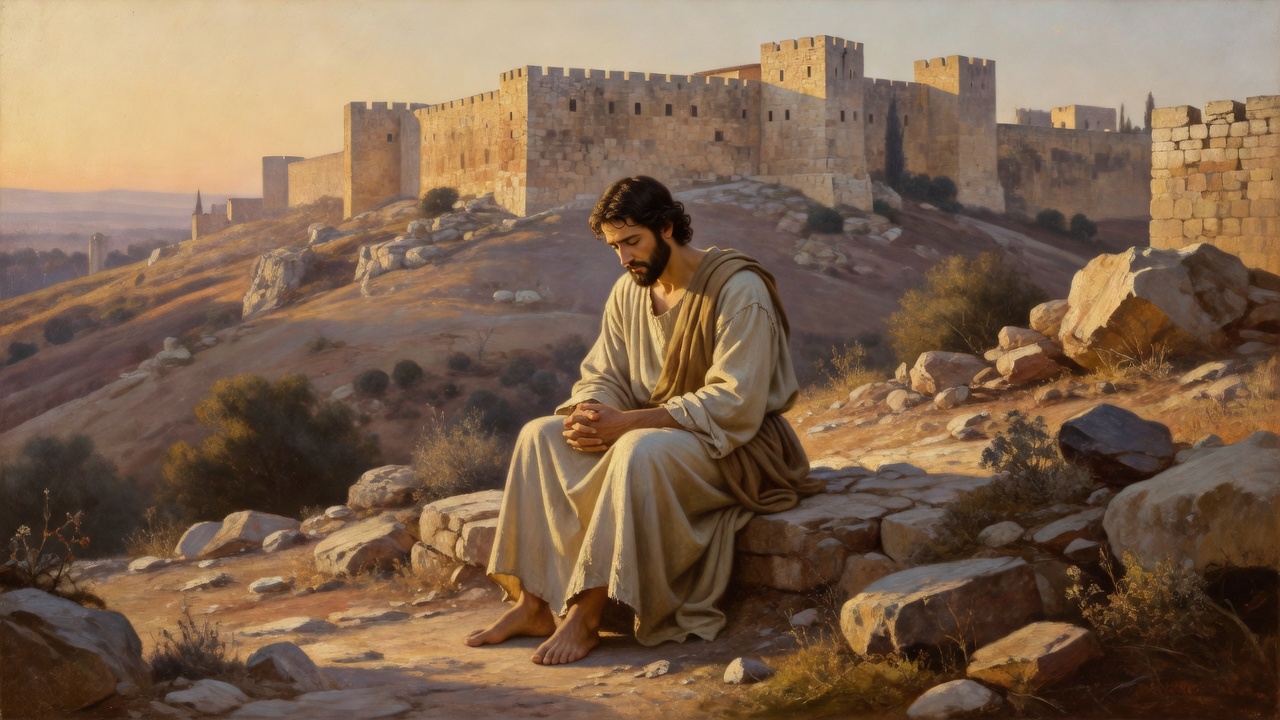
- Jeremiah laments his painful isolation and the public hostility he faced for carrying God's word, receiving a divine promise that he would be made into an invincible bronze wall against his opponents.Sources: the Bible text itself
Notes written with AI assistance from open sources (Theographic Bible Metadata, CC BY-SA 4.0; Easton’s Bible Dictionary, public domain) and reviewed before publishing.
Places in this chapter
Only places identified with high confidence are shown (90% or more according to the scholarly sources compiled by OpenBible). Period map: DARE (Digital Atlas of the Roman Empire), CC BY 4.0; modern map: © OpenStreetMap contributors; places: OpenBible.info (CC BY 4.0).
Credits and license for this translation
KAKAƗYARI NIUKIEYA XAPAYARI WIXARIKAKƗ
The Holy Bible in the in Huichol language of Mexico, 2020 edition
La Santa Biblia en lengua huichol de México, edición 2020
copyright © 2020 Wycliffe Bible Translators, Inc.
Language: Huichol
Translation by: Wycliffe Bible Translators, Inc.
Huichol [hch], Mexico
Copyright Information
© 1988-2020, Wycliffe Bible Translators, Inc.
This translation text is made available to you under the
terms of the Creative Commons License: Attribution-Noncommercial-No Derivative Works.
( http://creativecommons.org/licenses/by-nc-nd/3.0/ )
In addition, you have permission to port the text to different file formats, as long as you
do not change any of the text or punctuation of the Bible.
You may share, copy, distribute, transmit, and extract portions
or quotations from this work, provided that you include the above copyright
information:
You must give Attribution to the work.
You do not sell this work for a profit.
You do not make any derivative works that change any of the actual words or punctuation of the Scriptures.
Permissions beyond the scope of this license may be
available if you contact
us with your request.
The Holy Bible
in Huichol
© 1988-2020, Wycliffe Bible Translators, Inc.
This translation is made available to you under the terms of the
Creative Commons Attribution-Noncommercial-No Derivatives license 4.0.
You may share and redistribute this Bible translation or extracts from it in any format, provided that:
You include the above copyright and source information.
You do not sell this work for a profit.
You do not change any of the words or punctuation of the Scriptures.
Pictures included with Scriptures and other documents on this site are licensed just for use with those Scriptures and documents.
For other uses, please contact the respective copyright owners.
2025-09-03
Source: http://ebible.org/hch/ · eBible.org