Job 4
כתבי הקודש · Tap a verse to see its cross-references.
1וַ֭יַּעַן אֱלִיפַ֥ז הַֽתֵּימָנִ֗י וַיֹּאמַֽר׃ 2הֲנִסָּ֬ה דָבָ֣ר אֵלֶ֣יךָ תִּלְאֶ֑ה וַעְצֹ֥ר בְּ֝מִלִּ֗ין מִ֣י יוּכָֽל׃ 3הִ֭נֵּה יִסַּ֣רְתָּ רַבִּ֑ים וְיָדַ֖יִם רָפ֣וֹת תְּחַזֵּֽק׃ 4כּ֭וֹשֵׁל יְקִימ֣וּן מִלֶּ֑יךָ וּבִרְכַּ֖יִם כֹּרְע֣וֹת תְּאַמֵּֽץ׃ 5כִּ֤י עַתָּ֨ה ׀ תָּב֣וֹא אֵלֶ֣יךָ וַתֵּ֑לֶא תִּגַּ֥ע עָ֝דֶ֗יךָ וַתִּבָּהֵֽל׃ 6הֲלֹ֣א יִ֭רְאָתְךָ כִּסְלָתֶ֑ךָ תִּ֝קְוָתְךָ֗ וְתֹ֣ם דְּרָכֶֽיךָ׃ 7זְכָר־נָ֗א מִ֤י ה֣וּא נָקִ֣י אָבָ֑ד וְ֝אֵיפֹ֗ה יְשָׁרִ֥ים נִכְחָֽדוּ׃ 8כַּאֲשֶׁ֣ר רָ֭אִיתִי חֹ֣רְשֵׁי אָ֑וֶן וְזֹרְעֵ֖י עָמָ֣ל יִקְצְרֻֽהוּ׃ 9מִנִּשְׁמַ֣ת אֱל֣וֹהַ יֹאבֵ֑דוּ וּמֵר֖וּחַ אַפּ֣וֹ יִכְלֽוּ׃ 10שַׁאֲגַ֣ת אַ֭רְיֵה וְק֣וֹל שָׁ֑חַל וְשִׁנֵּ֖י כְפִירִ֣ים נִתָּֽעוּ׃ 11לַ֭יִשׁ אֹבֵ֣ד מִבְּלִי־טָ֑רֶף וּבְנֵ֥י לָ֝בִ֗יא יִתְפָּרָֽדוּ׃ 12וְ֭אֵלַי דָּבָ֣ר יְגֻנָּ֑ב וַתִּקַּ֥ח אָ֝זְנִ֗י שֵׁ֣מֶץ מֶֽנְהֽוּ׃ 13בִּ֭שְׂעִפִּים מֵחֶזְיֹנ֣וֹת לָ֑יְלָה בִּנְפֹ֥ל תַּ֝רְדֵּמָ֗ה עַל־אֲנָשִֽׁים׃ 14פַּ֣חַד קְ֭רָאַנִי וּרְעָדָ֑ה וְרֹ֖ב עַצְמוֹתַ֣י הִפְחִֽיד׃ 15וְ֭רוּחַ עַל־פָּנַ֣י יַחֲלֹ֑ף תְּ֝סַמֵּ֗ר שַֽׂעֲרַ֥ת בְּשָׂרִֽי׃ 16יַעֲמֹ֤ד ׀ וְֽלֹא־אַכִּ֬יר מַרְאֵ֗הוּ תְּ֭מוּנָה לְנֶ֣גֶד עֵינָ֑י דְּמָמָ֖ה וָק֣וֹל אֶשְׁמָֽע׃ 17הַֽ֭אֱנוֹשׁ מֵאֱל֣וֹהַ יִצְדָּ֑ק אִ֥ם מֵ֝עֹשֵׂ֗הוּ יִטְהַר־גָּֽבֶר׃ 18הֵ֣ן בַּ֭עֲבָדָיו לֹ֣א יַאֲמִ֑ין וּ֝בְמַלְאָכָ֗יו יָשִׂ֥ים תָּהֳלָֽה׃ 19אַ֤ף ׀ שֹׁכְנֵ֬י בָֽתֵּי־חֹ֗מֶר אֲשֶׁר־בֶּעָפָ֥ר יְסוֹדָ֑ם יְ֝דַכְּא֗וּם לִפְנֵי־עָֽשׁ׃ 20מִבֹּ֣קֶר לָעֶ֣רֶב יֻכַּ֑תּוּ מִבְּלִ֥י מֵ֝שִׂ֗ים לָנֶ֥צַח יֹאבֵֽדוּ׃ 21הֲלֹא־נִסַּ֣ע יִתְרָ֣ם בָּ֑ם יָ֝מ֗וּתוּ וְלֹ֣א בְחָכְמָֽה׃
Did you know?
Eliphaz's First Speech
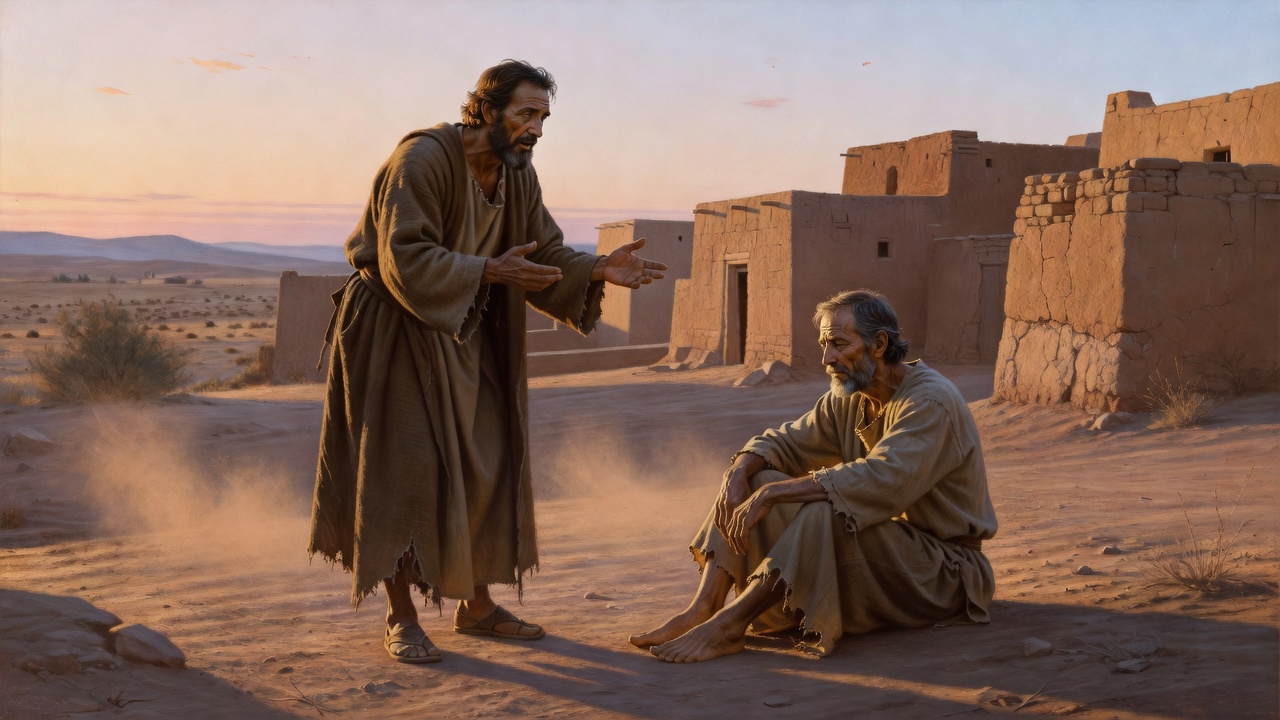
- Eliphaz the Temanite is the first of Job's companions to respond, breaking their week of silence. He acknowledges Job's past reputation for comforting and strengthening the distressed before questioning why Job cannot apply that same endurance to his own suffering.Sources: the Bible text itself · Eliphaz
- Eliphaz introduces the traditional principle of retribution, arguing that the innocent never perish and that individuals reap what they sow in life.Sources: the Bible text itself
- To support his theological claim, Eliphaz describes a chilling night vision where a mysterious spirit stood before him in the dark, declaring that fragile mortals dwelling in houses of clay cannot be more righteous or pure than their Maker.Sources: the Bible text itself
Notes written with AI assistance from open sources (Theographic Bible Metadata, CC BY-SA 4.0; Easton’s Bible Dictionary, public domain) and reviewed before publishing.
Credits and license for this translation
כתבי הקודש
The Hebrew Old Testament, Westminster Leningrad Codex
Public Domain
Language: עברית (Hebrew)
Dialect: Biblical/Ancient
Lemma and morphology data are licensed under a Creative Commons Attribution- ShareAlike license (http://creativecommons.org/licenses/by-sa/3.0/). For attribution purposes, credit the Open Scriptures Hebrew Bible Project. The text of the WLC remains in the public domain.
2017-12-27
Source: http://ebible.org/hboWLC/ · eBible.org