Job 5
כתבי הקודש · Tap a verse to see its cross-references.
1קְֽרָא־נָ֭א הֲיֵ֣שׁ עוֹנֶ֑ךָּ וְאֶל־מִ֖י מִקְּדֹשִׁ֣ים תִּפְנֶֽה׃ 2כִּֽי־לֶֽ֭אֱוִיל יַהֲרָג־כָּ֑עַשׂ וּ֝פֹתֶ֗ה תָּמִ֥ית קִנְאָֽה׃ 3אֲֽנִי־רָ֭אִיתִי אֱוִ֣יל מַשְׁרִ֑ישׁ וָאֶקּ֖וֹב נָוֵ֣הוּ פִתְאֹֽם׃ 4יִרְחֲק֣וּ בָנָ֣יו מִיֶּ֑שַׁע וְיִֽדַּכְּא֥וּ בַ֝שַּׁ֗עַר וְאֵ֣ין מַצִּֽיל׃ 5אֲשֶׁ֤ר קְצִיר֨וֹ ׀ רָ֘עֵ֤ב יֹאכֵ֗ל וְאֶֽל־מִצִּנִּ֥ים יִקָּחֵ֑הוּ וְשָׁאַ֖ף צַמִּ֣ים חֵילָֽם׃ 6כִּ֤י ׀ לֹא־יֵצֵ֣א מֵעָפָ֣ר אָ֑וֶן וּ֝מֵאֲדָמָ֗ה לֹא־יִצְמַ֥ח עָמָֽל׃ 7כִּֽי־אָ֭דָם לְעָמָ֣ל יוּלָּ֑ד וּבְנֵי־רֶ֝֗שֶׁף יַגְבִּ֥יהוּ עֽוּף׃ 8אוּלָ֗ם אֲ֭נִי אֶדְרֹ֣שׁ אֶל־אֵ֑ל וְאֶל־אֱ֝לֹהִ֗ים אָשִׂ֥ים דִּבְרָתִֽי׃ 9עֹשֶׂ֣ה גְ֭דֹלוֹת וְאֵ֣ין חֵ֑קֶר נִ֝פְלָא֗וֹת עַד־אֵ֥ין מִסְפָּֽר׃ 10הַנֹּתֵ֣ן מָ֭טָר עַל־פְּנֵי־אָ֑רֶץ וְשֹׁ֥לֵֽחַ מַ֝יִם עַל־פְּנֵ֥י חוּצֽוֹת׃ 11לָשׂ֣וּם שְׁפָלִ֣ים לְמָר֑וֹם וְ֝קֹדְרִ֗ים שָׂ֣גְבוּ יֶֽשַׁע׃ 12מֵ֭פֵר מַחְשְׁב֣וֹת עֲרוּמִ֑ים וְֽלֹא־תַעֲשֶׂ֥ינָה יְ֝דֵיהֶ֗ם תּוּשִׁיָּֽה׃ 13לֹכֵ֣ד חֲכָמִ֣ים בְּעָרְמָ֑ם וַעֲצַ֖ת נִפְתָּלִ֣ים נִמְהָֽרָה׃ 14יוֹמָ֥ם יְפַגְּשׁוּ־חֹ֑שֶׁךְ וְ֝כַלַּ֗יְלָה יְֽמַשְׁשׁ֥וּ בַֽצָּהֳרָֽיִם׃ 15וַיֹּ֣שַׁע מֵ֭חֶרֶב מִפִּיהֶ֑ם וּמִיַּ֖ד חָזָ֣ק אֶבְיֽוֹן׃ 16וַתְּהִ֣י לַדַּ֣ל תִּקְוָ֑ה וְ֝עֹלָ֗תָה קָ֣פְצָה פִּֽיהָ׃ 17הִנֵּ֤ה אַשְׁרֵ֣י אֱ֭נוֹשׁ יוֹכִחֶ֣נּֽוּ אֱל֑וֹהַּ וּמוּסַ֥ר שַׁ֝דַּ֗י אַל־תִּמְאָֽס׃ 18כִּ֤י ה֣וּא יַכְאִ֣יב וְיֶחְבָּ֑שׁ יִ֝מְחַ֗ץ וידו תִּרְפֶּֽינָה׃ 19בְּשֵׁ֣שׁ צָ֭רוֹת יַצִּילֶ֑ךָּ וּבְשֶׁ֓בַע ׀ לֹא־יִגַּ֖ע בְּךָ֣ רָֽע׃ 20בְּ֭רָעָב פָּֽדְךָ֣ מִמָּ֑וֶת וּ֝בְמִלְחָמָ֗ה מִ֣ידֵי חָֽרֶב׃ 21בְּשׁ֣וֹט לָ֭שׁוֹן תֵּחָבֵ֑א וְֽלֹא־תִירָ֥א מִ֝שֹּׁ֗ד כִּ֣י יָבֽוֹא׃ 22לְשֹׁ֣ד וּלְכָפָ֣ן תִּשְׂחָ֑ק וּֽמֵחַיַּ֥ת הָ֝אָ֗רֶץ אַל־תִּירָֽא׃ 23כִּ֤י עִם־אַבְנֵ֣י הַשָּׂדֶ֣ה בְרִיתֶ֑ךָ וְחַיַּ֥ת הַ֝שָּׂדֶ֗ה הָשְׁלְמָה־לָֽךְ׃ 24וְֽ֭יָדַעְתָּ כִּי־שָׁל֣וֹם אָהֳלֶ֑ךָ וּֽפָקַדְתָּ֥ נָ֝וְךָ וְלֹ֣א תֶחֱטָֽא׃ 25וְֽ֭יָדַעְתָּ כִּי־רַ֣ב זַרְעֶ֑ךָ וְ֝צֶאֱצָאֶ֗יךָ כְּעֵ֣שֶׂב הָאָֽרֶץ׃ 26תָּב֣וֹא בְכֶ֣לַח אֱלֵי־קָ֑בֶר כַּעֲל֖וֹת גָּדִ֣ישׁ בְּעִתּֽוֹ׃ 27הִנֵּה־זֹ֭את חֲקַרְנ֥וּהָ כֶּֽן־הִ֑יא שְׁ֝מָעֶ֗נָּה וְאַתָּ֥ה דַֽע־לָֽךְ׃ פ
Did you know?
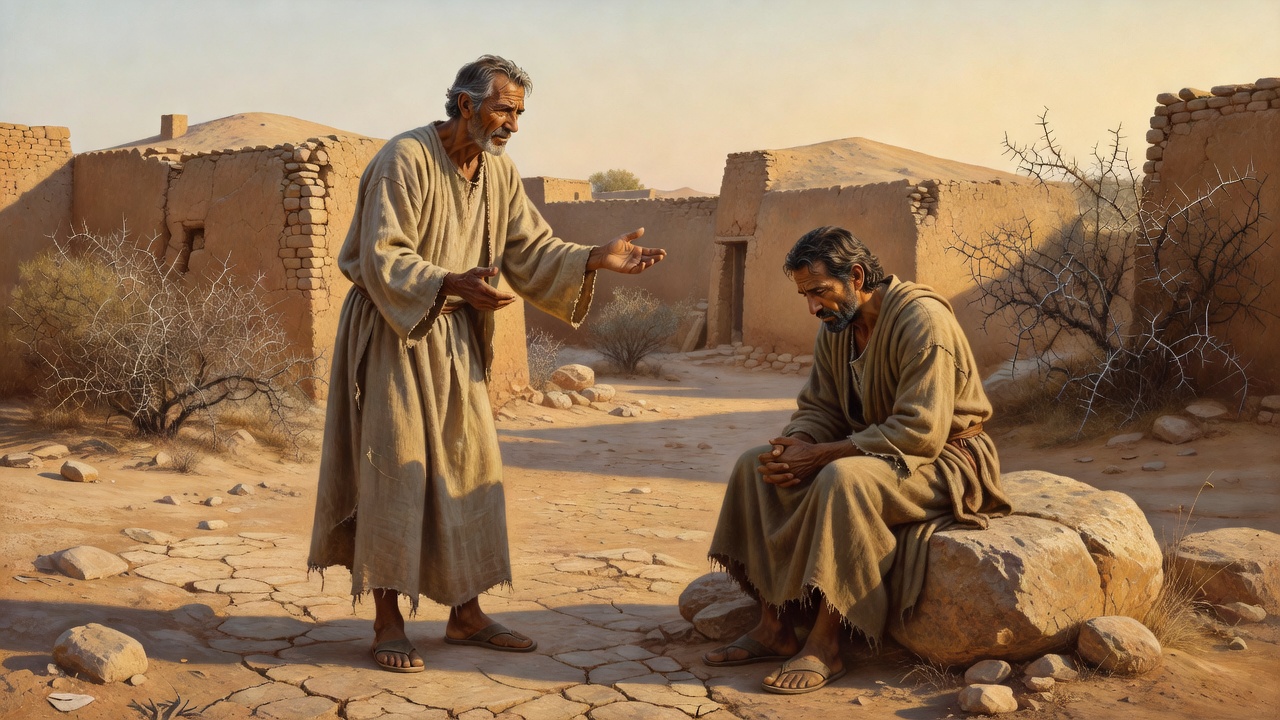
Eliphaz's Counsel on Suffering and Divine Correction
- Eliphaz portrays suffering as purposeful divine discipline rather than arbitrary misfortune, asserting that trouble does not arise without cause from the soil. He urges Job not to despise the correction of the Almighty, who wounds only to heal and restore.Sources: the Bible text itself
- In promising deliverance from six calamities and even seven, Eliphaz employs a traditional poetic formula known as graded numerical parallelism. This rhetorical pattern, common in ancient Near Eastern wisdom poetry, builds emphasis to express comprehensive and complete protection.Sources: the Bible text itself
- Eliphaz describes ultimate restoration in vivid agricultural and pastoral terms, depicting a life where wild beasts and stony soil cease to be hostile. He envisions a peaceful death occurring in full vigor, likened to a sheaf of grain harvested at the proper season.Sources: the Bible text itself
Notes written with AI assistance from open sources (Theographic Bible Metadata, CC BY-SA 4.0; Easton’s Bible Dictionary, public domain) and reviewed before publishing.
Credits and license for this translation
כתבי הקודש
The Hebrew Old Testament, Westminster Leningrad Codex
Public Domain
Language: עברית (Hebrew)
Dialect: Biblical/Ancient
Lemma and morphology data are licensed under a Creative Commons Attribution- ShareAlike license (http://creativecommons.org/licenses/by-sa/3.0/). For attribution purposes, credit the Open Scriptures Hebrew Bible Project. The text of the WLC remains in the public domain.
2017-12-27
Source: http://ebible.org/hboWLC/ · eBible.org