Job 3
כתבי הקודש · Tap a verse to see its cross-references.
1אַחֲרֵי־כֵ֗ן פָּתַ֤ח אִיּוֹב֙ אֶת־פִּ֔יהוּ וַיְקַלֵּ֖ל אֶת־יוֹמֽוֹ׃ פ 2וַיַּ֥עַן אִיּ֗וֹב וַיֹּאמַֽר׃ 3יֹ֣אבַד י֭וֹם אִוָּ֣לֶד בּ֑וֹ וְהַלַּ֥יְלָה אָ֝מַ֗ר הֹ֣רָה גָֽבֶר׃ 4הַיּ֥וֹם הַה֗וּא יְֽהִ֫י חֹ֥שֶׁךְ אַֽל־יִדְרְשֵׁ֣הוּ אֱל֣וֹהַּ מִמָּ֑עַל וְאַל־תּוֹפַ֖ע עָלָ֣יו נְהָרָֽה׃ 5יִגְאָלֻ֡הוּ חֹ֣שֶׁךְ וְ֭צַלְמָוֶת תִּשְׁכָּן־עָלָ֣יו עֲנָנָ֑ה יְ֝בַעֲתֻ֗הוּ כִּֽמְרִ֥ירֵי יֽוֹם׃ 6הַלַּ֥יְלָה הַהוּא֮ יִקָּחֵ֪ה֫וּ אֹ֥פֶל אַל־יִ֭חַדְּ בִּימֵ֣י שָׁנָ֑ה בְּמִסְפַּ֥ר יְ֝רָחִ֗ים אַל־יָבֹֽא׃ 7הִנֵּ֤ה הַלַּ֣יְלָה הַ֭הוּא יְהִ֣י גַלְמ֑וּד אַל־תָּבֹ֖א רְנָנָ֣ה בֽוֹ׃ 8יִקְּבֻ֥הוּ אֹרְרֵי־י֑וֹם הָ֝עֲתִידִ֗ים עֹרֵ֥ר לִוְיָתָֽן׃ 9יֶחְשְׁכוּ֮ כּוֹכְבֵ֪י נִ֫שְׁפּ֥וֹ יְקַו־לְא֥וֹר וָאַ֑יִן וְאַל־יִ֝רְאֶ֗ה בְּעַפְעַפֵּי־שָֽׁחַר׃ 10כִּ֤י לֹ֣א סָ֭גַר דַּלְתֵ֣י בִטְנִ֑י וַיַּסְתֵּ֥ר עָ֝מָ֗ל מֵעֵינָֽי׃ 11לָ֤מָּה לֹּ֣א מֵרֶ֣חֶם אָמ֑וּת מִבֶּ֖טֶן יָצָ֣אתִי וְאֶגְוָֽע׃ 12מַ֭דּוּעַ קִדְּמ֣וּנִי בִרְכָּ֑יִם וּמַה־שָּׁ֝דַ֗יִם כִּ֣י אִינָֽק׃ 13כִּֽי־עַ֭תָּה שָׁכַ֣בְתִּי וְאֶשְׁק֑וֹט יָ֝שַׁ֗נְתִּי אָ֤ז ׀ יָנ֬וּחַֽ לִֽי׃ 14עִם־מְ֭לָכִים וְיֹ֣עֲצֵי אָ֑רֶץ הַבֹּנִ֖ים חֳרָב֣וֹת לָֽמוֹ׃ 15א֣וֹ עִם־שָׂ֭רִים זָהָ֣ב לָהֶ֑ם הַֽמְמַלְאִ֖ים בָּתֵּיהֶ֣ם כָּֽסֶף׃ 16א֤וֹ כְנֵ֣פֶל טָ֭מוּן לֹ֣א אֶהְיֶ֑ה כְּ֝עֹלְלִ֗ים לֹא־רָ֥אוּ אֽוֹר׃ 17שָׁ֣ם רְ֭שָׁעִים חָ֣דְלוּ רֹ֑גֶז וְשָׁ֥ם יָ֝נ֗וּחוּ יְגִ֣יעֵי כֹֽחַ׃ 18יַ֭חַד אֲסִירִ֣ים שַׁאֲנָ֑נוּ לֹ֥א שָׁ֝מְע֗וּ ק֣וֹל נֹגֵֽשׂ׃ 19קָטֹ֣ן וְ֭גָדוֹל שָׁ֣ם ה֑וּא וְ֝עֶ֗בֶד חָפְשִׁ֥י מֵאֲדֹנָֽיו׃ 20לָ֤מָּה יִתֵּ֣ן לְעָמֵ֣ל א֑וֹר וְ֝חַיִּ֗ים לְמָ֣רֵי נָֽפֶשׁ׃ 21הַֽמְחַכִּ֣ים לַמָּ֣וֶת וְאֵינֶ֑נּוּ וַֽ֝יַּחְפְּרֻ֗הוּ מִמַּטְמוֹנִֽים׃ 22הַשְּׂמֵחִ֥ים אֱלֵי־גִ֑יל יָ֝שִׂ֗ישׂוּ כִּ֣י יִמְצְאוּ־קָֽבֶר׃ 23לְ֭גֶבֶר אֲשֶׁר־דַּרְכּ֣וֹ נִסְתָּ֑רָה וַיָּ֖סֶךְ אֱל֣וֹהַּ בַּעֲדֽוֹ׃ 24כִּֽי־לִפְנֵ֣י לַ֭חְמִי אַנְחָתִ֣י תָבֹ֑א וַֽיִּתְּכ֥וּ כַ֝מַּ֗יִם שַׁאֲגֹתָֽי׃ 25כִּ֤י פַ֣חַד פָּ֭חַדְתִּי וַיֶּאֱתָיֵ֑נִי וַאֲשֶׁ֥ר יָ֝גֹ֗רְתִּי יָ֣בֹא לִֽי׃ 26לֹ֤א שָׁלַ֨וְתִּי ׀ וְלֹ֖א שָׁקַ֥טְתִּי וְֽלֹא־נָ֗חְתִּי וַיָּ֥בֹא רֹֽגֶז׃ פ
Did you know?
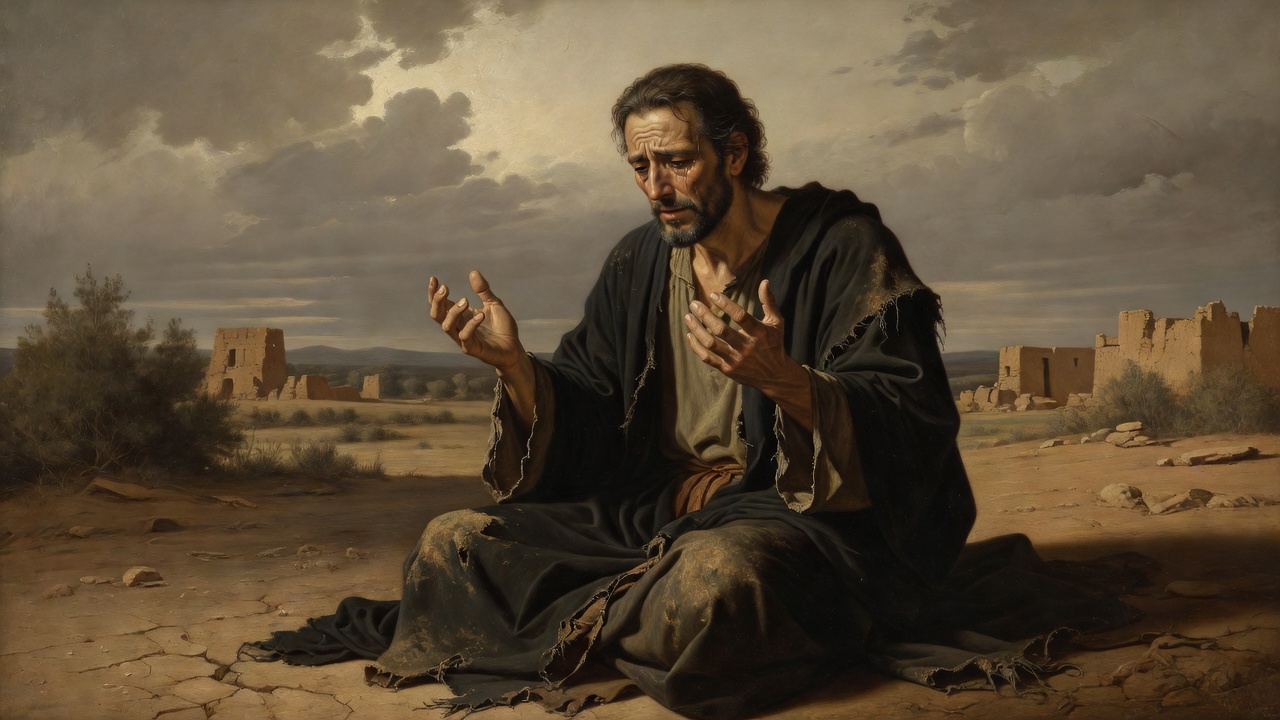
Job Curses the Day of His Birth
- After enduring intense suffering, Job breaks his silence not by cursing God, but by cursing the day of his birth and the night he was conceived, wishing that day had been swallowed by absolute darkness.Sources: the Bible text itself · Job
- In his poetic lament, Job calls upon those who curse the day and are prepared to rouse Leviathan, using ancient imagery of cosmic chaos to emphasize his longing for the erasure of his existence.Sources: the Bible text itself
- Job describes the realm of the dead as an equalizer where kings, counselors, slaves, and prisoners find rest together, free from the exhaustion, oppression, and turmoil that plague the living.Sources: the Bible text itself
Notes written with AI assistance from open sources (Theographic Bible Metadata, CC BY-SA 4.0; Easton’s Bible Dictionary, public domain) and reviewed before publishing.
Credits and license for this translation
כתבי הקודש
The Hebrew Old Testament, Westminster Leningrad Codex
Public Domain
Language: עברית (Hebrew)
Dialect: Biblical/Ancient
Lemma and morphology data are licensed under a Creative Commons Attribution- ShareAlike license (http://creativecommons.org/licenses/by-sa/3.0/). For attribution purposes, credit the Open Scriptures Hebrew Bible Project. The text of the WLC remains in the public domain.
2017-12-27
Source: http://ebible.org/hboWLC/ · eBible.org